
The Rise and Fall of Miles Guo: A Billion-Dollar Deception

The recent conviction and subsequent 30-year sentence handed down to Miles Guo marks the dramatic culmination of a saga that saw a self-styled Chinese exile transform into a convicted fraudster. Once a prominent, if controversial, figure at the volatile intersection of political activism and digital finance, Guo’s carefully constructed empire has now utterly collapsed, revealing a sprawling billion-dollar deception beneath its polished surface. This narrative arc, stretching from his emergence as an anti-establishment crusader to his downfall as a felon, intricately details how thousands of retail investors were tragically defrauded of their life savings.
Guo’s journey began in earnest as a high-profile Chinese businessman who fled his homeland amidst corruption allegations, reinventing himself in the West as a fearless whistleblower and vocal critic of the Chinese Communist Party (CCP). Leveraging social media platforms and a charismatic, often bombastic, online presence, he meticulously cultivated a powerful persona. He positioned himself as a champion for truth and freedom, a modern-day dissident fighting authoritarianism, which resonated deeply with a global audience, particularly within the Chinese diaspora and those disillusioned with Beijing’s regime. This carefully crafted image served as the bedrock upon which he would later build his ambitious, yet ultimately fraudulent, financial ventures.
With his public profile soaring, Guo capitalized on his burgeoning influence by launching a series of ambitious ventures, each presented as a means to empower his followers and financially undermine the CCP. These included GTV Media Group, a purported independent news platform, and later, the Himalaya Exchange and its associated cryptocurrency, the Himalaya Coin (HCN). The initial hype surrounding these initiatives was immense, fueled by promises of unprecedented financial returns and the unique opportunity to contribute to a grand political cause. Investors were enticed by the vision of a new digital ecosystem, a supposed safe haven for dissidents’ funds that would also yield significant profits, blending patriotic fervor with speculative financial allure.
However, the line between political rhetoric and financial predation soon blurred, and eventually vanished entirely. What began as a platform for anti-CCP activism gradually morphed into a sophisticated scheme designed to exploit the trust and aspirations of his followers. Guo and his associates orchestrated a series of unregistered securities offerings, soliciting funds for speculative investments under the guise of “freedom” and “anti-communism.” These offerings, lacking transparency and regulatory oversight, were presented as exclusive opportunities to participate in a revolutionary movement, preying on both the political convictions and the financial hopes of his devoted base.
The true magnitude of this deception is staggering, culminating in a devastating $1 billion loss that impacted thousands of everyday retail investors. Funds poured into entities like GTV Media and the Himalaya Exchange were not deployed as promised, but rather siphoned off for personal use by Guo and his co-conspirators. The legal proceedings laid bare the elaborate web of deceit, revealing that what was presented as a beacon of financial independence and political resistance was, in reality, a meticulously planned Ponzi scheme. The conviction serves as a stark reminder of the perils when charismatic figures blend political causes with unregistered financial instruments, ultimately leading to the painful betrayal of those who believed in their vision.

Anatomy of the Fraud: The Mechanics of the H-Coin Scheme

The H-Coin project functioned as far more than a typical cryptocurrency launch; it was a self-contained, predatory ecosystem engineered to sever investors from external reality. By dressing the scheme in the complex, often opaque language of decentralized finance (DeFi), the architects created a barrier to entry that discouraged traditional financial due diligence. Followers were not merely invited to purchase an asset; they were promised entry into a “new financial order” that would supposedly liberate them from the reach of global banking institutions and government oversight. This narrative of “financial sovereignty” served as a powerful psychological lure, transforming a high-risk speculative gamble into a moral imperative for those who felt disenfranchised by the existing political and economic climate.

At its core, the H-Coin scheme utilized a sophisticated Ponzi-like structure that relied heavily on the constant recruitment of new capital to provide the illusion of liquidity. The mechanism was intentionally shrouded in mystery, with internal exchanges that prevented investors from easily converting their holdings back into fiat currency. By restricting the movement of capital and keeping the asset’s valuation within a closed loop, the organizers could artificially inflate prices, creating a feedback loop of perceived wealth. This manufactured prosperity was then weaponized to encourage existing investors to pour even more funds into the ecosystem, as the fear of missing out became as potent as the greed for astronomical returns.
The genius—and the cruelty—of the scheme lay in its ability to turn skepticism into a liability; if you questioned the mechanics of the coin, you weren’t just a critic, you were framed as an enemy of the cause.
To maintain this fragile facade, the project leveraged a vast network of media platforms and social media echo chambers that functioned as an information firewall. Dissenting voices were aggressively suppressed, labeled as agents of foreign influence, or simply de-platformed within the community, ensuring that only positive narratives reached the target audience. The leader of the project frequently appeared in live-streamed broadcasts, utilizing the intimacy of digital connection to build a cult-like devotion that transcended normal investor relations. By blending political grievance with financial promises, the operation ensured that its victims were not just monitoring a stock ticker, but were emotionally and ideologically invested in the survival of the coin, making the eventual collapse all the more devastating when the artificial walls finally gave way.
Political Alignments and the Bannon Connection
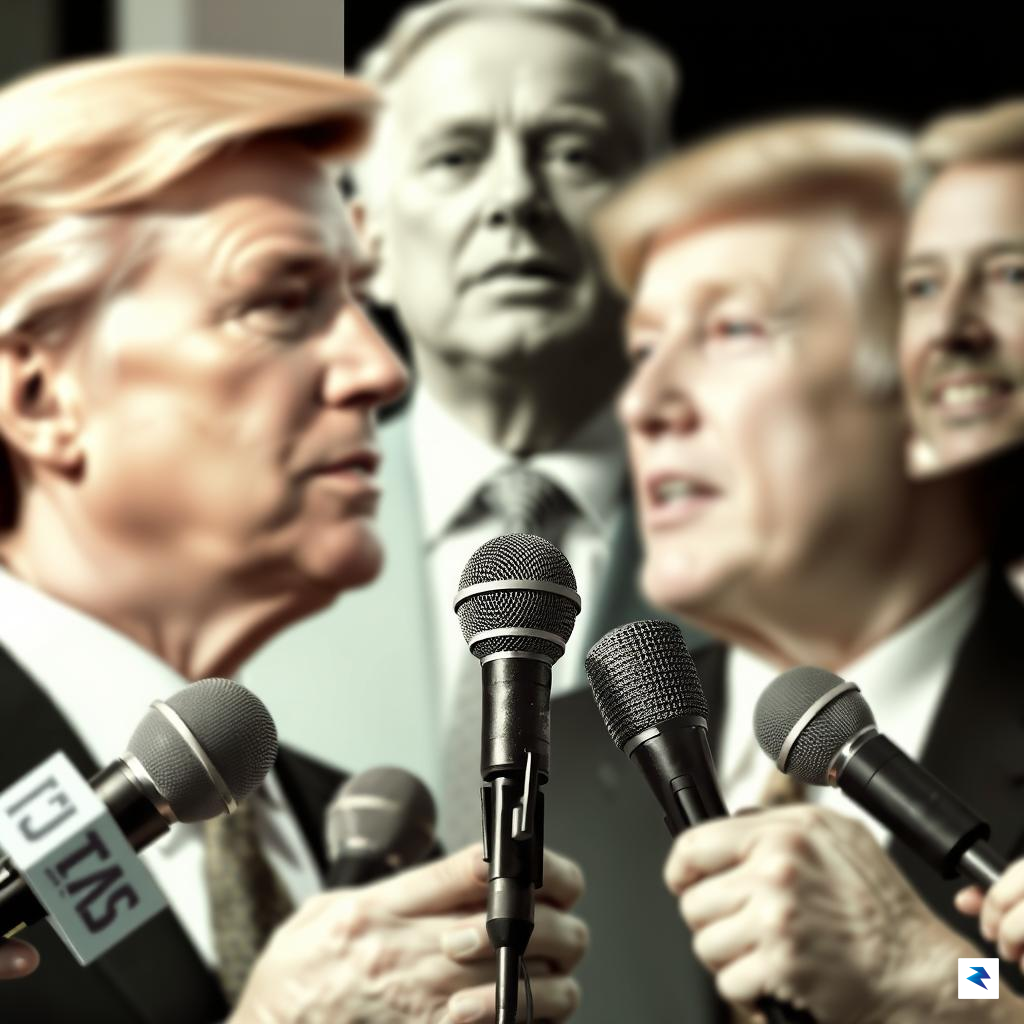
Perhaps the most defining, and arguably the most damaging, element of Miles Guo’s rise in the United States was his calculated integration into the upper echelons of conservative political circles. By cultivating a high-profile alliance with Steve Bannon, the former chief strategist for Donald Trump, Guo successfully transformed himself from a controversial foreign exile into a figurehead of a powerful, politically charged movement. This partnership was far from incidental; it was a strategic masterstroke designed to provide a veneer of institutional credibility to his increasingly opaque financial ventures. By positioning himself as a vocal dissident against the Chinese Communist Party, Guo effectively utilized the language of political warfare to silence skepticism and attract a devoted following of investors who saw their financial participation as a patriotic act.
The association with Bannon served as a powerful marketing tool that was meticulously leveraged to build trust among potential investors. Whenever Guo pitched his various crypto-schemes and investment vehicles, the presence of such a prominent American political strategist acted as a psychological safety net, convincing followers that the projects were not only legitimate but also protected by the highest levels of political influence. This perceived proximity to power meant that many followers overlooked standard financial red flags, viewing the enterprise through a lens of ideological loyalty rather than fiscal scrutiny. Consequently, the scam thrived on the belief that these were not mere financial products, but rather components of a grander, protected geopolitical mission.

The impact of these high-profile links on the longevity of the fraud cannot be overstated. For years, the political cachet provided by these associations shielded Guo from the level of regulatory investigation that typically unearths such massive financial misconduct. By wrapping his operations in the rhetoric of anti-establishment activism, Guo created an environment where questioning his financial models was portrayed as an attack on the cause itself. This weaponization of political clout successfully delayed the inevitable collapse of his schemes, allowing him to siphon hundreds of millions of dollars from thousands of victims who believed they were part of an exclusive, influential movement.
The marriage of extremist political rhetoric and unregulated digital assets creates a volatile environment where financial oversight is often sacrificed at the altar of ideological fervor.
Ultimately, the saga of this billion-dollar fraud offers a grim lesson on the dangers of leveraging political influence to obscure financial crimes. It highlights a recurring pattern in modern white-collar criminal activity where perpetrators exploit the polarization of the political landscape to insulate themselves from accountability. When financial ventures are marketed as political crusades, the guardrails of transparency and due diligence are frequently dismantled, leaving vulnerable individuals to pay the price for a credibility that was never earned, but merely performed for the cameras.
The Legal Verdict: Understanding the 30-Year Sentence

The imposition of a 30-year prison sentence marks a definitive conclusion to a complex criminal saga that centered on a sprawling, multi-layered investment fraud scheme. Convicted on multiple counts, including racketeering conspiracy, wire fraud, and money laundering, the defendant faced a judicial system that prioritized the sheer scale of the financial exploitation over his political narratives. The prosecution’s strategy was meticulous, moving beyond mere allegations to demonstrate a systematic pattern of deception. By presenting overwhelming evidence of how investor funds were siphoned into personal luxuries—ranging from high-end real estate to private jets and expensive artwork—the government effectively dismantled the defendant’s claims of legitimate business ventures, framing the operation instead as a sophisticated engine designed to strip unsuspecting victims of their life savings.

The severity of the three-decade term reflects the court’s commitment to addressing the profound erosion of trust inherent in modern financial crimes. In articulating the rationale for such a lengthy duration, the presiding judge emphasized the “premeditated and callous” nature of the fraud, which targeted thousands of individuals globally under the guise of cryptocurrency opportunities and private investment clubs. The court noted that the defendant did not merely exploit financial markets; he weaponized personal relationships and political grievances to maintain the facade of a credible business enterprise. This judicial stance serves as a potent warning to the burgeoning digital asset sector, signaling that the lack of traditional oversight in cryptocurrency does not grant immunity from federal anti-fraud statutes.
The sentencing serves as a powerful reminder that while technology evolves, the fundamental principles of fiduciary duty and investor protection remain non-negotiable pillars of the global financial system.
Central to the emotional weight of the proceedings were the victim impact statements, which painted a stark picture of the human cost behind the billion-dollar figure. Many investors testified to the devastating reality of losing their retirement accounts, homes, and sense of security, revealing how the defendant’s polished public persona had lured them into a false sense of prosperity. These testimonies were instrumental in convincing the court that a substantial sentence was necessary, not only as a punitive measure but as a mechanism for public accountability. However, the path to restitution remains fraught with difficulty. Despite the significant sentence, the complexity of tracking assets across international borders and hidden offshore accounts suggests that for many victims, the legal victory, while satisfying in terms of justice, may only be the first step in a long, arduous process of attempting to recover lost capital.
The Future of Crypto Regulation and Investor Protection

The sentencing of Miles Guo stands as a watershed moment for the digital asset landscape, signaling an end to the era of unchecked experimentation where charisma often masked criminal intent. For years, the intersection of political rhetoric and decentralized finance provided a cloak for massive financial misconduct, allowing complex fraud schemes to masquerade as revolutionary movements. As the Department of Justice and the Securities and Exchange Commission intensify their scrutiny, we are witnessing a permanent shift in how regulatory bodies approach crypto-fraud. Moving forward, the “wild west” narrative of cryptocurrency is being replaced by a rigorous enforcement framework that prioritizes consumer protection over the preservation of decentralized anonymity. This transition suggests that future projects will face higher barriers to entry, with regulators increasingly demanding transparency regarding the underlying economic viability of digital tokens before they are marketed to the public.
For the average retail investor, the fallout from this billion-dollar deception serves as a sobering lesson in the necessity of due diligence. When a project is built on the foundation of high-hype, ideological promises rather than audited financial performance, it should be treated with extreme caution. Investors must cultivate a healthy skepticism toward any financial venture that relies on a cult of personality or promises returns that deviate significantly from market norms. Education is the primary defense against such predatory tactics; knowing how to verify smart contract audits, track wallet activity on a public ledger, and distinguish between genuine decentralized governance and centralized control is now a baseline requirement for participation in the space.

Beyond the immediate legal ramifications, this case has inflicted a lasting blow to the credibility of alternative financial movements that attempt to weaponize economic systems for partisan or personal gain. When decentralized tools are exploited to defraud supporters, the entire industry suffers a loss of legitimacy that invites heavy-handed policy interventions. Consequently, the long-term health of the crypto ecosystem depends on the industry’s ability to self-regulate and distance itself from projects that prioritize ideology over institutional-grade security. To protect your capital in an increasingly volatile market, keep the following red flags in mind when evaluating new investment opportunities:
Key Red Flags to Identify High-Risk Projects:
- Cult-like Messaging: Projects that prioritize political or social ideology over detailed technical documentation or whitepapers.
- Lack of Audited Transparency: A refusal to undergo independent third-party audits of smart contracts or financial reserves.
- Guaranteed High Returns: Any project promising “risk-free” gains or returns that are detached from the broader market performance.
- Opaque Governance: When a project claims to be decentralized but is ultimately controlled by a small, unaccountable inner circle.
Ultimately, the future of decentralized finance will be defined by the balance between innovation and integrity. While the promise of blockchain technology remains intact, the era of blind trust is over. Investors who succeed in this new environment will be those who value empirical data over charisma and who understand that in the world of digital finance, the most convincing marketing often hides the most dangerous risks.