
Firmus to Build Massive 360MW AI Data Center in Indonesia
The Strategic Rise of Indonesia in the AI Infrastructure Race The global race for generative AI supremacy is fundamentally a race for physical…
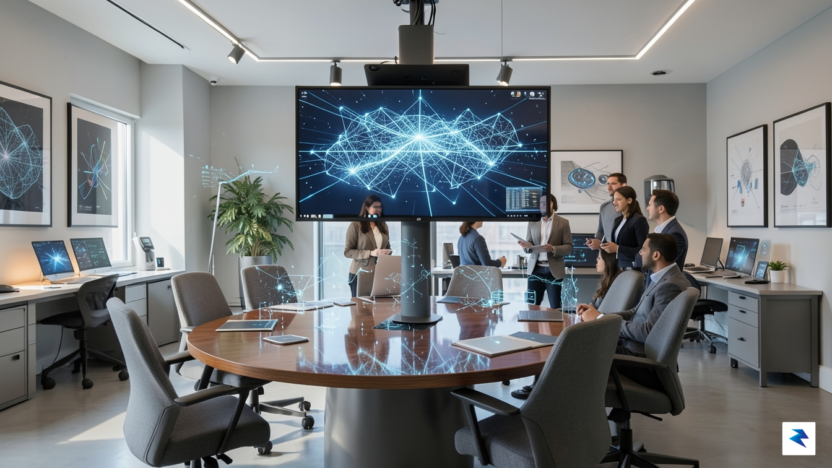

The modern digital workspace has evolved far beyond a simple repository for documents and chat logs; it has become the central nervous system of the contemporary enterprise. For years, employees have struggled with the “context switching tax,” a phenomenon where the constant movement between disparate project management tools, email clients, and documentation repositories fractures focus and erodes productivity. By embedding advanced intelligence like Anthropic’s Claude directly into a collaborative hub like Slack, organizations are finally dismantling these silos. This integration transforms the workspace from a passive communication channel into an active, intelligent partner capable of synthesizing information in real-time, thereby allowing teams to remain in a state of “flow” rather than constantly navigating between applications.
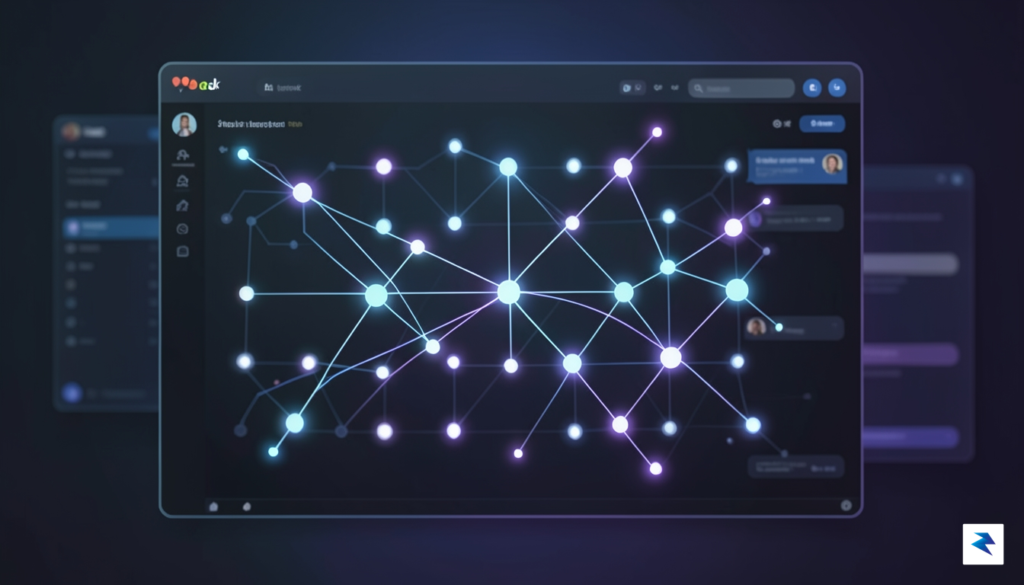
The strategic advantage of housing large language models (LLMs) within a communication platform cannot be overstated. Unlike standalone generative AI tools that require users to copy, paste, and re-format data, an integrated workflow allows the AI to “read” the room, so to speak. Claude can analyze the nuances of ongoing project threads, summarize lengthy channel discussions, and extract actionable insights without the user ever leaving their current conversation. This transition marks a definitive shift in how we perceive generative AI: it is no longer a novelty or a standalone “toy” to be experimented with in isolation, but a foundational utility that functions as a layer of operational intelligence, woven into the very fabric of daily business interactions.
By moving AI from the periphery of our toolsets to the center of our communication hubs, enterprises are fundamentally changing the speed at which decisions are reached and information is processed.
This evolution represents a significant leap forward for the Australian enterprise landscape, which has increasingly prioritized operational efficiency and digital transformation. When AI is readily available within a Slack channel, it lowers the barrier to entry for complex data synthesis. Instead of spending hours aggregating feedback from stakeholders across multiple time zones, a team lead can leverage Claude to provide an immediate digest of sentiment and key requirements. As this technology continues to mature, we are moving toward a future where “work” is not defined by the manual organization of information, but by the strategic application of the insights that AI provides. Ultimately, this convergence of platforms is the catalyst that turns raw data into a cohesive, actionable narrative, enabling teams to operate with a level of agility that was previously unattainable.
The integration of Claude directly into the Slack workspace fundamentally shifts how teams interact with artificial intelligence, moving away from the fragmented experience of toggling between browser tabs and messaging platforms. By simply @mentioning the bot within a channel or direct message, users can trigger the model’s capabilities instantly, keeping the context of the conversation intact. This workflow allows for a seamless transition from a standard team discussion to a high-level cognitive task, such as drafting a project proposal or refining technical documentation, without ever leaving the Slack interface. Because the AI resides within the thread, every participant can view the interaction, fostering a transparent and collaborative environment where collective problem-solving becomes the default rather than an afterthought.
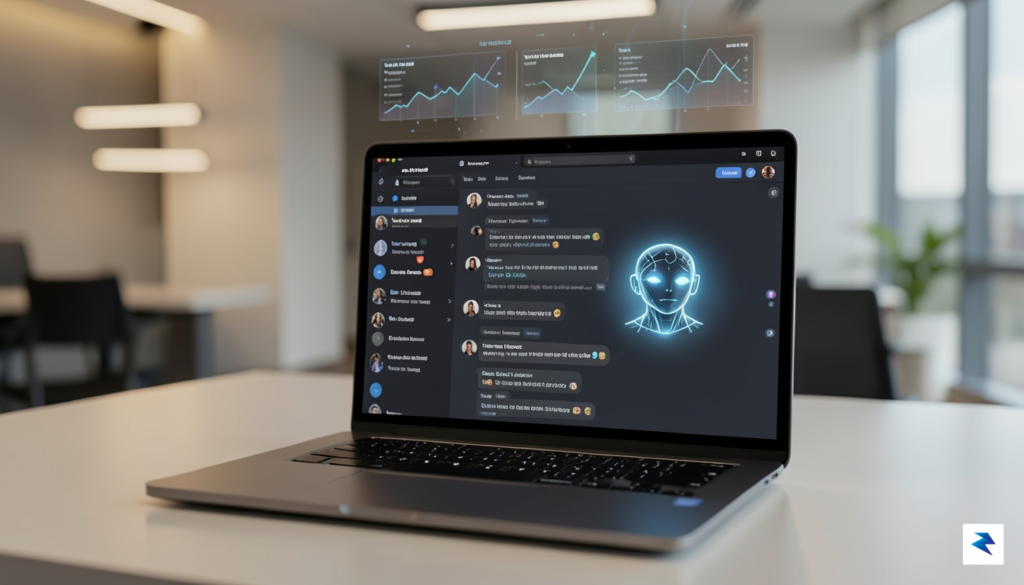
One of the most significant technical advantages of this integration is the utilization of Claude’s expansive long-context window, which is particularly adept at handling the dense, multi-layered nature of Slack communication. Instead of providing the model with isolated, fragmented snippets of information, users can feed entire threads—including long-winded back-and-forth discussions or complex project updates—directly to the AI for synthesis. Claude then acts as an intelligent summarization engine, distilling hours of conversation into actionable bullet points or identifying core project blockers. This capability removes the cognitive load of manually parsing through digital archives, enabling team members to reclaim valuable time while ensuring that critical insights are never lost in the noise of daily notifications.
The true power of this integration lies in its ability to maintain enterprise-grade security protocols while reducing the friction of complex administrative and creative workflows.
Beyond its analytical prowess, the integration is designed to handle sensitive data with the rigorous privacy standards expected by Australian enterprises. Every prompt submitted to Claude through the Slack interface is processed within a secure framework, ensuring that proprietary business information remains protected while still benefiting from the model’s advanced reasoning capabilities. By embedding these tools into the existing communication infrastructure, organizations can effectively lower the barrier to entry for AI adoption. Employees are no longer required to learn a new, siloed piece of software; instead, they can leverage sophisticated content generation and data analysis tools as part of their natural, existing digital habits. This reduction in technical friction ensures that the focus remains on the quality of the output rather than the complexity of the delivery mechanism.

Australia has quietly evolved into a surprising powerhouse within the global artificial intelligence landscape, driven by a unique convergence of economic necessity and a tech-forward corporate culture. While many Western markets have approached generative AI with a mix of caution and regulatory hesitation, Australian enterprises have moved with remarkable speed, integrating platforms like Claude directly into their Slack-based workflows. This aggressive adoption is not merely a trend; it is a calculated response to the geographic and economic realities of the APAC region. By leveraging high-level automation, Australian firms are effectively overcoming the traditional barriers of high labor costs and the logistical challenges associated with operating in a vast, decentralized market.
The local business culture in Australia plays a pivotal role in this rapid transformation. Unlike the more legacy-heavy corporate structures often seen in Europe or the hyper-competitive, venture-capital-saturated environments of North America, Australian companies tend to prioritize pragmatic, high-impact scalability. There is a deeply ingrained appetite for digital transformation that emphasizes operational efficiency, allowing businesses to pivot toward AI-integrated communications almost overnight. When companies integrate Claude into Slack, they aren’t just adopting a chatbot; they are fundamentally re-engineering how their teams collaborate, synthesize complex data, and manage regional workflows that require rapid, localized decision-making.

The speed of AI integration in Australia reflects a broader national strategy: rather than waiting for global standards to mature, local industry leaders are shaping their own workflows to ensure they remain competitive on the global stage.
When contrasting these trends with international markets, it becomes clear that Australia serves as an ideal testing ground for large-scale enterprise AI deployment. In North America, the focus often centers on consumer-facing LLMs and massive foundational research, whereas Australian firms are intensely focused on the “last mile” of enterprise utility—making AI work within the specific constraints of the Australian workforce. Furthermore, the push for scalability in the APAC region mandates that systems must be agile and interoperable. Because the Australian market is relatively consolidated, successful pilot programs often scale across entire sectors faster than they might in the fragmented European market. This ability to integrate AI into existing messaging infrastructures, such as the Slack-Claude synergy, provides a blueprint for how mid-to-large-sized enterprises can maintain a competitive edge through smarter, faster, and more intuitive human-AI collaboration.
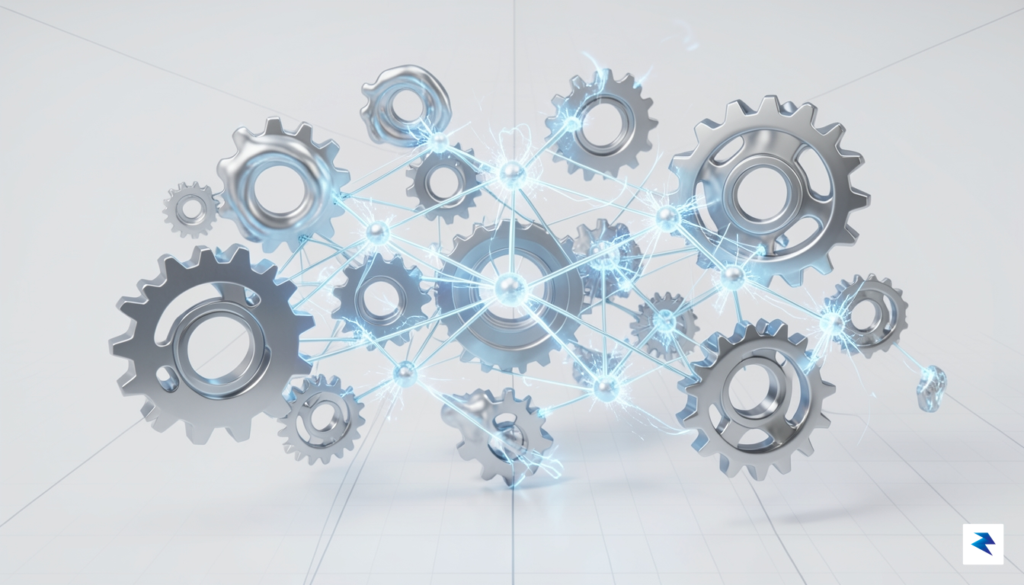
Beyond the initial novelty of having a sophisticated chatbot embedded within a messaging platform, the true value of integrating Claude into Slack lies in the measurable productivity gains that reshape how Australian enterprises function. By collapsing the distance between data retrieval and execution, teams can drastically shorten decision-making cycles. When project managers or developers no longer need to switch contexts between deep-work environments and communication hubs, the friction of daily operations diminishes. Consequently, organizations often report a reduction in time spent on routine administrative tasks, allowing talent to pivot toward higher-value creative and strategic output that directly impacts the bottom line.
For large organizations, knowledge management often remains a persistent bottleneck, particularly as staff turnover introduces gaps in institutional memory. Claude acts as a vital bridge in this regard, functioning as an always-on repository that can synthesize vast amounts of internal documentation, project history, and technical specifications in seconds. New employees are no longer left to navigate complex wikis or wait for colleagues to become available for basic onboarding questions; instead, they can query the AI to understand project precedents or company protocols instantly. This capability democratizes access to information, ensuring that expertise is not siloed within specific departments or held exclusively by long-tenured staff members.

The integration of AI into communication channels transforms the workplace from a repository of static files into a dynamic, interactive knowledge ecosystem where answers are as accessible as a direct message.
The strategic advantage extends further through the development of custom internal agents tailored to specific business requirements. Businesses can fine-tune these AI interactions to adhere to local compliance standards and internal workflows, ensuring that the Claude integration is not just a general-purpose tool, but a specialized team member. For instance, a software engineering department can train an agent to assist with code reviews and documentation, while a marketing team might use it to cross-reference campaign performance data against historical assets. By empowering departments to build these bespoke AI helpers, companies create a more resilient and agile internal structure that can adapt to changing market demands without requiring massive overhead or constant retraining of human resources.
Ultimately, the successful adoption of this technology relies on the measurable speed at which teams can move from inquiry to action. Whether it is a developer troubleshooting a complex integration or a project lead summarizing a week of chaotic thread activity, the ability to process information at scale is a competitive differentiator. As Australian enterprises continue to lean into this shift, the organizations that will thrive are those that view these AI integrations as essential infrastructure rather than mere add-ons, effectively turning their Slack environment into a highly efficient, intelligent command center.
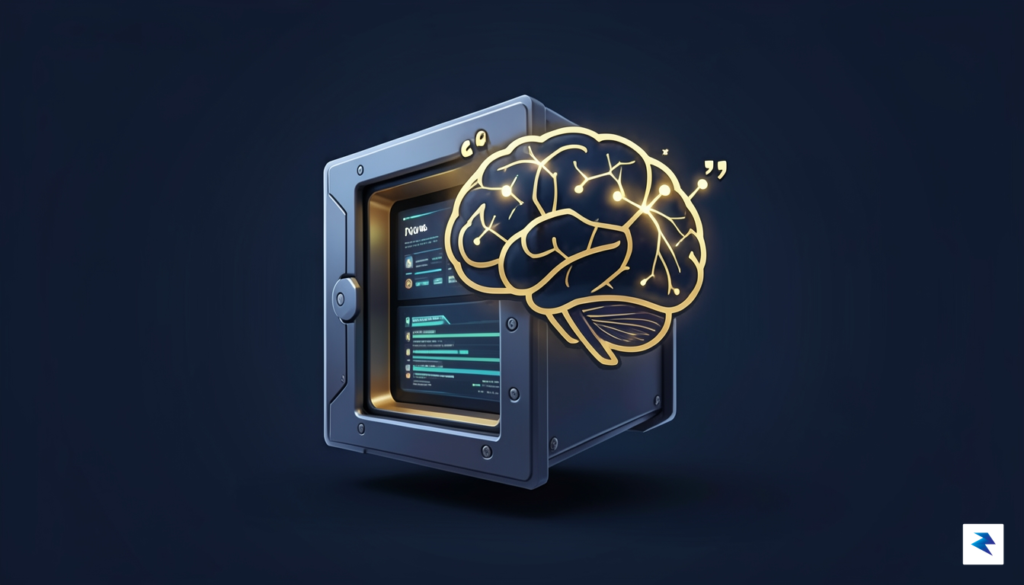
As artificial intelligence shifts from a novelty to a foundational layer of the modern enterprise stack, the conversation surrounding digital transformation has moved beyond mere productivity gains. For Australian organizations, the rapid adoption of tools like Claude within Slack brings the promise of unprecedented efficiency, but it simultaneously necessitates a rigorous approach to security and governance. Executives are increasingly focused on the delicate balancing act between fostering a culture of innovation and maintaining strict adherence to internal data sovereignty, intellectual property (IP) protection, and local regulatory frameworks.

The primary concern for many IT leaders involves the treatment of sensitive corporate information during the AI training lifecycle. Companies must ensure that their proprietary data—ranging from strategic roadmaps to sensitive customer information—is never utilized to train third-party models. Fortunately, the collaboration between Anthropic and Slack is built upon an enterprise-first architecture that prioritizes privacy by design. By leveraging enterprise-grade security protocols, these platforms ensure that input data remains isolated and protected, preventing the risk of internal IP leaking into public model repositories. This commitment to data residency is particularly vital for Australian firms navigating the nuances of the Privacy Act and other regional compliance requirements.
To maintain a competitive edge while minimizing risk, organizations must treat AI implementation not as a “plug-and-play” utility, but as a critical infrastructure project that demands continuous oversight and transparent governance.
For IT managers tasked with overseeing this transition, successful deployment requires a structured approach to risk management. It is no longer enough to simply enable a feature; administrators must actively curate the environment in which these AI tools operate. To ensure a secure and compliant integration, consider the following implementation checklist:
Ultimately, the long-term success of AI integration in the Australian market will be defined by an organization’s ability to demonstrate accountability. By proactively addressing these security concerns, businesses can unlock the full potential of Claude in Slack while ensuring that their institutional intelligence remains protected. As the regulatory landscape continues to evolve, maintaining this proactive stance on governance will not only mitigate risk but also provide the necessary foundation for scaling AI initiatives across the entire enterprise.
You must be logged in to post a comment.