The Strategic Rise of Indonesia in the AI Infrastructure Race

The global race for generative AI supremacy is fundamentally a race for physical infrastructure, and the epicenter of this expansion is undergoing a radical geographic shift. As hyperscalers and specialized AI firms struggle to scale their operations within the constraints of established Tier-1 markets—where power scarcity and prohibitive land costs have created significant bottlenecks—the focus has pivoted toward Southeast Asia. Indonesia, in particular, has emerged as a premier destination for this influx of capital, effectively moving beyond its historical role as an emerging market to become a foundational pillar of the digital economy in the Asia-Pacific region.
This macro-economic migration is driven by a combination of necessity and opportunity. While cities like Singapore have long dominated the regional data center landscape, the sheer scale of compute required for modern AI models demands vast tracts of land and immense, reliable power supplies that are increasingly difficult to secure in mature, land-constrained hubs. Indonesia offers a compelling alternative, providing not only the geographic footprint necessary for massive 360MW installations but also a rapidly maturing energy grid and a cost structure that allows for the long-term sustainability of power-hungry AI training clusters. By capitalizing on these logistical advantages, international developers are essentially betting on the region’s ability to host the backbone of future global AI traffic.
The Indonesian government has been instrumental in catalyzing this transition through a series of proactive digital transformation policies and foreign investment incentives. By streamlining regulatory frameworks and focusing on the development of renewable energy corridors, Jakarta is signaling to the world that it is open for high-tech business. These strategic initiatives are designed to bypass the traditional infrastructure hurdles that have historically plagued large-scale foreign projects. Consequently, firms like Firmus are now finding a business environment that is increasingly aligned with the operational requirements of hyperscale AI infrastructure, balancing the need for rapid deployment with long-term fiscal stability.
The pivot toward Indonesia is not merely a search for lower costs; it is a strategic alignment with the next generation of global internet growth, where power capacity and geographic scalability determine competitive advantage.
Furthermore, the rise of Indonesia as a data hub is intrinsically linked to the country’s burgeoning domestic demand for digital services. As the population becomes more deeply integrated into the global digital ecosystem, the local requirement for low-latency processing and localized data storage has skyrocketed. When combined with the country’s proactive stance on becoming an regional AI powerhouse, these factors create a synergistic effect. It is this unique intersection of domestic market growth and international infrastructure investment that positions the nation as a central node in the global AI supply chain, ensuring that it will play a decisive role in the next decade of technological advancement.
Inside the Firmus 360MW Facility: Technical Specifications and Scale
To comprehend the sheer scale of a 360MW facility, one must first recognize that this is not a traditional data center designed for standard cloud storage or basic enterprise applications. Instead, this site functions as a gargantuan engine for machine learning, architected specifically to house thousands of Nvidia’s most advanced GPU clusters. At this magnitude, the power requirement is equivalent to powering a mid-sized city, yet it is concentrated entirely into the high-density racks required to train complex Large Language Models (LLMs). This leap in power capacity represents a transformative milestone for Indonesia’s digital infrastructure, positioning the nation as a formidable hub for regional high-performance computing (HPC) that can compete with established global markets.
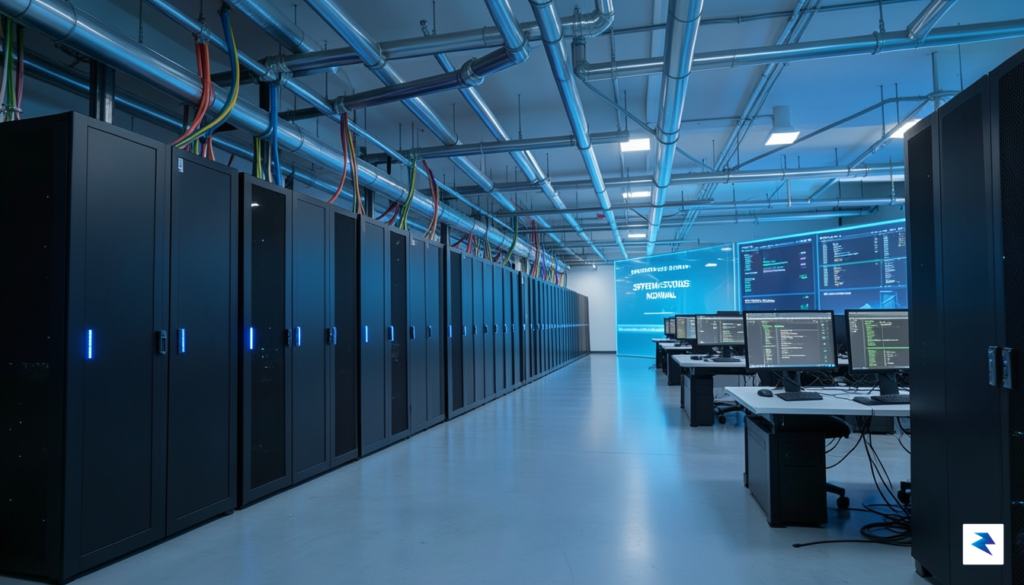
The technical requirements for such a facility go far beyond simple electrical supply. AI workloads of this caliber generate immense heat, necessitating a shift away from traditional air-cooling methods toward sophisticated liquid cooling architectures. Direct-to-chip cooling and rear-door heat exchangers are essential to keep Nvidia’s high-wattage GPUs operating at peak efficiency without thermal throttling. Furthermore, the networking infrastructure must be equally robust; these clusters require ultra-low latency interconnects, such as InfiniBand or specialized high-speed Ethernet fabrics, to ensure that data flows seamlessly across the massive array of processors. Without this specialized physical backbone, the raw power provided by the 360MW capacity could not be effectively harnessed for the parallel processing tasks that define modern AI training.
A 360MW facility is effectively a hyper-scale factory for intelligence, where power density and thermal management are the primary drivers of computational success.
Beyond the hardware, the project signifies a major evolution in how Indonesia manages large-scale digital investments. Supporting 360MW requires an integrated approach to power grid stability and environmental sustainability, as the energy demands of AI are constant and unforgiving. By centralizing this level of capacity, Firmus is creating an environment where developers and researchers can run multi-billion parameter model training jobs that were previously impossible to execute within the region. This facility essentially shrinks the distance between regional innovation and global AI capabilities, providing the necessary compute throughput to fuel the next generation of artificial intelligence applications across Southeast Asia.
Why Batam? Analyzing the Regional Advantage for Data Centers
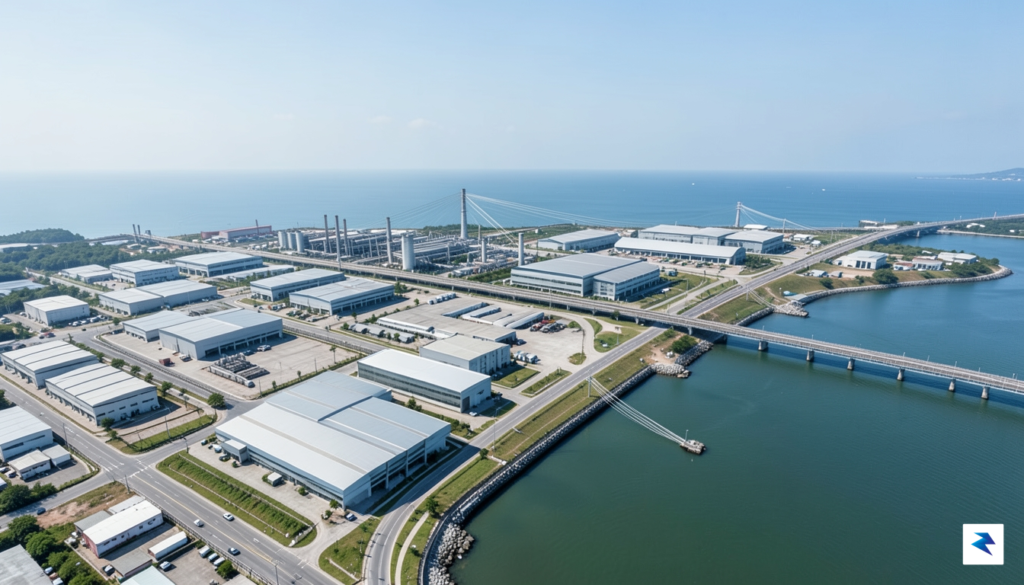
Batam has emerged as a premier destination for large-scale data infrastructure, primarily due to its enviable geographical positioning just across the strait from Singapore. As the Asian data center market experiences unprecedented demand for AI-ready capacity, Singapore’s land and power constraints have pushed operators to look toward its immediate neighbor. By situating facilities in Batam, companies can tap into the robust digital ecosystem of the region while benefiting from the geographical proximity that ensures low-latency connectivity to major global financial and technology hubs. This allows infrastructure to act as a seamless extension of the Singaporean digital landscape, providing the high-speed data transmission necessary for the intensive workloads associated with modern artificial intelligence models.
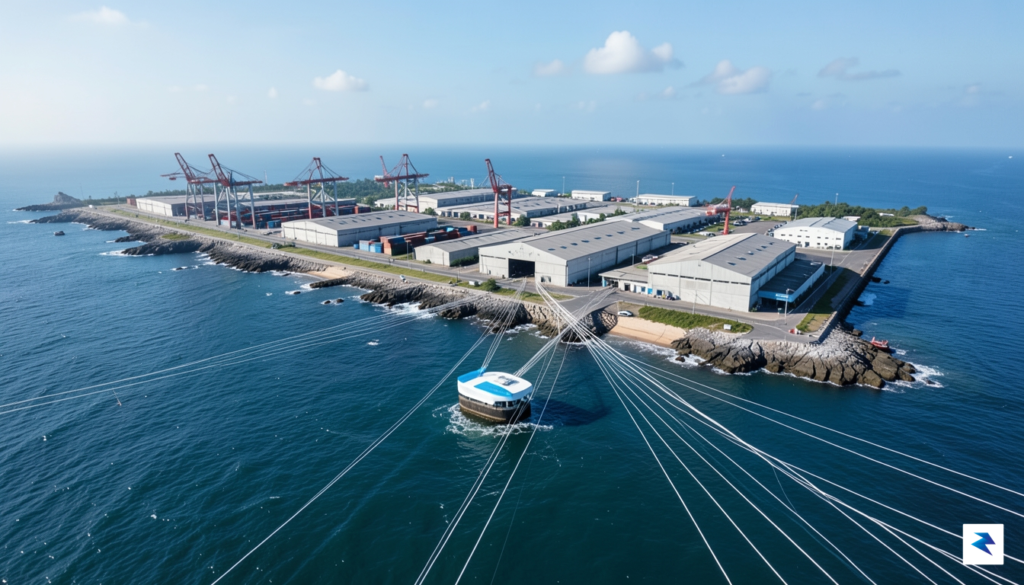
Beyond its location, Batam’s status as a Special Economic Zone (SEZ) serves as a critical catalyst for foreign investment and operational efficiency. The Indonesian government has intentionally structured these zones to provide a streamlined regulatory environment, offering significant tax incentives, simplified import-export procedures for high-tech hardware, and enhanced administrative support for multinational firms. These benefits are particularly vital for projects of this magnitude, as the rapid procurement and installation of specialized high-performance computing hardware—such as Nvidia’s latest GPUs—require a frictionless supply chain. By minimizing bureaucratic friction, the SEZ framework allows developers to accelerate their construction timelines and optimize their operational expenditure, ultimately lowering the barrier to entry for massive 360MW deployments.
Strategic Connectivity and the Global Bridge
The logistical advantage of Batam is further bolstered by its role as a key landing point for major subsea fiber-optic cable systems. These cables serve as the lifeblood of the global internet, and Batam’s integration into these international networks ensures that data can flow between Indonesian markets and the rest of the world with minimal interference. By serving as a bridge between the burgeoning Indonesian digital economy and international cloud service providers, Batam functions as more than just a storage site; it becomes a vital node in the global data transit architecture. This level of connectivity is essential for the future of AI, where the ability to rapidly aggregate, process, and distribute massive datasets across borders will dictate the success of the next generation of technological innovation.
The combination of geographical proximity to Singapore and a dedicated Special Economic Zone framework transforms Batam from a regional industrial hub into a cornerstone of Southeast Asia’s digital future.
Furthermore, the strategic importance of this location cannot be overstated when considering the long-term scalability of AI infrastructure. As energy requirements for data centers continue to climb, Batam’s ability to accommodate massive power loads while maintaining proximity to key talent pools and enterprise customers creates a unique competitive advantage. Developers can leverage the island’s expanding utility infrastructure to support high-density racks that would be difficult to power in more land-constrained urban centers. Consequently, Batam is positioning itself not merely as an alternative to Singapore, but as a complementary partner that provides the necessary capacity and agility to sustain the rapid growth of the AI era in the Asia-Pacific region.
The Nvidia Factor: Powering APAC's Generative AI Ambitions
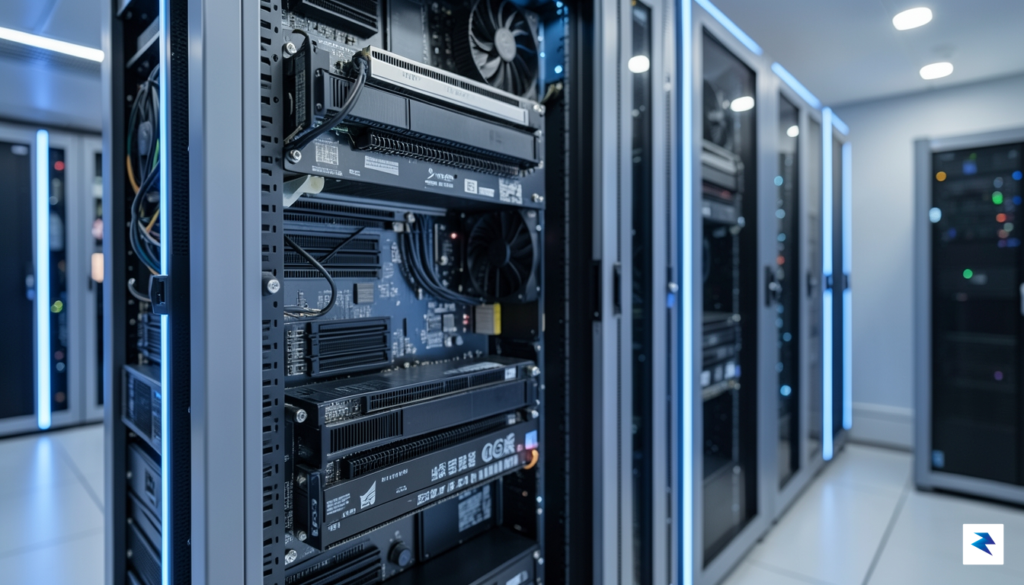
The strategic alliance between Firmus and Nvidia marks a definitive shift in how critical infrastructure is conceptualized across the Asia-Pacific region. In the past, data centers were largely agnostic, designed to house standard rack-and-stack servers that provided general-purpose computing, storage, and networking. However, the rise of generative AI has fundamentally dismantled this approach. Modern AI training demands an unprecedented level of computational density that standard cloud data centers simply cannot provide. By anchoring a 360MW facility around Nvidia’s specialized architecture, Firmus is not merely building a warehouse for servers; they are constructing a high-performance engine specifically tuned to the rigorous thermal and electrical requirements of advanced AI processors.
This transition toward hardware-led data center design is dictated by the unique needs of chips like the Nvidia H100 and the upcoming Blackwell series. Unlike traditional CPUs, these GPUs consume massive amounts of power and generate significant heat, necessitating a complete overhaul of conventional facility layouts. To support the interconnected clusters required for training large language models, the data center must prioritize high-bandwidth, low-latency networking and sophisticated liquid cooling systems that were once considered niche. Consequently, the physical footprint of the facility is now driven by the specific power density needs of these chips, forcing engineers to reconsider floor layouts to maximize airflow and minimize energy loss across the power distribution chain.
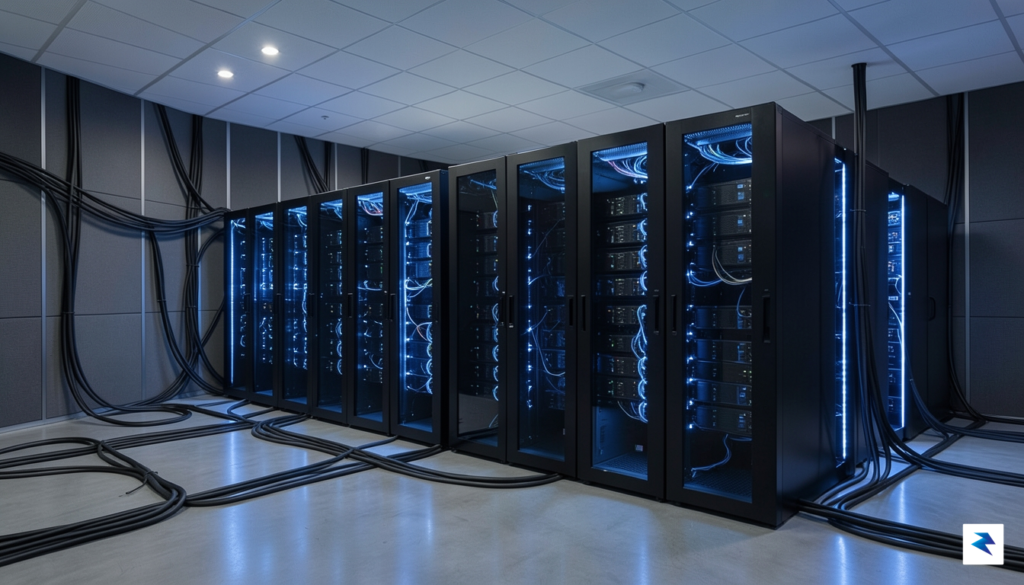
The physical architecture of the modern data center is no longer a secondary consideration; it is the primary enabler of the generative AI revolution, where the hardware dictates the very shape of the building.
Ultimately, this partnership underscores a symbiotic relationship that has become the bedrock of the global AI race. Nvidia provides the specialized silicon that acts as the “brain” for generative models, while operators like Firmus provide the “body”—the physical environment, power capacity, and cooling infrastructure necessary for those chips to function at peak capacity without throttling. For Indonesia, this signifies a significant leap forward in the regional tech landscape. By embedding this level of specialized hardware capability within its borders, the country is positioning itself as a vital node in the global AI supply chain, ensuring that the heavy lifting of machine learning can be performed closer to the end-users and data sources that drive the burgeoning APAC digital economy.
Navigating Challenges: Energy, Policy, and Sustainable Scaling

Scaling a 360MW facility is a monumental undertaking that transcends mere construction; it requires a delicate balancing act between rapid technological expansion and the logistical realities of an emerging economy. The primary hurdle for a project of this magnitude in Indonesia is the procurement of sufficient, reliable renewable energy. While the Indonesian government has expressed clear ambitions to green its power grid, matching the 24/7 baseload requirements of an AI-driven data center with intermittent sources like solar and wind remains a complex engineering challenge. Developers must navigate a transition phase where the national grid is still heavily reliant on traditional thermal power, necessitating innovative Power Purchase Agreements (PPAs) that incentivize the development of new clean energy capacity rather than simply drawing from the existing, carbon-intensive supply.
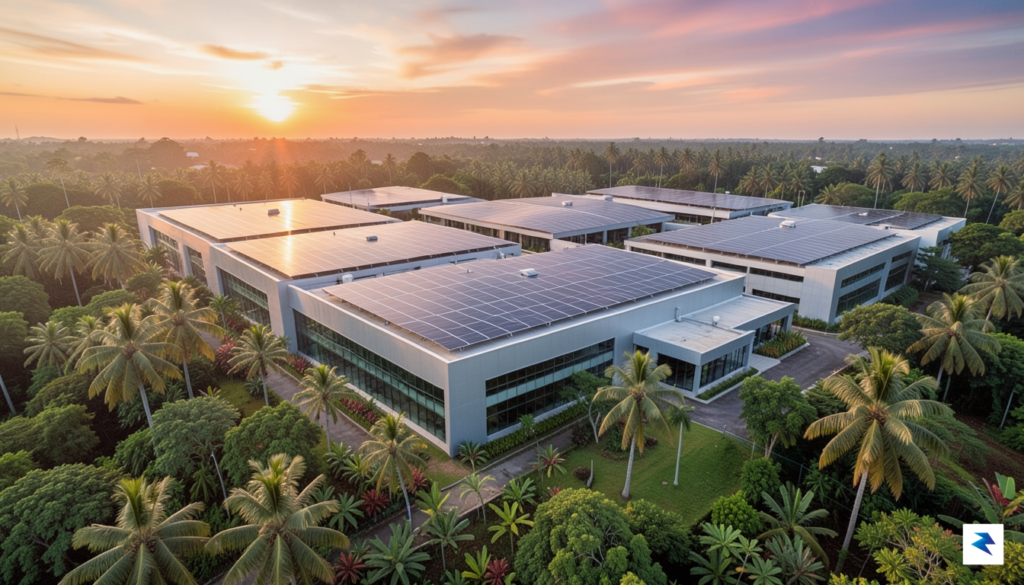
Beyond the energy mix, the integration of such a massive load into the local electrical grid presents significant infrastructure bottlenecks. A 360MW facility consumes power equivalent to a mid-sized city, which can stress local distribution networks that may not have been designed for such concentrated, high-intensity demand. Upgrading substations and high-voltage transmission lines is essential to prevent instability, yet these infrastructure projects often move at a pace slower than the rapid deployment cycles of AI hardware. Consequently, Firmus and similar hyperscale operators are forced to act as partners in national infrastructure development, often investing heavily in grid resilience to ensure that their mission-critical operations are not compromised by localized brownouts or voltage fluctuations.
Success in emerging markets for hyperscale infrastructure depends less on technological prowess and more on the ability to synchronize private capital investment with national utility development cycles.
Regulatory and geopolitical landscapes add another layer of complexity to these massive investments. Indonesia, like many nations in the region, is increasingly focused on data sovereignty and the security of cross-border traffic. As Firmus deploys high-performance computing clusters capable of processing sensitive information, they must strictly adhere to evolving domestic regulations that govern where data is stored, how it is processed, and who holds jurisdiction over the insights generated. Navigating these compliance frameworks requires more than just legal expertise; it demands a transparent, collaborative relationship with local authorities to ensure that the data center serves as a national asset. Ultimately, the long-term viability of this project will be defined by how effectively these technical and regulatory challenges are synthesized into a sustainable, scalable operational model that respects local policy while meeting global performance standards.