The Rise of the 'Temu Experience' in Telehealth
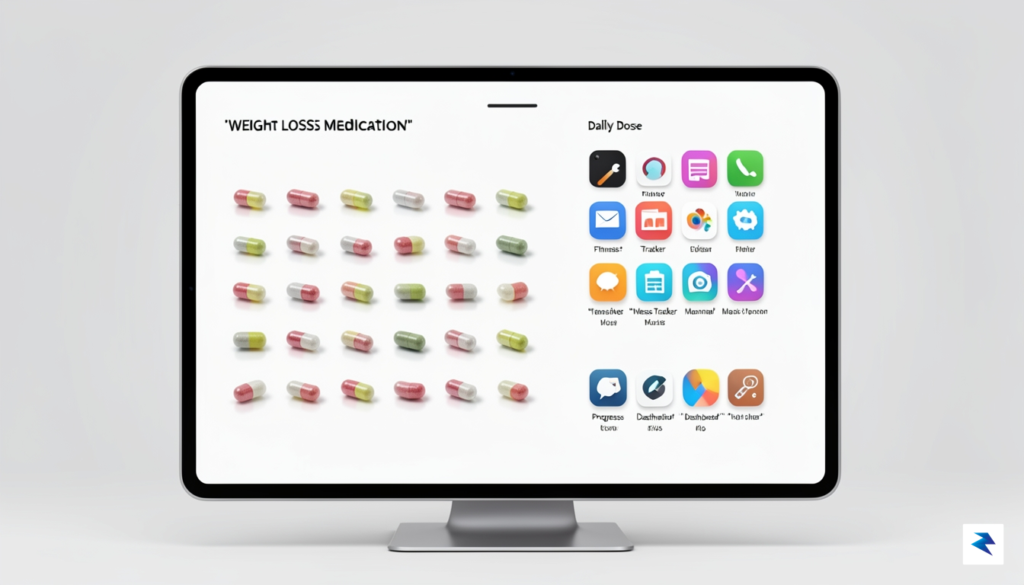
The landscape of weight loss management has undergone a seismic shift, transforming from the traditional, slow-moving model of clinical consultations into a lightning-fast, highly commoditized digital marketplace. What began during the pandemic as a necessary, life-saving tool for remote medical access has rapidly evolved into a retail-like experience, where consumer convenience often takes center stage over the complexities of long-term metabolic health. As GLP-1 medications like Ozempic, Wegovy, and Zepbound dominate the cultural conversation, a new generation of telehealth platforms has emerged to meet this skyrocketing demand. These services promise almost instantaneous access to high-demand drugs through streamlined, app-based interfaces that prioritize speed, efficiency, and near-frictionless user journeys.
This shift has effectively birthed a “turnkey” model for medical care, where third-party providers handle the heavy lifting of logistics, prescribing, and pharmacy fulfillment behind a sleek, user-friendly facade. Much like the experience of browsing a massive e-commerce marketplace, patients can now navigate a menu of wellness services, complete a brief digital assessment, and receive a prescription—often within the span of a single coffee break. This democratization of access has certainly removed many of the archaic barriers that once kept weight loss treatments confined to specialized endocrinology clinics. However, it has also raised fundamental questions about whether this rapid, transactional approach can adequately support patients who are navigating the nuanced physiological and psychological challenges of chronic weight management.
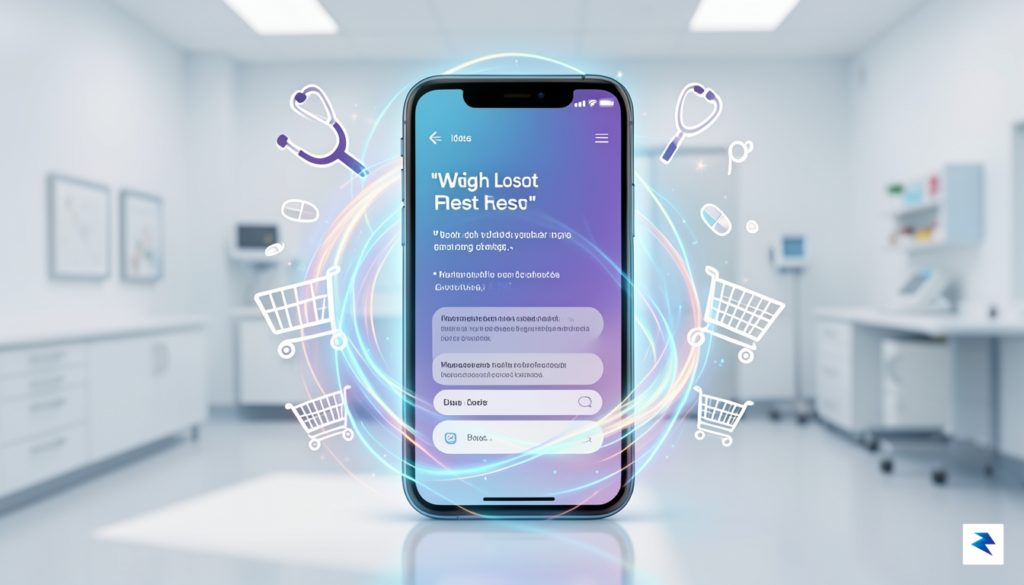
The convenience of the modern telehealth model is undeniable, yet the speed of the digital marketplace often masks the complexity of the medical journey it promises to simplify.
The cultural obsession with GLP-1s has created a vacuum of supply that this “Temu-like” telehealth experience is eager to fill, often prioritizing market share and user acquisition above traditional longitudinal care models. When medical treatment is packaged as a consumer product, the doctor-patient relationship is frequently reduced to a series of asynchronous messages and automated prompts. While these platforms often employ licensed medical professionals, the sheer volume of patients they are designed to process can create a disconnect in care. The inherent risk, therefore, is that the pursuit of a “one-click” solution may inadvertently overlook the importance of comprehensive blood work, regular monitoring of side effects, and the psychological counseling often required to turn short-term medication use into a sustainable lifestyle change.
Ultimately, the rise of these platforms reflects a broader societal shift in how we approach healthcare: we now demand that our medical interventions be as responsive and accessible as our retail delivery services. While this digital gold rush has undoubtedly provided a gateway for many who were previously ignored by the medical system, it forces us to confront a difficult reality. Can a system built for speed and high-volume retail logistics truly provide the depth of care necessary for managing potent, long-term pharmaceutical interventions, or are we sacrificing long-term patient safety at the altar of instant gratification?
The Mechanics of Turnkey Telehealth Platforms
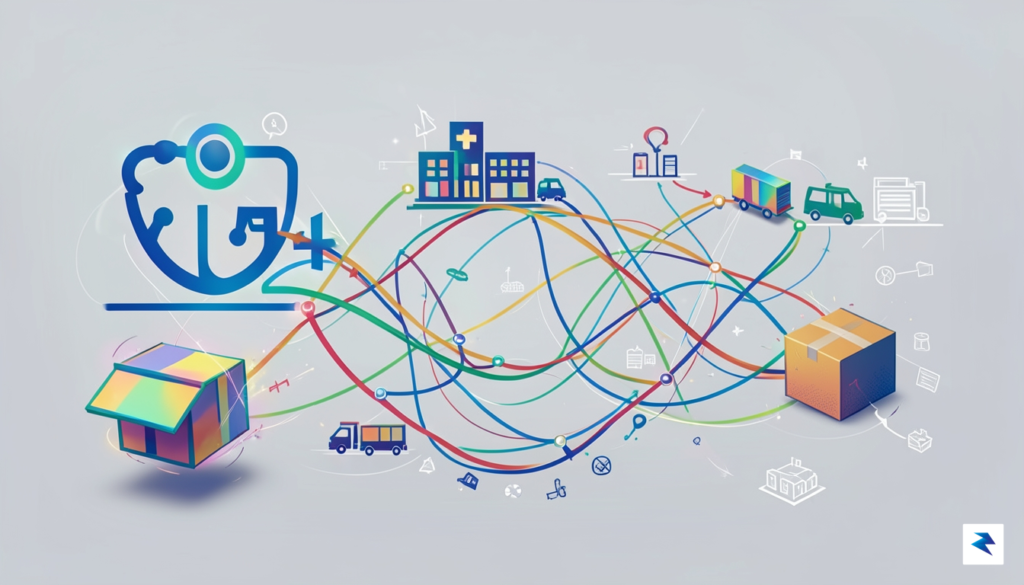
At the heart of the modern GLP-1 explosion is a sophisticated, behind-the-scenes infrastructure that functions more like a Silicon Valley software company than a traditional medical office. Many of the sleek, branded weight-loss apps you encounter on social media are not actually clinics in the brick-and-mortar sense; rather, they are “white-label” platforms. In this business model, entrepreneurs license pre-built software suites that include integrated pharmacy networks, patient intake forms, and electronic health record (EHR) systems. By outsourcing the technical and logistical heavy lifting to these third-party vendors, an influencer or a startup founder can effectively launch a virtual “clinic” in a matter of weeks, transforming what was once a highly regulated, hands-on medical process into a high-volume, automated subscription service.
The efficiency of these platforms relies on a complex web of middlemen who bypass the traditional, slow-moving gatekeepers of the healthcare system. Instead of waiting months for a specialist referral or navigating the bureaucratic hurdles of insurance-mandated weight loss programs, users are funneled through a proprietary digital interface. This interface acts as the primary point of contact, collecting health data through standardized questionnaires that are designed to verify clinical eligibility for GLP-1 medications almost instantaneously. Once the data is processed, the platform acts as a digital broker, matching the prospective patient with a remote, contract-based prescriber—often a nurse practitioner or physician assistant—who may be operating hundreds of miles away, perhaps reviewing dozens of patient files in a single sitting.
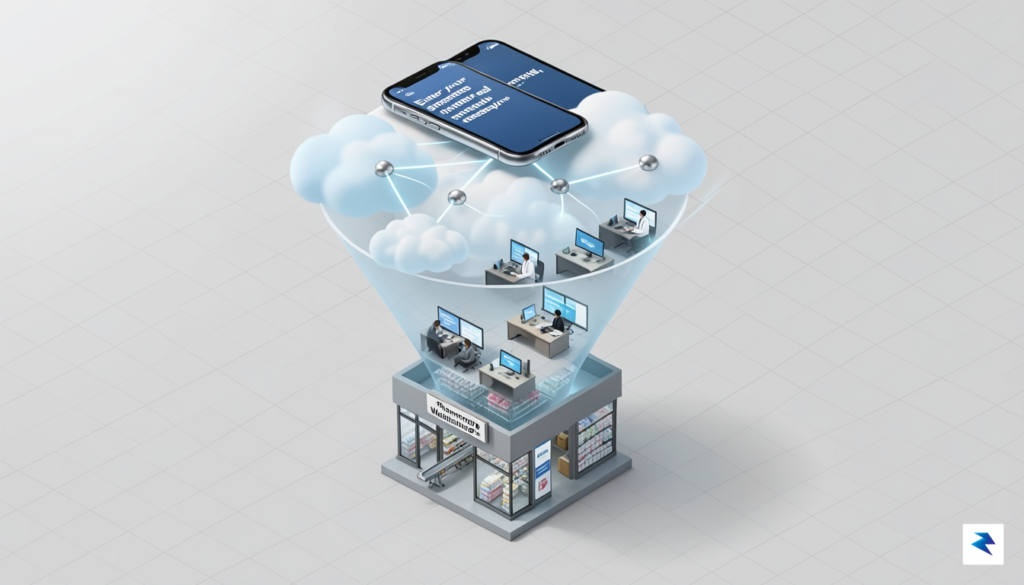
The distinction between a traditional medical practice and these high-volume digital providers is stark. In a classic clinical setting, care is often longitudinal, characterized by ongoing, face-to-face rapport and a deep, historical understanding of a patient’s unique health narrative. Conversely, these turnkey platforms prioritize speed and scalability, treating the prescription of medication as a transactional milestone. Because these businesses operate on a subscription model, their financial success is tethered to patient retention and the seamless fulfillment of prescriptions. This creates a powerful incentive to remove friction from the patient journey, which, while convenient, can sometimes result in a “checkbox” approach to medical oversight where the nuances of long-term metabolic health are secondary to the recurring revenue of the monthly service fee.
The commoditization of medical oversight means that the quality of care is no longer dependent on a local doctor’s practice, but on the digital guardrails and algorithmic vetting processes established by the platform’s architects.
Ultimately, this model has democratized access to trendy weight-loss drugs, but it has also stripped away the traditional barriers that once served as a filter for appropriate usage. By shifting the burden of care from a physical clinic to a remote, tech-driven ecosystem, these companies have turned healthcare into a scalable product. While this offers unprecedented convenience for the consumer, it simultaneously shifts the responsibility of safety onto the platform’s internal policies, raising critical questions about how we define “medical necessity” when it is filtered through an app designed for maximum efficiency.
Navigating the Risks of Unregulated Access
The meteoric rise of digital health platforms has democratized access to once-exclusive weight loss medications, yet this convenience comes at a precarious cost. When the traditional, long-term patient-provider relationship is replaced by a digital interface designed for rapid throughput, the medical nuance required for managing complex metabolic health often falls by the wayside. The primary danger of these “rubber-stamp” prescription models lies in the lack of consistent, longitudinal oversight. GLP-1 medications are not merely quick fixes; they are potent hormonal agents that alter how the body processes glucose and signals hunger, requiring careful titration and ongoing monitoring to ensure both efficacy and safety.

Without a local primary care physician or a dedicated specialist overseeing the process, patients are often left to navigate potential side effects—ranging from persistent nausea and gastrointestinal distress to more severe, albeit rarer, complications like pancreatitis—in isolation. In a decentralized, transactional model, there is a significant risk that subtle red flags are missed by clinicians who do not have access to the patient’s complete medical history or a long-term view of their metabolic markers. A brief online questionnaire simply cannot replicate the depth of a physical examination or the nuanced conversation that occurs during an in-person follow-up. When health becomes a product to be delivered via a subscription service, the emphasis often shifts from holistic patient wellness to the speed of the transaction, leaving the patient vulnerable to gaps in care.
True metabolic health is not found in a single prescription refill, but in the sustained integration of medication, lifestyle changes, and rigorous medical oversight.
Furthermore, the absence of a local point of contact creates a dangerous vacuum when emergencies arise. If a patient experiences an adverse reaction, they may find themselves struggling to reach a human being who understands their specific clinical trajectory, rather than an automated chat system or a revolving door of temporary providers. Long-term success with GLP-1 therapy requires more than just drug adherence; it demands a structured support system that tracks progress, adjusts dosages based on metabolic response, and integrates behavioral health modifications. By prioritizing rapid access over the traditional standard of care, the current digital gold rush risks turning a powerful medical tool into a high-stakes gamble for the many users who lack the guidance necessary to use it safely and sustainably.
The Intersection of Social Media and Medical Prescriptions
The modern landscape of weight loss has undergone a seismic shift, migrating from the private confines of a doctor’s office to the hyper-visible world of social media feeds. Today, the “Temu experience” of telehealth is inextricably linked to an ecosystem where algorithms dictate our health priorities as much as our personal choices. Influencers, ranging from lifestyle vloggers to political commentators, have become the primary conduits for GLP-1 awareness, often discussing these potent medications with the same casual tone used for high-end skincare or athletic wear. This normalization process is powerful; by framing powerful metabolic drugs as a simple “life hack” or a routine wellness ritual, content creators effectively strip away the clinical gravity typically associated with prescription medication.
This integration of medical marketing into non-medical spaces creates a profound ethical dilemma that regulators are struggling to address. When a prescription drug is promoted alongside sponsored content for fashion or travel, the line between evidence-based medical advice and commercial persuasion becomes dangerously porous. Viewers are rarely equipped to distinguish between a creator who is sharing a genuine, medically supervised journey and one who is merely fulfilling a contractual obligation to sell a telehealth subscription. Consequently, the patient-doctor relationship is increasingly bypassed in favor of a streamlined, click-through model where the primary incentive is often the conversion rate rather than patient long-term health outcomes.
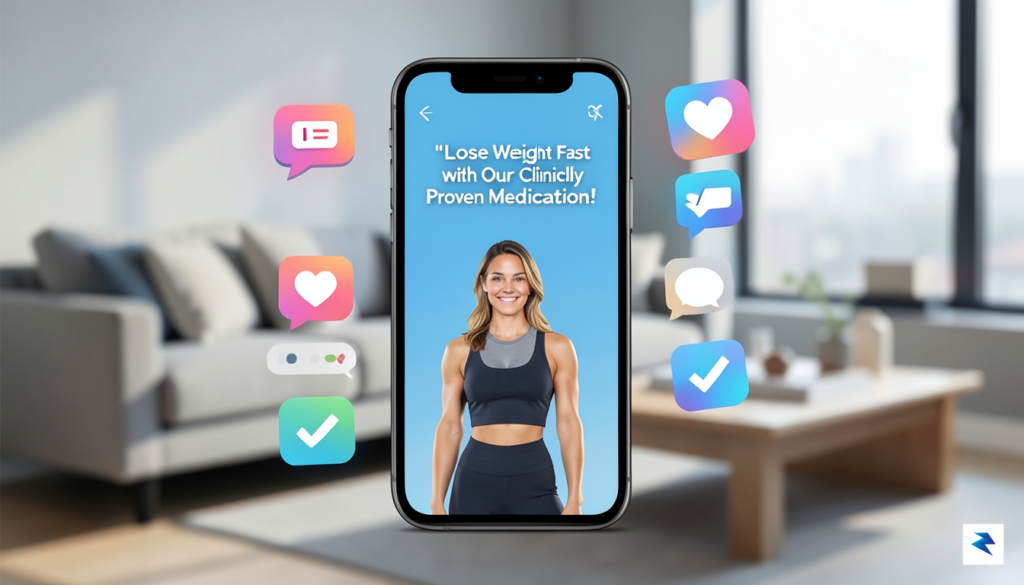
The commodification of GLP-1s through social media channels risks transforming complex metabolic management into a one-size-fits-all consumer trend, often ignoring the nuanced medical histories required for safe usage.
Furthermore, these digital platforms excel at exploiting specific insecurities, utilizing sophisticated behavioral targeting to reach individuals at their most vulnerable moments. Algorithms track engagement with body-image-focused content, subsequently serving users ads for telehealth platforms that promise rapid, effortless results with minimal friction. This targeted approach encourages impulsive medical decisions, nudging individuals to seek prescriptions based on an idealized digital aesthetic rather than a comprehensive assessment of their metabolic health. By turning the path to a prescription into a seamless, frictionless transaction, these platforms discourage the critical reflection necessary for starting a long-term medical treatment, ultimately prioritizing rapid market expansion over the foundational principles of patient safety.
Ultimately, the marriage of influencer culture and digital health has created a high-stakes environment where medical necessity is frequently overshadowed by social pressure. As these medications become inextricably tied to social status and digital visibility, the risk of misuse grows, particularly among populations who may not actually meet the clinical criteria for treatment. Navigating this new reality requires a heightened level of digital literacy, as consumers must learn to view the “miracle” testimonials seen on their screens with the same critical eye they apply to any other aggressive marketing campaign.
Protecting Patients in the Era of Convenience Healthcare

As the digital marketplace for weight loss medications becomes increasingly crowded, the responsibility of ensuring medical safety has shifted largely onto the consumer. Navigating this landscape requires more than just a credit card and an internet connection; it demands a high level of health literacy and a cautious approach to digital clinical encounters. Before committing to any telehealth platform, prospective patients should treat the vetting process with the same rigor they would apply to choosing a surgeon. A reputable provider will always prioritize a comprehensive medical history review, including blood work and a discussion of potential contraindications, rather than promising an immediate prescription through a simplified intake form.
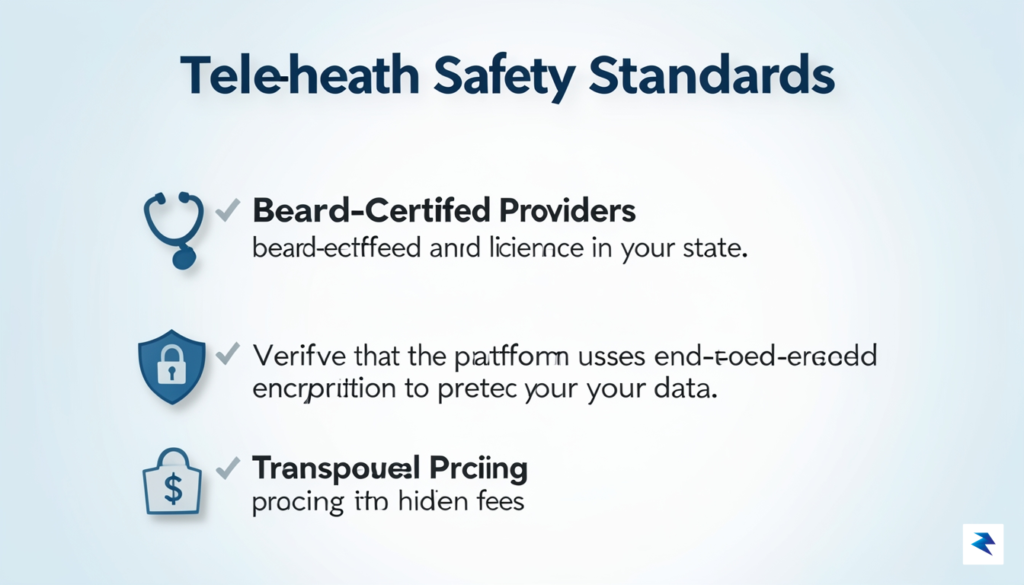
Vetting Your Provider: A Consumer’s Checklist
To protect yourself from predatory practices, start by verifying the credentials of the practitioner listed on the platform. Ensure the prescribing clinician is board-certified and licensed to practice medicine in your specific state of residence. Beyond credentials, look for transparency regarding the origin of the medication; reputable services will clearly state whether they are prescribing FDA-approved brand-name drugs or utilizing compounding pharmacies. If a site uses aggressive marketing tactics, guarantees specific weight loss percentages, or lacks a clear avenue for direct communication with a licensed medical professional, these are significant red flags that suggest the platform prioritizes profit over patient outcomes.
True medical weight management is a marathon, not a sprint. The most effective programs integrate medication into a broader framework of nutritional counseling, mental health support, and consistent monitoring by a clinical team that understands your unique health history.
The Essential Role of Your Primary Care Physician
Even if you choose to utilize a specialized telehealth service, your primary care physician (PCP) should remain the central hub of your health data. Integrating GLP-1 therapy into your existing medical record ensures that your primary doctor can monitor for potential drug interactions or systemic side effects that a remote provider might miss. If a telehealth platform discourages you from informing your PCP about your treatment, you should view this as a primary indicator of an unethical operation. Maintaining open lines of communication with a doctor who knows your long-term health history is the most effective safeguard against the complications associated with rapid, unsupervised medical interventions.
Ultimately, the goal of any weight loss intervention should be sustainable health, not merely the rapid shedding of pounds. Prioritizing long-term stability means looking for programs that offer a clear “exit strategy” or a maintenance plan once the target weight is reached. Reputable clinical organizations, such as those listed through the Obesity Medicine Association or the Endocrine Society, offer directories for finding providers who adhere to evidence-based standards of care. By slowing down to verify the legitimacy of your care team and keeping your primary doctor in the loop, you transform the convenience of telehealth into a safe, effective tool for your personal health journey.