
Meta’s New Cloud Play: Monetizing Excess AI Compute Power
Meta's Strategic Pivot into Cloud Infrastructure Meta, a company synonymous with social networking and virtual worlds, has quietly been…

The recent security incident involving Aflac Japan has sent shockwaves through the financial sector, serving as a stark reminder of the vulnerabilities inherent in modern digital infrastructures. Aflac, a global powerhouse in the supplemental insurance market, confirmed that an unauthorized party gained access to its systems, potentially exposing the sensitive information of approximately 4.38 million customers and agents. This discovery was not the result of a sudden system collapse but rather the culmination of a sophisticated intrusion that forced the company to initiate an immediate and comprehensive forensic investigation. By identifying irregular patterns of data access within its internal networks, Aflac’s security teams were able to pinpoint the breach, effectively isolating the affected segments to prevent further unauthorized exfiltration.
The scale of this exposure is significant, involving a vast array of personal data points that could range from policy details to personal identification information. While the insurance giant has worked diligently to contain the threat, the sheer volume of 4.38 million affected individuals highlights the massive target that financial institutions represent for global cyber-threat actors. In an era where digitized economy operations are the standard, the ability to store and process consumer information securely has become a primary operational challenge. This incident is particularly sensitive given Japan’s stringent data privacy landscape, where the protection of personal information is held to an exceptionally high regulatory standard.
The breach at Aflac Japan underscores a critical reality: in a globally connected insurance market, the integrity of customer data is as vital as the financial solvency of the company itself.
For a global audience, this breach serves as a case study in the necessity of proactive cybersecurity hygiene and the complexities of regulatory compliance across international borders. As data privacy laws continue to evolve—ranging from the European Union’s GDPR to Japan’s Act on the Protection of Personal Information—organizations are finding that the cost of a single security lapse extends far beyond the immediate technical remediation. It involves navigating complex legal frameworks, managing long-term reputational damage, and rebuilding the foundational trust that allows financial services to function. Ultimately, this event is a potent signal to corporations worldwide that the digital transformation of financial services must be matched by an equally robust evolution in threat detection and data governance strategies.
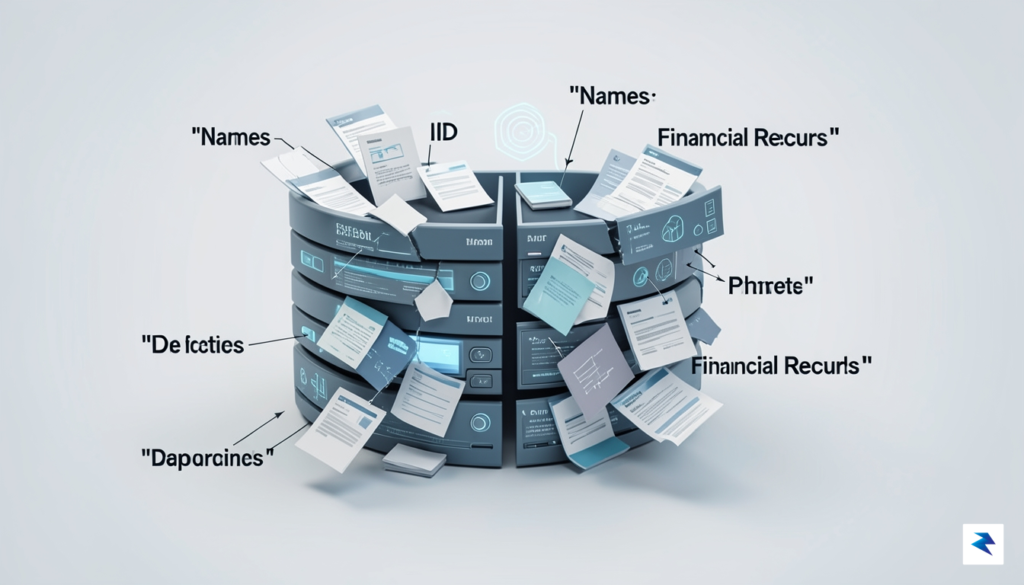
The scope of the Aflac Japan security incident is extensive, affecting approximately 4.38 million customers and exposing a wide array of sensitive personal information. To understand the gravity of this situation, it is necessary to categorize the compromised data, which spans from basic identification markers to highly specific financial and insurance-related records. Primarily, the stolen datasets include customer names, addresses, and individual insurance policy numbers. In many instances, the exposure also extends to bank account information and specific details regarding the insurance products held by the victims. This combination of personal and financial data creates a comprehensive profile that can be weaponized by malicious actors if handled without extreme caution.
The potential risks resulting from this breach are multifaceted, moving well beyond simple data exposure. When cybercriminals possess both identity information and banking details, the threat of financial fraud increases significantly. Victims should be particularly wary of unauthorized attempts to access or modify their insurance accounts, as attackers could potentially leverage policy information to initiate fraudulent claims or alter coverage details. Furthermore, the inclusion of banking information provides a direct pathway for bad actors to attempt unauthorized transactions or account takeovers, necessitating immediate vigilance regarding any unusual activity on your financial statements.
The primary danger following a large-scale breach is not just the initial leak, but the secondary wave of targeted attacks that often follows, such as spear-phishing or identity impersonation.
Beyond direct financial theft, victims are at an elevated risk for sophisticated phishing campaigns. Because the attackers now hold specific details about your relationship with the insurance provider, they can craft highly convincing fraudulent communications. These might appear as legitimate emails, phone calls, or text messages that reference your specific policy number or insurance plan to gain your trust. By impersonating customer support agents or official company representatives, these criminals attempt to solicit additional sensitive information, such as passwords or social security numbers, which were not necessarily part of the original breach. Recognizing that your information is in the hands of third parties is the first step toward safeguarding your digital identity against these evolving threats.
Ultimately, the exposure of such granular data serves as a stark reminder of the importance of proactive identity monitoring. It is essential for all impacted individuals to treat any communication regarding their insurance or banking with a healthy dose of skepticism. By understanding exactly what was compromised—ranging from static identifiers like your address to dynamic financial identifiers like bank account numbers—you can better prioritize which accounts to secure first and which monitoring services will provide the most effective protection against identity theft and unauthorized fraud.
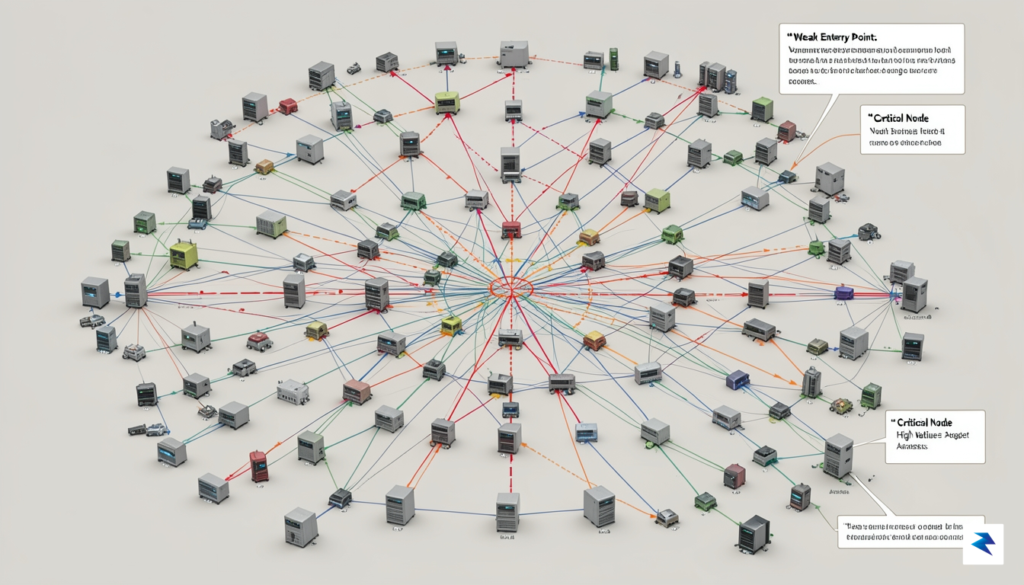
The recent security incident involving Aflac Japan serves as a sobering reminder that in the modern digital ecosystem, an organization’s security posture is only as strong as its weakest link. When dealing with complex insurance infrastructures, data often flows through a labyrinth of legacy systems, interconnected databases, and external service providers. These third-party vendors, while essential for operational efficiency, frequently expand the attack surface, creating entry points that are outside the direct control of the primary firm. The failure here often lies not in a lack of internal effort, but in the oversight of the supply chain, where insufficient vetting or lax security standards among partners allow vulnerabilities to persist undetected for far too long.

To mitigate these risks, organizations must shift away from the traditional “perimeter-based” security model, which assumes that everything inside the corporate network is safe. Instead, the implementation of a Zero Trust architecture is no longer a luxury but a fundamental necessity. This paradigm operates on the principle of “never trust, always verify,” requiring strict identity authentication for every person and device attempting to access resources on a private network, regardless of whether they are sitting within the office or connecting via a third-party gateway. By compartmentalizing data and enforcing the principle of least privilege, companies can ensure that if one vendor or system is compromised, the breach remains contained rather than cascading into a catastrophic loss of millions of customer records.
The core of modern data hygiene is the realization that third-party risk is synonymous with internal risk; without rigorous, continuous auditing of all external touchpoints, an organization effectively operates in the dark.
Furthermore, regular security audits must evolve from static, yearly checklists into dynamic, ongoing processes. Many legacy systems are particularly susceptible to breaches because they were designed during an era when cyber threats were far less sophisticated, often lacking the encryption protocols or patching capabilities required to defend against today’s automated exploits. Organizations must prioritize the modernization of these outdated infrastructures, ensuring that data is encrypted both at rest and in transit. By coupling these technical upgrades with proactive, automated monitoring and stringent third-party risk assessments, companies can bridge the gaps in their defenses. Ultimately, the lesson from this incident is clear: security is a continuous commitment to visibility, rigorous verification, and the relentless pursuit of hardening every link in the digital chain.
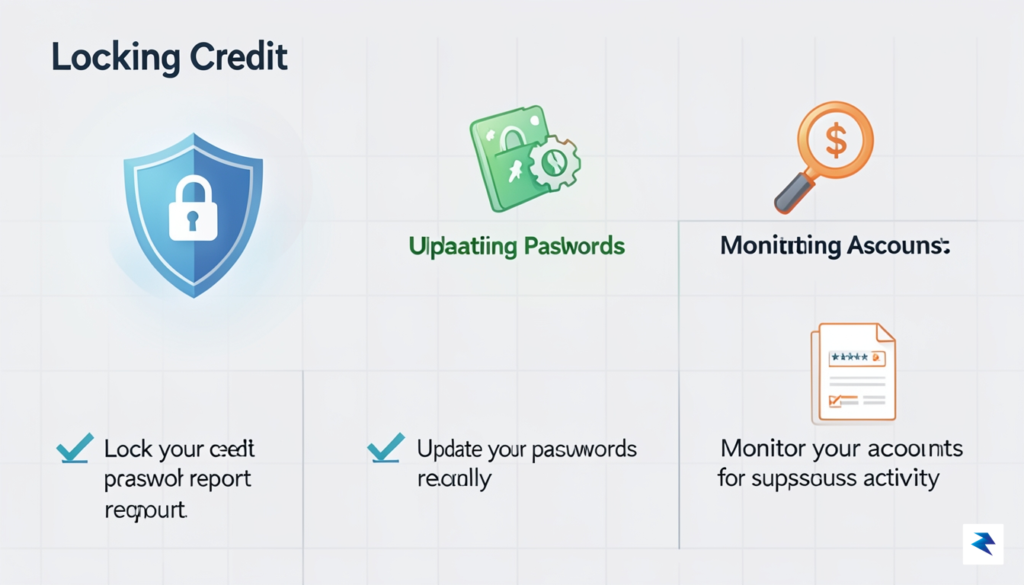
If you have received notification that your personal information was involved in the Aflac Japan incident, it is natural to feel a sense of urgency. However, the most effective response is a calm, methodical approach to securing your digital footprint. Rather than reacting with panic, you should treat this as a signal to tighten your personal security infrastructure across all your financial and insurance accounts. By taking these proactive measures immediately, you can significantly reduce the window of opportunity for bad actors to exploit your data.

The first and most critical action is to review your financial statements with extreme scrutiny. Check your bank and credit card activity for any unauthorized transactions, no matter how small; often, cybercriminals test stolen credentials with minor charges before attempting larger thefts. Furthermore, you should immediately enable multi-factor authentication (MFA) on every account associated with your personal data. If a specific service does not offer MFA, consider moving your assets to a more secure institution. This additional layer of protection acts as a vital barrier, ensuring that even if an attacker has your password, they cannot gain entry without a secondary verification code.
Key Takeaway: Enable multi-factor authentication (MFA) across all your financial, email, and insurance portals today. This is the single most effective way to prevent unauthorized access to your accounts.
Beyond your immediate account activity, you must keep a watchful eye on your broader financial health. Request a copy of your credit report and look for any unfamiliar accounts, loans, or inquiries that you did not initiate. Because your data may be circulating on the dark web, identity thieves often attempt to open lines of credit in your name long after the initial breach occurs. Setting up a fraud alert through a credit reporting agency can provide an early warning system, making it significantly harder for criminals to open new accounts using your stolen identity.
Finally, be hyper-vigilant against targeted phishing attempts. Cybercriminals are opportunistic and often use recent breaches as a pretext to send sophisticated, personalized emails or messages designed to trick you into revealing further sensitive information. If you receive any communication that claims to be from Aflac or another financial service provider, do not click on embedded links or download attachments. Instead, navigate directly to the official company website by typing the address into your browser manually, or call their verified customer service number to confirm the validity of the request. By maintaining this skeptical mindset, you can effectively neutralize the risk of secondary attacks.

The recent security incident at Aflac serves as a definitive wake-up call for the insurance industry, signaling that the traditional perimeter-based defense models are no longer sufficient against modern, persistent threats. As insurers hold some of the most sensitive personal and financial data in existence, they have become prime targets for sophisticated cybercriminals. To maintain long-term customer trust, the industry must fundamentally shift its strategy from reactive patching to a proactive, “privacy-by-design” architecture. This approach necessitates that data protection is not an afterthought or an add-on feature, but rather a foundational element embedded into every digital product and service workflow from the initial development stage.
Central to this evolution is the integration of advanced artificial intelligence and machine learning technologies capable of real-time threat hunting. Unlike legacy security software that relies on known signatures of past attacks, modern AI-driven systems can analyze vast datasets to identify anomalous behavioral patterns that suggest a breach is in progress. By monitoring network traffic and user access in real-time, these systems can isolate potential threats before they escalate into large-scale data exfiltration events. Furthermore, the industry must adopt more rigorous, enterprise-wide encryption standards that ensure data remains unreadable and useless to unauthorized parties, even in the event of a successful intrusion into the network.

Regulatory pressure is poised to accelerate these changes, as governments worldwide respond to the increasing frequency of high-profile data leaks by implementing stricter compliance mandates. We can expect to see enhanced oversight that requires insurance firms to provide more frequent audits and demonstrate higher levels of technical maturity in their cybersecurity posture. Companies that view these regulations merely as a checklist to satisfy will likely struggle, whereas those that adopt them as a baseline for superior data stewardship will find a competitive advantage in the marketplace. Transparency in corporate communication will be the ultimate differentiator during this transition; when a breach does occur, customers demand clear, honest, and actionable information about what happened and how their personal information is being protected moving forward.
True security in the digital age is measured not by the absence of threats, but by the resilience of the systems that defend against them and the integrity with which a company communicates during a crisis.
Ultimately, the insurance sector must cultivate a culture where cybersecurity is viewed as a shared responsibility rather than solely an IT department concern. By fostering deep transparency and consistently investing in the next generation of data defense, insurers can move past the shadow of current incidents. Restoring and maintaining the bond of trust with millions of policyholders requires a steadfast commitment to evolving at the same pace as the adversaries they face, ensuring that personal data remains a private asset rather than a vulnerable commodity.
You must be logged in to post a comment.