
Digital Movies Vanishing: Why Your PlayStation Purchases Aren’t Really Yours
The Illusion of Digital Ownership For decades, the physical act of purchasing a DVD or Blu-ray instilled a concrete sense of possession; when…
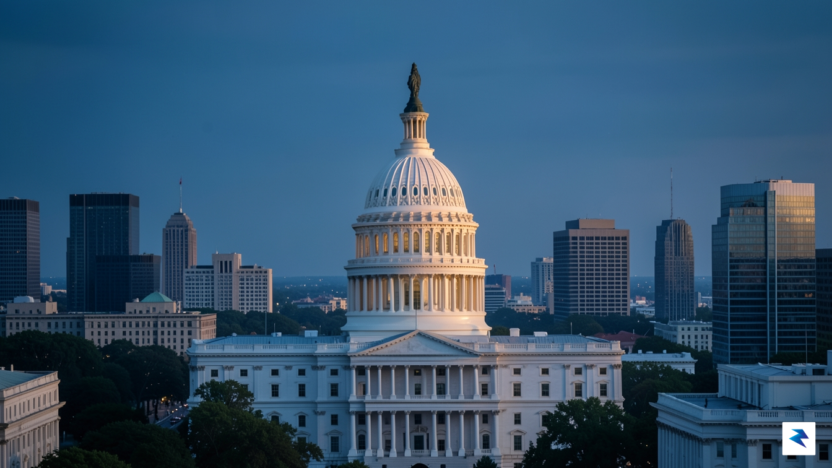
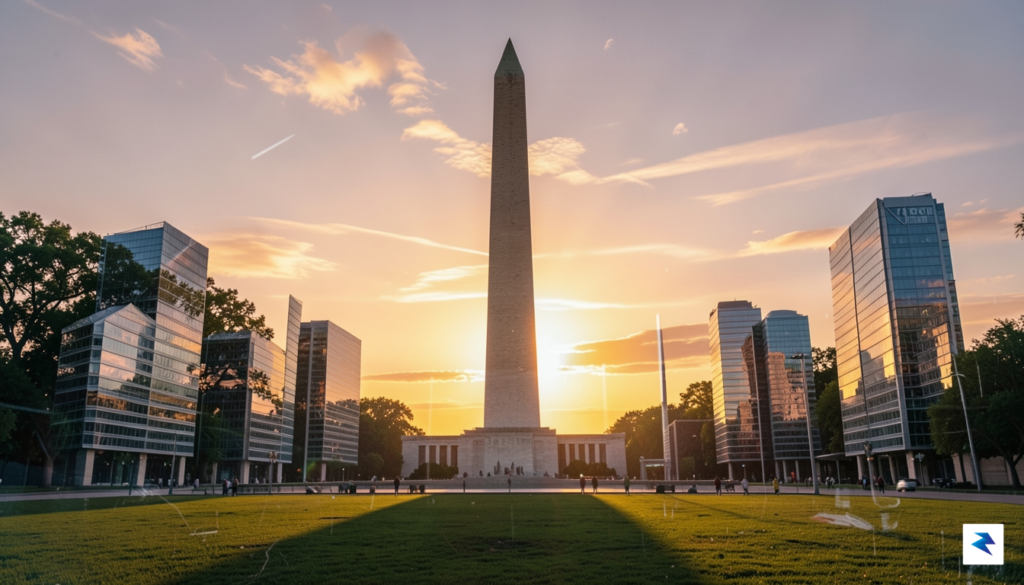
Washington, D.C., has long been a city whose very stones speak of history, democracy, and classical ideals. Its monumental core, characterized by neoclassical architecture, grand boulevards, and carefully curated green spaces, was designed to evoke stability, permanence, and a continuity with ancient republics. Yet, in recent years, this deeply ingrained architectural and symbolic identity has experienced a palpable shift, reflecting an administrative era intent on imprinting its own distinct vision upon the nation’s capital. The tension between preserving this hallowed historical fabric and the desire for a modern, dominant aesthetic has become a defining characteristic of this transformation.
This dynamic was perhaps most overtly articulated through specific executive actions regarding federal building styles. The previous administration, for instance, issued directives that explicitly favored classical architectural styles for new federal buildings, effectively discouraging more contemporary designs. This wasn’t merely an aesthetic preference; it was a deliberate policy choice aimed at projecting a particular image of gravitas and traditionalism, a conscious departure from modernism which was often critiqued as lacking in dignity or failing to inspire civic pride. Such mandates extended beyond new constructions, influencing renovations and even the discourse around the aesthetic integrity of existing structures, thereby creating a profound dialogue about what constitutes appropriate public architecture in a city steeped in historical grandeur.
Beyond architectural mandates, the symbolic importance of the city’s myriad monuments and public spaces also underwent a re-evaluation and, in some cases, a re-purposing. The National Mall, for example, traditionally a site for protest, celebration, and reflection, saw an increased emphasis on its role as a stage for large-scale administrative events and rallies, particularly during national holidays. This adaptation of iconic spaces for specific political messaging subtly altered their perceived function, shifting from purely civic or commemorative roles to serving as backdrops for projecting administrative power and public support. The maintenance and presentation of these monuments also became focal points, with discussions often revolving around their historical narratives and how they ought to be interpreted or highlighted in the present day.
Furthermore, the physical layout of the city was adapted in ways that underscored a new administrative era. Security perimeters around key government buildings, most notably the White House, were visibly enhanced and sometimes expanded, fundamentally altering public access and interaction with these symbols of power. Roads were routinely closed, barriers erected, and public areas once freely accessible became more controlled zones. These physical alterations, while often justified by security concerns, also inadvertently served to create a greater sense of separation between the government and the populace, reflecting a broader administrative posture. The very pathways and sightlines, designed centuries ago to connect the branches of government and the people, were subtly reconfigured, adding a layer of physical and symbolic distance.
Ultimately, Washington, D.C., remains a city of profound historical weight, but its recent past has seen it grapple with a significant redefinition. The changes, whether through architectural preferences, the re-contextualization of monuments, or the adaptation of public spaces for new purposes, reflect a deliberate effort to project a particular image of governance and national identity. These physical and symbolic renovations have left an indelible mark, prompting ongoing discussions about how the nation’s capital should look, feel, and function as a representation of American ideals in the 21st century.
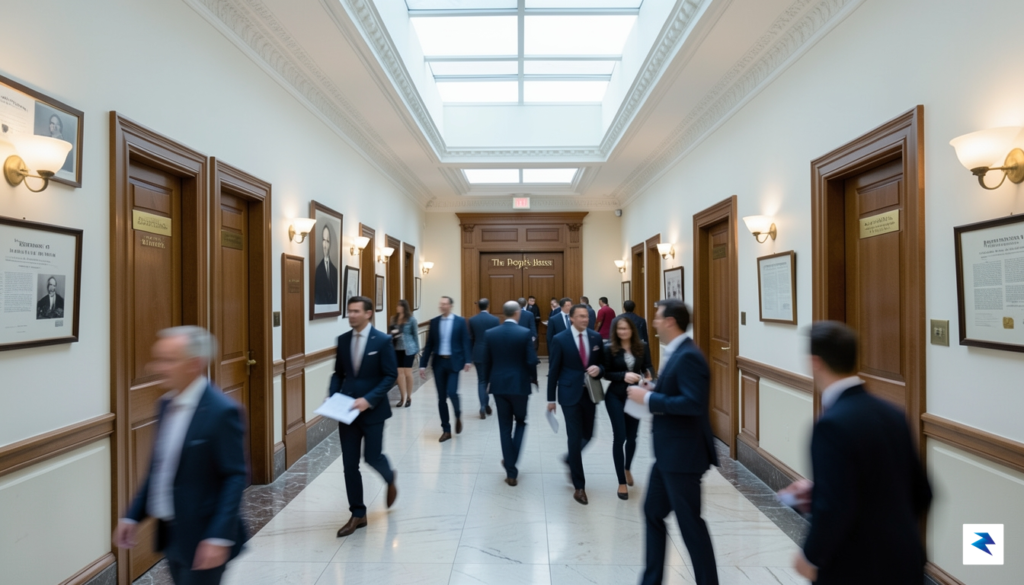
Beyond the gleaming marble facades and the symbolic restoration of historic properties, the true transformation of the capital resides within the quiet, interconnected halls of its federal agencies. The recent transition of power has ushered in a distinct philosophy regarding how government bureaus are staffed, structured, and prioritized, marking a departure from the traditional administrative state. Where once the focus of the civil service was largely defined by long-standing institutional inertia and incremental policy development, the current climate emphasizes a rapid alignment with executive directives. This shift has fundamentally altered the daily rhythm of the “Beltway,” turning departments that previously operated with a measure of autonomous expertise into instruments more directly responsive to the immediate goals of the White House.
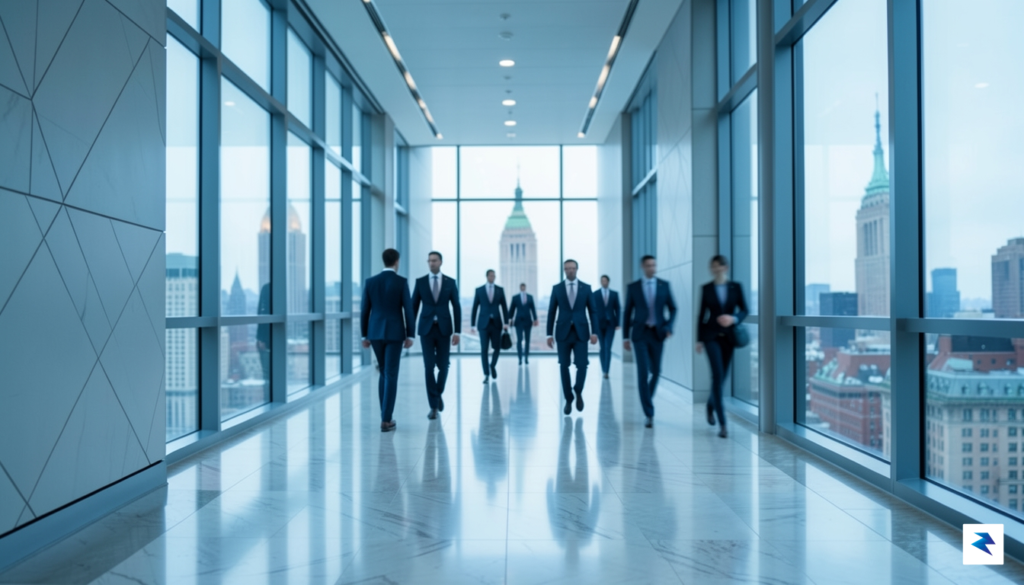
A primary driver of this institutional evolution is the strategic placement of political appointees into layers of the bureaucracy that were once the exclusive domain of career civil servants. By empowering a new tier of leadership to oversee policy implementation, the administration has successfully curtailed the traditional checks that internal agency norms once exerted on executive whims. Consequently, there has been a noticeable surge in staff turnover, as veteran experts—many of whom spent decades navigating the complexities of federal regulations—have opted for early retirement or private sector transitions. This “brain drain” has left a vacuum filled by a younger, more ideologically aligned workforce, fundamentally reorienting the institutional culture toward a model of executive fidelity rather than neutral administration.
The structural recalibration of the federal government represents more than just a change in leadership; it signifies a permanent alteration in the balance of power between the executive branch and the civil service apparatus.
This cultural shift is perhaps most visible in the way internal deliberations are now conducted. Historically, federal agencies thrived on a process of consensus-building and peer review, where internal dissent was often viewed as a mechanism for quality control. Today, the operational philosophy favors speed and centralized decision-making, which has effectively silenced the internal friction that once served as a bulwark against administrative overreach. As these new norms take root, the institutional identity of the capital is being rewritten, moving away from the “permanent government” model and toward a structure that is as fluid and unpredictable as the executive leadership it serves. For those walking the corridors of power today, the message is clear: the architecture of the city may remain unchanged, but the machinery that powers it has been thoroughly overhauled to serve a singular, focused vision.
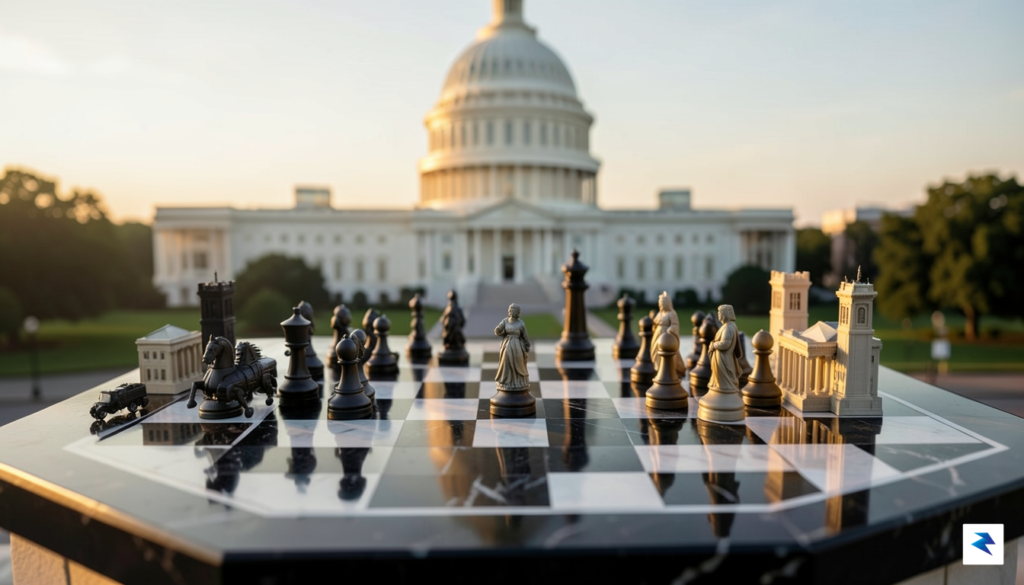
The traditional machinery of Washington, once defined by the quiet, back-room negotiations of elite consensus, has undergone a profound transformation. In the current era, the gears of governance have shifted from institutional deliberation toward a more personalized, performative style of engagement. Political networking, which formerly relied on long-standing relationships cultivated over decades in Senate cloakrooms or Georgetown dinner parties, now often plays out in the high-stakes arena of digital platforms and cable news segments. This transition has forced legacy institutions—ranging from established think tanks to long-tenured lobbying firms—to recalibrate their strategies, as the currency of influence is no longer just legislative expertise, but the ability to command attention in a fractured media ecosystem.
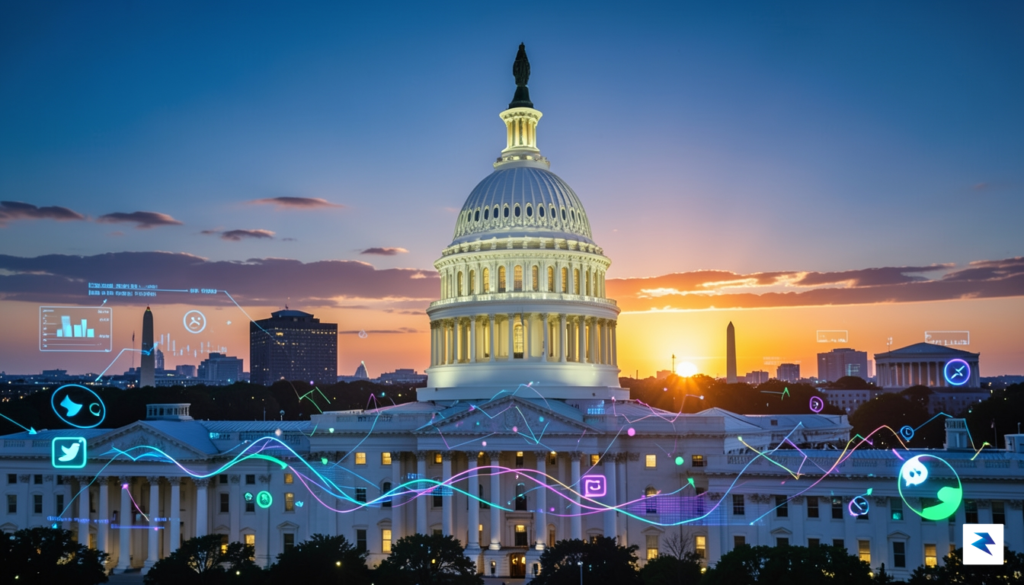
Central to this remade landscape is the ascendancy of grassroots pressure as a primary driver of policy. Where lobbying was once the exclusive domain of corporate interests and well-connected power brokers, the “Trumpian” model of communication has democratized—or, as some critics argue, weaponized—the ability to mobilize public opinion. Politicians now operate in a constant campaign mode, acutely aware that a single viral post or a surge in grassroots sentiment can disrupt carefully laid legislative plans. Consequently, the capital is no longer a city where policy is drafted in isolation; instead, it is a place where every bill and appointment must survive the volatile scrutiny of a deeply polarized public. This new reality rewards those who can craft a compelling, often combative narrative, often at the expense of the measured, bipartisan compromise that once served as the bedrock of DC governance.
The modern capital functions less like a boardroom and more like a permanent campaign rally, where the loudest signal often drowns out the most substantive argument.
Furthermore, the integration of nontraditional media channels into the daily workflow of the capital has fundamentally altered the rules of engagement. Information—and misinformation—travels with unprecedented velocity, stripping away the time required for deep vetting or nuance. For those operating within the halls of power, the challenge is no longer merely to inform the public but to maintain control of a narrative that is subject to constant, decentralized revision. As legacy institutions struggle to keep pace with these shifts, they have begun to adopt more aggressive, media-savvy postures to remain relevant. This evolution suggests that the current state of Washington is not merely a temporary deviation from the norm, but a lasting shift toward a more transparent, yet significantly more contentious, form of democratic practice.
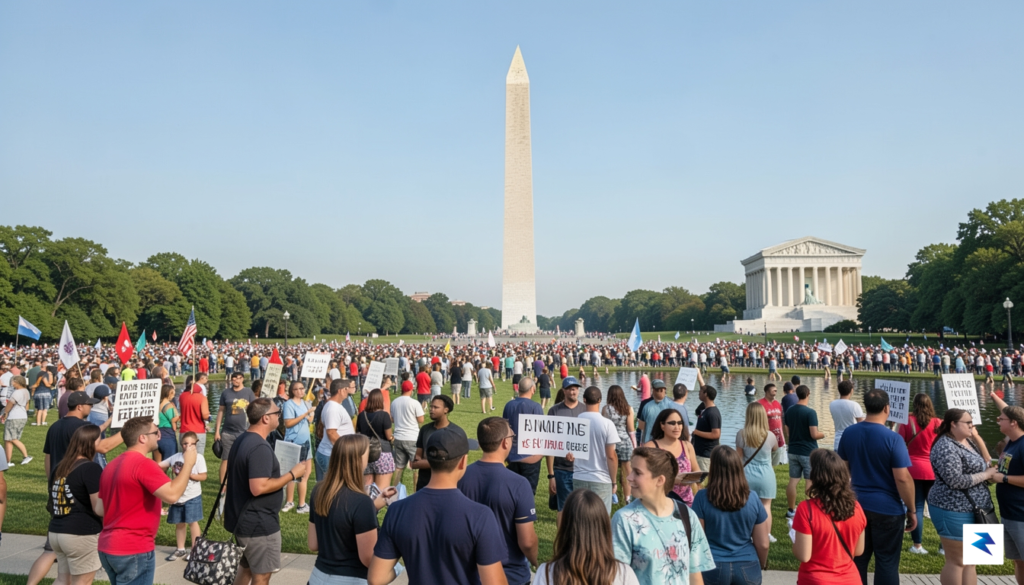
Washington, D.C., is far more than just the political epicenter of a nation; it is a dynamic, living city, home to hundreds of thousands of residents who navigate its unique rhythms daily. The profound shifts in the national political landscape over recent years have inevitably cast a long shadow, rippling outward to fundamentally alter the social dynamics, public life, and the very way citizens and visitors alike interact with the nation’s most iconic symbols. This transformation extends beyond policy debates, seeping into the public spaces and daily routines that define the capital’s unique character.
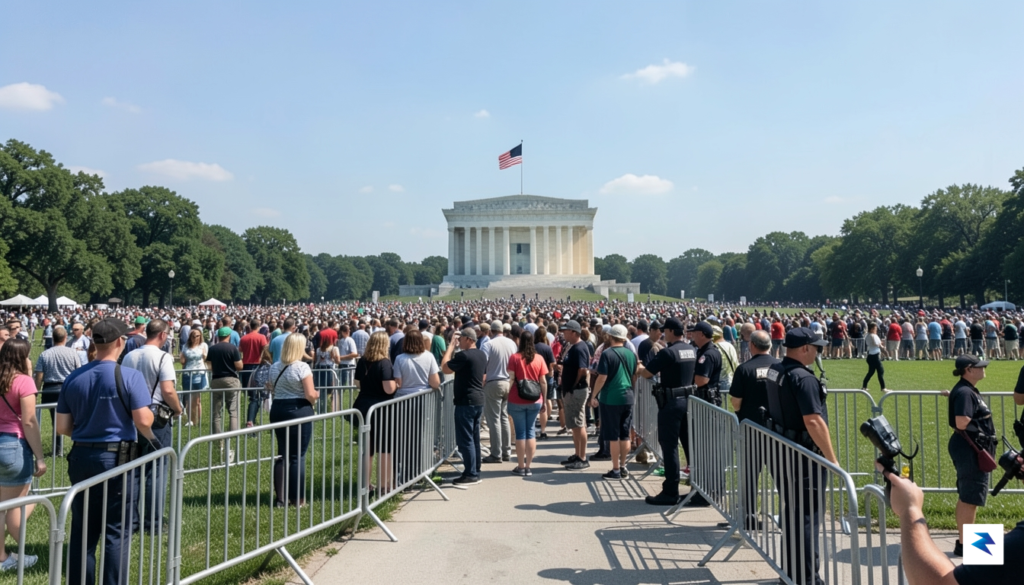
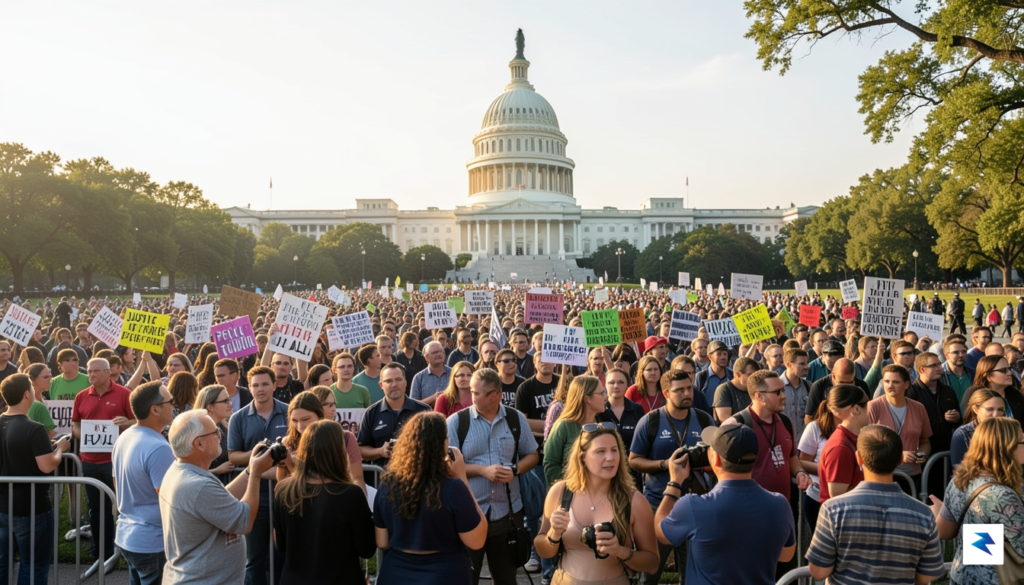
The city has increasingly become an unwavering focal point for national debates, manifesting visibly in its public squares and avenues. Historically a stage for protest, D.C. has witnessed an unprecedented surge in demonstrations, ranging from large-scale national movements to smaller, focused advocacy efforts. These gatherings, often reflecting deep societal divisions and fervent beliefs, have transformed the Capitol grounds, the National Mall, and Lafayette Square into arenas for impassioned discourse. This constant public assembly has not only amplified the voices of various groups but also underscored the city’s role as the definitive battleground for the nation’s most pressing issues, making the intersection of public protest and policy an inescapable daily reality for residents and commuters.
Concurrently, the increased security measures implemented in response to this heightened political climate have significantly impacted public access and the overall urban experience. Barriers, checkpoints, and a more visible presence of law enforcement personnel have become common sights around federal buildings and national landmarks. While intended to ensure safety, these measures have inadvertently created a sense of distance between the public and the very symbols they are meant to represent. The casual stroll past the White House or an impromptu visit to the Capitol steps, once commonplace, now often involves navigating tightened perimeters, altering the spontaneous engagement that once characterized D.C.’s public spaces for both tourists seeking to connect with history and locals simply going about their day.
This evolving environment has also subtly reshaped the identity of the city itself. Washington, D.C., now balances its undeniable role as a global power center with its identity as a local community, often under immense national and international scrutiny. Residents live amidst a constant hum of political activity, yet they also cultivate vibrant neighborhood cultures, support local businesses, and foster community bonds that provide a necessary counterpoint to the intensity of federal affairs. Parks, local markets, and community centers have become even more vital as spaces for connection and normalcy, offering havens from the often-turbulent national narrative playing out just blocks away. This duality speaks to the resilience of D.C.’s social fabric, demonstrating a city that, despite its profound national responsibilities, remains deeply rooted in the everyday lives of its people.
Ultimately, the lasting impact on D.C.’s social and public spaces reveals a city in continuous adaptation. The interplay between heightened political expression, necessary security, and the enduring spirit of its local communities creates a unique urban tapestry. It’s a capital that grapples with profound national challenges while simultaneously nurturing the everyday experiences of its inhabitants, demonstrating how a city can be both a crucible of democracy and a beloved home.
You must be logged in to post a comment.