The Aging Sentinel: Understanding the Swift Observatory's Decline
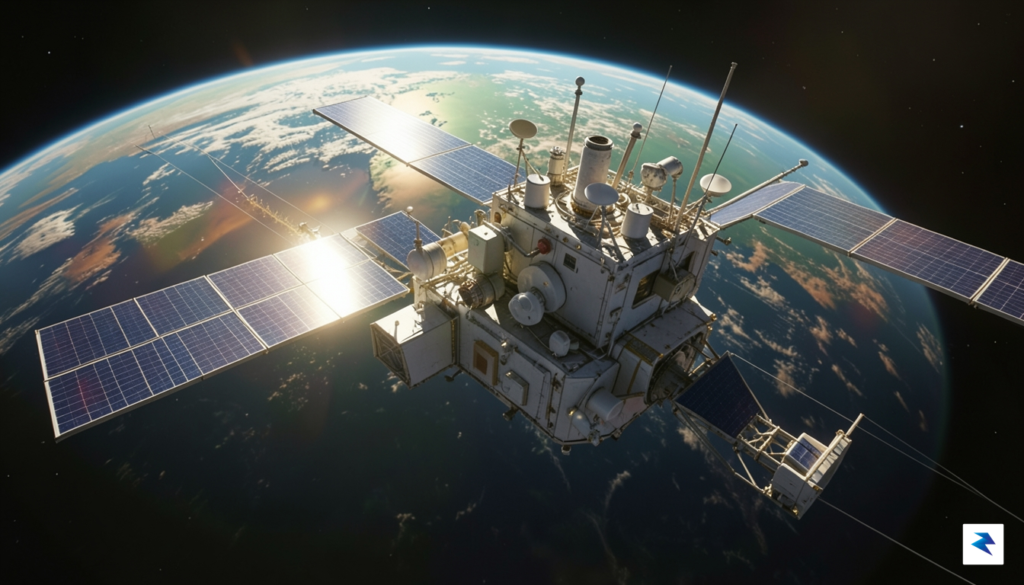
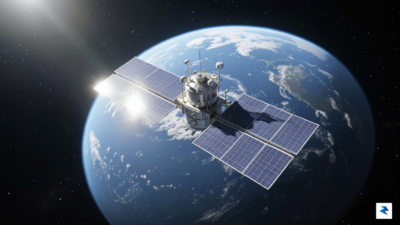
Since its launch in 2004, the Neil Gehrels Swift Observatory has served as the undisputed vanguard of high-energy astrophysics. Designed with a singular, revolutionary purpose, Swift was engineered to detect and rapidly localize gamma-ray bursts—the most violent and luminous explosions in the known universe. By slewing its instruments toward these fleeting cosmic signals within seconds, the satellite has provided researchers with a front-row seat to the deaths of massive stars and the dramatic collisions of neutron stars. For nearly twenty years, this tireless sentinel has operated as an essential bridge between deep-space observations and ground-based telescopes, fundamentally altering our understanding of how galaxies evolve and how gravity behaves under the most extreme conditions imaginable.
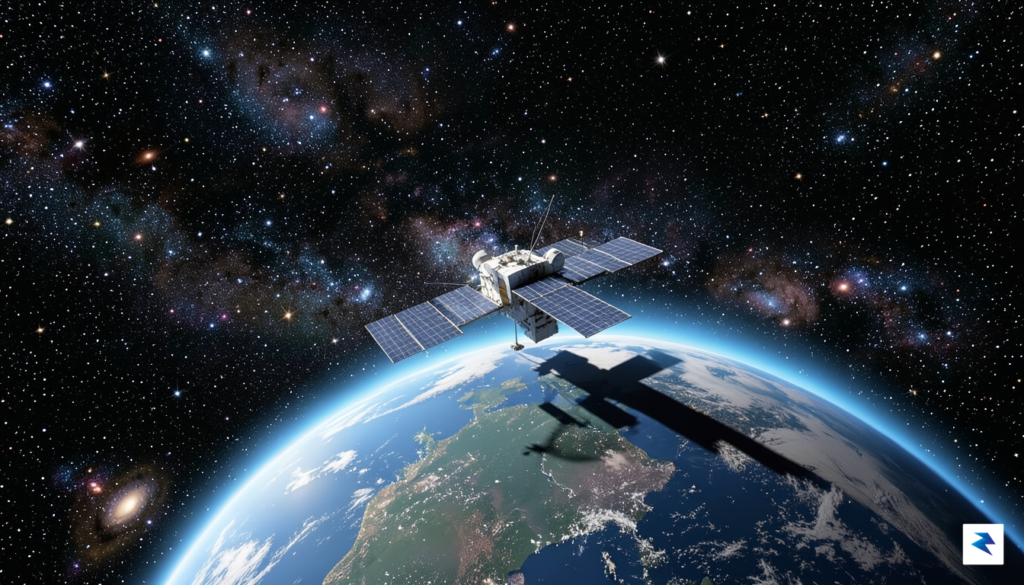
Despite its enduring scientific contributions, Swift is currently facing the inevitable reality of its environment: orbital decay. Operating in low-Earth orbit, the satellite is constantly battered by the thin, wispy remnants of our planet’s upper atmosphere. This atmospheric drag acts as a subtle but relentless brake on the spacecraft’s velocity, gradually pulling it closer to Earth with each passing orbit. While the telescope was built with a robust fuel supply to correct its altitude, even the most durable hardware eventually reaches a point of depletion. As the observatory drifts deeper into the denser layers of the thermosphere, the threat of an uncontrolled re-entry looms, potentially silencing a platform that remains as productive today as it was at the dawn of the millennium.
The loss of Swift would represent more than just the end of a mission; it would create a significant “blind spot” in our ability to monitor the transient universe in real-time, effectively slowing the pace of discoveries in time-domain astronomy.
The scientific cost of losing such a long-standing, stable observation platform cannot be overstated. Swift is not merely an aging piece of equipment; it is a finely tuned instrument that has fostered two decades of consistent data, creating an unparalleled baseline for long-term astronomical studies. Replacing its unique multi-wavelength capabilities would require years of development and billions of dollars in investment, assuming a successor could even be launched. Consequently, the challenge is not just to preserve a piece of history, but to safeguard a critical piece of modern scientific infrastructure. By addressing the decline of this observatory now, we are choosing to protect our ongoing ability to witness the sudden, unpredictable flashes of light that continue to rewrite the textbooks on our explosive universe.
The Robotic Rescue Concept: Reframing Satellite Servicing
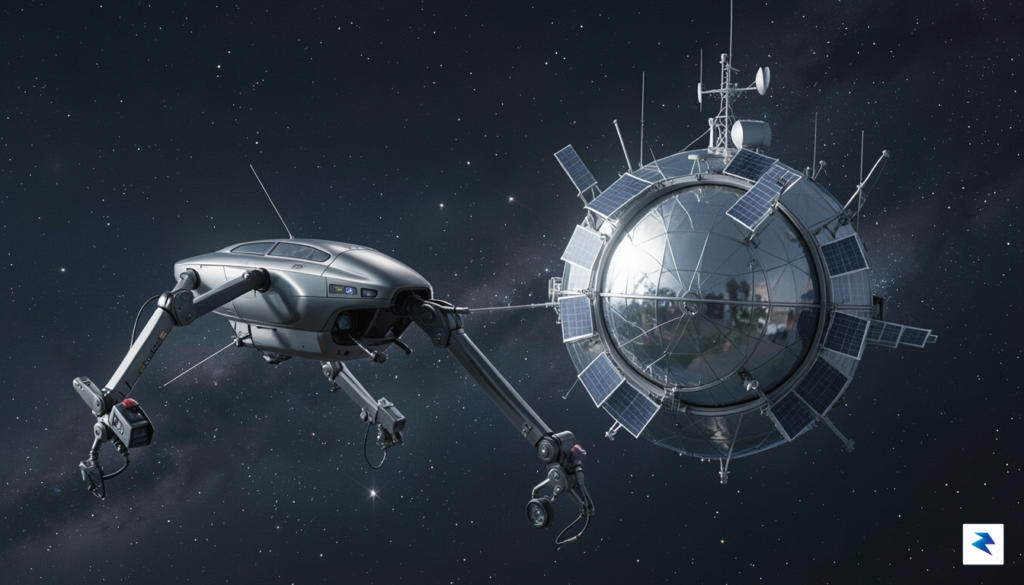
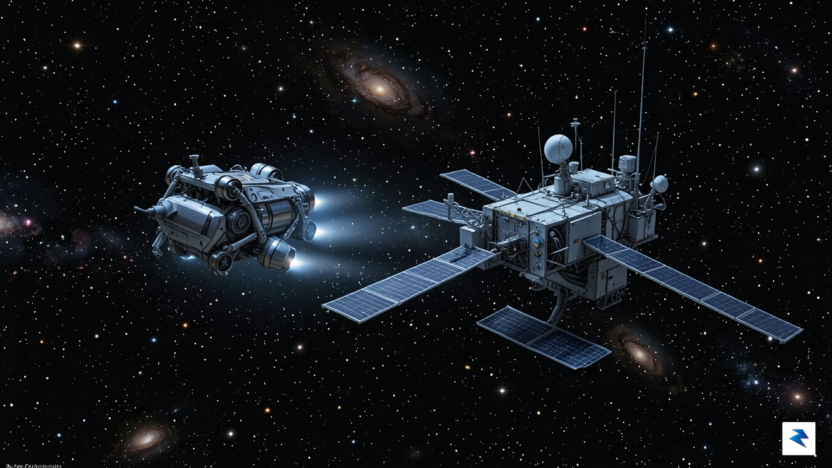
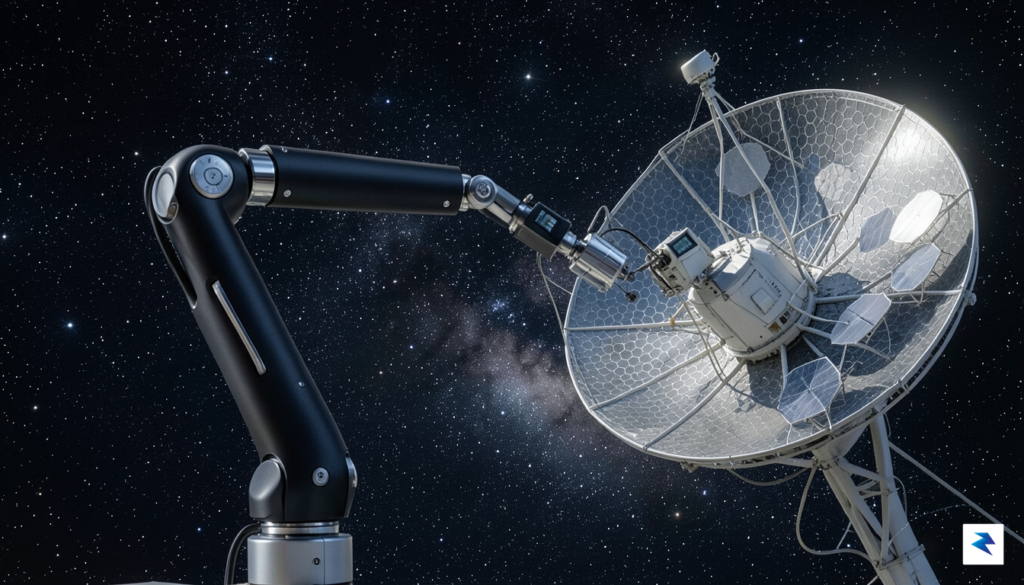
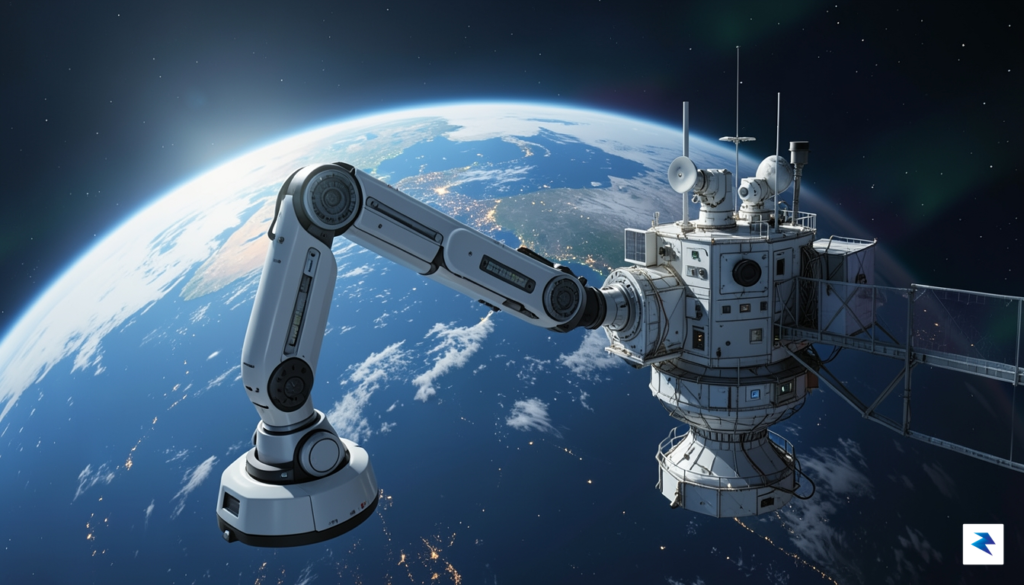
The mission to rescue the Neil Gehrels Swift Observatory represents a pivotal departure from the traditional “launch and abandon” philosophy that has dominated space exploration for decades. Rather than allowing the aging telescope to succumb to the increasing atmospheric drag that threatens to pull it into a fiery reentry, NASA is deploying a sophisticated robotic craft to perform a delicate “boost” maneuver. This operation requires the robotic servicer to rendezvous with the telescope, dock securely, and utilize its own propulsion system to nudge the observatory into a higher, more stable orbit. By physically pushing the telescope away from the encroaching atmosphere, engineers can effectively buy the mission years of additional operational life, proving that our space assets do not have to be considered disposable the moment they run low on fuel or lose their orbital altitude.

Human-led intervention for this specific task remains highly impractical, primarily due to the intense logistical and safety constraints associated with low-Earth orbit operations. Sending a crewed mission to dock with a satellite requires extensive life-support systems, heavy shielding, and complex training, all of which drive costs to astronomical levels. Furthermore, the Swift observatory was never originally designed to accommodate human interaction, making the precision required for such a maneuver extremely dangerous for an astronaut. Robotic systems, conversely, can be operated remotely with a level of patience and focus that is difficult to sustain during a manned flight. These machines are engineered specifically to withstand the harsh vacuum and radiation environments of space, allowing them to remain on station for longer periods while waiting for the perfect window to execute a docking sequence.
The shift toward robotic servicing is not merely a temporary fix; it is the foundational step toward building a sustainable economy in orbit where we can repair, refuel, and upgrade our most valuable scientific instruments.
This mission serves as a critical proof-of-concept for the future of space infrastructure, signaling a transition from disposable satellite design to a more sustainable, serviceable architecture. By demonstrating that we can extend the lifespan of existing hardware, NASA is setting a precedent that will influence the design of future observatories. Engineers are now beginning to integrate standardized docking ports and modular components into new satellite designs, anticipating a time when robotic servicers will become as common as terrestrial maintenance crews. This evolution in strategy promises to maximize the return on investment for taxpayer-funded science, ensuring that groundbreaking telescopes like Swift continue to peer into the deep reaches of the universe for as long as their instruments remain functional.
Technical Hurdles: Why Autonomous Docking is a High-Stakes Game
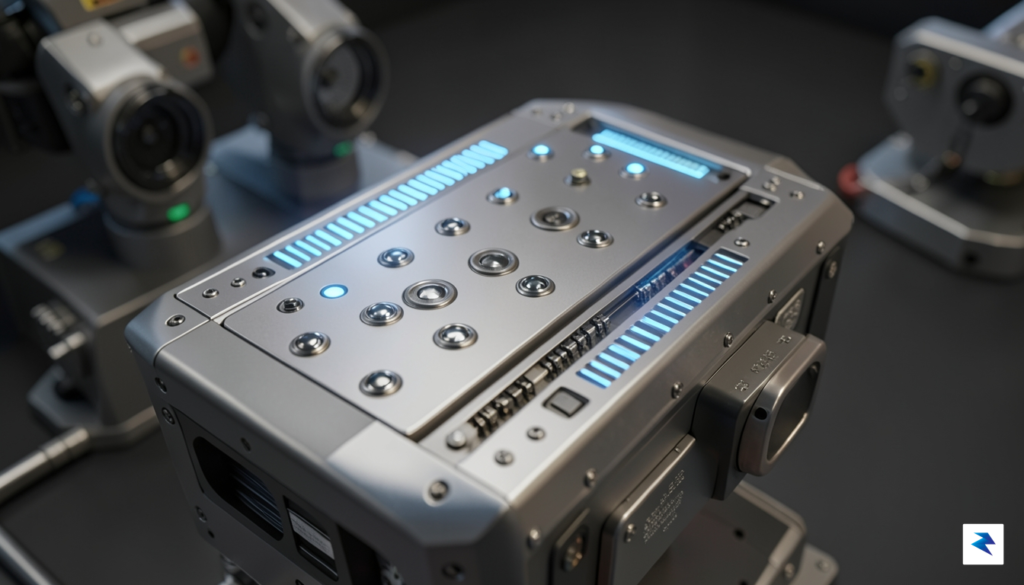
Executing a rendezvous with a satellite that was never intended to be serviced is akin to performing delicate surgery on a high-speed projectile moving at 17,000 miles per hour. Unlike the docking ports found on the International Space Station, which were engineered with standardized interfaces and guidance beacons, the Swift telescope offers no such hospitality to a visiting spacecraft. Navigating toward this aging asset requires the robotic servicer to compensate for unpredictable tumbling and lack of cooperative signals, turning a routine approach into a high-stakes dance of physics. The margin for error is effectively zero; a miscalculation of even a few centimeters could result in a catastrophic collision, turning two expensive pieces of orbital infrastructure into a cloud of untraceable space debris.
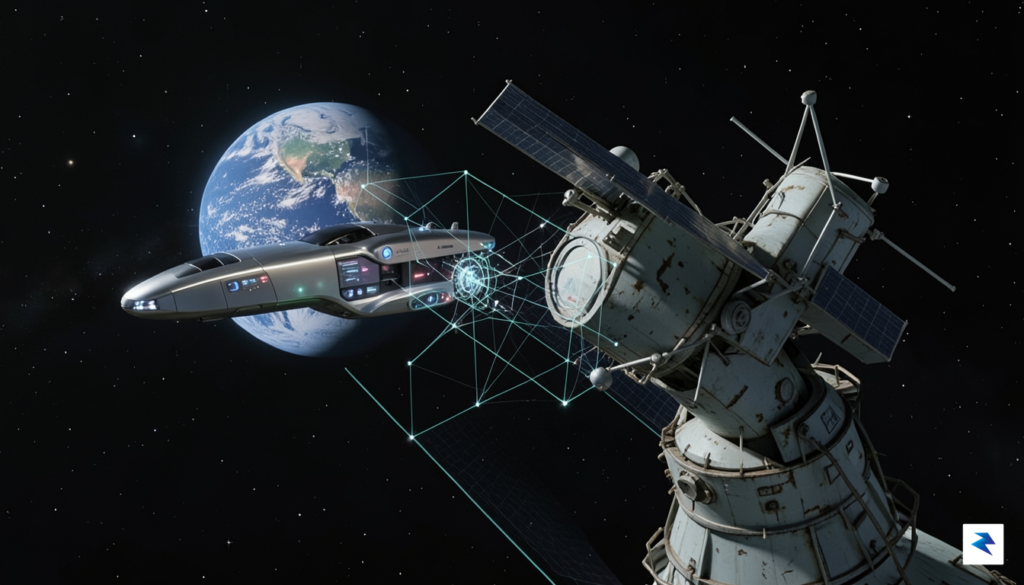
To overcome these obstacles, NASA is leaning heavily into the evolution of autonomous navigation and advanced machine vision systems. Because the round-trip signal delay between Earth and the spacecraft makes “joystick” piloting impossible, the robotic servicer must possess a sophisticated “brain” capable of real-time decision-making. Using a suite of LiDAR sensors and high-resolution cameras, the craft continuously maps the geometry of the Swift telescope, identifying structural features that can serve as anchor points. This AI-driven architecture allows the servicer to interpret visual data on the fly, adjusting its thrusters to match the rotation of the target satellite while maintaining a stable hover that defies the chaotic dynamics of low-Earth orbit.
The success of this mission rests on moving from human-in-the-loop control to machine-autonomous intelligence, ensuring that the spacecraft can react to anomalies faster than any ground-based operator ever could.
The lessons learned from decades of human-tended maintenance—most notably the legendary repairs to the Hubble Space Telescope—have been instrumental in shaping this robotic approach. While astronauts once relied on their own intuition and mechanical dexterity to replace instruments, the robotic successor must replicate those human capabilities through tactile feedback and extreme precision. Engineers have had to account for the fragility of the telescope’s sunshades and sensitive optics, ensuring that the docking mechanism secures the craft without exerting enough force to crush or crack the telescope’s exterior. By integrating the institutional knowledge gained from the Space Shuttle era with cutting-edge software, NASA is effectively building a new roadmap for the future of space sustainability, proving that we can extend the life of our orbital assets rather than simply letting them fall out of the sky.
Beyond Swift: Implications for Future Orbital Sustainability
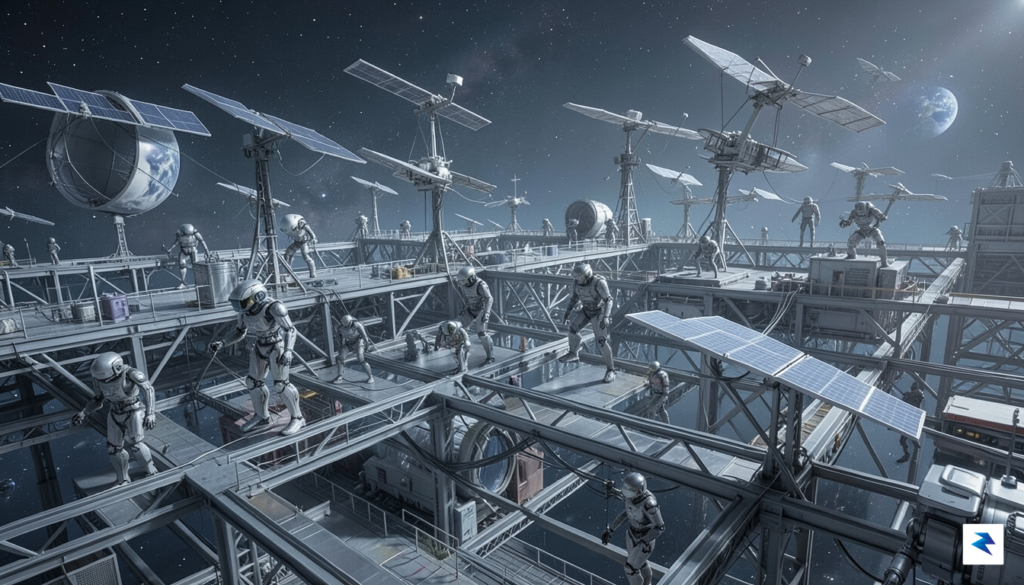
The successful execution of this robotic repair mission represents far more than a temporary fix for a single piece of scientific hardware; it signifies a pivotal shift in how humanity manages its presence in Earth’s orbit. For decades, the space industry operated on a “launch and abandon” model, where satellites were viewed as disposable assets destined to become expensive space debris once their fuel was depleted or their components faltered. By opting to intervene and extend the operational life of the Swift telescope, NASA is actively championing a transition toward a circular space economy. This paradigm shift prioritizes the maintenance, refurbishment, and upgrading of existing orbital infrastructure, effectively treating our space assets as long-term investments rather than single-use consumables.
This mission also serves as a critical proof-of-concept for the burgeoning “NewSpace” sector, which is increasingly focused on orbital logistics and servicing. As we look toward the future, the ability to perform robotic maintenance will prove essential for mitigating the growing crisis of space junk. By repairing failing satellites rather than leaving them to drift as uncontrolled hazards, we can significantly reduce the density of debris in low-Earth orbit, thereby protecting future missions and commercial investments. Furthermore, the precedent set by this operation is likely to accelerate the development of modular satellite architectures. If engineers can design spacecraft with standardized interfaces that allow for “plug-and-play” component replacements, the cost-efficiency of space exploration will improve dramatically, opening the door for more frequent and ambitious scientific endeavors.
“By mastering the art of orbital repair, we are moving from being explorers who merely visit space to becoming stewards who sustainably manage our orbital environment.”
Beyond the technical ingenuity required, this initiative highlights the vital importance of private-public partnerships in shaping the future of spaceflight. By leveraging the agility and innovation of private aerospace companies alongside NASA’s deep scientific expertise, the agency is creating a scalable framework for orbital maintenance that could eventually become a commercial service available to all operators. This collaborative model is essential for the industry’s long-term sustainability; as more nations and corporations deploy constellations of satellites, the demand for “on-orbit” mechanics will only grow. Ultimately, the lessons learned from salvaging the Swift telescope will be integrated into the foundation of future space policy, helping to ensure that our orbital backyard remains a clean, functional, and highly productive domain for generations to come.
The Economics of Life Extension: Repair vs. Replacement
At first glance, the price tag associated with a robotic rescue mission for an aging observatory might seem high, but a closer examination reveals it to be a masterclass in fiscal prudence. When NASA weighs the cost of extending the life of an existing asset against the astronomical expense of designing, building, and launching a successor, the choice becomes clear. Modern flagship observatories, such as the James Webb Space Telescope, represent multi-billion-dollar commitments that take decades to conceptualize and deploy. In contrast, leveraging robotic servicing technology allows the agency to breathe new life into a platform that has already proven its reliability and scientific worth, effectively bypassing the prohibitive overhead of a “clean sheet” design process.
Beyond the raw financial savings, the time-to-market advantage is perhaps the most compelling strategic argument for this repair mission. Launching a new space telescope is a process fraught with logistical bottlenecks, from sourcing specialized components to securing limited launch vehicle availability. By opting to repair the current hardware, NASA avoids these multi-year delays, ensuring that the scientific community continues to receive a steady stream of data without the “dark period” that inevitably occurs between the decommissioning of an old telescope and the commissioning of a new one. This continuity is vital for maintaining long-term datasets, which are essential for identifying trends in transient astronomical events that occur over years or even decades.
“Maintaining operational continuity is not merely a matter of convenience; it is a fundamental requirement for the integrity of longitudinal scientific research, where gaps in observation can render years of prior work significantly less valuable.”
Furthermore, this mission serves as a critical proof-of-concept for the future of space exploration. As we venture deeper into an era of modular satellites and on-orbit servicing, the ability to perform repairs will transform our approach to orbital infrastructure. Instead of treating space assets as disposable units that are abandoned once fuel runs low or a component fails, agencies can transition toward a sustainable, maintainable model. This shift in strategy transforms robotic servicing from a niche repair job into a foundational economic pillar, allowing for the maximum return on taxpayer investment by extracting every possible discovery from the existing orbital fleet before turning the page to the next generation of technology.