The Shift to WhatsApp Usernames: A Privacy Evolution
For over a decade, WhatsApp has operated on a singular, rigid premise: your identity is your phone number. This architecture was originally designed for simplicity and seamless onboarding, allowing the app to automatically sync your address book and bridge the gap between your physical contact list and your digital conversations. However, this convenience came at a significant cost to user privacy. By tethering every account to a unique, permanent digit string, WhatsApp effectively turned personal phone numbers into public keys, exposing sensitive contact information to strangers, businesses, and anyone else with whom a user might need to interact. In an era where phone numbers are increasingly linked to banking, multi-factor authentication, and personal identity, this reliance on digits as a primary identifier became a glaring vulnerability.
Recognizing these risks, Meta has begun steering the platform toward a more modern, username-based identity system. The primary motivation behind this shift is to decouple a user’s private contact information from their public-facing profile. By introducing unique usernames, WhatsApp intends to provide a middle ground for communication: a way to connect with acquaintances, service providers, or community groups without handing over a phone number that can be tracked, sold, or used for unsolicited marketing. This transition is not merely a cosmetic update; it is a fundamental architectural change that prioritizes the user’s right to curate their digital footprint and limit the exposure of their most sensitive personal identifiers.
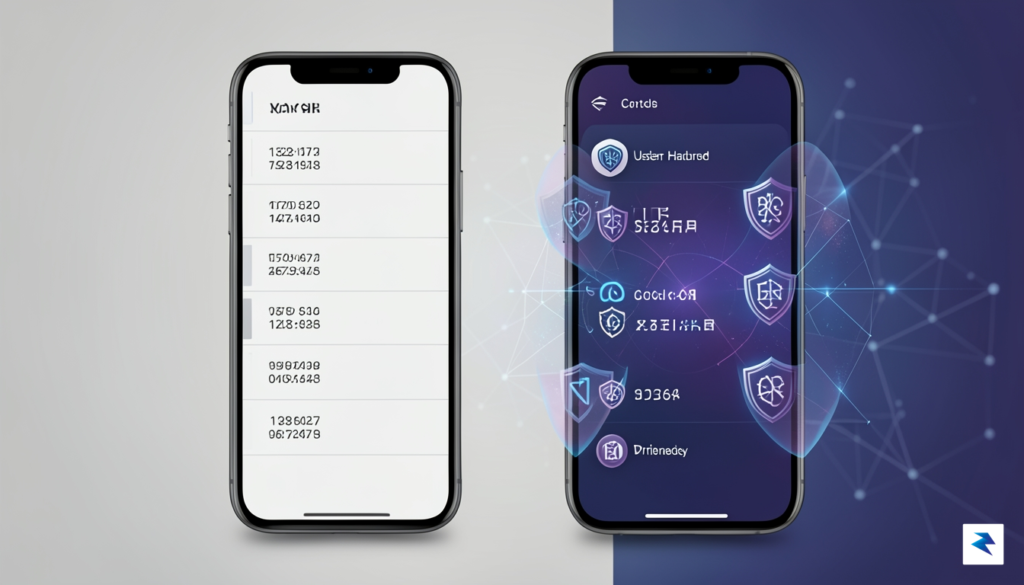
The user experience benefits of this evolution are substantial. For those who frequently interact with business contacts, delivery drivers, or individuals in large group chats, the ability to share a handle—rather than a phone number—acts as a critical privacy buffer. It eliminates the need to expose one’s primary line, thereby reducing the risk of harassment, doxxing, and unwanted cold calls. Furthermore, this system allows for a more fluid interaction model where users can engage with the platform on their own terms. Whether someone is a privacy-conscious professional or a casual user navigating a crowded marketplace, the move toward usernames empowers them to maintain anonymity while enjoying the messaging features they rely on daily.
The introduction of usernames marks a pivotal transition from a platform defined by hardware-linked identity to one defined by user-controlled digital personas, fundamentally altering how we perceive safety in the messaging ecosystem.
Despite these clear advantages, the migration toward a username-based system is not without its complications. While the objective is to enhance security by obscuring phone numbers, the shift inherently creates a new landscape for digital imposters. When a platform moves away from a one-to-one mapping of phone numbers to accounts, it creates an opportunity for malicious actors to squat on usernames or create deceptive profiles that mimic legitimate entities. As the barrier to entry for establishing an identity lowers, the responsibility shifts from the platform’s structural verification to the user’s ability to discern between authentic contacts and sophisticated impersonators. This duality—where increased privacy simultaneously introduces new avenues for deception—is the defining challenge of WhatsApp’s current evolution.
The Impersonation Dilemma: Why Security Experts Are Concerned

The transition toward username-based identification on WhatsApp represents a significant departure from the platform’s long-standing reliance on phone numbers. Historically, the requirement of a SIM-linked mobile number served as a natural point of friction, tethering an account to a real-world identity that is harder to forge or mass-produce. By moving toward a more flexible username system, WhatsApp is arguably lowering the barrier to entry for bad actors who thrive on anonymity. Cybersecurity experts fear that this shift mirrors the vulnerabilities seen on platforms like X or Instagram, where the absence of a unique, government-verified link allows impostors to masquerade as trusted entities with alarming ease.
When a platform moves away from the “one number, one account” model, it inherently creates a playground for social engineering. Attackers no longer need to procure burner SIM cards or intercept SMS codes to initiate a conversation; they simply need to register a handle that closely mimics a legitimate contact, a brand, or a public figure. This creates a psychological loophole for users who are accustomed to trusting the identity behind a WhatsApp message. Because the platform has historically been synonymous with private, direct communication between known parties, users are often less vigilant about verifying the sender’s identity compared to how they might scrutinize an email or a public social media post.
The danger lies in the erosion of the “known contact” paradox: users assume that because they are receiving a message on WhatsApp, the person on the other end must be exactly who they claim to be.
Furthermore, the risk of “squatting” on high-profile usernames poses a substantial threat to both individuals and organizations. Scammers frequently stake claims on handles that resemble prominent figures, waiting for the perfect moment to deploy phishing campaigns. Imagine receiving a message from an account using a handle identical to your bank’s support line or a close colleague, complete with a professional-looking profile picture. Without a secondary layer of verification, such as a blue checkmark or a visible link to a verified phone number, the average user is at a high risk of being manipulated into sharing sensitive information, clicking malicious links, or authorizing fraudulent transactions.
To combat these risks, the ecosystem will likely require more robust authentication protocols, such as mandatory two-factor authentication or cross-platform identity linking. However, until such measures become industry standard, the burden of security falls heavily on the individual user. It is essential to remain skeptical of unsolicited messages from usernames that feel “off,” even if they appear to come from someone within your network. As the landscape of digital messaging shifts, we must cultivate a higher degree of caution, treating every new username connection with the same level of scrutiny we currently apply to suspicious emails from unknown senders.
Meta’s Proposed Safeguards vs. The Reality of Social Engineering

Meta has publicly maintained that its existing suite of security protocols—including robust account reporting tools, mandatory two-factor authentication, and the potential expansion of verification badges—will be sufficient to navigate the risks associated with the upcoming username rollout. The logic is that by layering these traditional defense mechanisms, the platform can create a friction-heavy environment that discourages bad actors from assuming false identities. In theory, if a user suspects they are interacting with an impostor, they can quickly flag the account for review, while the presence of a “verified” checkmark could serve as a visual anchor to distinguish public figures and businesses from the sea of ordinary users.
However, critics and cybersecurity experts argue that these automated safeguards often fail to account for the nuances of human manipulation. Social engineering does not always rely on overtly malicious content that an algorithm can easily flag; instead, it thrives on the exploitation of trust, context, and familiarity. An attacker doesn’t need to violate a content policy to successfully impersonate a contact; they simply need to curate a profile that mimics the tone, vocabulary, and perceived intimacy of the person they are pretending to be. Because Meta’s moderation systems are heavily optimized for identifying prohibited content rather than assessing the authenticity of a user’s persona, they are frequently blind to the subtle, slow-burn deception that characterizes modern social engineering attacks.
The fundamental weakness in relying on automated moderation is that it searches for what is said, whereas social engineering is defined by who is doing the talking.
The core of the problem lies in the inherent difficulty of verifying identity in a global, decentralized communication ecosystem. Unlike a government-issued ID system, WhatsApp operates across borders with varying standards of digital documentation, making it nearly impossible to implement a universal verification mandate without significantly compromising user privacy and accessibility. Without a centralized authority to validate every username, the platform is forced to rely on reactive measures. This creates a dangerous window of opportunity where an impostor can operate with relative impunity, harvesting sensitive information or soliciting funds long before an automated report is processed or a human moderator intervenes.
Ultimately, while Meta’s proposed safeguards provide a basic layer of hygiene for the platform, they remain fundamentally reactive rather than proactive. By moving toward a username-based system, the company is effectively changing the nature of how people connect, yet the defense strategies appear to be rooted in a model designed for a different era of social media. Until the platform can find a way to verify the authenticity of a connection rather than just the legality of the content, users will remain the final, and often most vulnerable, line of defense against sophisticated impersonation tactics.
How Users Can Protect Their Identities Amidst the Rollout
As WhatsApp rolls out its new username feature, the responsibility for maintaining personal security and preventing impersonation now rests more squarely on the user’s shoulders. While the platform continues to enhance its protections, empowering yourself with a few proactive habits can significantly reduce your risk of falling victim to identity theft or username-based scams. Being vigilant and understanding the tools at your disposal are your strongest defenses in this evolving digital landscape.
One of the most critical steps you can take is to enable Two-Step Verification (2FA) on your WhatsApp account immediately, if you haven’t already. This feature adds an extra layer of security, requiring a unique PIN that only you know when you register your phone number with WhatsApp again, even if someone manages to get hold of your SIM card. It acts as a robust barrier against unauthorized access to your account, making it far more difficult for an impersonator to set up a duplicate profile under your assumed identity. Make sure to choose a strong, unique PIN and consider adding an email address for recovery purposes, though be mindful of the security of that email as well.
Furthermore, cultivate a healthy skepticism toward any unexpected or unusual requests, even if they appear to come from a known contact. Scammers often leverage urgency or emotional manipulation, asking for money, personal information, or to click on suspicious links. With usernames, it becomes easier for malicious actors to craft convincing “new contact” requests or messages from alleged friends or family members who claim to have a new username. Always pause and consider the context of the request before responding, especially if it involves sensitive data or financial transactions.
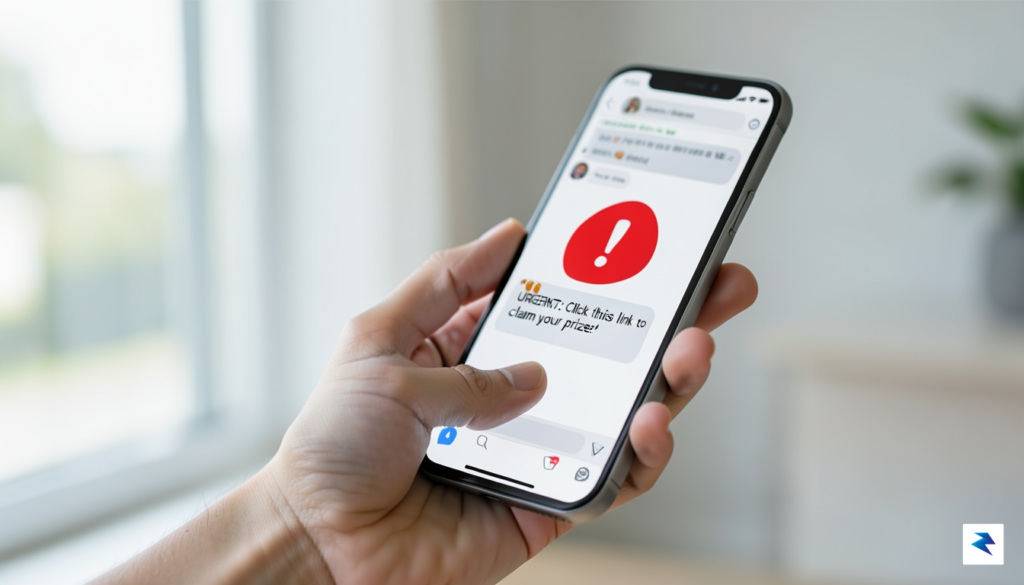
To combat potential impersonation effectively, make it a habit to verify the identity of any new or suspicious contact through a secondary, trusted channel. If a friend messages you from a new username claiming it’s them, instead of simply replying on WhatsApp, consider calling them on their known phone number or reaching out via another messaging app where you’ve previously communicated. This out-of-band verification is crucial because it bypasses the potential for an impersonator to control all communication within the compromised or fake WhatsApp account. Never rely solely on a message within WhatsApp itself to confirm an identity.
Beyond specific interactions, take the time to review and adjust your WhatsApp privacy settings to control who can see your personal information. Navigate to your privacy settings to manage who can view your “Last Seen,” “About,” “Profile Photo,” and “Status” updates. Limiting this information to your contacts, or even specific individuals, makes it harder for potential impersonators to gather details to build a convincing fake profile that mimics yours. Understanding these controls gives you significant power over your digital footprint on the platform.
Finally, and perhaps most importantly, learn to scrutinize a profile beyond just the username. While a username might look familiar or convincing, always examine the full profile details. Look at the profile picture – is it the correct one? Check the “About” section for any inconsistencies or generic descriptions. If the contact still uses a phone number, cross-reference it with the number you have saved. Impersonators might have a convincing username, but often fail to replicate all the nuanced details of a legitimate profile, creating subtle red flags that careful observation can catch. By combining these proactive steps, you can navigate the new era of WhatsApp usernames with greater confidence and security.
The Future of Messaging: Balancing Anonymity and Authenticity

The transition toward a username-based identity system represents a pivotal shift for WhatsApp, moving the platform away from its origins as a strict extension of the SIM card toward a more fluid, social-media-style network. This evolution highlights a fundamental tension: the need to protect the privacy of vulnerable users who rely on the platform for secure, private communication, versus the necessity of maintaining enough authenticity to shield the broader user base from sophisticated fraud. As Meta pushes toward a more interconnected ecosystem, the platform must navigate the fine line between user-friendly discoverability and the inherent risks of anonymity, which can be easily exploited by bad actors looking to impersonate trusted contacts.
Many industry experts suggest that a “hybrid” model may be the most viable path forward for the next generation of messaging. Under this framework, usernames would serve as the primary tool for discoverability and social connection, allowing users to keep their phone numbers private. However, to mitigate impersonation, the platform could implement a verification layer that ties these usernames to underlying, verified phone numbers or persistent metadata. This would ensure that while a user’s identity is hidden from the general public, the platform retains the ability to authenticate the account at a deeper level. By creating a tiered system where high-trust connections can confirm identity without exposing sensitive contact details, Meta could potentially preserve the integrity of the platform while granting users the privacy they increasingly demand.
The true test of this new identity architecture will not be how easily users can find one another, but how effectively the platform can prevent a stranger from masquerading as a friend.
Ultimately, as this rollout continues, users should demand greater transparency and more robust tools for identity verification from Meta. If WhatsApp is to become a more open network, it cannot afford to sacrifice the security that made it a household name in the first place. Users should advocate for clear indicators when an account is newly created or lacks a long-standing history, as well as granular privacy controls that allow them to limit who can find them via a username. The future of messaging depends on Meta’s ability to prove that privacy and authenticity are not mutually exclusive, but rather two sides of the same coin in an increasingly digital world. If the company fails to strike this delicate balance, the convenience of usernames may be quickly overshadowed by the rising costs of platform-wide impersonation and digital deception.