
Latest Jobs Report: Why the Labor Market Is Defying Inflation Fears
The Current State of the Labor Market: Cooling Without Crashing The recent stabilization of the unemployment rate at 4.2 percent serves as a…
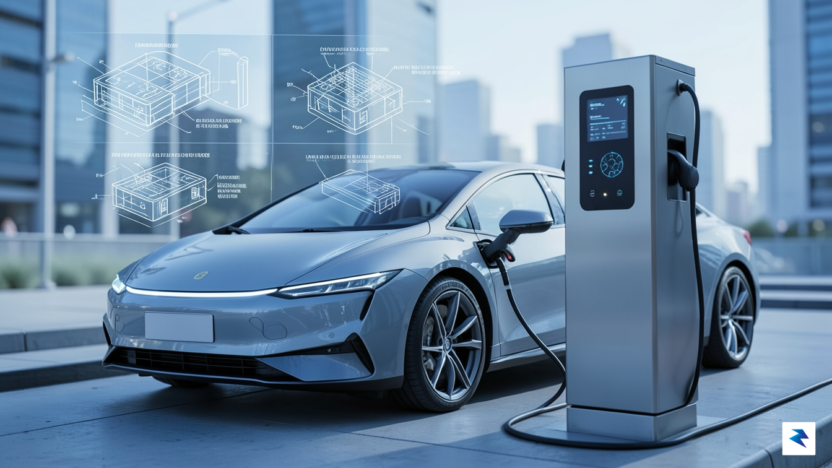
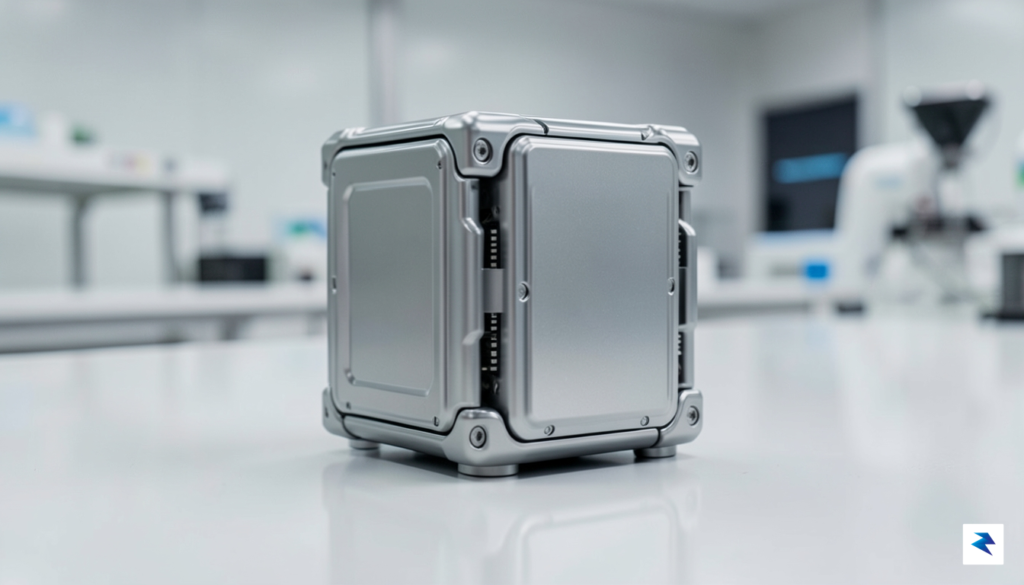
For over a decade, the electric vehicle industry was dominated by Nickel Manganese Cobalt (NMC) battery chemistry. These power cells were the industry gold standard because they offered high energy density, allowing vehicles to travel long distances on a single charge. However, the reliance on precious metals like cobalt and nickel created a significant barrier to entry for the average consumer. These materials are not only volatile in price due to complex global supply chains, but they are also expensive to extract and refine. As manufacturers looked for ways to bring EV prices down from the luxury bracket to the mass market, the industry began a fundamental shift toward Lithium Iron Phosphate (LFP) technology.
Unlike their NMC counterparts, LFP batteries replace expensive, rare metals with iron and phosphate—materials that are abundant, cheap, and environmentally benign. This shift is not merely a cost-saving measure; it represents a comprehensive improvement in the fundamental nature of the battery itself. LFP batteries are inherently more stable, which makes them significantly safer and less prone to the thermal runaway issues that have historically plagued lithium-ion packs. Furthermore, LFP chemistry boasts a longer cycle life, meaning these batteries can handle thousands of charge-discharge cycles with minimal degradation. For the modern driver, this translates into a vehicle that retains its battery health for a longer period, offering a more reliable ownership experience.

The pivot toward LFP is largely driven by a strategic necessity to bridge the gap between niche adoption and mainstream accessibility. By utilizing the mature manufacturing ecosystems already established by Chinese firms—who spent years perfecting the LFP process while Western automakers focused exclusively on performance-oriented NMC packs—American manufacturers are now playing catch-up to meet the growing consumer demand for affordable transportation. This transition is essential because it decouples electric vehicle costs from the erratic pricing of cobalt and nickel, providing a level of cost predictability that was previously impossible. As a result, companies can now design smaller, more efficient, and significantly more affordable cars that align with the budgets of everyday households.
The move toward LFP is the single most important factor in democratizing the electric vehicle, transforming the powertrain from a high-cost luxury component into a commodity-priced utility.
Ultimately, the adoption of LFP technology signals a maturation of the electric vehicle sector. By prioritizing durability and affordability over raw power density, the industry is finally addressing the primary friction point for potential buyers: the upfront price tag. This transition ensures that the future of automotive transit is not limited to high-performance segments but is instead inclusive of the entire transportation market. As U.S. manufacturers begin to integrate these chemistries into their domestic lineups, they are effectively acknowledging that the path to widespread electrification lies in the chemistry of the battery itself, rather than in the complexity of the vehicle’s features.

The pursuit of an affordable electric vehicle (EV) has shifted from a technological challenge to a complex geopolitical puzzle. While recent federal policy shifts were originally intended to bolster domestic manufacturing and reduce reliance on foreign entities, the practical outcome has often been the inverse. By tightening the requirements for federal tax credits—specifically those mandating that battery components and raw materials be sourced domestically or from free-trade partners—policymakers inadvertently squeezed automakers who were already operating on razor-thin margins. Faced with the choice of waiting years for a domestic supply chain to mature or immediate survival in a competitive market, many manufacturers opted for the latter, forcing a realignment that prioritized cost-efficiency over strict adherence to nationalistic sourcing mandates.
This economic reality created a significant ripple effect for companies attempting to democratize EVs for the average consumer. When the financial incentives for using domestic materials became tied to stringent, often unattainable compliance standards, the cost of production skyrocketed. Automakers like Slate found themselves at a crossroads: they could either pass those massive costs onto consumers, effectively pricing out the middle class, or they could integrate existing, low-cost Chinese battery supply chains that were already achieving economies of scale unreachable by nascent domestic startups. Consequently, the very policies designed to incentivize American-made batteries inadvertently pushed manufacturers to lean on China’s established infrastructure to keep their vehicles economically viable.
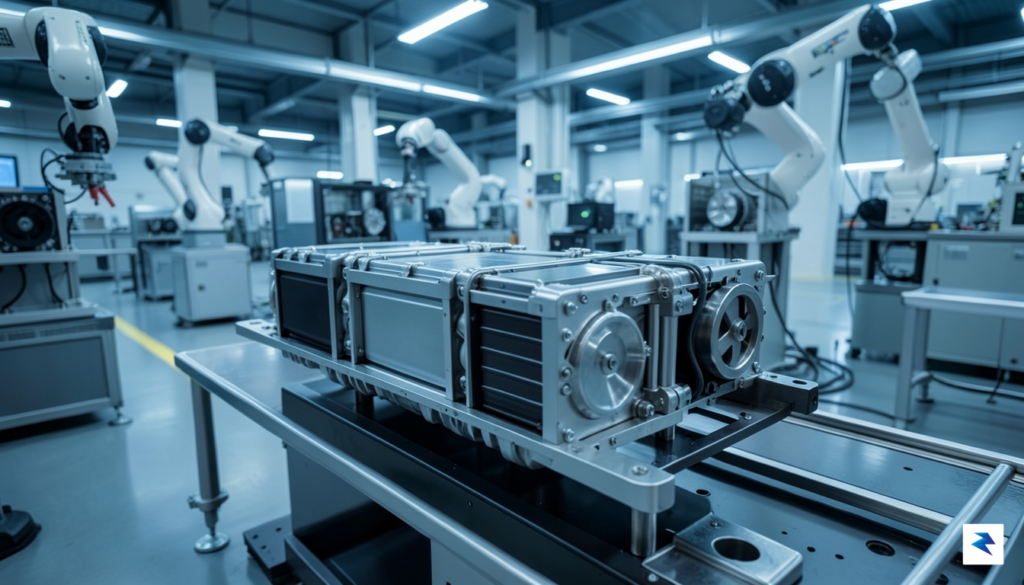
The irony of current trade policy is that by setting the bar for domestic content too high, too soon, the regulatory framework created a vacuum that only established global players—primarily those in China—could fill.
Ultimately, this situation highlights a fundamental tension between long-term industrial policy and short-term market survival. While the goal of fostering a robust, self-sufficient American battery industry is laudable, the transitional period requires a degree of pragmatism that has been largely missing from the conversation. When federal credits are modified in ways that penalize the use of efficient, affordable international components without providing a viable, price-competitive domestic alternative, the market naturally gravitates toward the path of least resistance. This has inadvertently cemented China’s role as the silent backbone of the American affordable EV movement, proving that in the race for mass-market electrification, price remains the most influential factor—often outweighing even the most well-intentioned political directives.

China’s command over the electric vehicle market is not a product of recent luck or sudden innovation; rather, it is the cumulative result of a multi-decade, state-backed strategy to secure every link in the battery supply chain. While Western automotive giants were still debating the long-term viability of electrification, Chinese firms were busy locking down access to critical minerals like lithium, cobalt, and nickel through aggressive international mining acquisitions. By controlling the processing infrastructure—where raw ore is refined into battery-grade chemicals—China effectively created a bottleneck that the rest of the world is now struggling to bypass. This vertical integration allows them to insulate their manufacturers from global price volatility, ensuring that their domestic gigafactories are always supplied with a steady stream of low-cost materials.
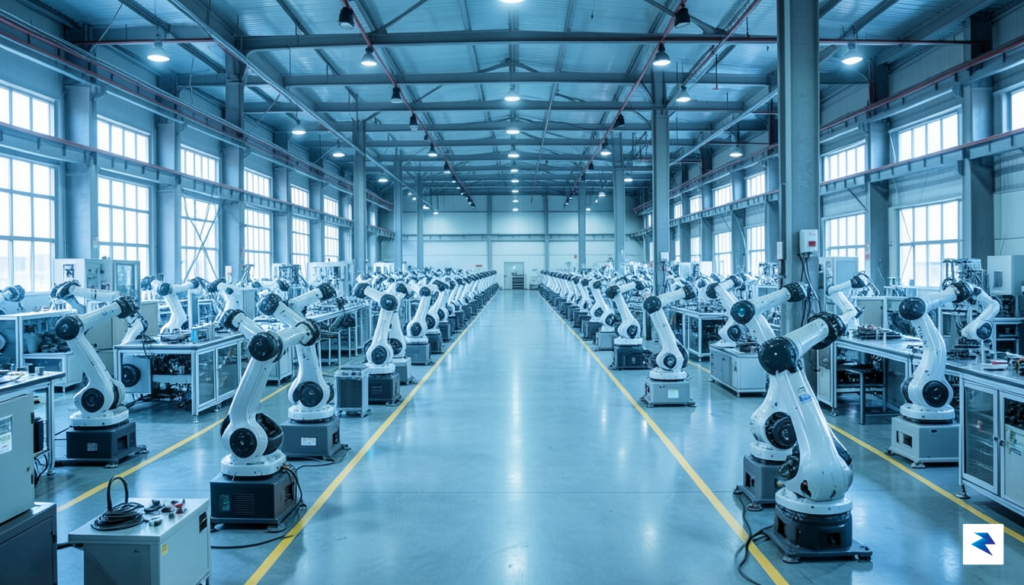
A key component of this technological dominance is the early and unwavering commitment to Lithium Iron Phosphate (LFP) battery chemistry. While the global industry initially favored nickel-cobalt-manganese (NCM) chemistries for their higher energy density, Chinese researchers spent years perfecting the LFP format, which is significantly cheaper to produce and more durable over the life of the vehicle. By investing heavily in the manufacturing maturity of LFP cells, China turned a “second-tier” chemistry into a global standard for affordable mobility. This foresight provided them with a massive competitive edge, as these batteries do not require expensive precious metals, thereby stripping away significant cost layers that continue to plague Western battery startups.
“The true power of the Chinese model lies not just in technology, but in the sheer scale of manufacturing operations that drive down the cost per kilowatt-hour to levels the West has yet to achieve.”
The concept of economies of scale is perhaps most visible in the sheer size and output density of China’s gigafactories. Because these facilities operate at such an immense volume, they can amortize their capital expenditures—the massive costs of machinery and facility construction—over millions of units, rather than thousands. This structure results in a cost-per-cell that is often 20% to 30% lower than that of counterparts in the United States or Europe. Furthermore, the localized nature of this ecosystem means that a battery manufacturer can often source its casing, separators, and electrolytes from a vendor located just a few miles away. This dense cluster of suppliers minimizes logistical friction, slashes transport costs, and allows for rapid iterative improvements in design that are nearly impossible to replicate in fragmented, globalized supply chains.
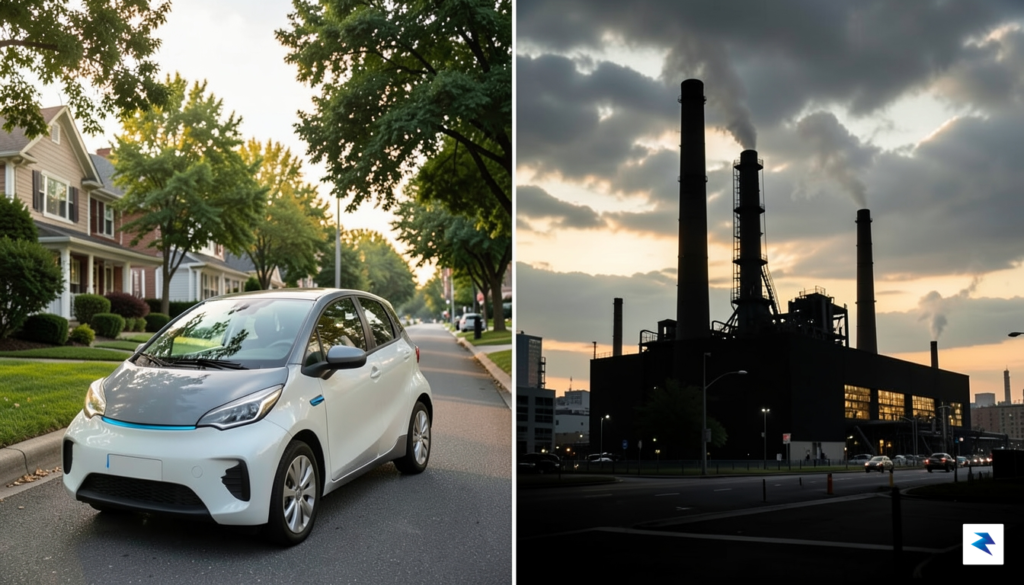
The electric vehicle revolution is rapidly moving from a niche luxury to an accessible option for many, largely driven by increasingly competitive pricing. This affordability, while exciting for consumers eager to embrace sustainable transportation, introduces a profound and often overlooked dilemma. Buyers are now faced with a complex choice that extends far beyond horsepower or range: the origin of the technology powering their shiny new vehicle. This tension between an attractively low price tag and the provenance of critical components, particularly batteries, shapes not only individual purchasing decisions but also the future trajectory of global economies and national security.
For a significant segment of the market, the bottom line is paramount. The desire to transition to an EV, motivated by environmental concerns, lower running costs, or simply the appeal of new technology, often collides with the reality of household budgets. When a foreign-made EV or one heavily reliant on foreign-sourced components offers a substantial price advantage over a domestically produced alternative, the economic incentive can be overwhelmingly persuasive. These cost savings are frequently a direct result of established, efficient, and sometimes government-subsidized foreign supply chains, especially those centered in China, which has invested heavily in battery production and raw material processing for decades.
Conversely, a growing number of consumers are looking beyond the initial purchase price, delving into the deeper implications of their vehicle’s origins. These buyers prioritize factors like supply chain transparency, ethical sourcing of materials, and the geopolitical footprint of their purchase. They might be concerned about the environmental impact of mining practices abroad, labor standards in distant factories, or the potential for geopolitical leverage that reliance on foreign manufacturing could create. For them, supporting domestic industries and ensuring a resilient, localized supply chain for critical technologies becomes a non-negotiable aspect of responsible consumption, even if it means paying a premium.
The long-term implications of widespread reliance on foreign battery technology for the American automotive industry are profound and far-reaching. While lower-cost foreign components enable more affordable EVs in the short term, they risk fostering a deep dependency that could undermine national economic and energy independence goals. If the foundational technology for future transportation remains largely manufactured overseas, particularly in politically sensitive regions, the U.S. automotive sector becomes vulnerable to supply chain disruptions, geopolitical tensions, and fluctuating international trade policies. This dependency extends beyond just manufacturing capacity; it also encompasses the crucial intellectual property and specialized expertise needed for advanced battery development.
Furthermore, this reliance could stifle domestic innovation and job creation within the crucial EV ecosystem. Investing heavily in foreign-made components means fewer resources are channeled into building out American manufacturing capabilities, research and development facilities, and a skilled workforce dedicated to battery production and material processing at home. The very essence of establishing energy independence through electrification becomes ironic if the nation merely trades reliance on foreign oil for reliance on foreign-made batteries. Ultimately, the choice between an attractively priced EV and one built with a transparent, domestically focused supply chain represents a microcosm of a much larger strategic challenge facing the American economy and its aspirations for a secure, sustainable future.
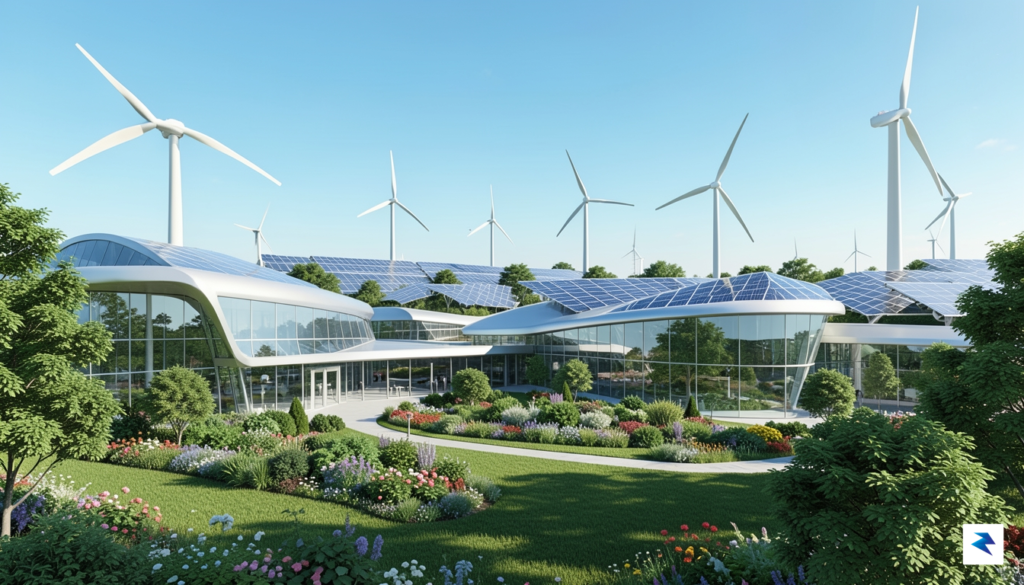
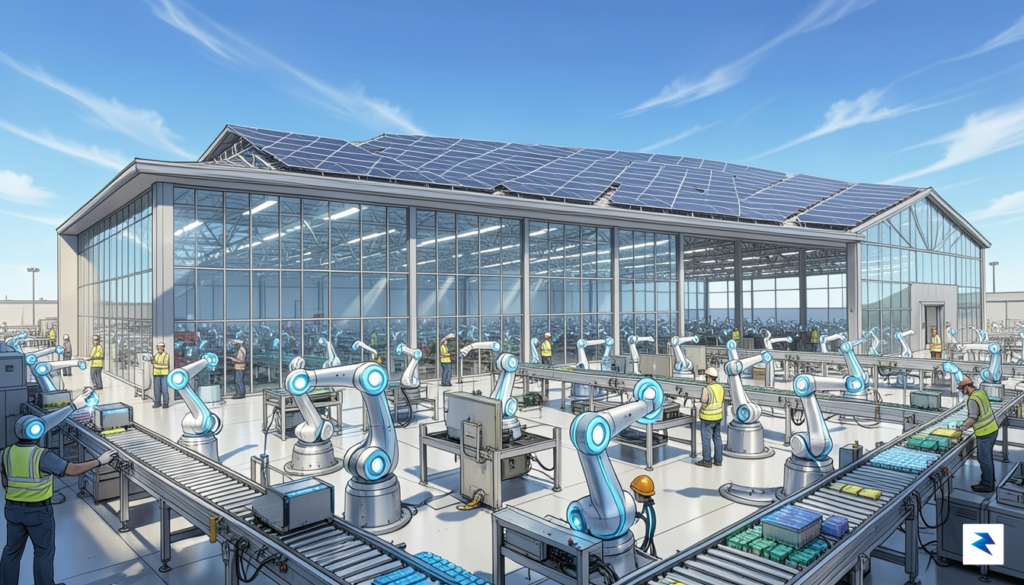
To secure a resilient future for the American electric vehicle industry, policymakers and private sector leaders must pivot from a reactive trade posture toward a proactive, vertically integrated manufacturing strategy. The current reliance on foreign supply chains, while efficient in the short term, exposes the domestic market to significant geopolitical and logistical vulnerabilities. Bridging the gap in battery manufacturing requires more than just tariff protections; it necessitates a massive, sustained investment in domestic research and development. By fostering innovation in next-generation battery chemistries—such as solid-state or silicon-anode cells—the United States can potentially leapfrog current legacy technologies and set new industry standards that prioritize both efficiency and safety over mere cost-cutting.
Furthermore, the path to a robust domestic ecosystem must emphasize sustainable and ethical mining practices right here on American soil. Currently, the processing of raw materials like lithium, nickel, and cobalt remains heavily concentrated in regions where environmental regulations are often secondary to output. If the U.S. intends to lead the global energy transition, it must streamline the permitting process for responsible domestic mining while simultaneously investing in advanced recycling technologies. This “closed-loop” approach would allow the industry to reclaim valuable minerals from spent battery packs, eventually reducing the need for virgin material extraction and insulating domestic manufacturers from the volatility of international commodity markets.
True energy independence in the automotive sector will not be found in isolation, but in the creation of a circular domestic economy that turns spent batteries into the foundation of tomorrow’s fleet.
Ultimately, the stability of the American EV market over the next decade will depend on long-term policy consistency rather than the ebb and flow of political cycles. Manufacturers require a predictable regulatory environment to justify the multi-billion-dollar capital expenditures associated with building gigafactories. When federal incentives, tax structures, and infrastructure commitments remain stable, businesses can confidently scale their operations and train a specialized workforce capable of maintaining technological leadership. As the industry matures, moving away from purely defensive trade barriers toward a model of competitive domestic capacity will be the essential move to ensure that affordable, high-quality electric transportation is accessible to every American consumer, regardless of shifting global alliances.
You must be logged in to post a comment.