The Evolution of the Apple Watch Design
Since its inaugural launch in 2015, the Apple Watch has remained a remarkably consistent fixture in the world of personal technology. While internal components, display brightness, and health sensors have evolved at a rapid pace, the core aesthetic and physical geometry of the device have stayed largely tethered to the original vision. This commitment to a singular design language is rare in the fast-moving consumer electronics space, where obsolescence is often baked into the product lifecycle. By maintaining the same essential shape for nearly a decade, Apple has cultivated a sense of trust and familiarity that has helped the device transcend its status as a mere gadget to become a reliable, everyday companion.
At the heart of this enduring success is the proprietary sliding-lug attachment system. This mechanism is widely considered a triumph of industrial design, offering a seamless balance between security and user-friendliness. By allowing users to swap bands with a simple click-and-slide motion, Apple effectively democratized the concept of watch customization, turning the device into a modular fashion statement. Whether a user is heading to a morning workout with a high-performance silicone sport band or transitioning to a formal dinner with a premium leather link, the hardware remains the same, but the personality of the watch shifts entirely.
The true genius of this design, however, lies in its steadfast commitment to backward compatibility. Over the course of ten generations, Apple has honored a silent promise to its customers: your investment in accessories will not be rendered useless by the next hardware upgrade. This continuity has fostered a multi-billion dollar secondary market, encouraging third-party manufacturers to innovate and providing users with an almost limitless library of choices. This ecosystem has created a powerful “lock-in” effect, not because of restrictive software, but because users have built up personal collections of bands that span years of history and sentimental value.
The longevity of the Apple Watch band ecosystem has turned a piece of silicon and glass into a long-term fashion investment, making the prospect of a design overhaul a significant concern for loyalists.
Because of this stability, the current rumors regarding a total redesign carry significant weight. If the attachment mechanism were to change, it would represent a fundamental shift in how Apple treats its legacy hardware. For millions of users who have spent hundreds, or even thousands, of dollars on their band collections, the prospect of a new, incompatible chassis feels less like progress and more like a disruption of a well-established lifestyle. As we look toward the potential changes on the horizon, it is clear that any departure from this proven form factor will be judged not just by its technical merits, but by how well it respects the community that has grown around the watch for the better part of a decade.
The Rumored 2027 Overhaul and Attachment Mechanism
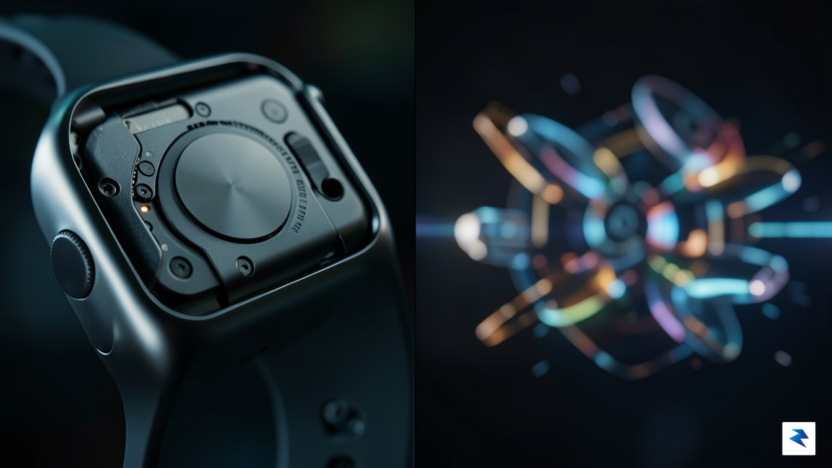
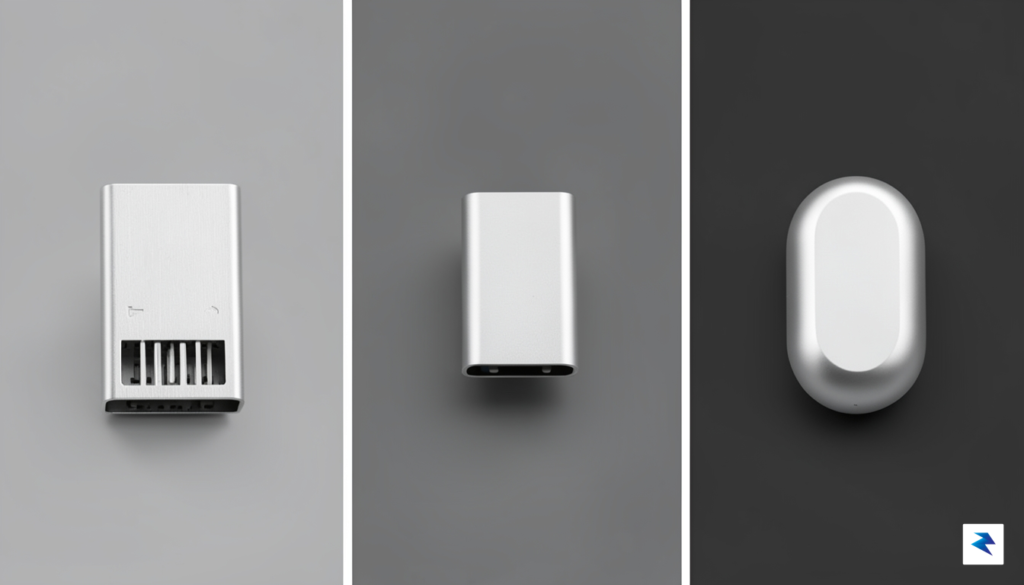
The long-standing reliance on the horizontal sliding-lug mechanism has defined the Apple Watch ecosystem since its inception, allowing users to effortlessly swap bands across generations. However, persistent supply chain intelligence suggests that 2027 will serve as a pivotal turning point for the hardware’s internal architecture. Rumors indicate that Apple is actively investigating a transition toward a magnetic or pressure-sensitive attachment system. This shift is not merely a design preference; it is a calculated engineering trade-off aimed at reclaiming critical internal volume currently occupied by the mechanical locking tracks that run deep into the device’s chassis.
By moving away from the sliding-lug system, Apple engineers could theoretically eliminate the structural channels required to secure the current band interface. These channels consume precious real estate that could be repurposed to house higher-density battery cells or more sophisticated sensor arrays. If the company opts for a magnetic snap-in or a flush-mounted pressure lock, the Watch could achieve a thinner profile without sacrificing durability. This internal reorganization is essential for the next generation of health-tracking technology, which often requires a larger footprint for components like blood pressure monitors or advanced glucose-sensing hardware that simply cannot fit alongside the existing mechanical locking architecture.
The transition to a magnetic attachment system represents a fundamental shift in how Apple prioritizes device thinness over legacy hardware compatibility, potentially signaling the end of a decade-long ecosystem of interchangeable accessories.
Beyond the immediate engineering benefits, a move toward a proprietary magnetic interface would grant Apple greater control over the accessory market. While the current locking mechanism is relatively simple to replicate, a sophisticated magnetic array—or a system requiring digital authentication via the connection point—would allow for specialized bands that interact directly with the Watch’s sensors. This could pave the way for “smart bands” capable of providing haptic feedback or gathering supplemental health data that the watch body alone cannot capture. However, this evolution comes with a significant consumer cost: the likely obsolescence of the massive aftermarket band collection that millions of users have curated over the last several years.
Ultimately, the challenge for Apple will be balancing the desire for internal innovation with the frustration of a potentially incompatible accessory catalog. While a magnetic or pressure-sensitive system promises a more streamlined device, it forces a hard choice between maintaining backward compatibility and pushing the boundaries of what a wearable can achieve. As we approach 2027, the industry is watching closely to see if Apple will offer a bridge—such as a legacy adapter—or if they will initiate a clean break to usher in a new era of ultra-thin, sensor-dense wearable technology.
The Economic and Environmental Impact of Band Obsolescence

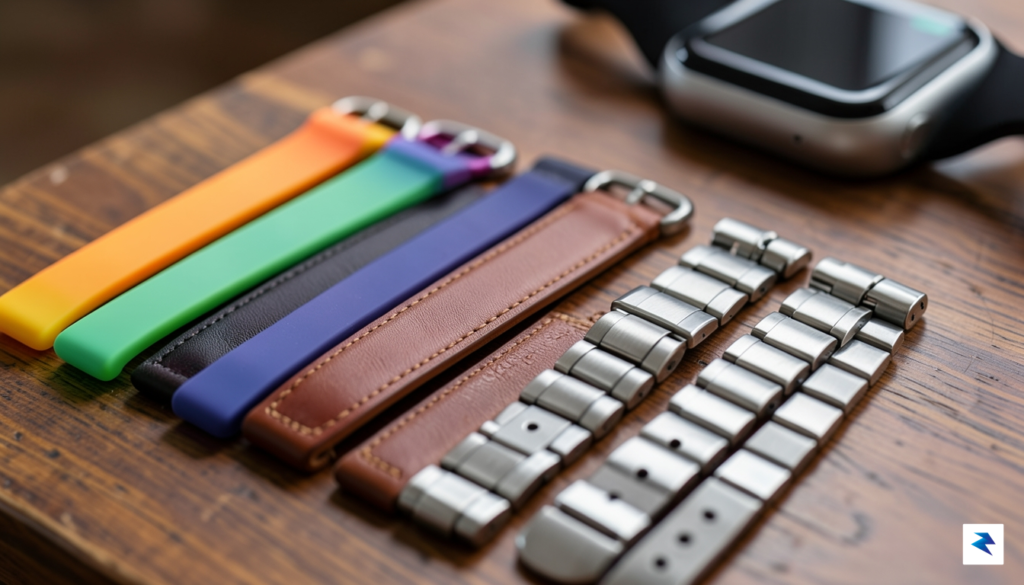
For the dedicated Apple Watch enthusiast, the ecosystem of bands is more than just a convenience—it is a significant financial commitment. Many long-term users have spent years curating collections that include premium leather loops, stainless steel link bracelets, and a variety of sport bands, with total investments often reaching into the thousands of dollars. The prospect of a hardware redesign that renders this entire catalog incompatible is not merely an inconvenience; it represents a sudden, forced devaluation of a user’s personal investment. If Apple shifts to a new attachment mechanism, these loyalists may find themselves forced to either abandon their curated collections or continue using older, unsupported hardware, effectively creating a “sunk cost” dilemma that could dampen enthusiasm for future upgrades.

From an environmental perspective, the sudden obsolescence of millions of functional accessories raises profound questions about Apple’s stated sustainability commitments. While the company has made commendable strides toward carbon neutrality, the prospect of an entire generation of accessories becoming e-waste overnight stands in stark contrast to these eco-friendly goals. When functional, high-quality products are rendered useless by a change in port or latch design, it contributes to a “throwaway culture” that accelerates the accumulation of landfills. If the redesign mandates that existing bands be discarded, the environmental footprint of producing millions of replacement straps—including the extraction of raw materials and the energy cost of manufacturing and global shipping—could significantly undermine the company’s environmental progress.
Forced obsolescence isn’t just a technical update; it is a policy decision that directly impacts the lifecycle of consumer goods and the company’s long-term sustainability footprint.
However, history suggests that the market may find creative solutions to mitigate this transition. If Apple does move forward with a new proprietary attachment system, we can expect third-party manufacturers to act quickly, developing bridge adapters or conversion kits that allow legacy bands to be used with the new chassis. While these adapters might not offer the same seamless aesthetic as the original design, they would serve as a vital lifeline for consumers who wish to preserve the value of their existing collections. Ultimately, the success of this potential transition will depend on whether Apple chooses to provide a clear path for backward compatibility or chooses to prioritize a complete design overhaul at the expense of its most loyal user base.
Consumer Expectations vs. Apple’s Design Philosophy
Apple has long operated under a design philosophy that prioritizes forward-looking engineering over the preservation of existing consumer accessories. This strategy, often referred to by the company as “courage,” manifests in the calculated disruption of established hardware standards to make room for transformative technology. Much like the controversial removal of the headphone jack from the iPhone or the eventual, forced migration from the proprietary Lightning connector to the universal USB-C standard, Apple views these transitions not as inconveniences, but as necessary growing pains. By shedding legacy components, the company creates the physical space and structural integrity required for the next generation of feature sets that would otherwise be impossible to implement.
The rumors surrounding a potential 2027 redesign suggest that the current band attachment system—a mechanism that has remained remarkably consistent since the very first model released in 2015—may finally be reaching its structural limit. For years, Apple has managed to maintain backward compatibility, allowing users to move bands from an aging Series 3 to the latest flagship models. However, if the company plans to introduce groundbreaking health-monitoring hardware, such as non-invasive glucose tracking or blood pressure sensors that require a more robust internal chassis, the current band slot design could be viewed as a bottleneck. These internal upgrades often demand more volume within the watch casing, forcing engineers to reclaim every square millimeter of space previously occupied by the mechanical locking rails.
The history of Apple hardware is marked by a refusal to let legacy constraints dictate the potential of future devices. If a design choice limits the inclusion of life-saving sensor technology, that design choice is inevitably marked for obsolescence.
While the prospect of rendering years of investment in high-end bands obsolete is undoubtedly frustrating for the loyal user base, it aligns perfectly with Apple’s iterative strategy of “planned optimization.” By breaking compatibility, Apple avoids the trap of incremental stagnation, ensuring that its wearable platform remains the market leader in health and fitness integration. The transition period is almost always met with significant public backlash, yet history has shown that Apple typically views these shifts as inevitable trade-offs. Ultimately, the company is betting that the allure of future features—such as extended battery life made possible by a more efficient internal layout or thinner bezels enabled by a redesigned frame—will far outweigh the temporary annoyance of an incompatible watch band collection.
What Should Apple Watch Users Do Now?

If you are currently weighing whether to purchase a new Apple Watch or expand your existing collection of bands, the prospect of a 2027 design overhaul creates a unique dilemma. While three years is a significant amount of time in the fast-paced world of consumer electronics, it is short enough to warrant a more cautious approach to high-end investments. For those who view their Apple Watch as a long-term companion, the best strategy is to focus on utility and cost-to-wear ratios rather than speculative future-proofing. If you need a watch today, do not let rumors paralyze your decision-making; however, you should adjust your spending habits to favor versatility over luxury.
When it comes to building out your collection of straps, it is wise to distinguish between daily drivers and premium investments. Entry-level silicone or woven bands are relatively inexpensive, meaning their potential obsolescence in a few years is an acceptable trade-off for the comfort and style they provide right now. Conversely, if you have been eyeing a high-end titanium link bracelet or a luxury leather strap that costs several hundred dollars, you might want to pause. These premium accessories are often designed for specific chassis geometries, and there is a high probability that a complete redesign will render them incompatible with future hardware. If you must have a luxury accessory, consider buying them used or opting for high-quality third-party alternatives that won’t break the bank, ensuring you get your money’s worth before the hardware transition occurs.
Strategic Upgrading for the Long Term
For those planning to upgrade their actual timepiece, the current roadmap suggests that waiting until the 2027 refresh might offer the best value for your money. If your current watch is functioning well, there is little incentive to jump into a new model that will likely be incompatible with your existing accessory ecosystem just a few seasons later. By holding off on a major hardware purchase, you avoid the frustration of being “locked in” to an aging design language while simultaneously saving your capital for the potential launch of a redesigned, more advanced device.
The key to managing this transition is to prioritize the functionality of the device today while treating expensive accessories as temporary indulgences rather than permanent investments.
Ultimately, the most balanced approach is to view your current Apple Watch ecosystem as a tool meant for the present moment. Continue to enjoy the health tracking, notification management, and aesthetic benefits your device offers, but do so with a clear-eyed understanding of the hardware lifecycle. Avoid over-investing in expensive, proprietary connectors, and keep your accessory spending focused on items that provide immediate daily satisfaction. By remaining flexible, you ensure that you aren’t caught off guard when Apple eventually shifts to a new design standard, allowing you to transition into the next generation of wearable technology without feeling like your collection has been left behind.