Tesla Manslaughter Charges: Understanding the Risks of FSD and Driver Responsibility
The Incident: Understanding the Texas Tesla Tragedy The quiet community of Katy, Texas, became the site of a devastating collision that has…

The recent revelation that a prominent European politician, specifically tasked with investigating the burgeoning threat of spyware abuses across the continent, found himself a direct target of NSO Group’s notorious Pegasus software marks a chilling and dangerous turning point in the global digital surveillance arms race. This isn’t merely another high-profile hacking incident; it represents a profound paradox, where the very individuals entrusted with upholding democratic oversight and accountability against invasive technologies are themselves subjected to the most sophisticated forms of digital intrusion. The irony is stark and deeply unsettling, highlighting an escalating crisis where the guardians of digital rights are becoming prey, fundamentally challenging the integrity of democratic processes and the safety of those who work to protect them.
This incident is far more than an isolated act of cyber espionage; it constitutes a direct assault on the fundamental principles of democratic governance and the rule of law. When a member of a parliamentary committee, whose mandate is to scrutinize and expose the illicit use of surveillance tools, has their communications compromised, it severely obstructs their ability to perform their duties without fear or favor. Such targeting creates an insidious chilling effect, not only on the affected individual but also on other investigators, journalists, and activists who might dare to challenge powerful interests. It undermines the very mechanisms designed to hold power accountable, suggesting that no one, regardless of their position or mission, is immune from state-backed digital threats, thereby eroding public trust in institutions meant to protect civil liberties.
At the heart of this alarming development lies Pegasus, a product developed by the Israeli firm NSO Group, widely regarded as the most sophisticated mobile surveillance tool in the world. Unlike conventional malware, Pegasus is infamous for its “zero-click” exploit capabilities, meaning it can infiltrate a target’s smartphone without any interaction from the user, leaving virtually no trace. Once installed, it transforms the device into a comprehensive spying tool, capable of extracting messages, listening to calls, accessing photos, activating the camera and microphone, and tracking location data—all without the owner’s knowledge. This unparalleled level of access and stealth makes Pegasus an incredibly potent weapon, typically sold exclusively to governments for combating terrorism and serious crime, yet its alleged misuse against politicians, journalists, and human rights defenders has sparked widespread international condemnation and underscores the urgent need for stringent regulation and oversight in the digital realm.

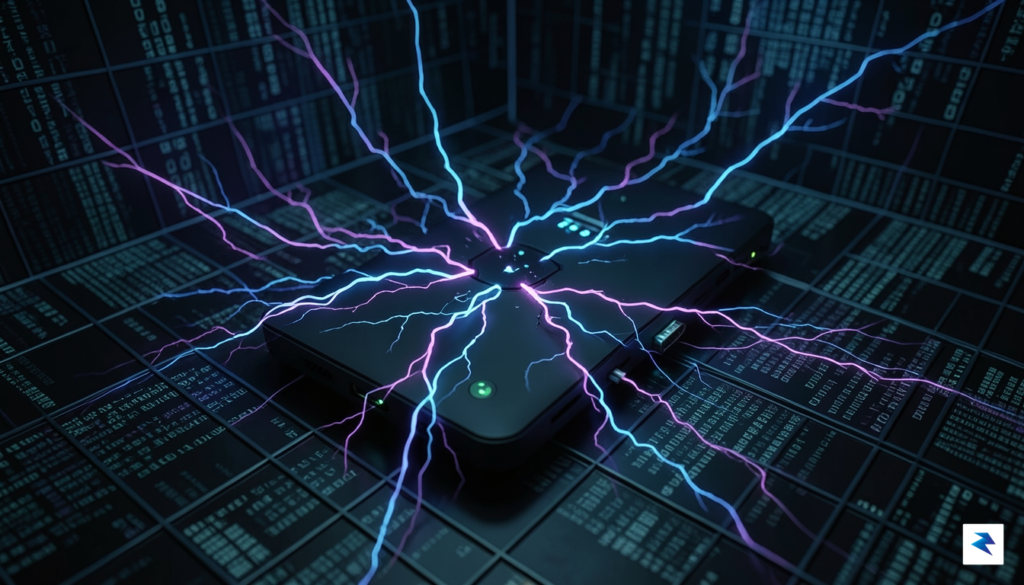
For years, the gold standard of cybersecurity advice was simple: don’t click on suspicious links. We were taught to scrutinize every email, avoid strange text messages, and steer clear of untrusted attachments. However, Pegasus has fundamentally dismantled this long-standing security paradigm. Unlike conventional malware that relies on a “user error” to gain a foothold, Pegasus frequently utilizes what security experts call a “zero-click” exploit. This means the spyware can infiltrate a device without the owner ever touching their screen, clicking a link, or even acknowledging a notification. By exploiting invisible vulnerabilities in common apps—such as those used for messaging or video conferencing—the software effectively slips through the front door while the deadbolt is still locked.

Once this silent infiltration is complete, the attacker gains near-total control over the device, effectively turning a secure personal tool into a sophisticated surveillance hub. The spyware does not just stop at reading emails or call logs; it operates with surgical, deep-system access that bypasses even the most robust encryption protocols. It can remotely activate the camera to record video, turn on the microphone to eavesdrop on private conversations, and track GPS coordinates in real-time. Because it intercepts data before it is encrypted by apps like Signal or WhatsApp, even “secure” communication channels become transparent to the operators of the software.
The most dangerous aspect of zero-click spyware is that it leaves no trace for the average user. There is no suspicious pop-up, no sudden battery drain that feels out of the ordinary, and no tell-tale sign that your privacy has been compromised.
This reality explains why even the most vigilant, tech-savvy politicians are essentially defenseless against such sophisticated tools. When an adversary possesses the resources to purchase a zero-click exploit, they are no longer trying to trick the human; they are exploiting the inherent, unavoidable flaws in the software that runs our global infrastructure. While a traditional phishing attack relies on the victim making a mistake, a Pegasus attack relies on the victim simply existing in the digital space. For lawmakers and investigators tasked with holding power to account, this creates a terrifying power imbalance: they are being watched by the very systems that were designed to keep their digital lives private, all without ever knowing they were under siege.
The European Union has spent the last several years positioning itself as the global vanguard against the unchecked proliferation of military-grade surveillance technology. Through the establishment of the PEGA Committee, the European Parliament sought to pull back the curtain on a shadowy industry that has frequently operated in a regulatory vacuum. By meticulously documenting how tools like Pegasus—developed by the NSO Group—have been repurposed to target journalists, activists, and political dissidents, the EU aimed to establish a rigorous legal framework to prevent the weaponization of private sector software against democratic institutions. This investigation was not merely an academic exercise; it was a necessary response to a mounting human rights crisis that threatened the integrity of democratic processes across member states.
However, this quest for transparency has been met with fierce, often opaque resistance from both the technology firms at the center of the controversy and the state actors who purchase their services. The NSO Group and its peers have consistently leaned on the argument of national security, suggesting that these tools are essential for counter-terrorism and law enforcement, despite overwhelming evidence of their use against civil society. This narrative has provided a convenient shield for various government clients to avoid accountability. Whenever the EU inquiry gained momentum, it was frequently met with stonewalling, bureaucratic obfuscation, and a refusal from member states to disclose the specific, sensitive contracts that govern their relationships with private spyware vendors.

The recent revelation that a high-ranking politician tasked with investigating these very abuses was himself a target of a Pegasus infection represents a chilling shift in this power struggle. This was not a random security breach or an unfortunate digital accident; it was a calculated act of intimidation aimed at the very heart of parliamentary oversight. By compromising the device of an investigator, the perpetrators signaled that no one—regardless of their official mandate or protective status—is beyond the reach of their intrusive capabilities. This brazen display of digital force is clearly designed to derail the EU’s momentum, creating an environment of fear where lawmakers and investigators must constantly look over their shoulders, wondering if their private communications are being harvested by the very entities they are meant to regulate.
The targeting of an EU investigator is more than a technical failure; it is a direct assault on the democratic process and a desperate attempt to silence those who dare to shine a light on the illicit use of surveillance technology.
Ultimately, this attack highlights the inherent danger of allowing a largely unregulated market for cyber-weapons to flourish within the borders of the European Union. When the oversight bodies themselves are subjected to the same surveillance tactics they are investigating, the entire concept of accountability is fundamentally undermined. The message from the shadowy interests behind these attacks is clear: they prefer a world where oversight is impossible and where the digital sphere remains a lawless frontier. Moving forward, the European Union must decide whether it will succumb to this intimidation or whether it will strengthen its resolve, ensuring that the architects of these surveillance regimes are held fully accountable for their attempt to subvert the rule of law.

When the very tools engineered to dismantle terrorist networks are weaponized against the individuals tasked with overseeing the rule of law, the architecture of democracy begins to fracture. The deployment of Pegasus spyware against legislators and human rights defenders is not merely a breach of personal privacy; it represents an existential threat to the oversight mechanisms that keep executive power in check. By compromising the digital sanctity of those investigating state abuses, perpetrators effectively silence the watchdogs. This creates a dangerous chilling effect where journalists, activists, and policymakers must operate under the constant, paralyzing fear that their most sensitive communications—and their confidential sources—are being siphoned directly to their political adversaries.
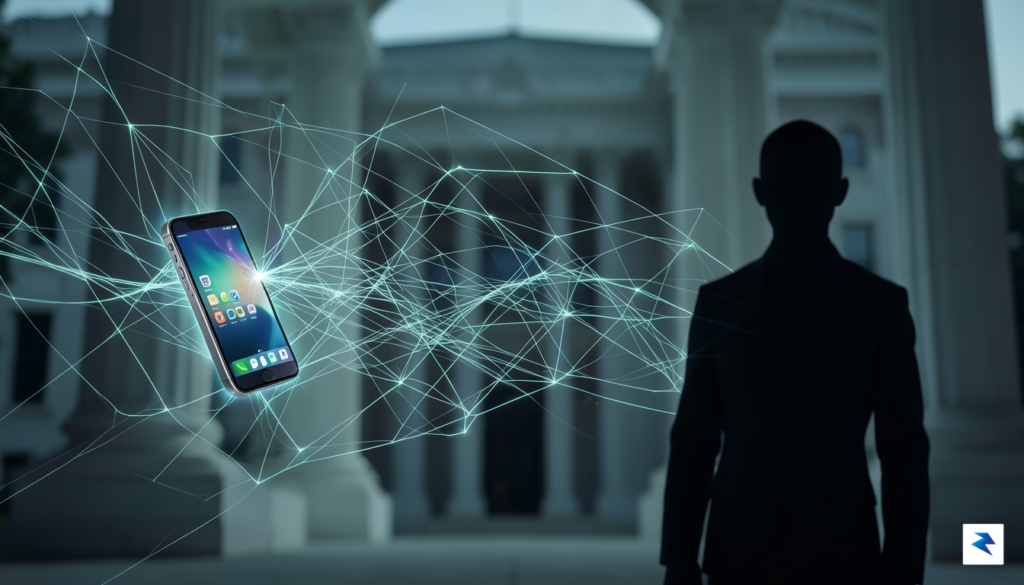
The erosion of privacy for public officials is a harbinger of a broader societal degradation that inevitably trickles down to the private citizen. If a legislator—someone ostensibly protected by the weight of their office—cannot communicate securely, the average citizen possesses virtually no defense against state-sponsored digital intrusion. This normalization of surveillance creates a self-censoring society, where the fear of digital retribution discourages dissent, stifles political activism, and discourages the kind of brave, investigative journalism necessary for a healthy public discourse. As privacy becomes a luxury reserved for those who can afford high-level encryption or digital isolation, the democratic promise of an open, transparent society is replaced by an environment of pervasive, invisible monitoring.
The unchecked proliferation of military-grade spyware creates a “surveillance-first” governance model that treats democratic participation as a vulnerability to be patched, rather than a right to be protected.
Furthermore, the lack of accountability for private corporations that develop and distribute these sophisticated cyber-weapons remains a glaring systemic failure. These companies often operate in a legal gray zone, claiming they only sell their technology to “legitimate” government entities while simultaneously ignoring the clear evidence of human rights abuses committed by those same clients. Without robust international regulations and strict export controls, these tools will continue to be sold to the highest bidder, regardless of their track record on civil liberties. Until there is a globally enforced legal framework that holds both the vendors and the state end-users accountable for the deployment of invasive spyware, the digital foundations of our democratic institutions will remain perilously exposed to those who view transparency as an enemy of the state.

The international community currently finds itself at a precarious crossroads, where the rapid evolution of surveillance technology has effectively outpaced the slow-moving gears of existing legal frameworks. When those tasked with oversight become the targets of the very tools they are investigating, it becomes painfully clear that the status quo is fundamentally broken. To address the proliferation of cyber-mercenary tools, we require a multifaceted approach that moves beyond reactive measures toward a proactive, global standard. This must begin with rigorous international export controls that treat spyware not as standard software, but as munitions requiring strict oversight and end-user verification. By blacklisting companies that knowingly facilitate the targeting of journalists, human rights defenders, and political figures, the global community can impose a tangible cost on those who profit from the erosion of democratic norms.

Beyond government intervention, the role of major technology companies like Apple and Google is more critical than ever before. These corporations act as the digital gatekeepers of the modern age, and they carry a profound responsibility to harden their operating systems against zero-day exploits. While these tech giants have already begun to issue rapid security patches and notify users of state-sponsored threats, the cat-and-mouse game inherent in cybersecurity suggests that patching alone is insufficient. We need a fundamental shift toward “security by design,” where privacy-preserving architecture is prioritized over convenience, and where hardware-level protections make the deployment of intrusive spyware exponentially more difficult for malicious actors to achieve.
The normalization of surveillance tools as a commodity for hire has created a shadow industry that threatens the very foundations of privacy and political accountability.
Ultimately, the path forward demands an unprecedented level of international cooperation that transcends traditional geopolitical alliances. If we are to protect the integrity of our democratic institutions, we must establish a binding global treaty that prohibits the sale of surveillance technology to regimes with poor human rights records. This agreement should include mechanisms for transparency, forcing vendors to disclose their client lists and security protocols to independent oversight bodies. Without a unified, multilateral commitment to curb the reach of cyber-mercenaries, the digital ecosystem will continue to favor the predator over the protector. Protecting the fundamental right to digital privacy is no longer just a technical challenge; it is a vital necessity for the survival of an informed, free, and secure society.
You must be logged in to post a comment.