Why Your Favorite Gadgets Are Getting More Expensive (And Why It Won’t Stop)
The Perfect Storm: Why Your Next Gadget Upgrade Will Cost More If you have spent any time recently shopping for a new smartphone, a sleek…

At its core, bone conduction technology represents a departure from the traditional way we perceive sound. While standard earbuds rely on air-conduction—where sound waves travel through the ear canal to vibrate the eardrum—bone conduction utilizes specialized transducers that convert audio signals into mechanical vibrations. These vibrations are transmitted directly through the cheekbones, bypassing the external ear canal and eardrum entirely to stimulate the cochlea within the inner ear. Because this process relies on solid-state conduction rather than air pressure, it effectively turns your skull into a conduit for sound, allowing you to hear music and podcasts while your ears remain completely open to the environment.
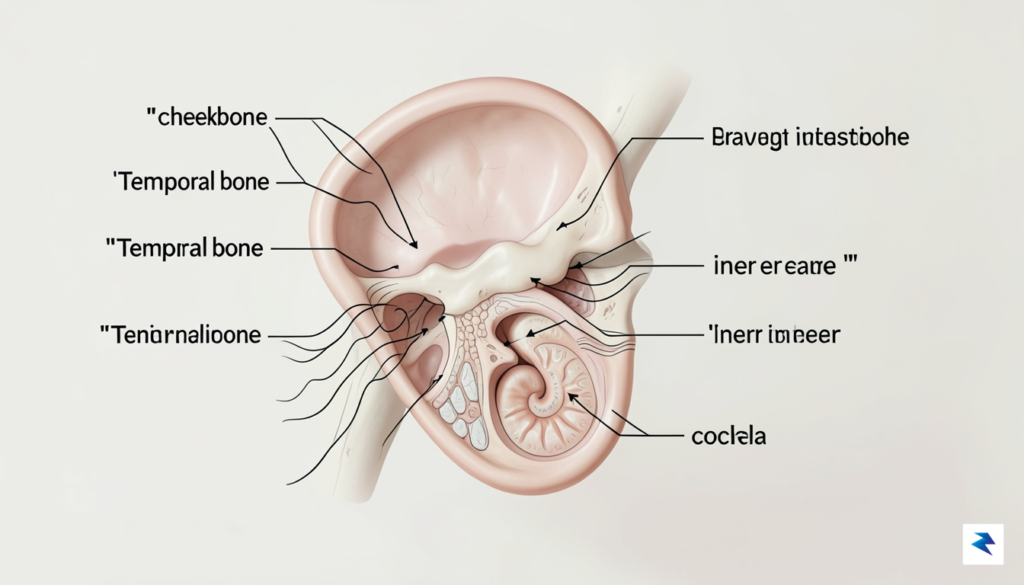
Because the physics of bone conduction differ significantly from traditional driver-based audio, it is important to set realistic expectations regarding sound fidelity. In standard headphones, the ear canal acts as a resonant chamber that can amplify low-end frequencies, creating a deep, immersive bass response. Bone conduction, conversely, lacks this acoustic enclosure, which naturally results in a lighter low-end profile and a more “open” soundstage. While 2026 models from brands like Shokz and Mojawa have made massive strides in vibration cancellation and mid-range clarity, users should understand that this hardware is designed for transparency rather than studio-grade isolation. You aren’t just listening to audio; you are layering digital sound over the acoustic reality of your surroundings.
The true superpower of bone conduction lies in its ability to maintain your spatial awareness, ensuring you are never truly isolated from the world around you.
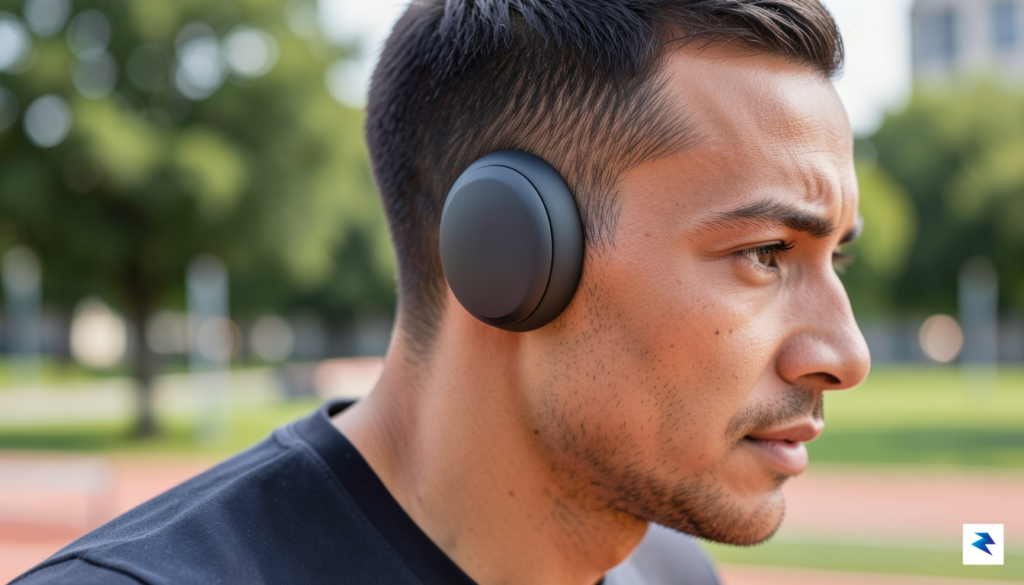
This inherent transparency is exactly why bone conduction has become the gold standard for outdoor athletes and urban commuters. By leaving the ear canal unobstructed, the technology eliminates the “occlusion effect”—that muffled, blocked sensation you get when wearing noise-canceling buds—allowing you to hear traffic, sirens, or approaching runners with perfect clarity. This is not merely a convenience feature; it is a vital safety mechanism for anyone navigating high-traffic areas or remote trails. When you choose bone conduction over traditional in-ear options, you are prioritizing a multisensory experience where high-fidelity audio meets the essential need for environmental vigilance.

For runners, cyclists, and urban commuters, the decision to wear headphones often feels like a compromise between enjoying a curated playlist and maintaining situational awareness. Traditional noise-canceling earbuds, while impressive in their ability to silence the world, inadvertently create a dangerous phenomenon known as auditory masking. By physically blocking the ear canal, these devices drown out the subtle, life-saving cues of the environment, such as the hum of an approaching electric vehicle, the warning call of a fellow cyclist, or the sudden screech of tires. Bone conduction technology fundamentally solves this “headphone isolation” problem by bypassing the ear canal entirely, delivering sound vibrations through the cheekbones directly to the inner ear, leaving your ears completely unobstructed to process the surrounding acoustic landscape.
Beyond the immediate risk of accidents, many outdoor athletes suffer from “ear fatigue” caused by the persistent pressure of in-ear tips. When you combine this physical discomfort with the cognitive load of constantly toggling between noise-canceling and transparency modes, your workout focus inevitably suffers. Transparency mode—a feature common in premium earbuds—uses microphones to pipe external noise into your ears, but this digital simulation often introduces latency and an artificial, processed soundscape that can be disorienting during high-intensity movement. Because bone conduction devices rely on the natural, physical conduction of sound, there is no digital lag or battery-draining processing. You receive an authentic, raw feed of your surroundings, which provides a level of spatial awareness that digital transparency modes simply cannot replicate.

The true advantage of bone conduction is not just the audio quality, but the elimination of the “sensory barrier” that separates an athlete from the rhythm of the city or the tranquility of a trail.
Furthermore, the safety benefits are particularly pronounced for those navigating complex urban environments where peripheral vision is often obscured. Research into auditory perception suggests that humans rely heavily on 360-degree sound cues to localize threats before they enter our visual field. By keeping the ear canal open, you maintain your natural ability to pinpoint the direction and speed of oncoming traffic. Whether you are a marathon runner weaving through city streets or a commuter navigating bike lanes, these headphones ensure that you are never “deaf” to the world around you. By choosing bone conduction, you are not merely selecting a piece of audio hardware; you are investing in a safer, more intuitive way to integrate your digital life with your outdoor physical activity.
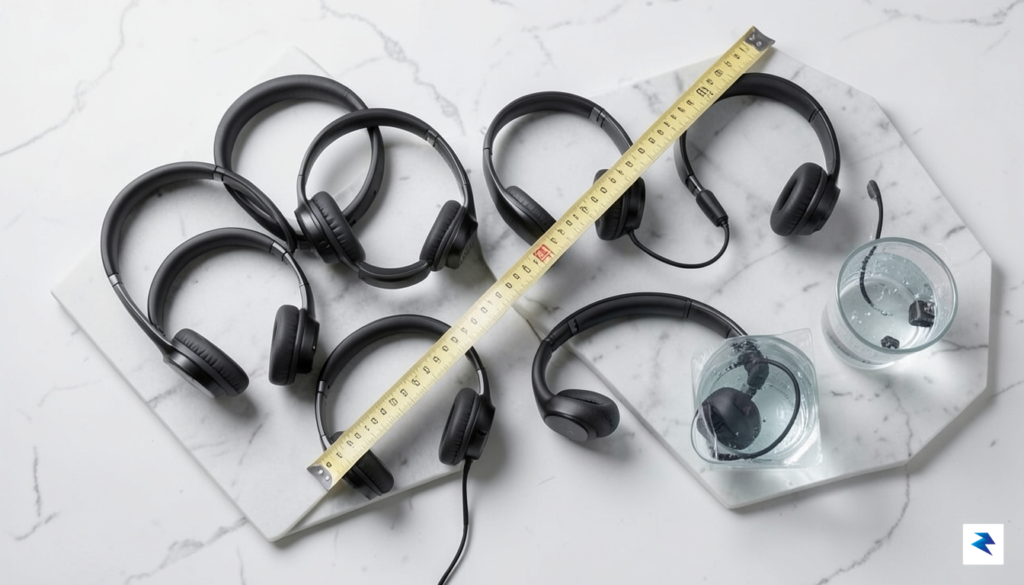
When selecting bone conduction headphones, the technical specifications often dictate whether your device becomes a daily companion or a forgotten gadget in your gym bag. The most critical starting point is the IPX rating, which defines how well the hardware withstands moisture. If you are an outdoor runner or a heavy sweater, look for at least an IP67 rating, which ensures the device is fully dust-tight and can survive submersion in water. While entry-level models might offer IP55 protection—sufficient for light rain—those planning to swim or train in torrential downpours should prioritize higher ratings to prevent internal component corrosion over time.
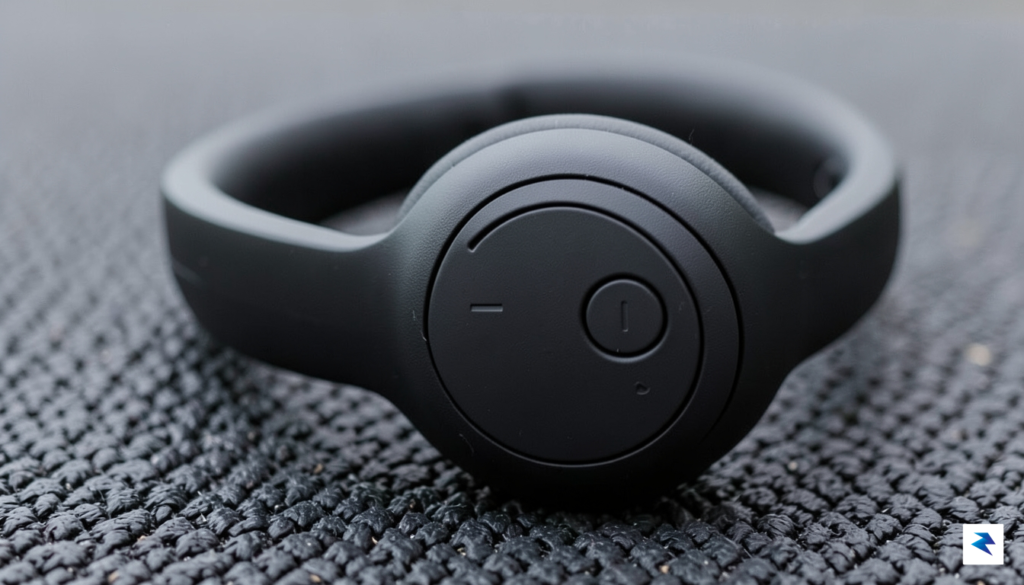
Battery life is another arena where real-world usage often diverges from marketing claims. While many manufacturers advertise eight to ten hours of playback, these figures are usually derived from moderate volume levels. In practice, if you frequently listen at higher decibels to overcome ambient city noise, you should expect a 15-20% reduction in those advertised benchmarks. It is essential to look for models that support quick-charging capabilities, as the ability to gain an hour of playback from just a ten-minute charge can be the difference between a silent commute and an energized workout.
The physical composition of the frame significantly impacts long-term comfort and stability. High-end models predominantly utilize titanium frames, which provide an ideal balance of flexibility and tension; this ensures the transducers stay firmly against your cheekbones without causing excessive “clamping” pressure. Conversely, cheaper plastic-shell alternatives may feel rigid and prone to fatigue during extended wear. Furthermore, consider the wrap-around style; a well-engineered titanium frame will maintain its shape even after being stuffed into a backpack, whereas plastic frames can become brittle or lose their tension over time.
Reliability is not just about battery longevity; it is about the structural integrity of the frame and the stability of the wireless handshake between your device and your headset.
Finally, the version of Bluetooth integrated into your headphones directly influences your daily user experience. In 2026, you should settle for nothing less than Bluetooth 5.3 or higher. These modern iterations offer superior power efficiency and significantly reduced latency, which is particularly beneficial if you use your headphones for watching videos or gaming during travel. Beyond just audio quality, the latest standards provide a much more stable connection in crowded environments like gyms or subway stations, where signal interference is rampant. By prioritizing these four pillars—durability, power, ergonomics, and connectivity—you ensure that your investment provides value long after the initial excitement of the purchase fades.
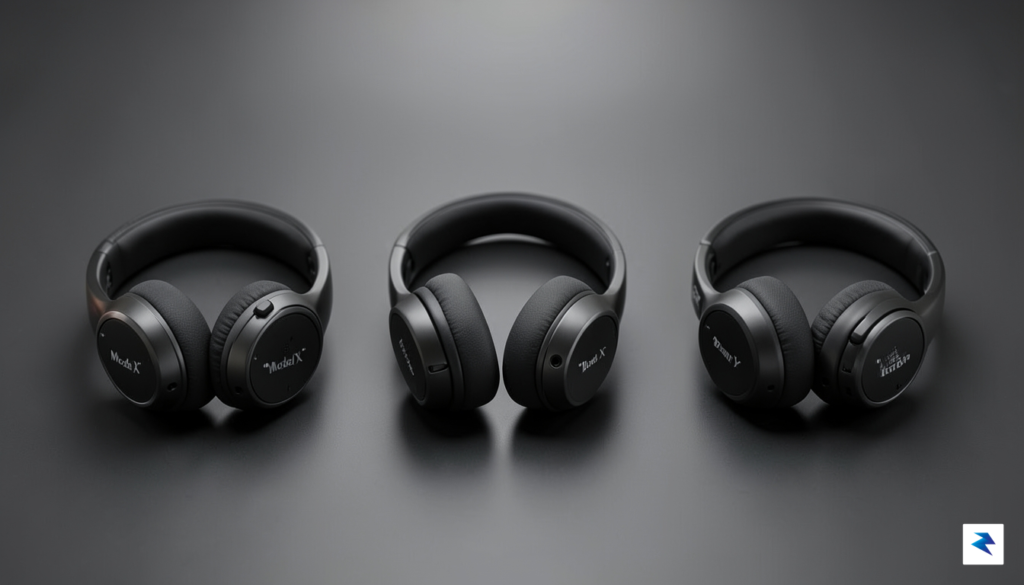
The landscape of open-ear audio has evolved rapidly, moving from niche athletic gear to essential everyday tech. As we navigate the 2026 market, three brands have solidified their positions by catering to distinct user priorities. Shokz remains the undisputed gold standard for long-term comfort, leveraging years of ergonomic refinement to ensure their titanium-frame headsets feel nearly weightless during high-intensity marathons. Their focus is singular: providing a secure, “forget-you’re-wearing-them” fit that survives sweat and movement without needing constant adjustment.
Conversely, Suunto has carved out a unique space by leaning into the needs of the dedicated fitness enthusiast. By integrating seamlessly with their existing suite of sports watches and training data ecosystems, Suunto devices act as an extension of your performance tracking rather than just a standalone audio accessory. This makes them the premier choice for athletes who want a cohesive experience where their heart rate monitor, GPS data, and audio cues are all managed by a single, unified brand interface.
While Shokz and Suunto prioritize utility and performance, Mojawa serves the tech-forward user who views headphones as a lifestyle statement. Their approach to industrial design is bold, often incorporating premium materials and intuitive haptic touch controls that allow for seamless navigation of tracks and calls. Mojawa differentiates itself by pushing the boundaries of what bone conduction can look like, blending sleek aesthetics with innovative features like internal storage and rapid-charging capabilities that appeal to urban commuters and tech enthusiasts alike.
Determining which headset belongs in your gear bag depends largely on your daily routine. To simplify your decision, consider the primary use case for your purchase:
Ultimately, the best bone conduction headphones are the ones that disappear into your routine, providing safety and awareness without compromising on the sound quality or connectivity you demand.
By identifying whether your priority is marathon-ready stability, fitness ecosystem integration, or cutting-edge design, you can bypass the marketing noise and invest in a pair that truly enhances your daily movement. Each of these leaders offers a specialized experience, ensuring that whether you are hitting a new personal best or simply walking to the office, your audio experience remains safe, comfortable, and tailored to your needs.
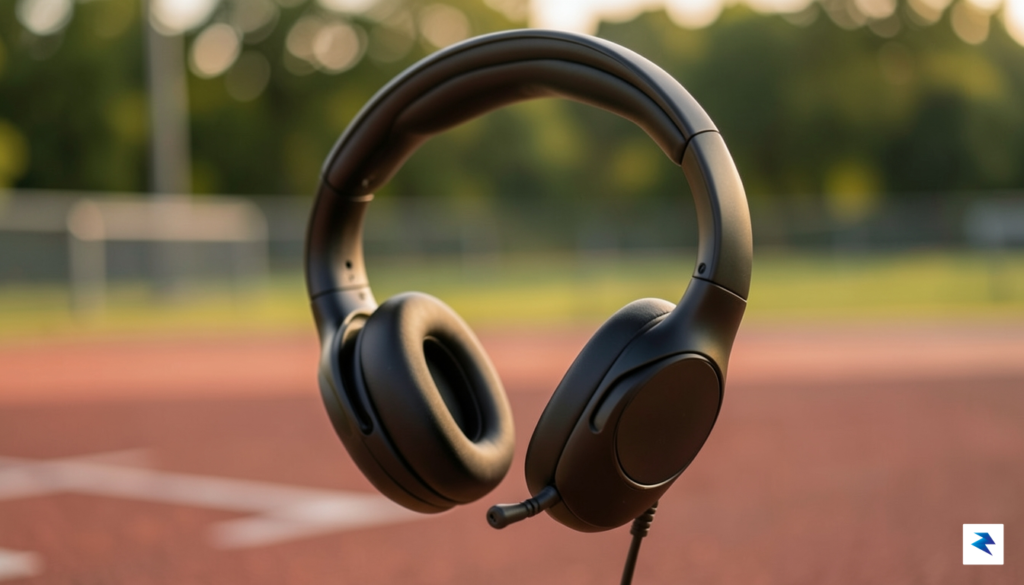
Investing in a high-end pair of bone conduction headphones is a commitment to both performance and longevity, but realizing that return on investment requires an understanding of material science and maintenance. Most premium models from 2026, such as those from Shokz or Suunto, utilize lightweight titanium frames designed to retain their shape after thousands of flexes. However, even the most durable aerospace-grade titanium can succumb to metal fatigue if improperly stored or consistently stretched beyond its intended tension. To ensure your device survives years of daily use, it is critical to avoid tossing them loosely into a gym bag where the transducers can be crushed or the frame can be permanently deformed by heavier gear.
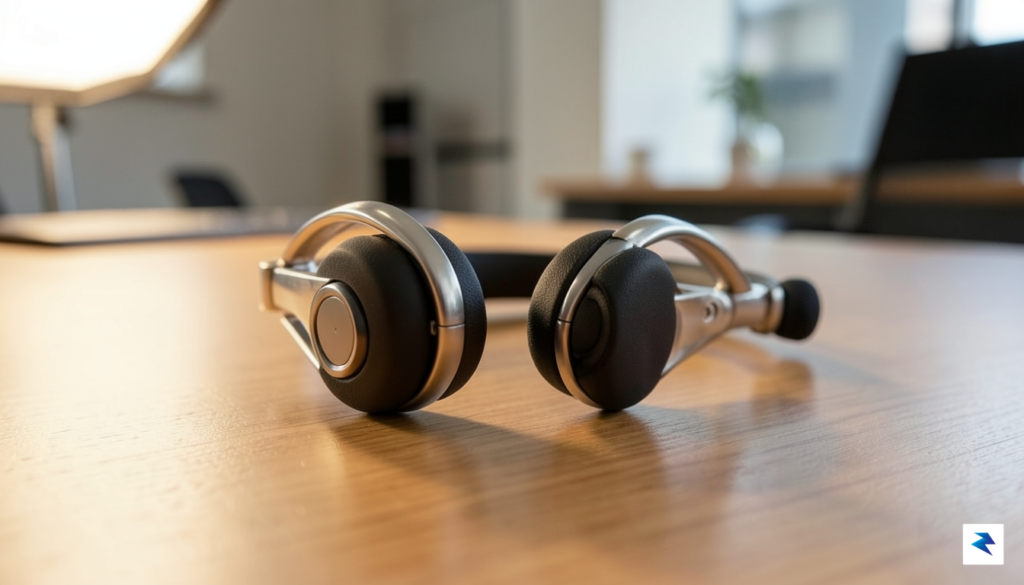
When it comes to the “wear-all-day” factor, the secret lies in the interaction between the frame’s clamping force and the surface coating. While brands like Mojawa have made significant strides in ergonomic contouring, a headset that feels perfect during a thirty-minute commute might create pressure points over a grueling three-hour endurance run. If you notice irritation behind the ears or along the cheekbones, check for proper fit adjustment; often, simply realigning the transducers to rest more securely on the zygomatic bone—rather than against the soft tissue of the jaw—can alleviate localized pressure. Furthermore, the soft-touch silicone coatings are prone to degradation over time, particularly when exposed to the high salinity of sweat or the harsh chemicals in sunscreen. To prevent this, always wipe down your headset with a damp, lint-free cloth immediately after your workout to neutralize corrosive residues that can lead to premature peeling or sticky surface textures.
To maximize the lifespan of your transducers, treat your headset like a precision instrument: keep the charging ports free of moisture before connecting to power and store the device in its dedicated hardshell case to prevent hinge stress.
Beyond surface maintenance, internal durability often hinges on how the device handles moisture intrusion. While many 2026 models carry high IP ratings for water resistance, this does not mean they are entirely immune to the long-term effects of salt buildup within the charging contacts or the small gaps surrounding the transducer housing. Periodically inspect these areas for microscopic debris, as a simple accumulation of salt can act as an abrasive that wears down protective seals over time. By incorporating a brief cleaning ritual into your post-exercise routine and being mindful of how you flex the frame when putting them on, you can effectively double the functional life of your hardware, ensuring that your audio companion remains as comfortable and reliable on its thousandth mile as it was on its first.
You must be logged in to post a comment.