Are ZYN Pouches Actually Safe? The Truth Behind the FDA Ruling
Understanding the FDA Ruling on ZYN Pouches Recent media headlines surrounding nicotine pouches like ZYN have generated significant public…
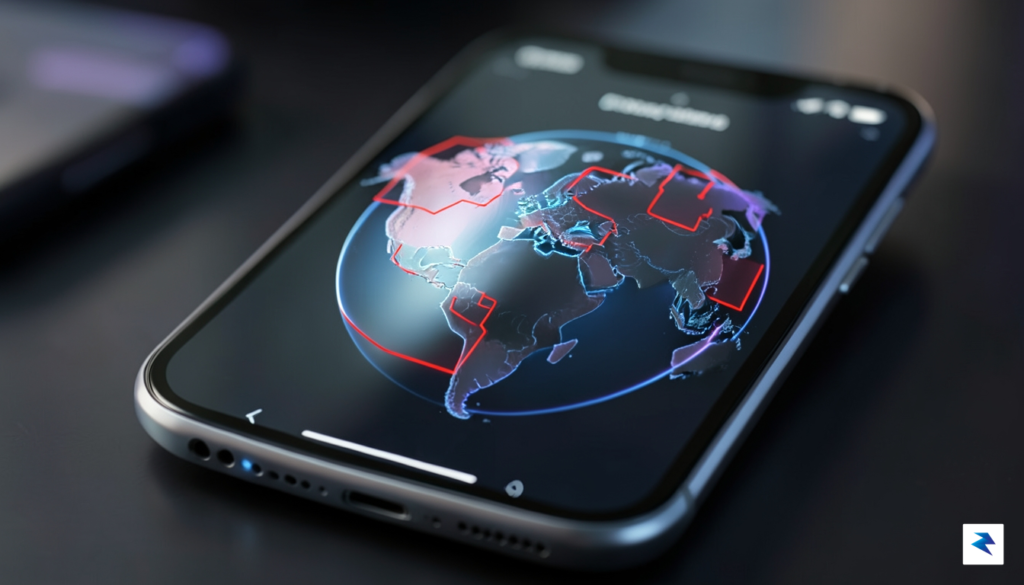
The global smartphone market is far from a unified landscape, functioning instead as a patchwork of regional ecosystems defined by drastically different consumer expectations and infrastructure models. While users in markets like China, India, and parts of Europe have become accustomed to a vibrant, “unlocked-first” culture where devices are purchased independently of service providers, the United States remains firmly entrenched in a carrier-dominated system. In the US, the vast majority of premium smartphone sales are funneled through the “Big Three”—AT&T, Verizon, and T-Mobile. This reliance on carrier-subsidized plans creates an incredibly high barrier to entry for international manufacturers like Xiaomi, Oppo, or Vivo, as these companies would need to undergo grueling certification processes and negotiate complex roaming agreements to ensure their devices function seamlessly across diverse domestic network bands.
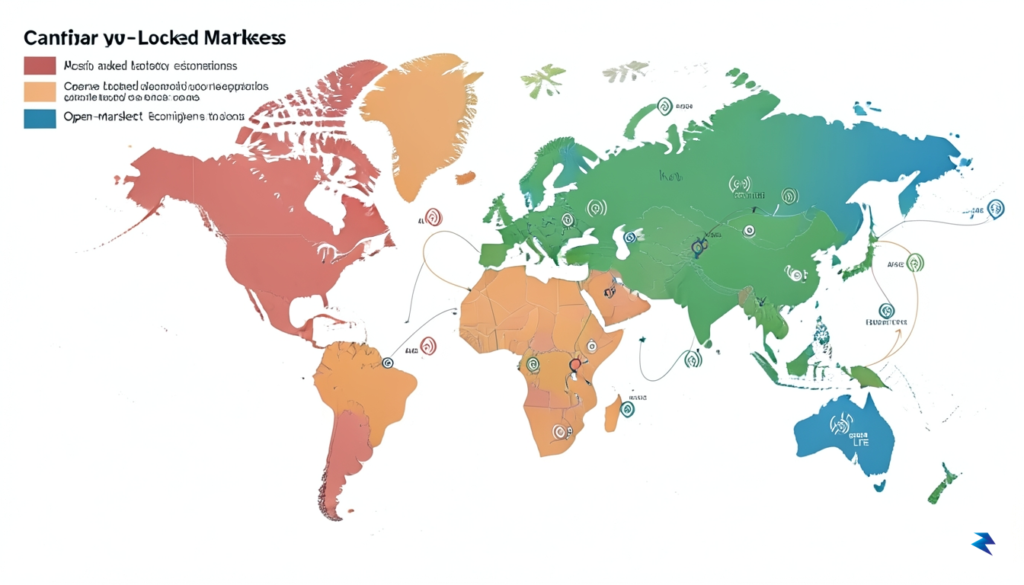
Beyond the logistical hurdles of network compatibility, the US legal and regulatory environment serves as a formidable gatekeeper. Patent litigation is arguably the most significant deterrent for emerging global players looking to expand westward. The United States maintains a notoriously aggressive intellectual property landscape, where established incumbents can effectively stall or bankrupt foreign competitors through protracted court battles over proprietary radio technologies, user interface designs, or software patents. For a company that thrives on high-volume, thin-margin sales in Asia, the potential cost of defending against multi-year patent lawsuits in US federal court often outweighs the projected revenue of entering the North American market altogether.
The cost of entry is not just about manufacturing; it is about building a nationwide support network, establishing regulatory compliance, and navigating a minefield of intellectual property litigation that favors incumbents.
Furthermore, the financial commitment required to build an aftermarket support infrastructure is often underestimated by casual observers. In the US, consumers expect localized customer service, physical repair centers, and reliable warranty programs that honor domestic consumer protection laws. Setting up this level of nationwide infrastructure requires massive capital investment that many international OEMs are unwilling to risk when their home markets already provide massive, loyal user bases. Consequently, we are left with a situation where the most innovative hardware—boasting cutting-edge camera sensors, lightning-fast charging speeds, and experimental folding designs—remains trapped in regional silos. For these manufacturers, the US is not necessarily a “closed” market, but rather a high-risk, high-cost investment that simply does not align with their current global growth strategies.
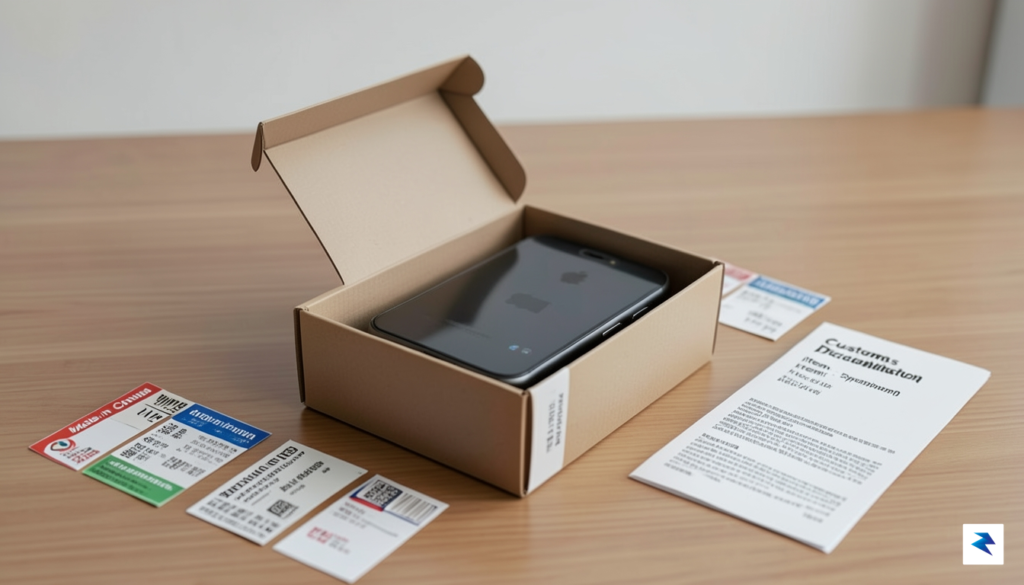
For the intrepid tech enthusiast, the prospect of securing a high-end device unavailable on domestic shelves often leads to the world of gray market importing. Unlike the straightforward experience of walking into a local electronics store, sourcing a handset from a different region—such as East Asia or Europe—requires a calculated approach. Most enthusiasts begin their journey on specialized platforms like eBay, dedicated tech importers with established reputations, or Amazon’s international storefronts. While these platforms serve as a bridge to otherwise unreachable hardware, the process involves navigating complex variables including international shipping logistics, fluctuating currency conversion rates, and the occasional surprise of customs duties that can significantly inflate the final price of your purchase.
The allure of owning a unique, region-exclusive device often overshadows the inherent risks, but it is vital to acknowledge that consumer protections operate differently across borders. When you purchase a flagship phone through an international reseller, you are essentially stepping outside the comfort zone of domestic retail safeguards. The most significant trade-off is the almost universal lack of an official manufacturer warranty. If your device suffers a hardware failure, screen defect, or battery issue, you cannot simply walk into a local service center; you are often left to navigate costly mail-in repair services or rely on third-party shops that may not have access to genuine OEM parts.
Purchasing an international handset is a commitment to self-reliance; you become your own technical support team, as manufacturer warranties rarely cross international borders.
Beyond the lack of warranty support, users must be hyper-aware of regional software variations and hardware compatibility. Some imported devices ship with locked bootloaders or specific software regionalizations that can interfere with local carrier integration, often leading to issues with 5G bands, VoLTE, or even contactless payment systems like Google Wallet. Furthermore, because these devices were not designed for the domestic market, they may lack the necessary certifications to function optimally on local networks. Before committing your funds to an import, it is essential to cross-reference the device’s supported radio frequencies with your current carrier’s spectrum to ensure you aren’t left with a beautiful, expensive piece of glass that lacks reliable cellular connectivity.
The global smartphone landscape in 2026 has diverged significantly, leaving US consumers with a filtered selection that often ignores the most daring engineering feats. While mainstream domestic brands prioritize iterative updates, international manufacturers are pushing the boundaries of physics and material science to deliver experiences that feel years ahead of the curve. By looking eastward, we find devices that don’t just compete with the status quo—they redefine the very expectations of what a handheld device can achieve in photography, industrial design, and sheer thermal endurance.
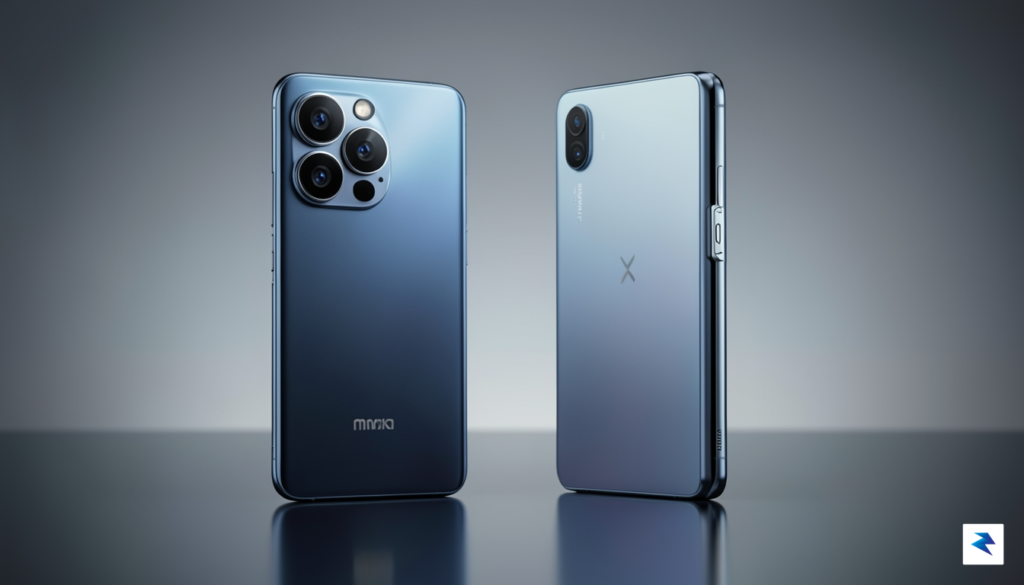
In the realm of mobile imaging, the Xiaomi Ultra series remains the undisputed king of hardware-first design. Unlike the software-centric approach common in the US, these devices leverage massive, one-inch type sensors paired with sophisticated Leica-engineered optics that produce a natural depth of field no algorithm can perfectly replicate. The integration of advanced variable aperture systems and ultra-long-range periscope lenses allows these phones to capture detail in low-light environments that would leave domestic flagships struggling with digital noise. It is a level of optical fidelity that transforms a smartphone from a casual snapshot tool into a legitimate alternative to dedicated mirrorless cameras for the mobile content creator.
The Vivo X Fold series has effectively dismantled the perception that foldable devices must be bulky, fragile, or burdened by a visible screen crease. By utilizing proprietary aerospace-grade materials and a refined “floating” hinge mechanism, these devices achieve a level of thinness and structural integrity that makes domestic foldable efforts feel like prototypes. The screen technology is equally impressive, featuring ultra-durable UTG (Ultra Thin Glass) that resists the typical wear and tear seen on lesser models, paired with internal batteries that utilize carbon-silicon anode technology for significantly higher density. These are not merely gadgets; they are triumphs of industrial design that seamlessly blend the utility of a tablet with the portability of a standard phone.
The true innovation in international markets isn’t just about raw power; it’s about the refusal to compromise on specialized hardware in favor of mass-market utility.
For the mobile gamer, the RedMagic and specialized ROG iterations represent the pinnacle of thermal engineering. While standard US phones often throttle performance after mere minutes of high-intensity rendering, these international powerhouses feature active liquid-cooling systems, complete with physical internal fans and aerospace-grade cooling chambers. This hardware-level heat management ensures that processors can maintain peak clock speeds indefinitely, providing a sustained frame rate that is simply impossible for passive-cooled devices to match. When combined with dedicated shoulder triggers and pressure-sensitive touch zones, these devices offer a tactile, console-like experience that highlights exactly what is missing from the sanitized, mainstream smartphone experience.
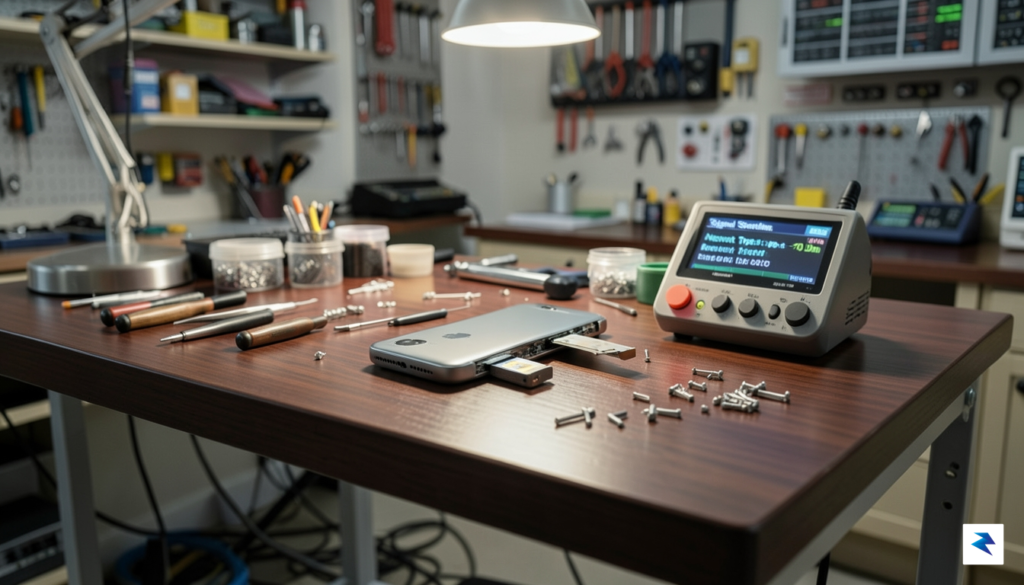
Before you commit to importing a cutting-edge device from overseas, you must look beyond the glossy spec sheet and consider the harsh realities of US cellular infrastructure. While a phone might be labeled as “global,” this often refers to compatibility with markets in Europe or Asia, which operate on vastly different frequency bands than those used by carriers like Verizon, AT&T, or T-Mobile. In the United States, rural coverage often relies on specific low-band frequencies that international models simply do not have the hardware to “hear.” Consequently, you might find yourself with a beautiful, high-performance handset that leaves you with “No Service” the moment you step outside of a major metropolitan hub.
Beyond the hardware limitations, the software experience can be equally challenging for the average user. Many international handsets ship with regional ROMs designed specifically for markets like China or India, which may include aggressive background processes, non-removable bloatware, or even entirely different app ecosystems. Even if a device supports Google Mobile Services (GMS), you may encounter frequent friction with system updates or critical security patches that are tied to a region you don’t reside in. Worse yet, the lack of official US certification often triggers security flags that prevent you from using Google Wallet or NFC-based contactless payments, effectively rendering your premium hardware useless for daily financial transactions.
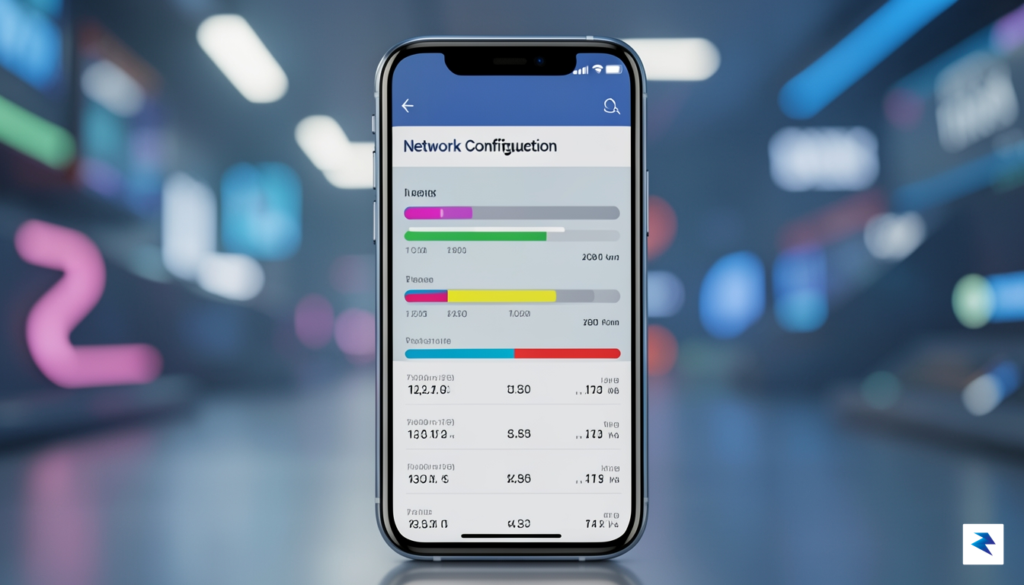
The frustration doesn’t end with signal strength; it often spills over into the software ecosystem you rely on every day. Because these devices are not designed for the North American market, they frequently lack the necessary SafetyNet or Play Integrity certifications required by banking apps and secure services. Even if you manage to install the Google Play Store, you might find that your favorite banking app refuses to launch, or that streaming services like Netflix fail to provide high-definition playback due to restricted Widevine DRM levels. These are not merely minor inconveniences; they represent fundamental barriers that can transform an aspirational tech purchase into a daily source of troubleshooting fatigue.
Before importing, always cross-reference your carrier’s specific 5G and LTE band requirements against the manufacturer’s technical specifications. A single missing band, such as n71 or n41, can be the difference between blazing-fast 5G speeds and a device that is perpetually stuck on legacy 3G networks.
Ultimately, you must also consider the complete absence of a local warranty. Should your imported device experience a hardware failure, a cracked screen, or a battery defect, you will be left to navigate international repair channels on your own. Most US-based authorized service centers will refuse to touch an imported model, leaving you with little recourse other than shipping the phone back to its country of origin—a process that is often prohibitively expensive and time-consuming. If you are not prepared to act as your own technical support department, the risks associated with these international powerhouses may far outweigh the benefits of owning a device that no one else in your circle has.

Deciding to import a smartphone from overseas is rarely a decision driven by pure necessity; rather, it is a calculated gamble on hardware excellence at the expense of infrastructure. When you step outside the ecosystem of officially supported devices, you aren’t just paying for the handset itself. You are effectively assuming the role of your own IT department, technical support, and warranty provider. The true cost of ownership extends far beyond the currency exchange rate or shipping fees, encompassing the potential for dropped cellular bands, incompatible software updates, and the heartbreaking reality of a device that cannot be repaired locally if the screen shatters or the battery fails.
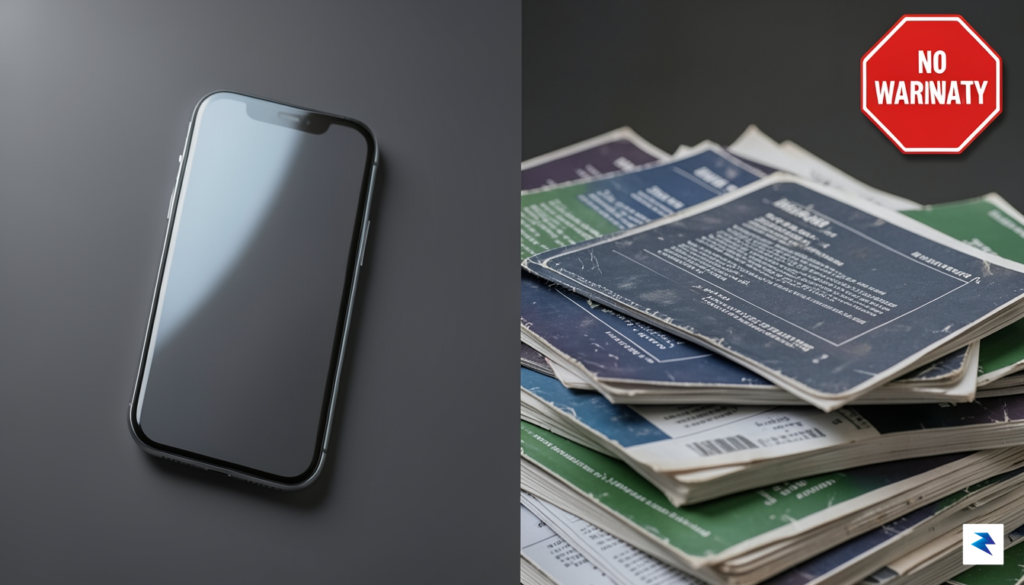
To determine if this pursuit is right for you, consider your personal relationship with technology. If you value a “plug-and-play” experience where your banking apps always function, your VoLTE connectivity is guaranteed, and a quick trip to the local mall can resolve a hardware defect, then the import market is almost certainly not for you. For the average user who relies on their phone as a critical productivity tool, the risks associated with missing local band optimization and limited software regionalization far outweigh the aesthetic or performance benefits of an exotic device. Stick to the domestic market, where consumer protections and carrier support act as a necessary safety net.
However, if you are a true enthusiast—the type of person who considers rooting, flashing custom ROMs, and manually configuring APN settings as a hobby rather than a chore—the import path offers an exhilarating level of freedom. You are essentially choosing to prioritize cutting-edge innovation over convenience. If you decide to proceed, you must accept that you are operating without a safety net; if the device suffers a catastrophic failure, you are likely looking at a total loss of your investment.
The most successful power users treat their imported devices as secondary experimental platforms rather than primary, mission-critical workstations.
Before you hit the purchase button on a grey-market import, keep these essential criteria in mind:
Finally, remember that the global market is fluid. Brands that seem firmly entrenched in international territories often test the waters of the North American market through smaller launches or partnerships with local carriers. Follow tech news outlets and monitor official brand announcements to stay informed about potential expansions. Often, a little patience allows you to enjoy the best of both worlds: the innovation of an international powerhouse, backed by the reliability and support of a local release.
You must be logged in to post a comment.