The Future of Apple Hardware: Is a Foldable iPhone and New MacBook Pro Worth the Wait?
The Evolution of Apple’s Hardware Roadmap For years, Apple has masterfully orchestrated its product cycles, delivering meticulously refined…
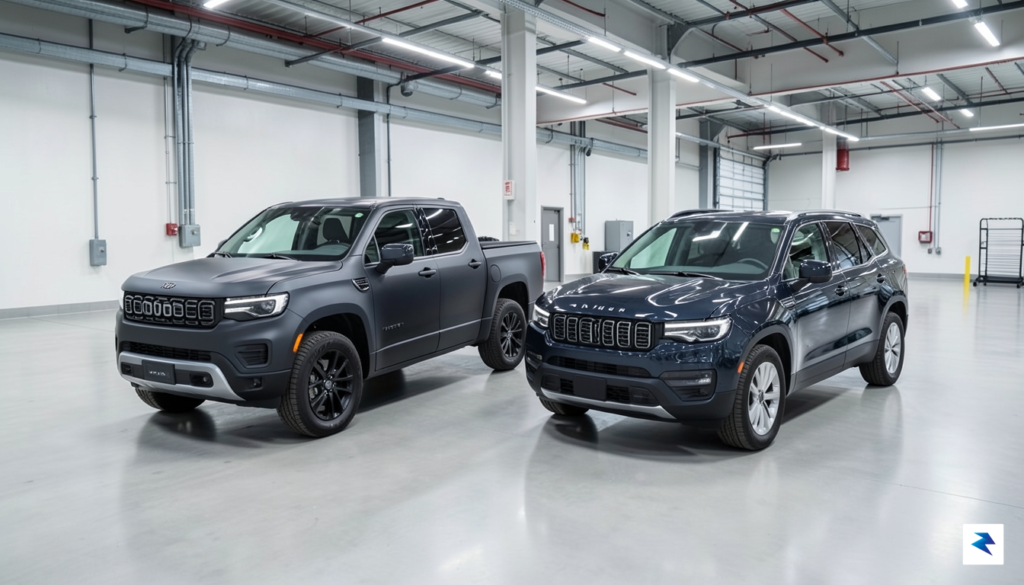
Rivian has officially supercharged its outlook for the coming years, significantly raising its electric vehicle sales expectations. This isn’t merely a minor adjustment; it signals a profound shift in the company’s internal capabilities and burgeoning market confidence. For a company that has navigated the complex terrain of scaling EV production, this upward revision is a powerful testament to its manufacturing prowess finally hitting its stride, moving beyond initial growing pains to project a more robust, accelerated growth trajectory.
The core of this optimism lies in Rivian’s decision to revise upwards its multi-year sales outlook, particularly strengthening its 2026 sales goal. Such a long-term projection is a critical indicator of operational maturity, suggesting that the company now possesses a clearer, more confident grasp on its supply chain, manufacturing efficiencies, and future product pipeline, including anticipated models like the R2. This isn’t just about meeting immediate demand; it reflects a strategic confidence in sustained, scalable production and the ability to effectively compete in a rapidly evolving EV landscape years down the line. It underscores a belief that their foundational investments in factories and processes are beginning to yield substantial returns, paving the way for larger volumes.
Indeed, this revised forecast marks a pivotal transition in the narrative surrounding Rivian. For much of its early public life, discussions often centered on the formidable challenges of scaling production – the notorious “production bottleneck.” Analysts and investors frequently scrutinized quarterly delivery numbers, looking for signs that Rivian could move past these hurdles. Now, the conversation unequivocally pivots towards “scaling growth.” This new outlook signifies that Rivian believes it has largely conquered those initial manufacturing complexities and is now firmly focused on optimizing its operations for high-volume output. It’s a clear signal that the company is transitioning from proving its ability to build vehicles to demonstrating its capacity to build them at a formidable scale and pace.
From a financial perspective, the implications of this revised forecast are profound. Higher projected sales directly translate into increased revenue forecasts, which in turn accelerate the path to profitability and strengthen cash flow. This newfound confidence in future sales volumes provides a clearer, more optimistic roadmap for investors, potentially bolstering stock performance and making Rivian a more attractive proposition in the competitive EV market. It enables the company to plan more aggressively for future capital expenditures, whether for expanding existing facilities, developing new models, or investing in charging infrastructure. Ultimately, it paints a picture of a company rapidly gaining financial independence and solidifying its long-term viability in an industry where sustained growth is paramount.
This strategic update isn’t just an internal projection; it’s a public declaration of Rivian’s strengthening position within the global electric vehicle sector. By confidently raising its sales targets, Rivian asserts its belief in its product appeal, manufacturing capabilities, and strategic direction. It’s a strong statement to competitors and consumers alike that Rivian is not only here to stay but intends to be a major force driving the future of sustainable transportation.

The recent surge in production capacity at Rivian’s manufacturing facility in Normal, Illinois, represents a pivotal shift from the experimental phases of vehicle assembly to a high-velocity industrial operation. This transformation was not born from chance, but rather from a rigorous, multi-year commitment to optimizing factory throughput and hardening supply chain resilience against global volatility. By systematically identifying bottlenecks in the assembly process, Rivian engineers have successfully integrated advanced automation tools and redesigned assembly line configurations that minimize downtime. These technical upgrades have allowed the company to transition from manual, labor-intensive assembly to a more streamlined, robotic-assisted workflow that ensures consistent quality control at higher volumes.
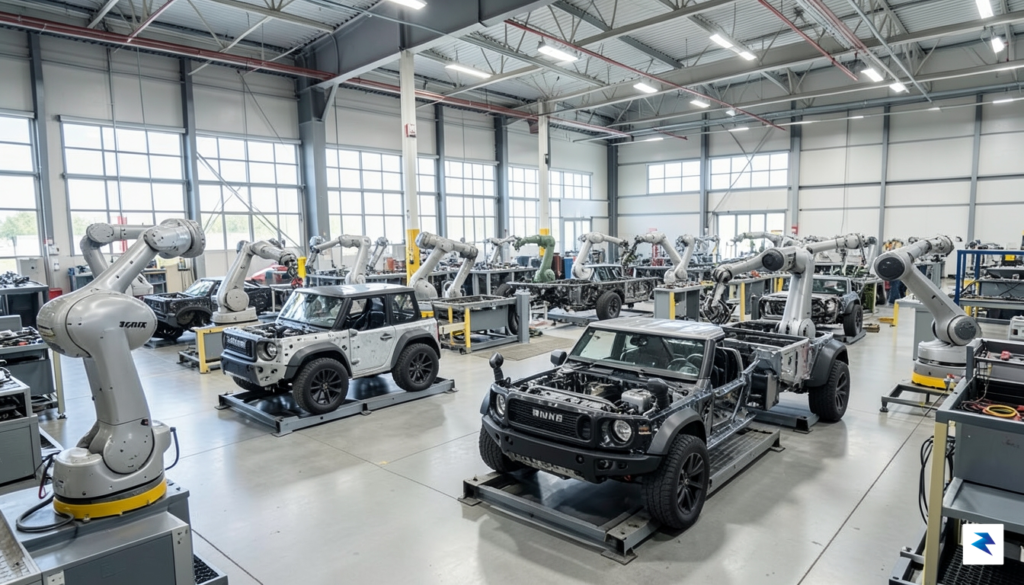
Beyond the factory floor, the company’s ability to scale is deeply rooted in a more sophisticated approach to supply chain management. During earlier quarters, production was frequently hampered by unpredictable shortages of critical electronic components and raw materials. In response, Rivian shifted toward a more proactive procurement strategy, diversifying its supplier base and securing long-term agreements for key components. This strategic pivot has effectively insulated the assembly lines from the sudden disruptions that once plagued the automotive sector. By fostering closer collaborations with key partners, Rivian has created a more transparent and responsive logistics network that can adapt in real-time to shifts in demand or availability.
The integration of advanced manufacturing metrics has been the cornerstone of our ability to shorten cycle times, allowing us to hit production targets with greater reliability than ever before.
The cumulative impact of these improvements is most clearly visible in the dramatic reduction of manufacturing cycle times. By analyzing the flow of materials through the plant, Rivian has eliminated redundant transport steps and synchronized the delivery of parts to the exact moment they are needed on the line—a classic implementation of lean manufacturing principles. These efficiencies have translated directly into the higher quarterly output figures now being reported to stakeholders and investors. As the company continues to refine these internal processes, the goal is not merely to increase the sheer number of vehicles produced, but to achieve a level of operational excellence that supports sustained long-term growth and positions the brand to handle the complexities of future product launches with agility and confidence.
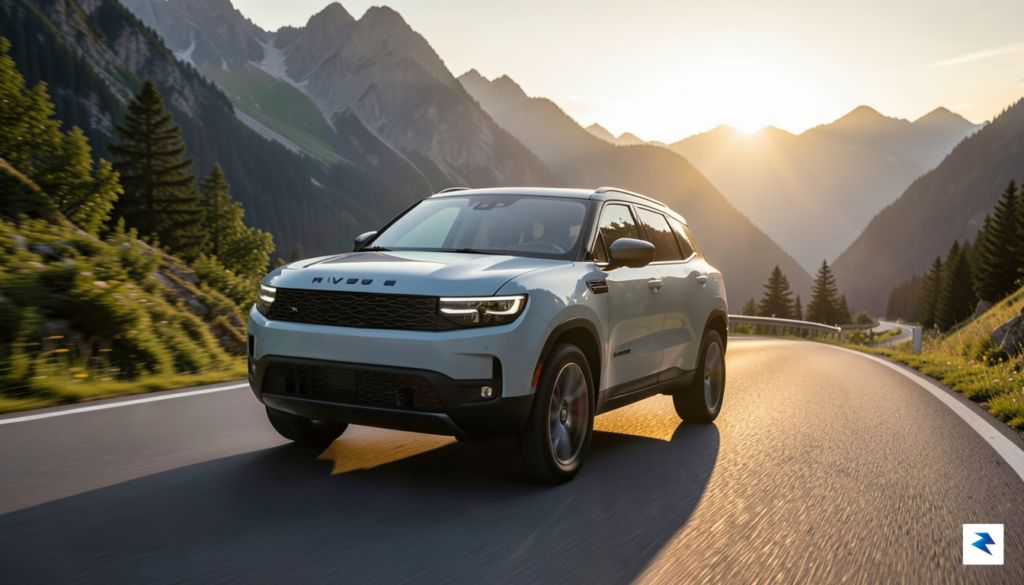
The introduction of the R2 platform represents a pivotal transition for Rivian, shifting the company’s trajectory from a niche manufacturer of luxury adventure vehicles to a significant player in the broader automotive landscape. While the R1T and R1S established the brand’s reputation for rugged performance and high-end engineering, their premium price point inherently limited the total addressable market. By design, the R2 SUV is intended to break down these barriers, offering a more accessible entry point that appeals to a wider demographic of suburban families and value-conscious commuters who were previously priced out of the Rivian ecosystem.
This strategic pivot is not merely about launching a new product; it is a fundamental reconfiguration of the company’s manufacturing and growth strategy. As Rivian ramps up production to meet the anticipated demand for the R2, the company is successfully leveraging the brand equity built by its predecessors while aggressively targeting the volume-heavy mid-size SUV segment. This demographic shift is crucial for long-term sustainability, as it allows the brand to move beyond the early-adopter crowd and tap into the daily-driver market, which requires a more balanced intersection of affordability, utility, and cutting-edge software features.
The R2 is more than just a smaller version of our flagship vehicles; it is the cornerstone of our strategy to democratize electric adventure and achieve the economies of scale necessary for sustained profitability.
Consumer sentiment surrounding the R2 has been overwhelmingly positive, with pre-order numbers serving as a reliable indicator of the intense pent-up demand for a more affordable Rivian. This surge in interest has provided the company with the confidence to revise its production forecasts upward, as the factory floor is now calibrated to handle higher volumes that align with the mass-market nature of the R2. Consequently, the company is effectively translating this high level of brand affinity into tangible production targets, ensuring that the manufacturing infrastructure is ready to scale alongside the expected influx of new customers. By bridging the gap between luxury aspiration and everyday practicality, Rivian is positioning itself to capture a substantial share of the EV market, proving that the R2 is the primary engine behind its current optimistic outlook.
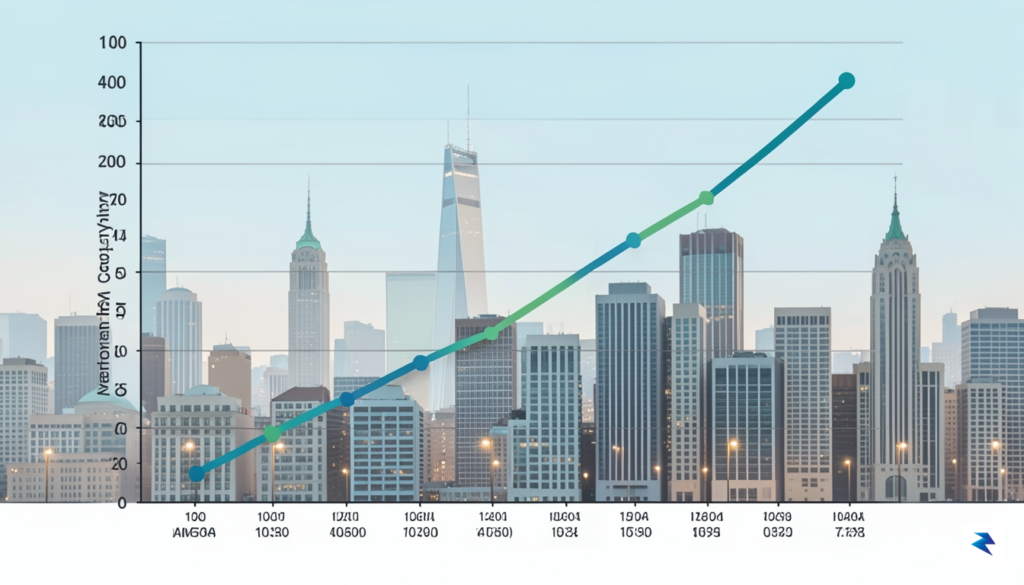
While Rivian’s revised sales forecast has certainly injected a fresh wave of optimism into the electric vehicle market, signaling robust internal confidence and strong demand for its R1T, R1S, and EDV models, the path to sustained growth is far from linear. The company now faces the complex task of not just meeting these ambitious production targets, but also navigating the intricate challenges of a maturing EV landscape. This includes a delicate balancing act between aggressive expansion and the pursuit of long-term profitability, all while contending with external economic pressures and evolving consumer behaviors.
A significant headwind for any high-value consumer product, especially in the automotive sector, is the current macroeconomic climate. Rising interest rates, for example, directly impact the affordability of Rivian’s premium electric vehicles, making financing more expensive for potential buyers. Should these rates continue their upward trend or broader economic uncertainties persist, consumer discretionary spending could tighten considerably, potentially dampening demand even for highly desirable EVs. Furthermore, the specter of a global economic slowdown or recession could introduce unforeseen obstacles, testing the resilience of the entire automotive industry and Rivian’s growth trajectory along with it.
Beyond consumer purchasing power, Rivian must meticulously manage its supply chain amidst persistent volatility. Raw material costs, particularly for critical battery components like lithium, nickel, and cobalt, have fluctuated wildly in recent years. While some commodity prices have seen recent stabilization or declines, the long-term outlook remains uncertain, posing a continuous challenge to cost management and profit margins. Securing these materials at competitive prices and ensuring a consistent, uninterrupted supply chain are paramount for scaling production efficiently and avoiding costly delays, which can quickly erode investor confidence and impact cash flow.
Perhaps the most critical tightrope Rivian walks is the delicate balance between aggressive growth and sustainable financial health. The company continues to burn substantial cash as it scales production, invests heavily in future platforms like the R2 and R3, and expands its charging infrastructure. While this investment is crucial for long-term competitiveness and market penetration, investors are increasingly scrutinizing the timeline to achieving positive gross margins and, eventually, overall profitability. The question isn’t just about how quickly Rivian can produce vehicles, but how efficiently it can do so while moving towards a sustainable business model that generates consistent returns.
This aggressive expansion, while necessary to capture market share and establish a strong brand presence, raises valid questions among investors regarding the long-term profitability versus aggressive volume expansion strategy. Many EV startups prioritize volume over immediate profit in their nascent stages, aiming to achieve economies of scale. However, as the market matures and competition intensifies from both legacy automakers and other well-funded startups, the pressure to demonstrate a clear path to profitability becomes more acute. Rivian’s ability to optimize its manufacturing processes, reduce per-unit costs, and strategically price its vehicles will be key determinants in whether its impressive revenue growth eventually translates into robust, sustainable earnings.
Ultimately, Rivian’s ability to sustain its current momentum will hinge on its dexterity in navigating these multifaceted challenges. The revised forecast is a testament to strong product demand and growing production capabilities, but the real test lies in translating this into consistent profitability amidst a dynamic and often unpredictable economic and competitive landscape. The journey ahead demands not only engineering prowess and manufacturing excellence but also astute financial management and a keen understanding of market nuances.
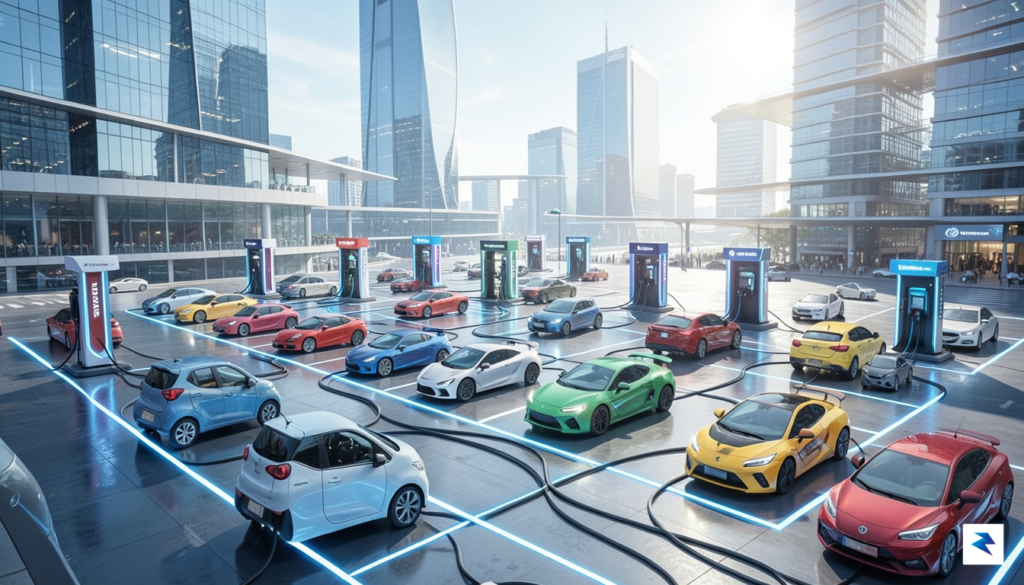
The electric vehicle market has shifted from a period of unbridled optimism to a more grueling phase of endurance, where legacy automakers and agile startups are locked in a battle for dominance. While established giants like Ford and General Motors contend with the heavy inertia of transitioning their massive supply chains, and pure-play competitors like Lucid struggle to find broad-market traction, Rivian has carved out a distinct middle ground. By focusing on operational efficiency and a steady ramp-up in production, the company is effectively distancing itself from the “production hell” that has historically plagued new market entrants, demonstrating a level of manufacturing maturity that is rare for a company of its age.

What truly sets Rivian apart, however, is its carefully cultivated “adventure” lifestyle branding, which serves as a powerful competitive moat. Unlike many manufacturers that treat EVs primarily as efficient, tech-heavy appliances, Rivian positions its vehicles as essential tools for exploration and outdoor recreation. This emotional resonance builds a unique form of brand loyalty that transcends mere technical specifications, fostering an community of owners who see the vehicle as an extension of their personal values. In a landscape saturated with generic electric sedans and SUVs, this focus on utility—combined with the signature “stadium” headlight design and rugged hardware—creates a recognizable identity that keeps consumers engaged even as options from international manufacturers continue to flood the domestic market.
Rivian’s strategic advantage lies in its ability to marry premium lifestyle branding with a manufacturing discipline that is increasingly capable of meeting the demands of a scaling market.
Looking ahead to the next 18 months, the company’s trajectory will be defined by its transition from a niche luxury manufacturer to a more accessible player with the upcoming R2 platform. While competitors are currently focused on price wars and margin compression, Rivian is betting that its refined production processes and high customer satisfaction scores will provide the stability needed to capture a larger share of the mid-size EV segment. If the company can successfully navigate the complexities of launching a mass-market vehicle while maintaining the quality standards of its flagship R1 series, it will likely emerge as a formidable challenger to both legacy incumbents and Tesla, cementing its position as a long-term leader in the electrified automotive space.
You must be logged in to post a comment.