The Onion Takes Over Infowars: Inside the Satirical Power Move That Has Everyone Talking
The Onion Takes Over Infowars: A Satirical Power Move In a turn of events that feels more like a fever dream birthed from an algorithmic…

The recent revelation that high-ranking European Union officials—individuals specifically tasked with investigating the illicit deployment of spyware—were themselves targeted by the very software they were probing marks a dark turning point in the digital age. When cybersecurity researchers at Citizen Lab confirmed the presence of Pegasus on the devices of EU lawmakers, it transformed a theoretical debate about privacy into a visceral, personal crisis for the institution. This was not merely a breach of data; it was a brazen attempt to compromise the integrity of legislative oversight, signaling that the architects of mass surveillance now operate with a level of impunity that threatens the fundamental sanctity of political discourse.
There is a bitter, almost cinematic irony in the investigator becoming the victim. These politicians were appointed to committees precisely because of their commitment to uncovering how commercial spyware, developed by firms like NSO Group, has been weaponized against journalists, activists, and political dissidents across the globe. By embedding a digital parasite into the phones of these lawmakers, the perpetrators sought to invert the power dynamic, effectively turning the watchdogs into the watched. This maneuver serves as a reminder that the reach of invasive surveillance technology is not limited by borders or diplomatic immunity; rather, it is a tool that targets the very mechanism of accountability.

Beyond the personal violation of these officials, the incident highlights a profound, systemic threat to the political autonomy of the European Union. When those tasked with drafting regulations and conducting oversight are under constant threat of digital infiltration, the entire legislative process becomes compromised. The resulting “chilling effect” is perhaps the most dangerous consequence: if lawmakers fear that their private communications, source networks, and internal strategies are being monitored by hostile actors or rogue intelligence agencies, their ability to conduct unbiased, independent investigations evaporates. This creates an environment of self-censorship, where the fear of exposure forces officials to temper their scrutiny, ultimately weakening the democratic institutions that exist to check such overreach.
The weaponization of spyware against those who investigate it is a direct assault on the rule of law, turning the democratic process into a vulnerable, transparent target for those who operate in the shadows.
The implications for the future of European politics are stark. If the EU cannot secure the devices of its own representatives, it faces an existential struggle to defend the digital rights of its citizens at large. This crisis is not just about a specific software or a particular vendor; it is about the erosion of the presumption of privacy in a democratic society. As we look toward future policy responses, it is clear that the status quo is unsustainable. Without robust, enforceable measures to curb the proliferation of military-grade spyware, the guardians of democracy will continue to be vulnerable to the very tools designed to dismantle the freedoms they are sworn to protect.

Pegasus represents a paradigm shift in digital surveillance, moving far beyond the primitive tracking software that once populated the internet. Developed by the NSO Group, this platform is classified as military-grade spyware precisely because it operates as a sophisticated cyber weapon designed for total device subversion. Unlike standard malware that requires a user to unwittingly click a malicious link or download a corrupted file, Pegasus utilizes what cybersecurity experts call “zero-click” exploits. These sophisticated methods allow the software to infiltrate a smartphone by leveraging unseen vulnerabilities in common applications, such as messaging platforms, often requiring no user interaction whatsoever. By the time a device owner realizes something is amiss, the software has already established a silent, deep-rooted presence within the operating system.

Once the spyware has successfully breached the perimeter, it gains virtually unchecked access to the victim’s digital life. It does not merely scrape basic contact lists; instead, it bypasses end-to-end encryption by capturing data directly from the device before it is encrypted or after it is decrypted. This means that private conversations on platforms like WhatsApp, Signal, and Telegram are fully exposed to the operator. Furthermore, Pegasus can transform a smartphone into an all-seeing, all-hearing sensor. It can activate the microphone to record ambient conversations, engage the camera to capture video feeds, and constantly ping GPS coordinates to track the user’s physical movements in real-time. Essentially, the device becomes a tethered informant, feeding sensitive information back to the spyware operator without the owner ever suspecting a breach.
The true power of Pegasus lies in its invisibility; it is designed to operate in the shadows, leaving almost no forensic trace for the average user or even many standard security suites to identify.
The difficulty in detecting and defending against this software stems from its extreme persistence and its ability to camouflage itself within the phone’s legitimate background processes. Traditional malware often creates visible disruptions, such as battery drainage, system crashes, or sluggish performance, which serve as early warning signs. In contrast, Pegasus is engineered to be lightweight and stealthy, minimizing its footprint to avoid triggering behavioral anomalies. Even when forensic experts attempt to scan for its presence, the software can employ self-destruct mechanisms or sophisticated obfuscation techniques to hide its command-and-control servers. This disparity between traditional malware and Pegasus is what makes it so dangerous; while standard threats are often clumsy and easily purged, Pegasus is a surgical tool that remains embedded until its handlers decide to remove it, effectively rendering the concept of “private mobile communication” obsolete for those targeted by its reach.
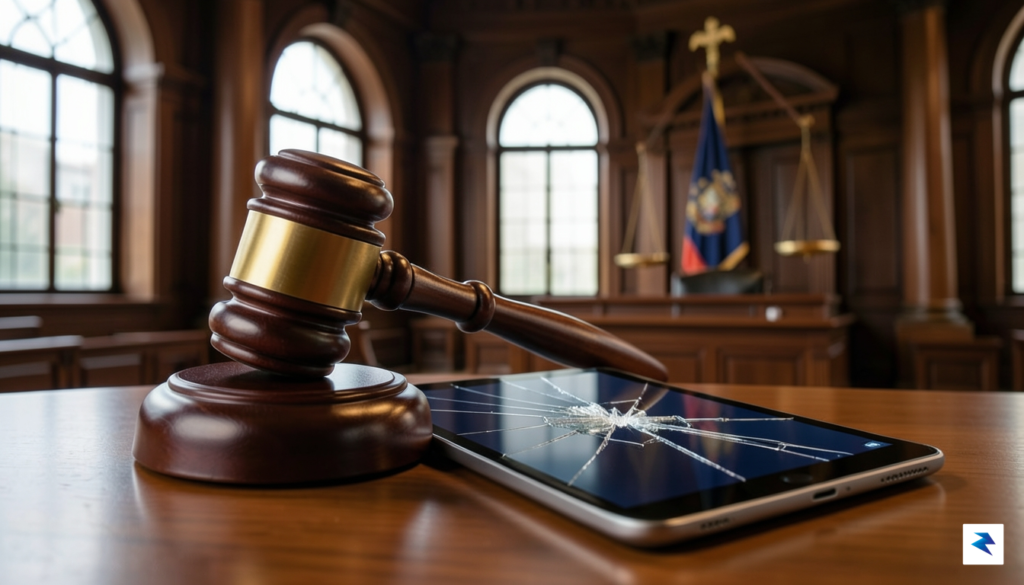
The infiltration of a lawmaker’s device by sophisticated spyware like Pegasus is not merely a technical breach; it is a profound assault on the architecture of democratic governance. When elected representatives—whose primary role is to act as a check on executive power—become the targets of clandestine surveillance, the delicate balance of institutional accountability is shattered. Legislative committees tasked with investigating government misconduct rely on the sanctity of confidential communication to conduct their inquiries safely. By compromising these channels, the state essentially gains the ability to map out internal strategies, identify potential whistleblowers, and neutralize opposition before it can reach the public record. This creates a chilling effect that discourages rigorous oversight, as officials may fear that every meeting, private message, or investigative lead is being monitored by the very entities they are meant to oversee.
This dynamic signals a dangerous inversion of the power hierarchy between intelligence agencies and the legislative branch. In a healthy democracy, intelligence services operate under the mandate and supervision of elected officials, ensuring that their tools are used strictly within the bounds of the law and for the protection of national security. However, when these powerful tools are turned inward against the legislators themselves, the “watchers” become the subjects of an unaccountable shadow state. This shift transforms the nature of political life, creating an environment where intelligence agencies effectively hold a veto over legislative intent. If those tasked with writing the laws are themselves subjects of illegal surveillance, the foundational rule of law is hollowed out, leaving citizens with a facade of representative government that has been compromised from within.

Beyond the immediate disruption of legislative work, the use of Pegasus against politicians introduces the volatile specter of political blackmail. The data harvested from a smartphone—private correspondences, sensitive personal photos, and intimate medical or financial information—provides a potent arsenal for those seeking to exert undue influence. When policy decisions are no longer the result of public debate or ideological conviction, but are instead shaped by the fear of exposure or the threat of reputational ruin, the democratic process itself is corrupted. This form of coercive control strips officials of their agency, turning them into puppets of an invisible surveillance apparatus.
The normalization of surveillance against political figures does not just threaten individual privacy; it threatens the capacity of the state to function as a servant of the people rather than an instrument of state-sponsored intimidation.
Ultimately, this crisis forces us to confront the reality that when the tools of national security are weaponized against the political class, no citizen is truly safe. If the highest levels of government cannot guarantee a private space for deliberation, the protections afforded to ordinary activists, journalists, and private citizens become increasingly precarious. Protecting the integrity of the legislative process is not just a matter of professional courtesy for politicians; it is a vital necessity for maintaining the transparency and trust required for a functioning democratic society.

The infiltration of European officials’ devices by Pegasus spyware exposes a harrowing reality: traditional cybersecurity protocols are fundamentally ill-equipped to combat state-sponsored surveillance. While end-to-end encryption successfully protects data in transit, it offers zero defense once the endpoint itself—the smartphone—is compromised. Pegasus operates by exploiting “zero-click” vulnerabilities, allowing attackers to bypass standard security measures without the user ever interacting with a malicious link. This shift in the threat landscape means that even the most security-conscious individuals are vulnerable, as the software operates at the kernel level, granting total control over the device’s microphone, camera, and encrypted message logs before the operating system can even register a breach.
For high-profile targets like EU politicians, the concept of “digital hygiene” has become an elusive ideal rather than a practical defense strategy. Standard advice—such as avoiding suspicious emails or using complex, rotated passwords—is rendered obsolete when the threat vector is a sophisticated, nation-state-grade exploit that targets the underlying architecture of the hardware. Maintaining a “clean” device is virtually impossible when the very ecosystem we rely on contains thousands of lines of proprietary code that security researchers are constantly racing to audit. Furthermore, the immense professional pressure to remain constantly connected and reachable makes the isolation of high-risk devices an impractical solution for those tasked with running government affairs.

Our current reliance on tech giants like Apple and Google to patch these vulnerabilities creates a precarious single point of failure. These companies operate in a perpetual cat-and-mouse game with private firms like the NSO Group, who discover and weaponize “zero-day” vulnerabilities long before developers can issue security patches. This reactive cycle is inherently flawed because it assumes that the software is secure until proven otherwise, whereas state-sponsored actors treat every unpatched line of code as an open door. As researchers at organizations like Citizen Lab continue to unmask these intrusions, they highlight a systemic issue: the speed of offensive cyber-development currently outpaces the defensive capabilities of the world’s largest technology companies.
The Pegasus crisis demonstrates that when a state actor is determined to penetrate a device, the standard security features built into modern smartphones are merely speed bumps rather than walls.
Ultimately, the Pegasus incident is a wake-up call that demands a shift in how we perceive digital safety. We can no longer rely solely on the manufacturers to secure our devices; we must acknowledge that for individuals in positions of power, the smartphone is a high-stakes intelligence target. Protecting against such pervasive threats will require not only more aggressive patching and hardware-level security improvements but also a fundamental reassessment of the risks associated with carrying personal, highly sensitive data on consumer-grade electronics that were never designed to withstand the resources of a dedicated nation-state.
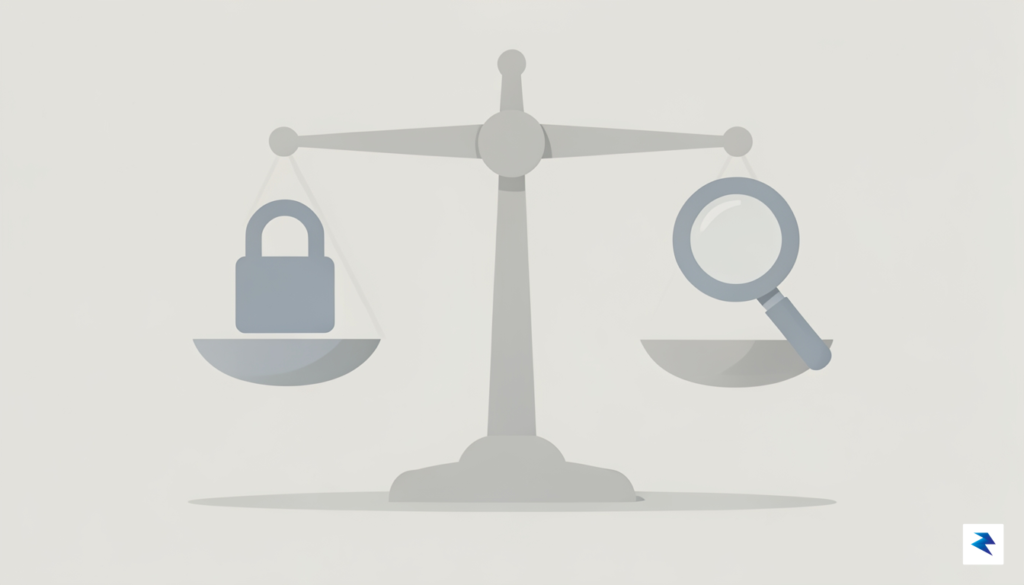
The infiltration of highly sophisticated spyware like Pegasus onto the phones of European politicians is not merely a technical vulnerability; it represents a profound crisis of trust and a direct threat to democratic institutions. Confronting this evolving challenge demands more than individual vigilance or reactive measures. It necessitates a concerted, global effort to establish robust regulatory frameworks that can rein in the shadowy mercenary surveillance industry and hold both its purveyors and purchasers accountable.
The European Union has already begun to grapple with the complexities of this issue, recognizing the urgency of a unified response. The European Parliament’s Committee of Inquiry to investigate the use of Pegasus and equivalent surveillance spyware (PEGA Committee) concluded its extensive work by issuing a comprehensive report and recommendations. This pivotal document called for a common EU framework for spyware, emphasizing the need for strict judicial authorization for its deployment, stringent oversight mechanisms, and effective legal remedies for victims of unlawful surveillance. Furthermore, the report highlighted the imperative to enhance export controls for dual-use technologies, ensuring that EU-based spyware manufacturers cannot contribute to human rights abuses abroad. These efforts, while significant, still navigate the delicate balance between national security prerogatives and fundamental rights, often encountering resistance from member states keen to maintain autonomy over their intelligence operations.
Beyond tightening existing regulations, a growing chorus of voices advocates for a more radical approach: a total ban on the sale of mercenary spyware to governments. Proponents of this view argue that the inherent capabilities of tools like Pegasus—which can exploit zero-day vulnerabilities to gain complete access to a device without any user interaction—make them inherently too dangerous for widespread proliferation, even under the guise of legitimate law enforcement. The very nature of this technology, designed to be undetectable and circumvent all existing security measures, renders effective oversight incredibly challenging, if not impossible. When such powerful tools are readily available, the line between legitimate national security interests and political espionage or human rights abuses becomes perilously blurred, making a complete prohibition on their commercial sale a necessary safeguard for democratic integrity and civil liberties.
Given the global nature of the spyware market, national or regional efforts, while crucial, are ultimately insufficient without broader international cooperation. To truly curb the proliferation and misuse of surveillance technology, the international community must work towards establishing comprehensive transparency standards. This could involve creating a global registry for spyware vendors, detailing their capabilities, clients, and adherence to human rights norms, alongside robust export control regimes that transcend national borders. Independent audits of spyware companies, coupled with clear disclosure requirements regarding their clients and the end-use of their products, would introduce much-needed accountability into an opaque industry. Such a framework would require unprecedented collaboration between governments, international organizations, and civil society, but it is essential for fostering an environment where illicit surveillance can be more easily identified and punished.

Ultimately, safeguarding democratic discourse from the insidious threat of spyware requires more than just legislative tweaks or technical fixes; it demands sustained political pressure and unwavering public vigilance. The Pegasus crisis has starkly revealed how easily fundamental rights can be eroded when powerful surveillance tools fall into the wrong hands, threatening the very foundations of free societies. Protecting journalists, opposition figures, and human rights defenders from such intrusions is paramount to maintaining a healthy civic space. Therefore, continuous advocacy from civil society, robust investigative journalism, and the unwavering commitment of democratic institutions are indispensable to ensuring that the watchers are themselves watched, and that accountability prevails in the increasingly complex landscape of digital surveillance.
You must be logged in to post a comment.