Rivian Raises Sales Forecast: What the R2 Launch Means for Growth
Rivian’s Production Surge: Analyzing the New Forecast Rivian has officially supercharged its outlook for the coming years, significantly…
Recent media headlines surrounding nicotine pouches like ZYN have generated significant public confusion, leading many to believe that federal regulators have given these products a clean bill of health. In reality, the FDA’s regulatory stance is far more nuanced, rooted in a specific legal framework known as the Modified Risk Tobacco Product (MRTP) authorization. It is essential to understand that this process does not grant a product the status of being “safe” or “benign.” Instead, it represents a comparative assessment: the agency has acknowledged that, for adult smokers who completely switch from combustible cigarettes to these pouches, the exposure to harmful chemical constituents is significantly lower. This is a crucial distinction that separates harm reduction from absolute safety.
To grasp the gravity of this ruling, one must look at the intent behind the MRTP designation. The FDA does not issue these authorizations as a blanket endorsement for the general population, nor are they intended to encourage use among non-smokers or youth. The authorization is strictly conditional, functioning as a pathway for existing, addicted smokers to transition to products that may pose less risk than traditional tobacco burning. By failing to emphasize this, many public narratives have inadvertently suggested that nicotine pouches are a healthy alternative, rather than a less-harmful substitute for a demonstrably lethal habit. The FDA’s regulatory oversight is designed to mitigate the dangers of combustion, not to characterize nicotine delivery systems as harmless consumer goods.
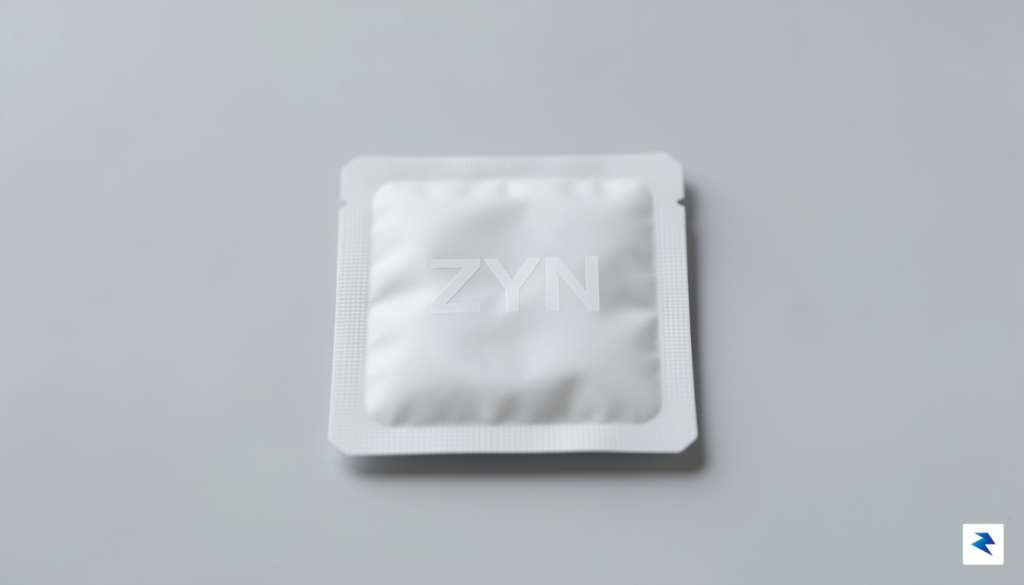
The FDA’s authorization of a product as a “modified risk” tobacco product is a comparative statement about health risks, not an assertion that the product is safe in an absolute, medical sense.
Furthermore, it is vital to dispel the misconception that the FDA’s marketing authorization equates to an approval of the product’s long-term health impact on the human body. While these pouches eliminate the inhalation of smoke, tar, and carbon monoxide—the primary killers in combustible cigarettes—they still deliver high concentrations of nicotine, an addictive chemical that carries its own set of cardiovascular and developmental concerns. The legal authorization allows companies to share specific information about reduced exposure, but it remains a strict regulatory boundary. For a consumer, this means that while you might be reducing certain immediate toxicological risks compared to smoking, you are still actively engaging with a potent, addictive substance that has not been deemed “safe” by any federal health standard.
Ultimately, the regulatory landscape is built on the philosophy of harm reduction, which seeks to move individuals away from the most dangerous products available. However, consumers should be wary of confusing “less harmful” with “harmless.” As the market for oral nicotine continues to expand, maintaining a clear perspective on these distinctions is necessary for public health. Relying on the idea that these products are safe is a dangerous misunderstanding that ignores the reality of nicotine dependency and the ongoing research into the physiological effects of non-combustible tobacco products.
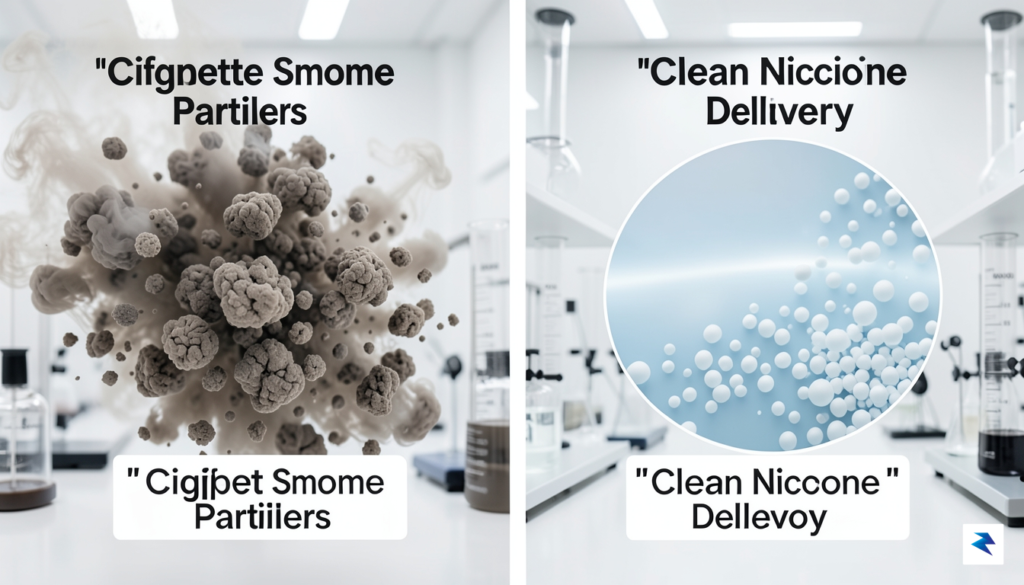
To understand why health authorities categorize nicotine pouches differently than traditional tobacco, we must first look at the mechanics of delivery. Traditional cigarettes rely on the combustion of dried tobacco leaves, a process that creates a complex chemical reaction involving thousands of compounds. When tobacco burns, it releases tar, carbon monoxide, and a host of known carcinogens that are inhaled directly into the lungs. This volatile chemical cocktail is the primary driver of smoking-related mortality, as the act of burning organic material inherently generates toxic byproducts that have no safe level of exposure. In contrast, ZYN pouches and similar synthetic nicotine products function through a non-combustible delivery system. By eliminating the ignition process entirely, these pouches remove the pathway through which tar and carbon monoxide are created, fundamentally altering the user’s exposure profile.
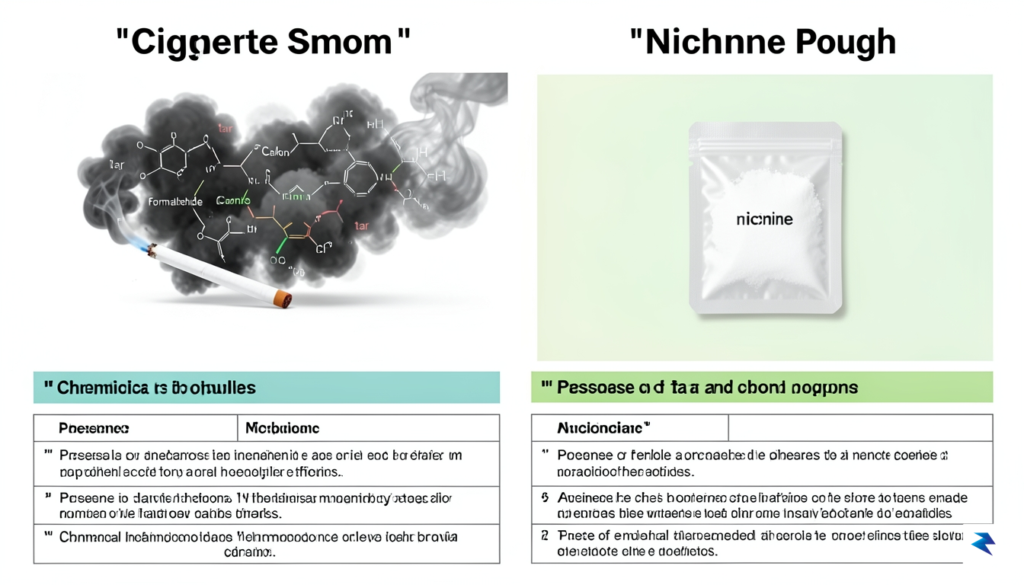
This shift toward “harm reduction” is a clinical strategy aimed at minimizing the damage caused by traditional habits, rather than a blanket endorsement of health. It is critical to recognize that “reduced exposure” is not synonymous with “risk-free.” While switching to a non-combustible pouch effectively mitigates the risk of smoking-related lung diseases like emphysema or lung cancer, it does not neutralize the physiological effects of nicotine itself. Nicotine remains a potent stimulant that impacts the cardiovascular system, potentially elevating heart rate and blood pressure regardless of how it is ingested. Consequently, while a user might be removing the carcinogenic soot from their lungs, they are still engaging with a substance that carries its own set of systemic health considerations.
The principle of harm reduction is a comparative metric, not an absolute health claim; it suggests that moving from a high-risk behavior to a lower-risk behavior is beneficial, even if the new behavior still carries inherent dangers.
When we evaluate these products, we are essentially weighing two distinct categories of health risks. The cigarette represents a catastrophic risk profile due to the inhalation of toxins, whereas the nicotine pouch represents a focused exposure to a single psychoactive compound. Because the pouches bypass the respiratory system, they avoid the acute inflammatory responses and permanent tissue damage associated with smoke inhalation. However, this comparative improvement should not lead users to believe they are consuming a benign product. The cardiovascular strain and the potential for long-term nicotine dependence are risks that persist in the absence of combustion, reminding us that science views these items as a harm-mitigation tool for smokers, not a lifestyle upgrade for the general population.

While the transition away from combustible tobacco is often framed as a harm-reduction strategy, it is critical to recognize that nicotine itself is a powerful systemic agent that influences far more than just the respiratory system. When a user places a nicotine pouch against their gum line, they are initiating a potent physiological reaction that ripples throughout the entire body. Nicotine acts as a potent vasoconstrictor, meaning it causes blood vessels to narrow and tighten, which immediately increases the workload on the cardiovascular system. This persistent constriction forces the heart to pump harder to circulate blood, leading to sustained elevations in both heart rate and blood pressure that can persist long after the pouch has been discarded. Over time, this chronic cardiovascular strain may contribute to arterial stiffness and an increased risk of long-term heart-related complications, regardless of whether the nicotine was delivered via smoke or a discreet, smokeless pouch.
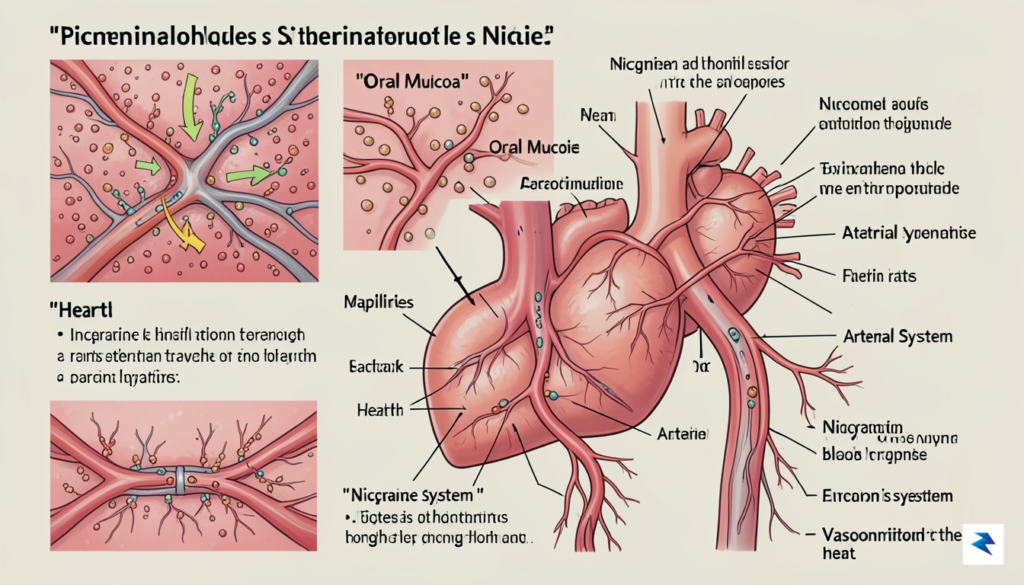
Beyond the cardiovascular system, the physical application of these pouches presents localized challenges that users frequently underestimate. Constant contact between the concentrated nicotine salts and the oral mucosa can lead to localized irritation, inflammation, and, in many cases, visible gum recession. Because the pouch is designed to be held in one position for an extended period, the underlying tissue is subjected to both chemical exposure and mechanical friction. This can compromise the integrity of the gum line, potentially exposing tooth roots and creating an environment where oral bacteria can thrive. While this damage may seem minor compared to the systemic toxicity of inhaled smoke, it represents a very real and often irreversible deterioration of oral health that regular users must confront.
Regardless of the source, nicotine remains a highly addictive stimulant that fundamentally alters brain chemistry and autonomic nervous system regulation.
It is also a common misconception that the nature of the nicotine—whether it is tobacco-derived or synthetic—somehow changes the physiological impact on the user. In reality, both forms of nicotine are molecularly identical in their ability to bind to nicotinic acetylcholine receptors in the brain and body. Synthetic nicotine, which is frequently marketed as a cleaner or more modern alternative, carries the exact same potential for dependency and systemic physiological disruption as its tobacco-extracted counterpart. The addictive nature of the substance is not tied to the plant matter from which it originates, but rather to the way it hijacks the body’s reward pathways and metabolic functions. Relying on the “synthetic” label as a proxy for health is a dangerous oversight, as it ignores the fundamental pharmacology of the drug and the inevitable strain it places on the human body over years of consistent use.

The marketing narrative surrounding nicotine pouches often centers on the idea of a “clean” experience, stripping away the tar, ash, and combustion associated with traditional cigarettes. By framing these products as “tobacco-free”—despite the fact that they contain synthetic nicotine—manufacturers have successfully rebranded a potent stimulant as a lifestyle accessory. This shift in perception is not merely cosmetic; it is a fundamental alteration of how we interact with addictive substances. Because these pouches are flavor-infused, odorless, and require no smoke breaks, they have effectively dismantled the traditional barriers to nicotine consumption, allowing users to integrate the habit into every facet of their lives, from high-pressure boardroom meetings to quiet evenings at home.
This “stealth” accessibility creates a unique behavioral trap: the lack of a distinct ritual or social stigma encourages near-constant dosing throughout the day. Unlike smoking, which forces a user to step outside and dedicate time to the act, a pouch can be placed under the lip with zero disruption to the user’s workflow or social engagement. Consequently, the brain is subjected to a steady, rhythmic influx of nicotine that prevents the typical “trough” periods associated with cigarette breaks. When the body never experiences a significant drop in nicotine levels, the physiological dependence becomes deeply entrenched, making the physical and psychological threshold for withdrawal symptoms significantly higher and more difficult to manage.

Furthermore, the difficulty of self-titration with these products is a growing concern for public health experts. Because the pouches provide a rapid, consistent release of nicotine without the harsh throat hit of smoke, users often lose track of their total daily intake. This leads to a phenomenon where the brain’s reward system becomes increasingly desensitized, requiring higher doses to achieve the same perceived cognitive “edge” or stress relief. As the habit becomes an invisible, constant companion, breaking the cycle requires more than just willpower; it necessitates overcoming a conditioned behavioral response that is now tethered to every daily task.
The danger of the ‘discreet’ nicotine pouch lies in its ability to camouflage a chemical dependency within the rhythms of a productive, modern life, turning a moment of convenience into a cycle of persistent, low-level addiction.
Ultimately, the social normalization of these pouches represents a significant public health challenge. By removing the visual and olfactory cues that once served as a deterrent to nicotine use, we have inadvertently created an environment where addiction can thrive in the shadows. When a substance is perceived as harmless and invisible, the urgency to quit evaporates, leaving a generation of users caught in a cycle of dependency that is as chemically potent as it is behaviorally ingrained. Recognizing that these products are not merely “safer” alternatives, but rather sophisticated delivery systems for a highly addictive neurotoxin, is the first step toward reclaiming control over one’s own habits.

As the regulatory landscape continues to evolve, public health agencies find themselves walking a precarious tightrope between harm reduction and the prevention of new nicotine initiation. The shift in focus toward products like nicotine pouches acknowledges that for those already trapped in the cycle of cigarette addiction, finding a less combustible alternative can be a vital step toward mitigating immediate health risks. However, this strategy is not intended to serve as a gateway for non-users, particularly younger demographics who may be drawn to the discreet and seemingly modern nature of these pouches. Policymakers are tasked with the daunting challenge of regulating these products strictly enough to deter new users, while simultaneously ensuring that current smokers have access to tools that might reduce their exposure to the toxic carcinogens found in traditional tobacco smoke.
For the individual consumer, the path forward must be defined by a clear-eyed understanding of risk. While the FDA’s recognition of relative harm offers a useful benchmark for comparison, it is not an endorsement of safety in a vacuum. The healthiest possible choice for any individual remains the complete avoidance of all nicotine-containing products. Nicotine itself is a potent, addictive stimulant that exerts significant stress on the cardiovascular system, regardless of how it is delivered to the bloodstream. Consequently, those who are considering these pouches as a bridge to cessation should view them as a temporary tool rather than a lifestyle accessory. True harm reduction is only achieved if the end goal is a total departure from nicotine dependence, rather than a permanent substitution of one habit for another.
The most effective strategy for long-term health is not just managing the delivery system of nicotine, but eventually removing the chemical dependency from your daily life entirely.
If you are currently a user looking to reduce your dependence, the most actionable advice is to establish a structured exit plan. Relying on willpower alone is often insufficient, which is why consulting with a healthcare provider to discuss evidence-based cessation strategies—such as tapering schedules or behavioral counseling—is highly recommended. Furthermore, be wary of the “hidden” dangers of increased consumption; because pouches are convenient and odorless, it is remarkably easy for users to ingest significantly more nicotine than they would have through traditional smoking. By maintaining a log of your usage and consciously pushing toward lower-strength options, you can begin to regain control over your physiological needs. Ultimately, personal health responsibility requires a commitment to informed consent, where you recognize that choosing a “safer” alternative is still a choice to interact with an addictive substance that carries its own set of long-term biological consequences.
You must be logged in to post a comment.