Best Bone Conduction Headphones of 2026: The Ultimate Safety Guide
Understanding the Technology: How Bone Conduction Works At its core, bone conduction technology represents a departure from the traditional…
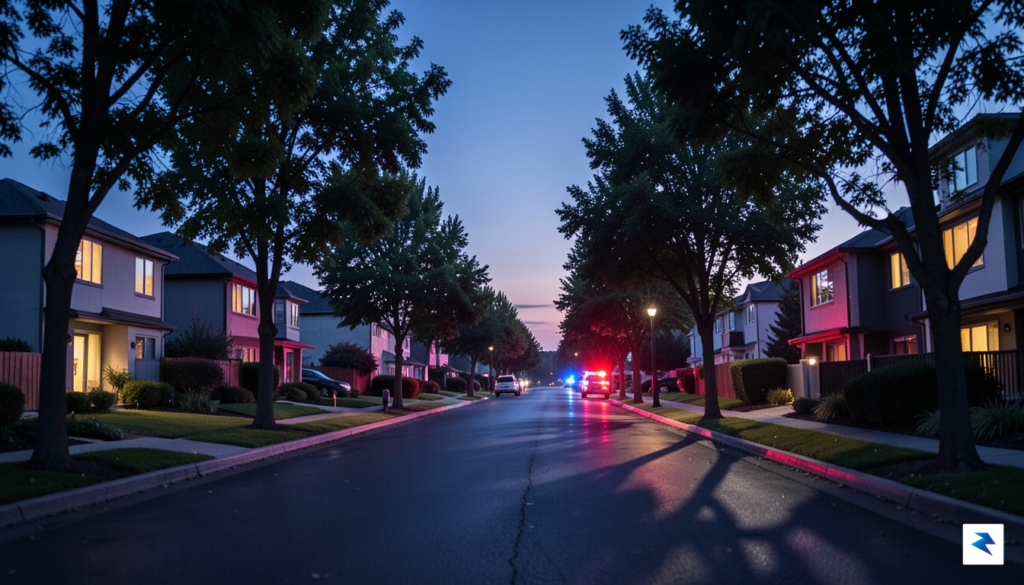
The quiet community of Katy, Texas, became the site of a devastating collision that has since reverberated across the automotive and legal landscapes. On the day of the incident, a Tesla Model 3 veered off the roadway under circumstances that remain under intense scrutiny by local authorities. The vehicle left the pavement and crashed directly into a private residence, an event that instantly transformed a quiet domestic setting into a scene of profound tragedy. The impact was severe enough to claim the life of a woman who was inside her home at the time, marking a grim intersection between suburban safety and the complexities of modern vehicle technology.
In the immediate aftermath of the crash, law enforcement officials and emergency responders arrived to find a scene that demanded a comprehensive investigation into the driver’s actions and the vehicle’s operating state. As investigators reconstructed the events leading up to the impact, the legal focus shifted toward the culpability of the driver, identified as Michael Butler. Following an assessment of the evidence collected at the scene, authorities ultimately filed manslaughter charges against Butler. This legal action highlights the gravity with which local officials view the incident, signaling that the operation of advanced driver-assistance systems does not absolve a driver of their fundamental responsibility to maintain control of their vehicle at all times.
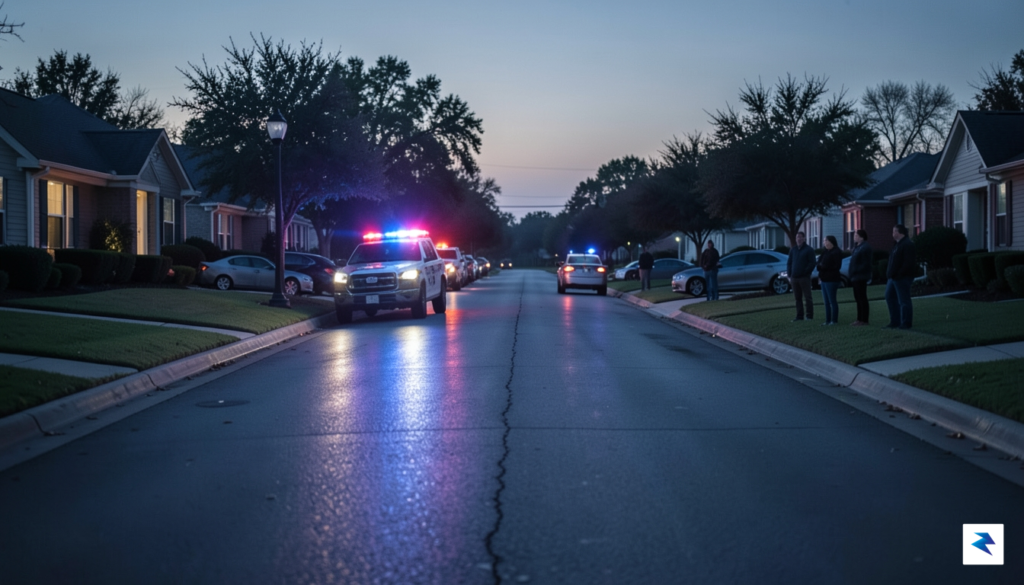
The tragic loss of life serves as a sobering reminder that the integration of semi-autonomous features into personal vehicles requires unwavering human supervision and accountability.
While the broader debate regarding the safety and reliability of Tesla’s Full Self-Driving (FSD) software continues to evolve, the specific facts of this case underscore the human cost of these technological failures. The fatality in Katy has moved the conversation beyond abstract technical metrics, forcing a focus on the real-world consequences of potential software malfunctions or driver inattention. As the judicial process moves forward, the case against Butler will likely serve as a critical touchstone for how courts handle incidents involving automated driving systems. For the family of the victim, the focus remains on the irreparable loss, while for the public, the incident serves as a stark warning regarding the current limitations of vehicle autonomy on public roads.
At the center of this legal firestorm is a fundamental disconnect between Tesla’s marketing nomenclature and the technical reality of its advanced driver-assistance systems. While Tesla refers to its suite of features as “Full Self-Driving” (FSD), industry standards and federal regulators categorize the technology as a Level 2 system. Under the Society of Automotive Engineers (SAE) framework, Level 2 automation necessitates that the human driver remains fully engaged and in control of the vehicle at all times, monitoring the environment and standing ready to intervene instantaneously should the software falter. Despite the suggestive branding, the current iteration of FSD is not an autonomous system capable of navigating without human oversight; it is an sophisticated assistant that requires a vigilant operator to remain behind the wheel, hands ready to take over steering or braking.
The driver’s assertion that the system was active during the fatal collision highlights a perilous gap in public perception regarding these capabilities. When motorists believe their vehicles are more capable than they truly are, they may succumb to “automation bias,” a psychological phenomenon where drivers become overly reliant on technology and lose their situational awareness. This complacency is precisely what safety experts fear most, as the software currently lacks the human intuition required to predict complex, unpredictable scenarios, such as a vehicle suddenly leaving the roadway and entering a residential property. Consequently, the legal system is now forced to grapple with whether this reliance constitutes a failure of the driver to uphold their duty of care, or if the marketing of these systems creates an environment where such catastrophic errors are an inevitable outcome.
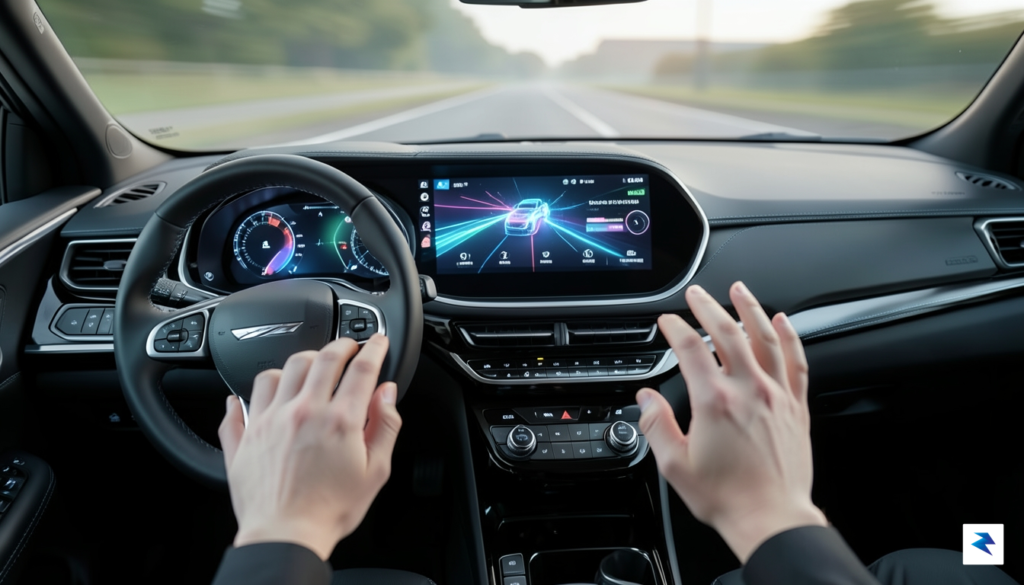
The distinction between a driver-assist system and a truly autonomous vehicle is not merely technical—it is a critical boundary that separates a safe commute from a potential tragedy.
This situation significantly complicates the criminal defense strategy, as the legal team must navigate the blurred lines between user error and potential system failure. If the driver can prove that the software acted in a way that defied reasonable expectations for an assisted driving system, the defense may attempt to shift the narrative toward Tesla’s liability. However, prosecutors are likely to maintain that regardless of what the computer was doing, the ultimate responsibility for the operation of a two-ton machine rests solely with the person in the driver’s seat. By claiming the software was engaged, the driver brings the internal logic of Tesla’s neural network into the courtroom, forcing a public examination of how these algorithms interpret road conditions and whether they provide adequate safeguards to prevent human error from turning into fatal negligence.
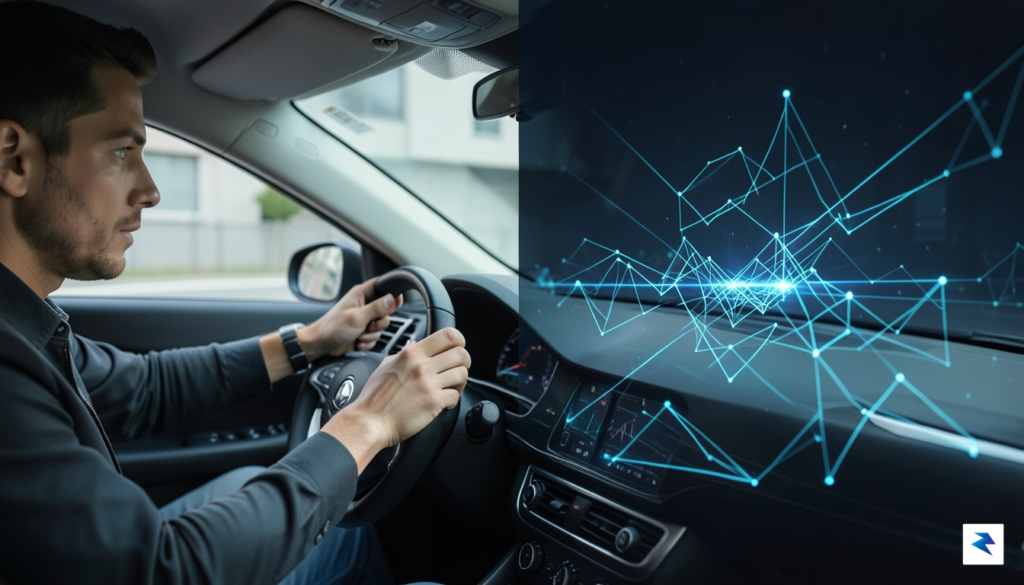
The rapid integration of Advanced Driver Assistance Systems (ADAS) into modern vehicles has fundamentally altered the relationship between human operators and the road. While these features—such as lane-keeping assist, adaptive cruise control, and automated emergency braking—are designed to enhance safety, they have inadvertently cultivated a psychological phenomenon known as automation bias. This occurs when drivers begin to treat their vehicles as if they are fully autonomous, placing an undue, misplaced trust in software that is fundamentally designed only to assist, not to replace, the human brain. When a system performs flawlessly for thousands of miles, the human tendency is to lower one’s guard, leading to a dangerous state of complacency where the driver is no longer actively monitoring the vehicle’s behavior.
A critical point of confusion for the average consumer lies in the industry’s often misleading terminology. Terms like “Full Self-Driving” or “Autopilot” create a cognitive dissonance, suggesting a level of capability that current SAE Level 2 systems simply do not possess. In reality, these vehicles are strictly driver-assist technologies; they require constant, undistracted supervision from a human who is ready to intervene at a split-second’s notice. The gap between what these systems can do under ideal, controlled conditions and what they can handle in complex, real-world environments is massive. When a driver mistakes a sophisticated cruise control system for a chauffeur, they effectively transition from being an active pilot to an ill-prepared passenger, unaware of the system’s limitations until a collision is already inevitable.
The most dangerous piece of technology in an automated vehicle is not the software or the sensors, but the human expectation of perfection. Until a vehicle is fully autonomous, the operator must remain the primary safety mechanism.
Maintaining high levels of situational awareness remains the single most important safety factor for any vehicle operator today. Even as software updates improve the reaction times and obstacle detection of these systems, they still lack the intuitive judgment and contextual understanding that a human possesses. Drivers must resist the urge to engage in secondary tasks—such as checking mobile devices or shifting focus away from the windshield—simply because the vehicle appears to be handling the workload. True safety in the age of automation requires a paradigm shift: treating the car as a tool that requires constant vigilance, rather than a system that can be trusted to manage the complexities of traffic, weather, and unexpected hazards on its own.
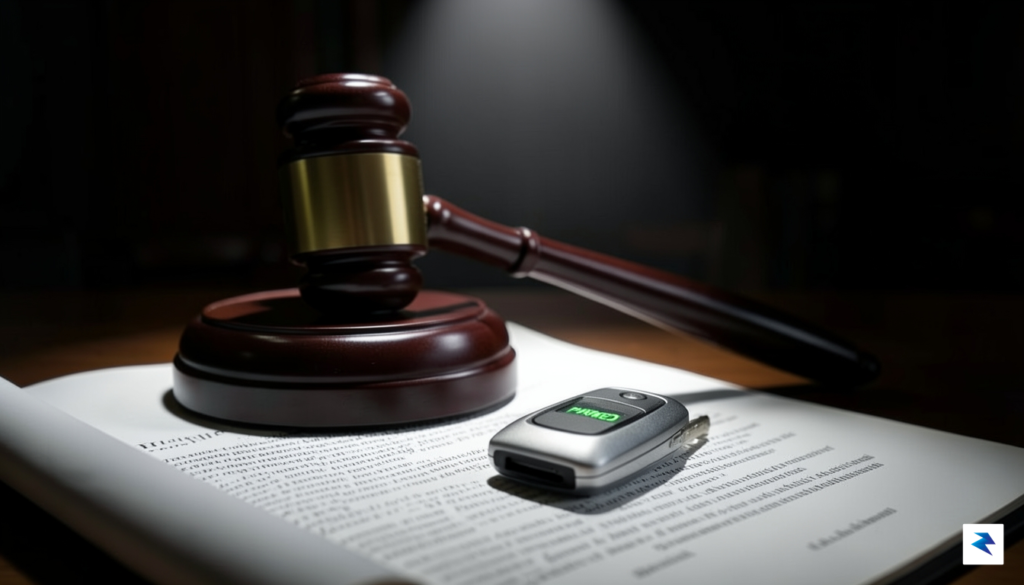
The increasing sophistication of advanced driver-assistance systems (ADAS), such as Tesla’s Autopilot and Full Self-Driving (FSD) capabilities, has introduced a new layer of complexity to automotive liability. When a vehicle equipped with these technologies is involved in a serious crash, especially one resulting in fatalities, determining who is truly responsible becomes a multi-layered legal challenge that extends far beyond traditional notions of driver error. Courts and legal experts are grappling with how to apportion blame between the human behind the wheel, who is still legally considered the vehicle’s operator, and the sophisticated software designed to assist, or even partially control, the driving process.
Current legal frameworks largely operate on the premise of the “driver-in-the-loop,” meaning that despite the advanced features, the human driver retains ultimate responsibility for the vehicle’s safe operation. This principle asserts that even when ADAS is engaged, the driver must remain attentive, monitor the road and the system’s performance, and be prepared to take immediate control at any moment. Consequently, when a crash occurs, prosecutors often look first at whether the driver exhibited negligence—failing to intervene, misusing the system, or driving while distracted. This often places a heavy burden on the individual driver, who is expected to understand the limitations of nascent technology and compensate for any shortcomings.
However, the discussion doesn’t end with driver accountability. A critical aspect of these cases revolves around the manufacturer’s responsibility for the software’s design, performance, and the clarity of its marketing and warnings. If a vehicle’s software is found to have malfunctioned, behaved unpredictably, or if the manufacturer’s marketing claims potentially overstated the system’s capabilities, a different facet of liability emerges. Courts must then consider whether the system itself contributed to the crash, either through a defect in its code or through misleading information that led the driver to misuse it or over-rely on its abilities. This involves deep technical analysis of telemetry data, software logs, and expert testimony to reconstruct the precise sequence of events leading to the collision.
The judicial system is tasked with the delicate balance of dissecting these incidents, weighing the driver’s duty to maintain control against the manufacturer’s responsibility for a safe and reliably functioning product. Cases like the one involving manslaughter charges against a Tesla driver in Texas are particularly significant because they force a rigorous examination of this balance. The outcome could set crucial precedents, not only for how individual drivers using ADAS are held accountable but also for the expectations placed on manufacturers developing increasingly autonomous vehicles. [IMAGE: A highly descriptive prompt for the image generator: A split image showing a human driver with hands on a steering wheel, looking alert, on one side, and on the other, a complex digital interface displaying lines of code and data, representing software. A scale balancing these two elements is subtly visible in the center.]
Such cases have profound implications for the future of autonomous technology. If manufacturers are found liable for software malfunctions or deceptive marketing, it could significantly alter product development cycles, testing protocols, and how these systems are advertised and deployed. Conversely, if the focus remains predominantly on driver negligence, it may reinforce the imperative for drivers to exercise extreme caution and maintain vigilance, even in highly automated vehicles. Ultimately, these legal battles are shaping the evolving landscape of automotive liability, striving to define the boundaries of responsibility in an era where machines are increasingly sharing the driving task with humans, and paving the way for future regulatory frameworks for fully autonomous vehicles.
The tragic incident in Texas, where a vehicle operating with advanced driver-assist features was involved in a fatal crash, is poised to become a pivotal moment for the burgeoning autonomous vehicle industry. While the immediate aftermath is focused on legal proceedings and determining responsibility, the broader implications for how driver-assist systems are developed, marketed, and regulated are undeniable. This devastating event is likely to serve as a potent catalyst, prompting a significant shift towards more rigorous oversight and a heightened emphasis on consumer safety across the entire automotive sector. It signals a new era where the convenience and innovation of automation must be inextricably linked with stringent accountability and clear operational boundaries.
One of the most immediate repercussions will likely be intensified federal scrutiny, particularly from the National Highway Traffic Safety Administration (NHTSA). Previously, NHTSA has conducted investigations into various incidents involving driver-assist systems, but this tragedy could accelerate the push for more comprehensive regulatory frameworks. We can anticipate increased demands for detailed data reporting from manufacturers on system performance, disengagements, and crash statistics. This might also lead to the establishment of clearer definitions for different levels of autonomy, potentially reining in marketing language that some argue overstates current capabilities and misleads consumers into believing these systems are fully self-sufficient.
Consequently, vehicle manufacturers are expected to re-evaluate their approaches to software deployment and system design. The industry might transition from a rapid iteration model, often seen in software development, to a more cautious, thoroughly validated release cycle for critical driver-assist functionalities. This could involve more extensive real-world testing under diverse conditions and a greater emphasis on robust fail-safe mechanisms that gracefully handle system limitations or unexpected scenarios. Furthermore, there will be an increased focus on ensuring that hardware and software redundancies are in place to prevent catastrophic failures and to safely revert control to the human driver when necessary.
A crucial area for reform will undoubtedly be the mandate for improved driver monitoring systems (DMS). The Texas incident underscores the critical danger of driver inattention when relying on advanced assistance features. Regulations could soon require more sophisticated DMS technologies, such as advanced eye-tracking or head-position sensors, to ensure drivers remain engaged and ready to intervene at all times, rather than simply relying on periodic steering wheel nudges. These systems would not merely alert but could actively limit or disable driver-assist features if a driver is repeatedly found to be disengaged, thereby reinforcing the indispensable role of human supervision in semi-autonomous vehicles.
Beyond technological enhancements, the industry and regulators must also address the vital aspect of driver education and public understanding. Misconceptions about the capabilities of current driver-assist systems are widespread, often fueled by enthusiastic marketing and a general desire for technological advancement. Future regulations might mandate more comprehensive training programs for vehicle owners, going beyond brief tutorials to ensure a thorough understanding of system limitations, proper use, and the unwavering necessity of driver readiness. Clearer labeling and standardized terminology will also be critical in managing public expectations and fostering a culture of informed and responsible use, ultimately bridging the gap between technological innovation and public safety.
You must be logged in to post a comment.