
Threat Modeling Simplified: A Practical Guide for Developers
Understanding the Fundamentals of Threat Modeling Many developers view threat modeling as a burdensome bureaucratic hurdle—a mountain of…
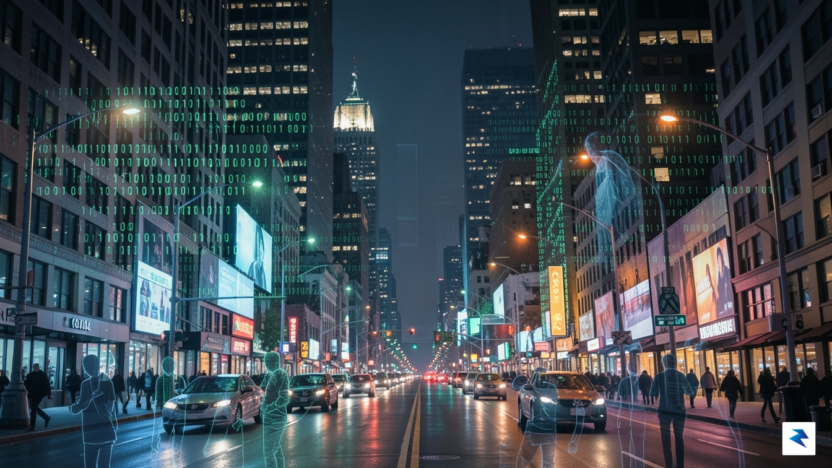
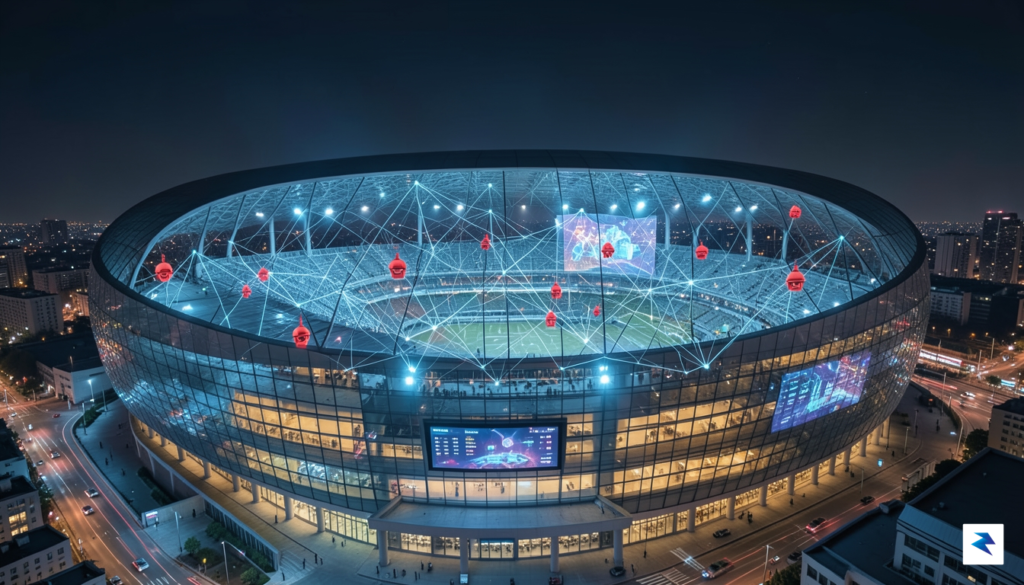
As the United States gears up for a historic convergence of global attention, the atmosphere is thick with anticipation. With the 2026 World Cup descending upon North American cities and the nation simultaneously preparing for the America250 semiquincentennial celebrations, the country is bracing for a scale of public gathering not seen in generations. These events are designed to be spectacles of unity, commerce, and national pride, drawing millions of fans and tourists into the heart of major metropolitan hubs. However, behind the facade of vibrant fan zones and celebratory parades, a different kind of infrastructure is being quietly cemented into the urban landscape. The promise of an unforgettable guest experience is increasingly tethered to a significant, and often permanent, expansion of government and private surveillance technology.
The central tension lies in the delicate balance between effective crowd management and the erosion of individual privacy. To organizers, the deployment of high-resolution facial recognition, advanced predictive analytics, and expansive sensor networks is a logical response to the logistical nightmare of hosting thousands of people in constrained public spaces. Proponents argue that in an era of heightened global threats, these tools are essential for identifying bad actors before they can disrupt the festivities. Yet, this narrative of security often obscures a more complex reality: the tools introduced to secure a two-week tournament rarely disappear once the final whistle blows. Instead, these systems frequently become a fixture of city life, normalizing a level of observation that would have been considered invasive or unnecessary only a few years prior.
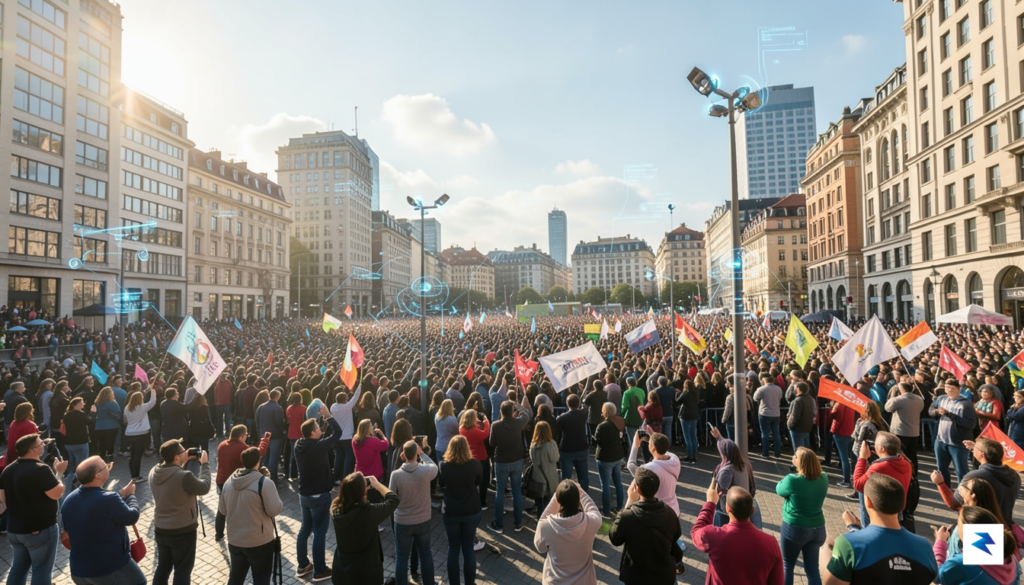
The transition from temporary event security to permanent municipal surveillance represents a significant shift in how we interact with the public square, turning open spaces into data-harvesting environments.
This phenomenon serves as a catalyst for what many privacy advocates call “function creep,” where technology installed for a specific, time-limited event is repurposed for routine policing and long-term monitoring. As cities scramble to update their digital infrastructure to accommodate the influx of visitors, they are effectively laying the groundwork for a future where one’s physical presence in a public park or near a stadium is logged, analyzed, and stored. When we celebrate the convenience and safety promised by these “smart city” initiatives, we must also confront the long-term trade-offs. The excitement surrounding our upcoming national milestones should not distract us from the reality that the surveillance apparatus being built today is designed to outlast the cheering crowds of 2026, creating a legacy of oversight that will define the American urban experience for years to come.
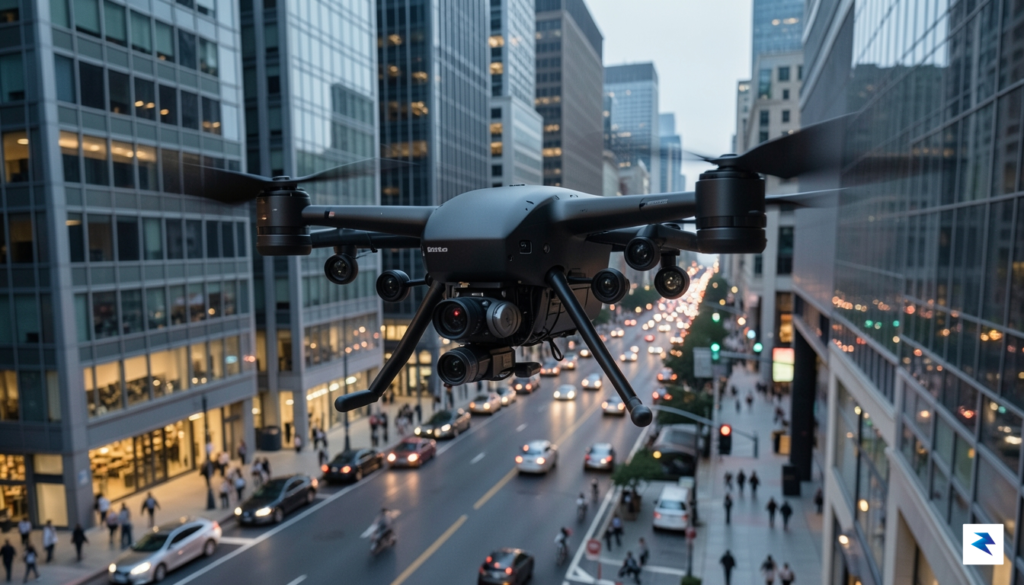
Modern surveillance transcends the static, grainy images of traditional CCTV. Today’s apparatus is a complex, interconnected web of digital eyes and ears, designed to capture, analyze, and predict public movement with unprecedented accuracy. This evolution isn’t merely about more cameras; it’s about intelligent systems that can identify individuals, track vehicles, and even monitor vast areas autonomously, fundamentally altering the landscape of public space and privacy. The upcoming World Cup, for instance, provides a prime opportunity for host cities to showcase and further entrench these sophisticated capabilities, weaving them deeper into the urban fabric under the guise of security.
At the forefront of this technological leap is advanced facial recognition software. No longer confined to static checkpoints, these powerful algorithms can scan live video feeds from countless cameras, identifying individuals within massive crowds in real-time. By cross-referencing these visual data points with existing databases—which might include everything from government IDs to social media profiles—authorities can track a person’s movements across an entire city, noting their presence at specific locations and even logging their associations with others. This capability transforms anonymous crowds into identifiable data streams, raising significant questions about the right to anonymity in public.
Complementing facial recognition are Automated License Plate Readers (ALPRs), which represent another critical layer of the surveillance infrastructure. Mounted on lampposts, police cars, and strategic entry points, ALPRs continuously scan and record every license plate that passes by. This data, which includes the plate number, date, time, and location, is then logged into vast searchable databases. These systems can instantly flag vehicles of interest, track travel patterns over extended periods, and even identify vehicles that regularly frequent certain areas, providing a granular understanding of vehicular movement that was previously impossible.
Adding an aerial dimension to this omnipresent watch are autonomous drone networks. These are not just individual drones flown by pilots but often coordinated swarms or strategically deployed units capable of long-duration flights and advanced data collection. Equipped with high-resolution cameras, thermal imaging, and even facial recognition capabilities, drones can monitor large public gatherings, track individuals or groups from above, and provide real-time intelligence to ground teams. Their mobility and ability to access hard-to-reach areas create a dynamic, adaptable surveillance blanket that can quickly respond to unfolding events or maintain persistent oversight of critical zones.
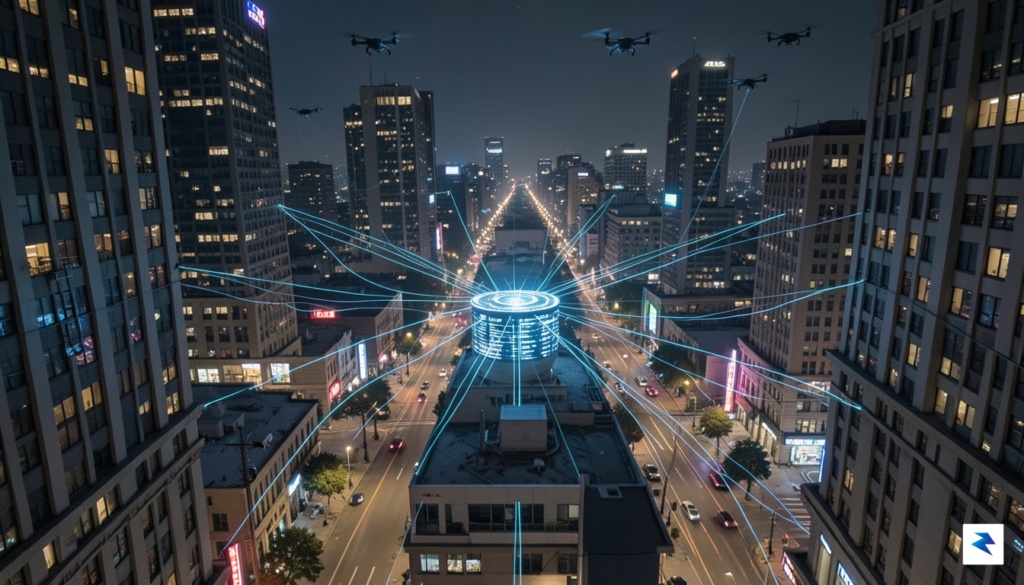
The true power of this modern surveillance ecosystem emerges from the aggregation and analysis of data across these disparate technologies. Feeds from facial recognition systems, ALPRs, and drone networks are not siloed; instead, they are often funneled into centralized data fusion centers. Here, sophisticated algorithms correlate information from various sources, stitching together a comprehensive, multi-dimensional picture of public activity. This integrated approach marks a profound shift from traditional, reactive policing—responding to crimes after they occur—to a model of predictive surveillance, where authorities attempt to anticipate and prevent potential incidents based on patterns and anomalies identified in the colossal datasets. This seamless data flow across city departments, from police to transit to event security, aims to create a truly total picture, raising significant concerns about civil liberties and the potential for ubiquitous monitoring.

The excitement of hosting a global spectacle like the World Cup brings with it immense logistical and security challenges. With millions of international visitors descending upon host cities, proponents of enhanced surveillance argue that robust safety measures are not just advisable, but absolutely paramount to ensure public order and prevent potential threats. This perspective often prioritizes collective safety, suggesting that a temporary increase in monitoring is a small price to pay for the assurance of security in crowded public spaces. However, this immediate need for vigilance inevitably clashes with deeply held principles of individual privacy and the fundamental expectation of anonymity in daily life, sparking a profound philosophical and legal debate that extends far beyond the duration of any single event.
One of the most significant concerns voiced by civil liberties advocates revolves around what is often termed the ‘temporary to permanent’ trap. Measures initially justified as short-term necessities for a high-profile event—such as advanced facial
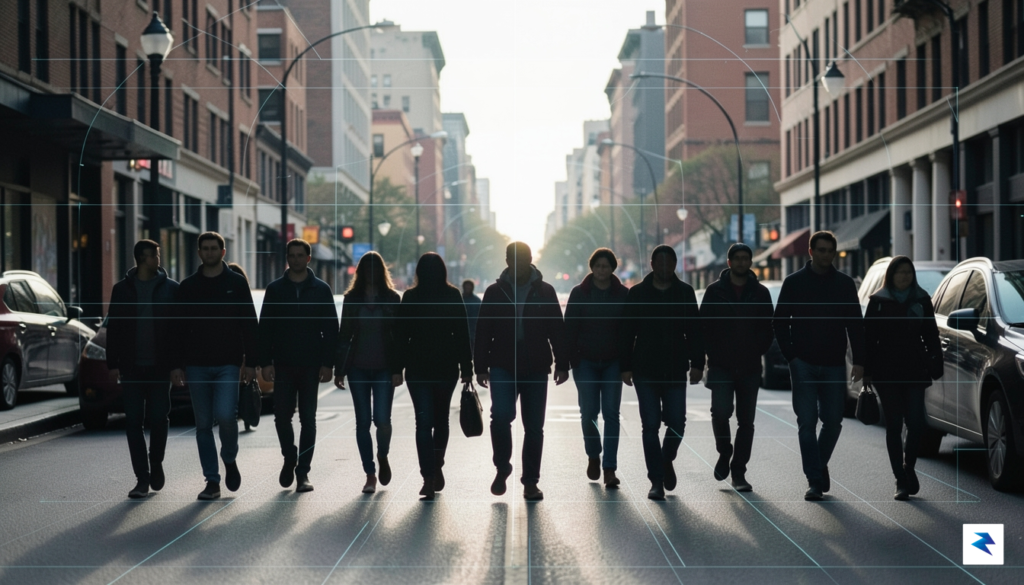
For those residing in cities slated to host 2026 mega-events, the influx of advanced security technology is not merely a temporary inconvenience; it represents a permanent shift in the relationship between local governance and personal privacy. While the immediate focus remains on securing stadium perimeters and managing traffic flow, the infrastructure deployed—ranging from high-definition facial recognition cameras to sophisticated data-sharing networks—often remains in place long after the final whistle blows. Residents must recognize that their daily routines, from commuting to work to visiting neighborhood parks, are increasingly being mediated by digital tools designed for persistent observation.
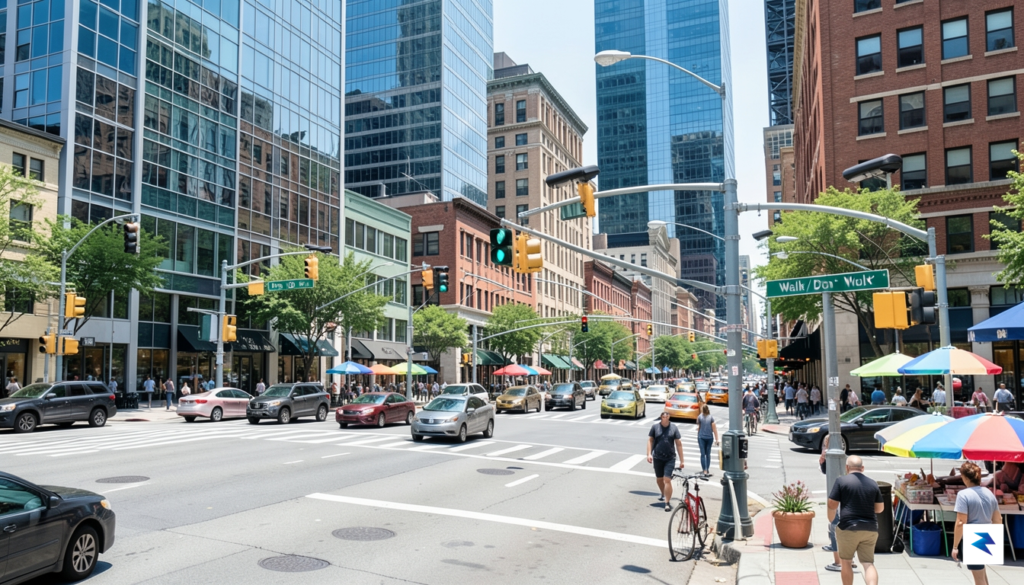
Empowerment begins with transparency, and the first step is actively inquiring about the specific surveillance policies currently being implemented by your local government. You have the right to request public records regarding the procurement of security technology, including the specific vendors involved and the stated purpose of these data-collection tools. By visiting your city’s official transparency portal or submitting a formal Freedom of Information Act (FOIA) request, you can uncover exactly what types of biometric or behavioral data are being stored and, perhaps more importantly, who has access to that information. Being informed allows you to distinguish between necessary public safety measures and invasive practices that overstep the boundaries of civil liberties.
True security should not come at the expense of anonymity; residents should demand clear, written policies that govern how data is collected, how long it is retained, and when it is purged.
Beyond individual inquiries, your voice carries significant weight at the municipal level. Attending city council meetings and engaging with your local representatives is essential for holding officials accountable for the digital footprint they are creating in your community. During these sessions, you should advocate for the implementation of comprehensive surveillance ordinances. These local laws are designed to force government transparency by requiring public debate before any new surveillance technology is acquired or deployed. Furthermore, effective ordinances often mandate that local law enforcement provide annual reports detailing how their tools are being utilized and whether they have proven effective in reducing crime, preventing the “mission creep” that often occurs when security budgets go unchecked.
Staying engaged in this process requires a proactive approach to local governance. Consider the following steps to protect your digital rights:
Ultimately, the goal is to ensure that the security measures adopted for the World Cup serve the community rather than monitor it. By demanding strict limits on data retention and clear oversight mechanisms, residents can preserve their privacy while still ensuring their neighborhoods remain safe. The transition to a more heavily monitored urban environment is not inevitable, but it does require a vigilant and informed public that is willing to participate in the democratic process at the most fundamental, local level.

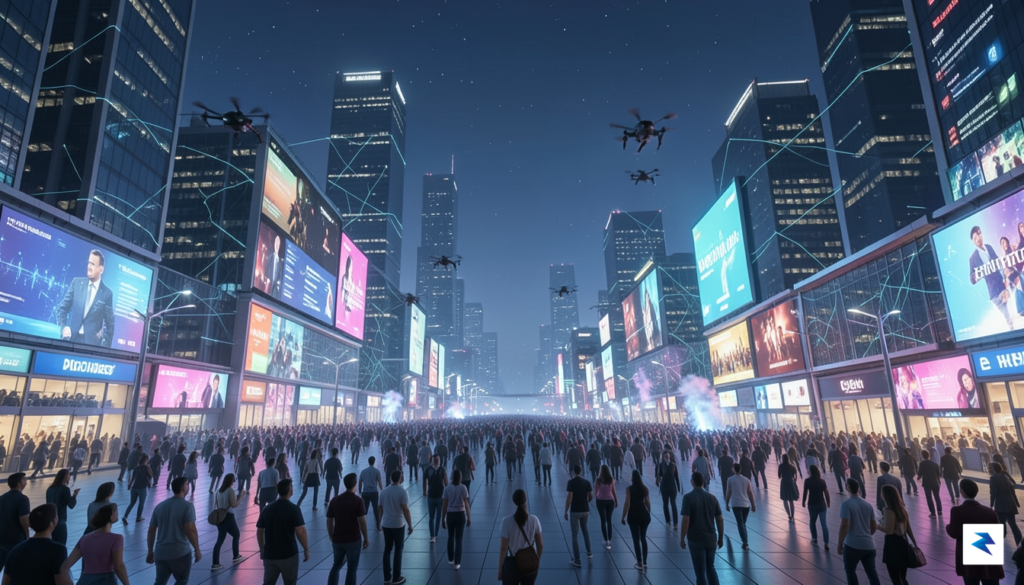
The 2026 World Cup and the concurrent America250 celebrations are poised to act as a definitive turning point for the American landscape, serving as the largest testing grounds for integrated surveillance technology in our nation’s history. While these events represent a moment of global unity and national pride, they also risk cementing a “new normal” where the permanent infrastructure of a digital police state becomes indistinguishable from the amenities of a modern smart city. If we fail to critically examine the legacy of these technological deployments, we risk permanently eroding the anonymity that has historically defined the American public square. It is not merely a matter of security; it is a fundamental question of what kind of society we wish to inhabit once the crowds have gone home and the stadiums have quieted.
Technology itself is neither inherently malicious nor purely beneficial; it is a tool that reflects the values of the governing bodies that wield it. When facial recognition, biometric tracking, and predictive analytics are deployed without rigorous democratic oversight, they operate in a vacuum of accountability that inevitably leads to mission creep. We must move beyond the binary debate of “security versus privacy” and recognize that true public safety requires transparency, strict data limitations, and the ability for citizens to opt out of mass monitoring. Without clear legislative guardrails that specify where the surveillance state ends and individual liberty begins, we are essentially building a digital panopticon that can be repurposed by any administration, regardless of its original intent.
The true measure of a free society is not how efficiently it monitors its people, but how effectively it protects the right of those people to exist in public spaces without being treated as permanent data subjects.
Ultimately, the future of our urban privacy depends on a shift in public discourse that prioritizes civic engagement over passive convenience. We need a robust national dialogue that demands clear policy advocacy, ensuring that local governments are held accountable for the data-harvesting practices they authorize in the name of event logistics. Citizens must actively question how long their biometric data is stored, who has access to it, and what happens when that data is shared across municipal or federal jurisdictions. By participating in local council meetings, supporting digital rights organizations, and demanding legislative transparency, we can reclaim the public square as a space for freedom rather than a grid for tracking. The technology of 2026 will leave a lasting mark on our cities, but it is the informed voice of the public that must decide whether that mark is one of liberation or control.
You must be logged in to post a comment.