
Tech Stocks Cooling? Why Investors Are Pivoting to Bitcoin
The Great Rotation: Analyzing the Tech-to-Crypto Pivot For nearly two years, the global financial landscape has been dominated by an…
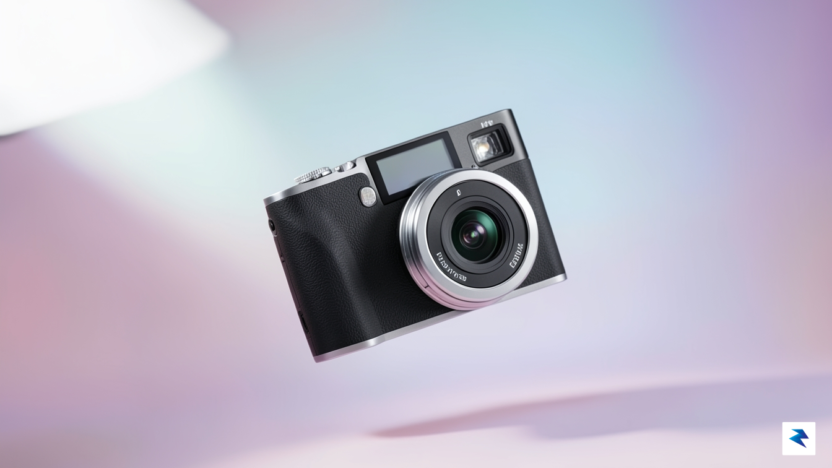
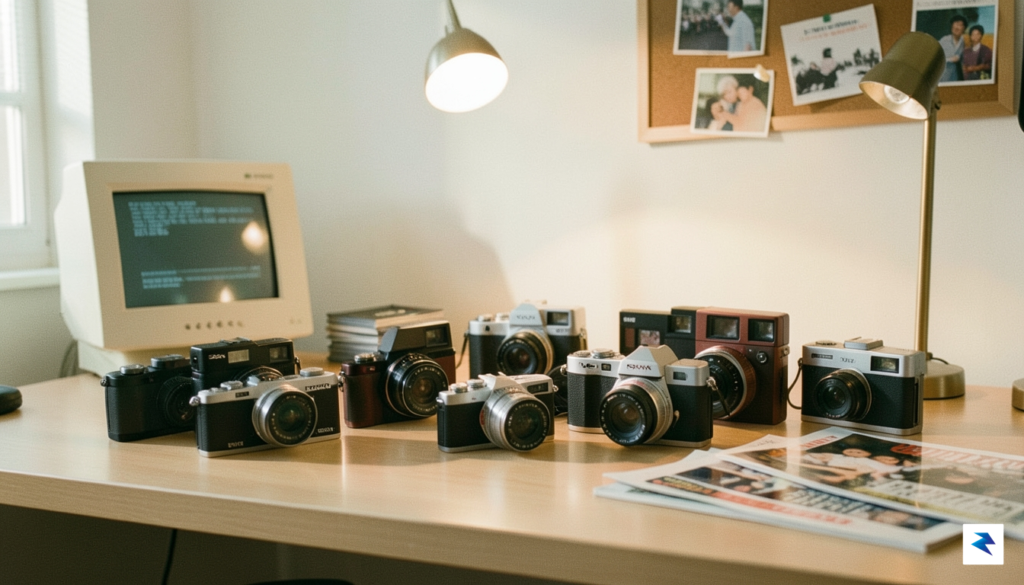
For years, the industry narrative suggested that the smartphone would be the final word in photography, effectively relegating dedicated cameras to the realm of professionals and enthusiasts. However, a fascinating pivot is currently reshaping the digital landscape. Across platforms like TikTok and Instagram, we are witnessing a genuine renaissance of the humble point-and-shoot camera. This is not merely a fleeting aesthetic trend fueled by nostalgia; it represents a collective reaction against the hyper-saturated, AI-driven world of modern computational photography. Creators are increasingly turning their backs on the pristine, algorithmically perfected images produced by flagship phones in favor of the raw, imperfect, and tactile experience offered by standalone devices.
The primary driver behind this shift is a growing sense of fatigue regarding how our smartphones handle light and detail. Modern mobile photography relies heavily on intense background processing, which often results in images that feel sterile, overly sharpened, or unnatural. By contrast, the dedicated point-and-shoot camera forces a user to engage with the limitations of hardware rather than the infinite, automated adjustments of software. This return to basics allows for a more authentic representation of a moment, complete with the subtle flaws that give a photograph its character. When we stop relying on a computer to “fix” our photos before we even hit the shutter, we regain a sense of creative agency that many have felt slipping away.
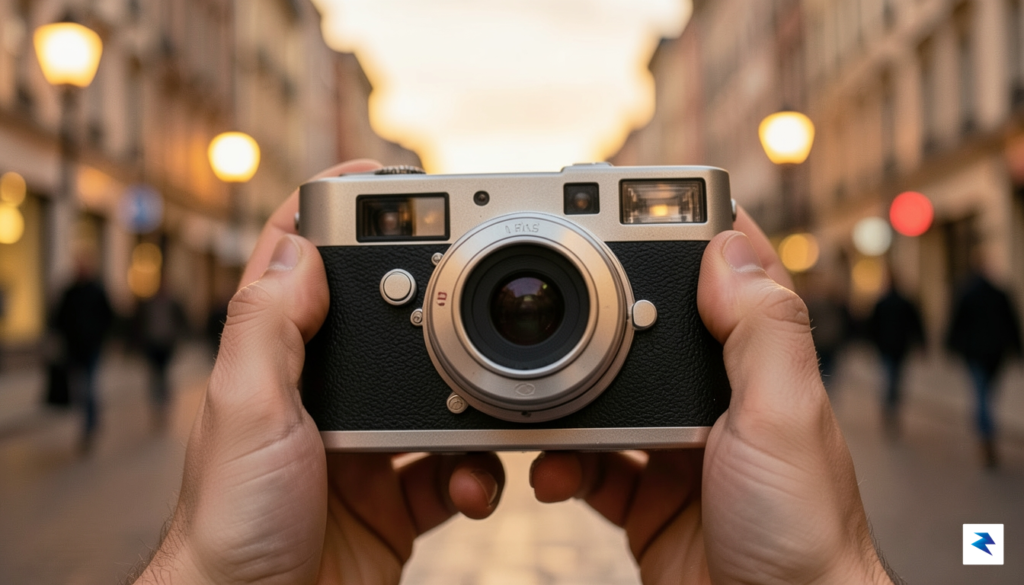
Beyond the technical output, there is a profound psychological shift occurring toward intentional, slower photography. Smartphone users are conditioned to capture hundreds of images in rapid succession, treating the act of shooting as a low-stakes, disposable habit. Conversely, using a dedicated camera introduces a necessary friction—a intentional pause that dictates how we observe our surroundings. When you have to frame your shot through a viewfinder or a specialized screen, you are no longer just documenting; you are observing. This conscious engagement transforms photography from a background task performed while scrolling social media into a primary activity that demands our full attention.
The true value of the modern point-and-shoot lies not in its ability to outperform a phone, but in its ability to disconnect the user from the digital noise, turning the act of photography into a deliberate, meditative practice.
This movement toward tactile gear is ultimately about reclaiming the joy of the process. Whether it is the satisfying click of a shutter button, the physical weight of a device in your palm, or the anticipation of viewing files that haven’t been processed by an invisible algorithm, these cameras provide a sensory feedback loop that a flat, vibrating smartphone screen simply cannot replicate. By choosing to carry a dedicated camera, photographers are making a statement that they value the journey of capturing a frame as much as the image itself. As we move deeper into an era of automated, synthetic imagery, this return to the raw, tactile roots of digital capture feels less like a step backward and more like a necessary evolution in how we preserve our memories.
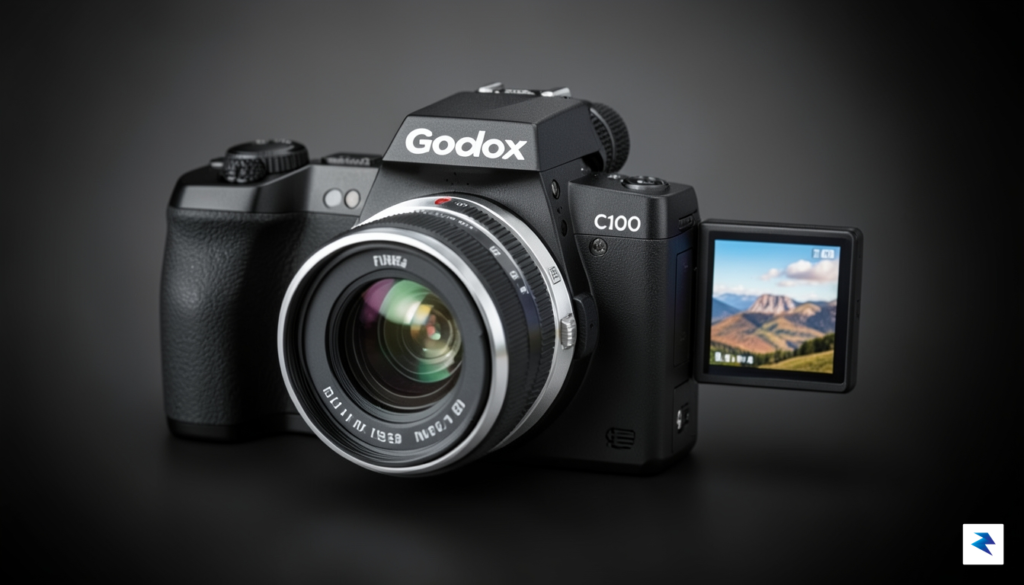
For decades, the name Godox has been virtually inseparable from the world of professional studio lighting. From high-powered strobes that illuminate fashion runways to portable speedlights tucked into the kits of wedding photographers, the company has mastered the science of manipulating photons. However, their latest venture into the hardware space marks a radical departure from their traditional catalog. With the release of the C100, Godox is not merely attempting to enter the competitive camera market; they are attempting to redefine the relationship between the photographer and their tools by applying their deep technical expertise in light physics to a compact, consumer-focused device.
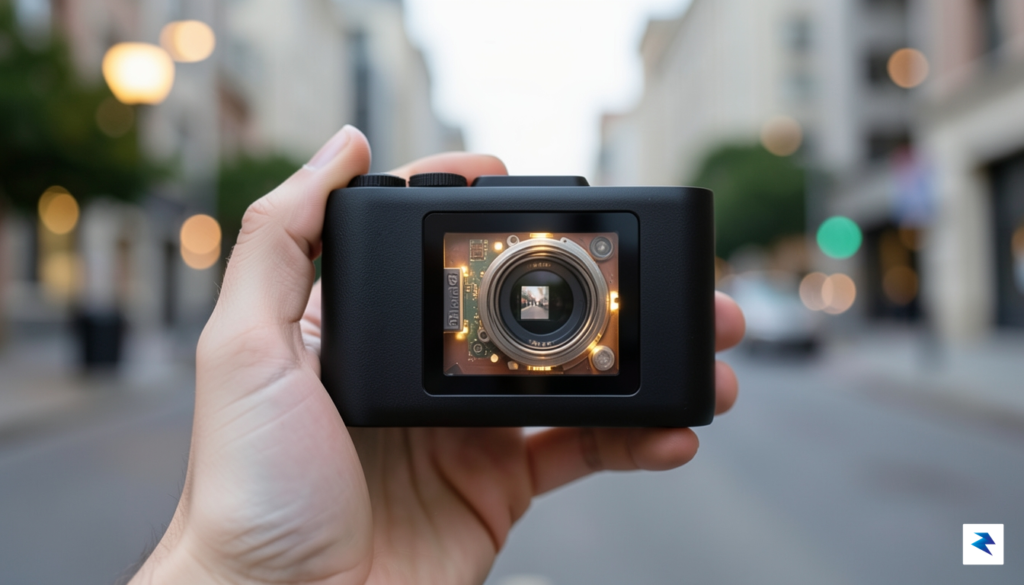
The C100 serves as a bridge, successfully translating professional-grade knowledge of sensor interaction into a streamlined, approachable package. Rather than engaging in the industry’s typical “spec-chasing” cycle—where manufacturers prioritize raw megapixels or complex menu systems—Godox has opted for a design-first philosophy. This device is built for the modern content creator and the casual hobbyist who demands high-quality results without the cognitive load of a traditional mirrorless camera. By stripping away the bloat and focusing on the tactile experience, Godox has created a camera that feels less like a piece of industrial equipment and more like an intuitive extension of the user’s creative intent.
“The C100 proves that when a company understands how light behaves, they don’t need a thousand buttons to help you capture it.”
The build quality of the C100 reflects this shift in priorities. It is remarkably slim, sliding easily into a pocket or a small clutch, which makes it an ideal companion for street photography, travel vlogging, or spontaneous social media documentation. The aesthetic is understated and sophisticated, appealing to users who value a device that looks as good as the imagery it produces. Because the hardware is optimized for portability, it encourages the user to keep the camera within arm’s reach at all times, ensuring that the most fleeting, authentic moments are never missed. For a generation of creators accustomed to the convenience of their smartphones, the C100 offers a significant upgrade in image fidelity and creative control, all while maintaining the kind of streamlined form factor that modern life demands.
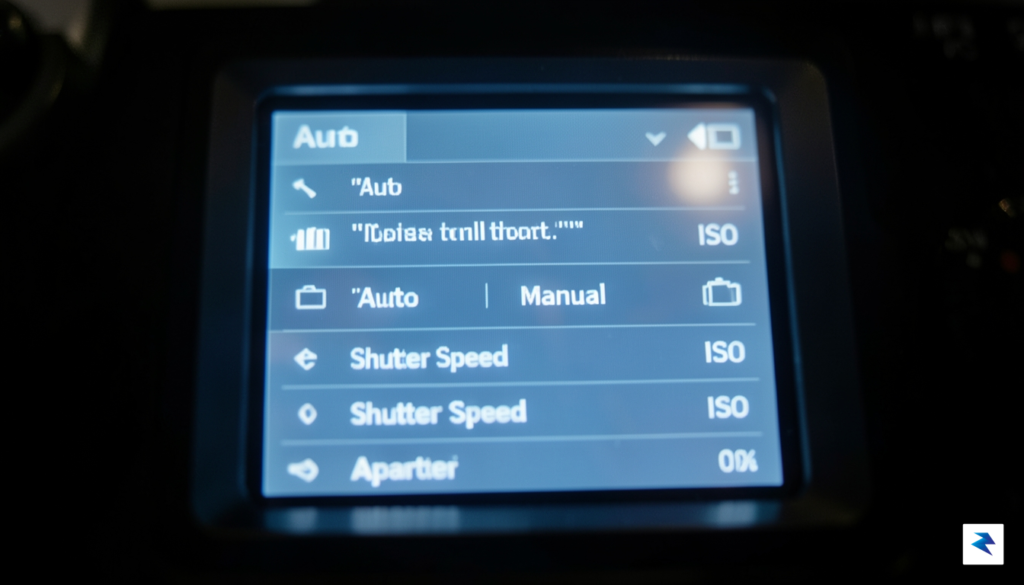
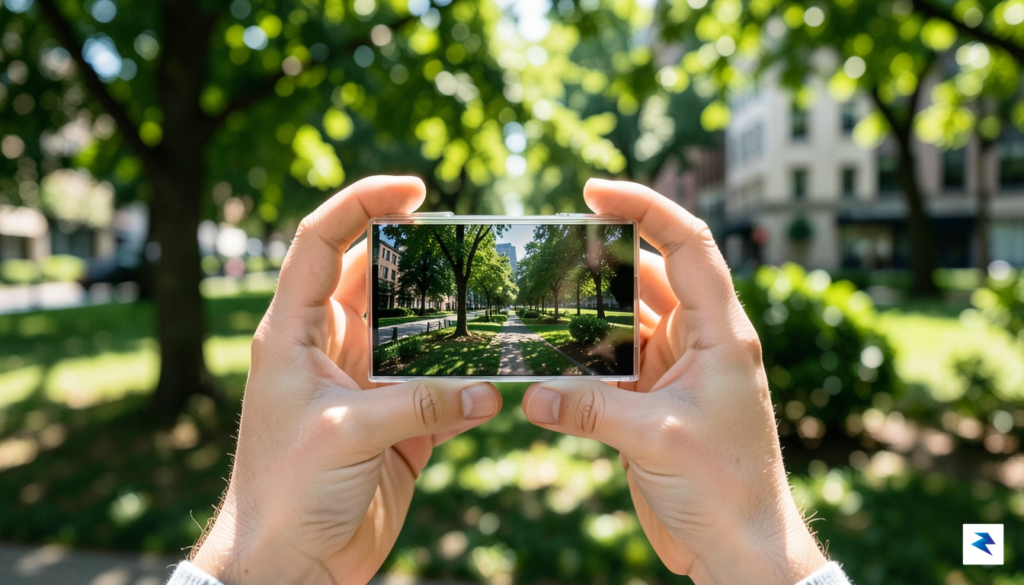
At the heart of the Godox C100 lies a breakthrough in camera design: a transparent LCD viewfinder that effectively bridges the gap between the tactile joy of traditional rangefinders and the modern power of digital imaging. Unlike conventional rear screens that force you to look at a flat, opaque display, this transparent panel acts as a window to the world. When you peer through the viewfinder, you are not merely looking at a digital representation of your scene; you are seeing the actual environment through the glass, overlaid with essential shooting data. This technical feat is achieved through a specialized light-transmitting layer that allows photons to pass through the display panel, ensuring that your field of vision remains unobstructed by the hardware itself.
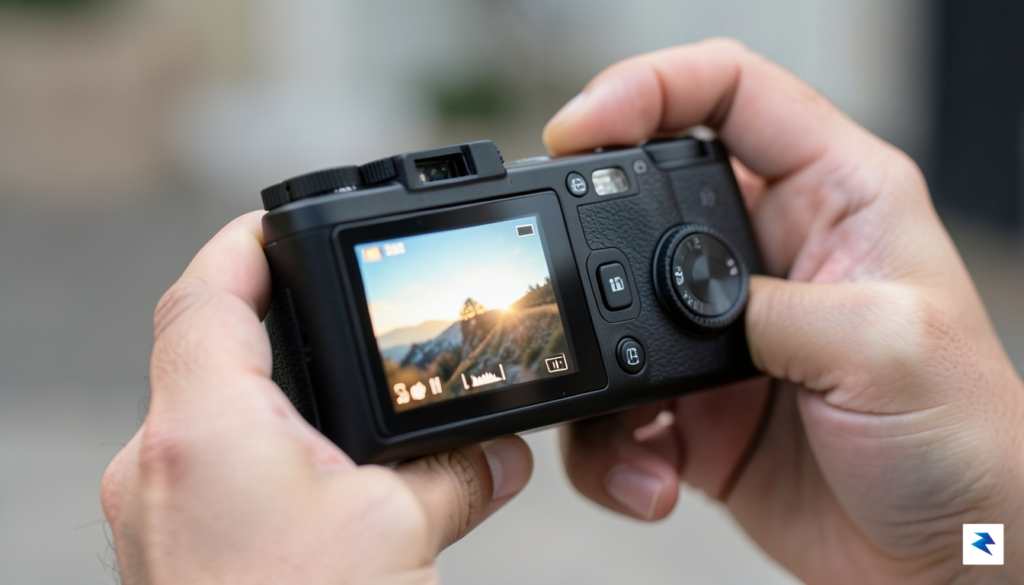
The user experience benefits of this configuration are profound, particularly for street and documentary photographers who value connection over isolation. When shooting with a standard digital screen, the camera acts as a barrier, hiding your face and often creating a psychological distance between you and your subject. With the C100, that barrier vanishes. Because you can maintain direct eye contact while framing your shot, the interaction feels significantly more organic and less intrusive. It allows the photographer to remain fully present in the moment, reacting to changes in the environment in real-time without the digital lag or “tunnel vision” often associated with closed electronic viewfinders (EVFs).
The transparent display changes the fundamental relationship between the photographer and the subject, transforming the camera from a wall into a bridge.
When compared to traditional optical viewfinders, the C100 offers a distinct advantage by providing the best of both worlds. While an optical viewfinder is inherently limited by what is physically reflected through the glass, the C100’s transparent screen feeds you critical information—such as histogram data, focus peaking, and exposure settings—without forcing you to look away from your subject to check a separate display. It is essentially a heads-up display (HUD) for your photography. By layering this digital convenience over an unobstructed view of reality, Godox has created a hybrid shooting experience that feels simultaneously nostalgic and cutting-edge, proving that sometimes the best way to innovate is to clear the path between the artist and their craft.
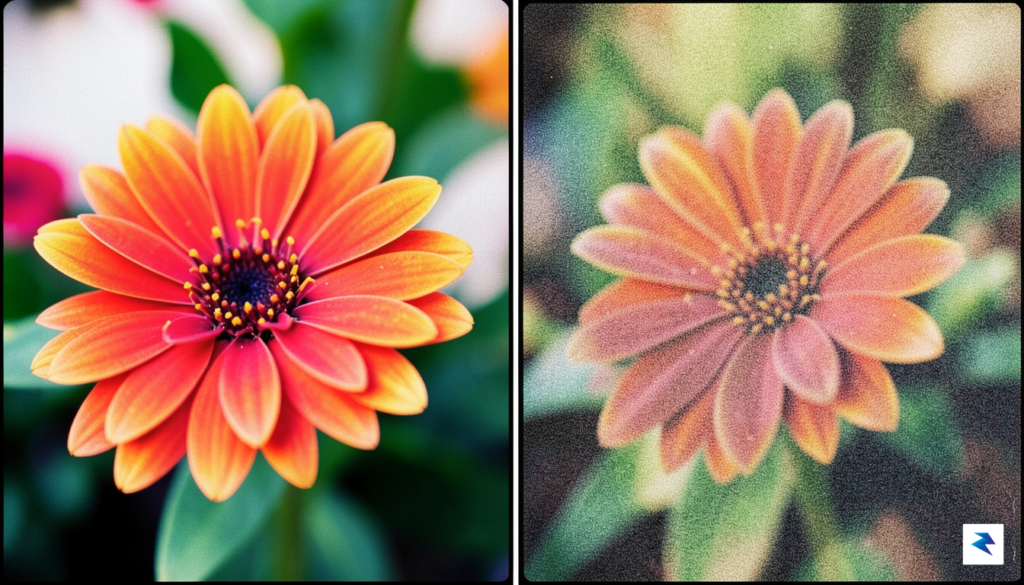
For years, the industry narrative has been dominated by the relentless pursuit of perfection. Smartphone manufacturers have effectively turned photography into an exercise in computational heavy lifting, where artificial intelligence reconstructs images pixel by pixel to ensure perfect exposure, infinite dynamic range, and noise-free shadows. However, this clinical precision has inadvertently stripped photography of its soul. For a growing segment of the creator community, the “perfect” smartphone photo has become synonymous with a plastic, over-processed aesthetic that feels more like a CGI render than a captured moment in time. The very intelligence that makes a modern phone camera accessible is now seen as the primary obstacle to achieving genuine artistic character.
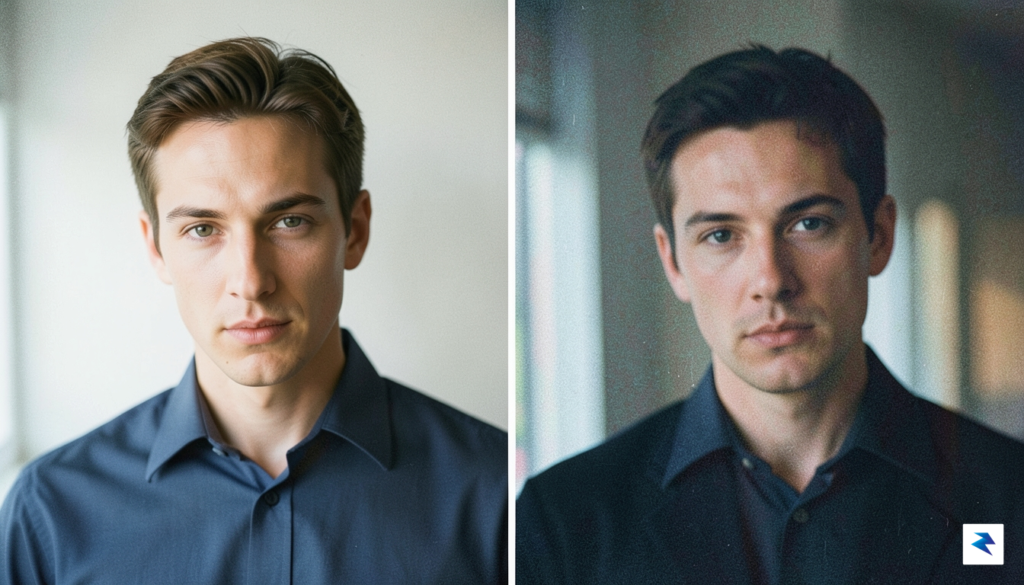
This backlash against algorithmic perfection is driving a profound shift toward the imperfect charms of older hardware. Creators are increasingly turning to early CCD and CMOS sensors not despite their limitations, but precisely because of them. These older components lack the aggressive noise-reduction algorithms and heavy-handed sharpening filters of modern flagships, instead offering gentle luminance noise, subtle color shifts, and a softer rendering that mimics the organic nature of film. When an image is allowed to retain its grain or display a slight variance in color science, it feels tactile and grounded. This “digital film” aesthetic provides a nostalgic, human touch that high-end computational photography simply cannot replicate, regardless of how many neural engines a phone possesses.
The desire to move away from smartphone photography is less about technical specifications and more about the reclamation of the creative process. Creators are trading convenience for character, finding that hardware-limited tools force a more intentional approach to composition.
Beyond the final image, there is an inherent appeal to the hardware-limited shooting experience. A smartphone is a distraction-prone device, tethered to the internet and perpetually buzzing with notifications, which inherently changes how we interact with our subjects. In contrast, a dedicated camera—especially one that pares the experience down to the essentials—creates a focused environment. By choosing a device that doesn’t try to solve every photographic problem through software, creators are rediscovering the joy of the craft. They are finding that when you remove the “smart” features and leave only the lens and the sensor, you are no longer just capturing data; you are finally starting to make photographs again.
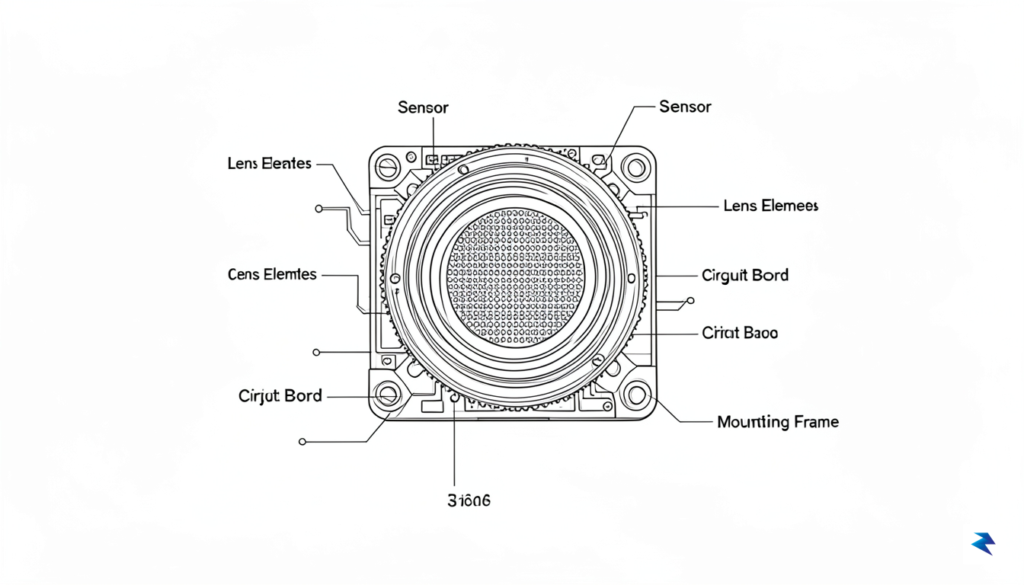
To understand the true nature of this device, one must look past its head-turning aesthetic and examine the hardware beneath the hood. The camera utilizes a compact sensor that, while sufficient for social media sharing and casual snapshots, lacks the dynamic range and noise-floor performance found in modern mirrorless systems or flagship smartphones. Its fixed-aperture lens is designed primarily for daylight use, meaning it struggles significantly when the sun dips below the horizon or when shooting in dimly lit indoor environments. Furthermore, the storage capacity is somewhat restrictive, necessitating a disciplined approach to file management rather than the “spray and pray” methodology enabled by high-speed memory cards in professional rigs.
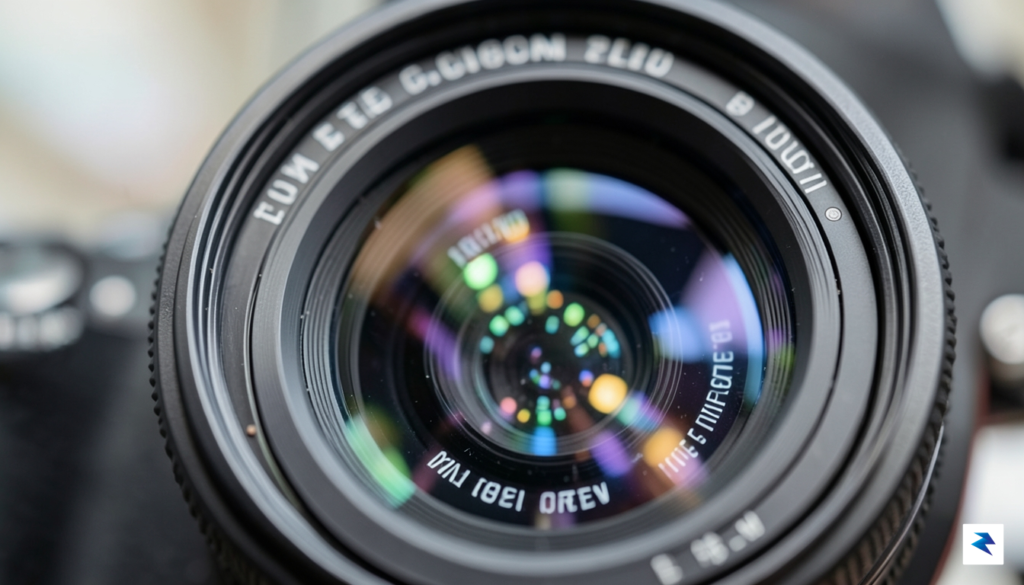
In practice, the device excels as a specialized tool for candid street photography and spontaneous social captures where the goal is connection rather than clinical perfection. Because the transparent viewfinder allows the photographer to maintain eye contact with the subject, it fosters a unique sense of intimacy that traditional, viewfinder-heavy cameras often obstruct. It is an ideal companion for a bright afternoon walk or a backyard gathering, where the charm of the image—and the experience of taking it—matters far more than pixel-peeping for absolute sharpness or chromatic aberration.
The true value of this camera lies not in its technical specifications, but in the way it fundamentally alters the human interaction inherent in the act of photography.
However, users should be prepared for significant limitations that place this device firmly outside the realm of professional production. It is not designed for serious video work, as it lacks the stabilization, frame rate versatility, and connectivity options required for high-end cinematography. Additionally, the absence of an optical zoom means that your composition is entirely dependent on your own physical movement; you cannot simply bridge the distance to a subject without sacrificing resolution through digital cropping. If you are seeking a primary camera for landscape photography or professional portraiture, you will likely find the lack of manual depth-of-field control and low-light sensitivity to be major hurdles. Ultimately, this device is a creative statement piece—a gateway to a more playful and present way of documenting your world, provided you accept that it is a companion tool rather than a replacement for your primary photographic equipment.
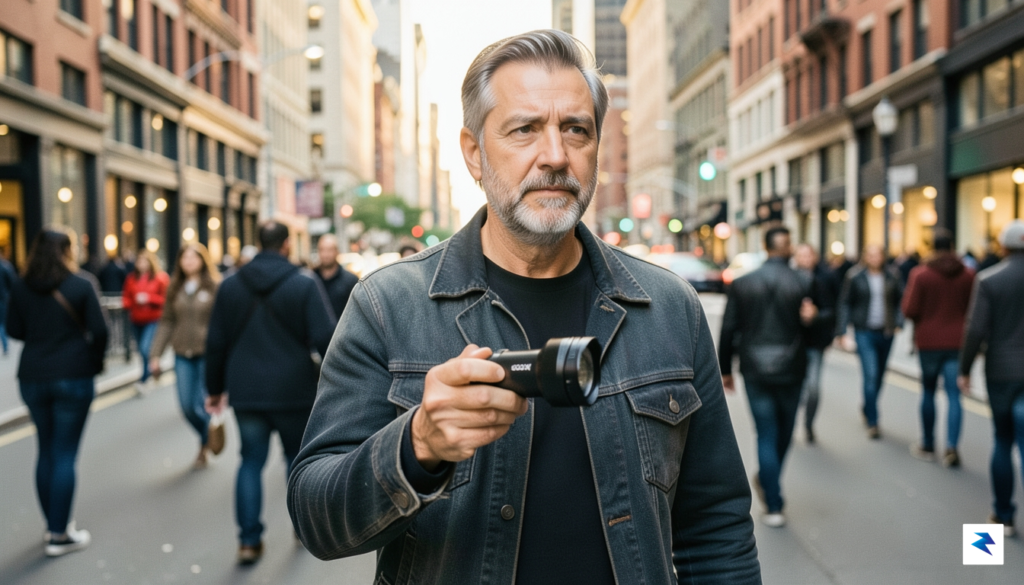
Deciding whether to integrate this unique camera into your daily carry requires looking beyond the spec sheet and considering how you actually interact with your environment. While the C100 certainly won’t replace a professional mirrorless setup for high-stakes commercial work, its value lies in its limitations. By stripping away the constant barrage of digital distractions—those endless notifications, social media pings, and the temptation to edit images instantly on a high-resolution screen—this device forces you to slow down. If you have found that your smartphone has turned photography into a rushed, mindless habit rather than an intentional act of observation, the C100 offers a refreshing, tactile alternative that prioritizes the experience of “seeing” over the efficiency of “capturing.”
The ideal user for this hardware is someone who values the process of creation just as much as the final result. It is perfectly suited for street photographers looking to maintain a low profile, travelers who want to document their surroundings without hiding behind a massive lens, and artists who appreciate the novelty of a transparent viewfinder. Conversely, if you rely on immediate cloud syncing, high-speed autofocus, or professional-grade low-light performance, you will likely find the C100 to be more of a curiosity than a workhorse. It is a tool designed for the deliberate creator—someone who treats every shutter click as a conscious decision rather than a byproduct of “burst mode” culture.
Ultimately, the success of specialized hardware like the C100 rests on its ability to provide a sensory feedback loop that a smartphone simply cannot replicate.
As we move deeper into an era dominated by computational photography and AI-assisted image generation, there is a growing counter-movement toward hardware that feels intentionally analog. We are seeing a renaissance of devices that embrace intentional friction, reminding us that photography is fundamentally about light, composition, and the perspective of the person behind the lens. The C100 stands as a testament to this shift, proving that even in a world where everyone carries a powerful computer in their pocket, there is still a vital, thriving space for gadgets that exist for a single, focused purpose. By choosing a device that does less, you may find that you are finally free to capture much more.
You must be logged in to post a comment.