
Microsoft Warning: Is Your AI Chrome Extension a Security Risk?
The Anatomy of the Fake Perplexity Extension Attack The malicious campaign identified by Microsoft cybersecurity researchers serves as a stark…


At its core, tokenization is the process of transforming rights to a tangible or intangible asset into a digital representation on a programmable blockchain ledger. By converting traditional securities, commodities, and even sovereign currencies into digital tokens, financial institutions are finally moving beyond the constraints of centralized, siloed record-keeping. This shift is not merely a change in formatting; it represents a fundamental transition from manual, error-prone reconciliation processes to a transparent, automated environment where ownership is verified in real-time. By leveraging distributed ledger technology, firms can bypass the intermediaries that have historically acted as gatekeepers, effectively streamlining the movement of capital across borders with unprecedented precision.

Perhaps the most significant departure from legacy finance is the transition from the industry-standard T+2 settlement cycle—where trades take two business days to clear—to a world of instant atomic settlement. In the current paradigm, the delay between executing a trade and officially transferring ownership creates significant counterparty risk and locks up liquidity that could otherwise be deployed elsewhere. Tokenization utilizes smart contracts—self-executing code stored on the blockchain—to ensure that the delivery of an asset and the corresponding payment occur simultaneously and irrevocably. This “atomic” approach effectively eliminates the need for clearinghouses to act as middlemen, potentially saving the global financial system billions in operational costs while drastically reducing the margin requirements currently needed to cover settlement delays.
The integration of smart contracts transforms assets from static ledger entries into active, programmable components of a global, high-velocity financial ecosystem.
For both institutional and retail investors, these efficiency gains translate into a more inclusive and accessible market landscape. Fractionalization, a key benefit of the tokenization movement, allows high-value assets like commercial real estate or fine art to be broken down into smaller, affordable units. This democratization of investment opportunities could theoretically lower the barriers to entry that have long kept smaller participants on the sidelines. Furthermore, the 24/7 nature of blockchain networks ensures that financial markets no longer need to “close” for the weekend or observe holiday schedules, providing a constant flow of liquidity that aligns with the needs of a modern, globalized economy.
Given the sheer scale of this transformation, it is little wonder that the International Monetary Fund (IMF) has elevated the analysis of tokenized assets to a top priority. As traditional finance converges with decentralized technology, the IMF is closely examining how these efficiencies might reshape the macro-financial landscape. While the promise of a faster, more transparent system is compelling, the rapid adoption of these technologies introduces complex variables regarding stability and market integrity. Understanding the mechanics of this shift is essential, as the very features that drive speed and efficiency may also introduce novel vulnerabilities that could ripple through the global economy in ways that traditional regulators are only beginning to quantify.
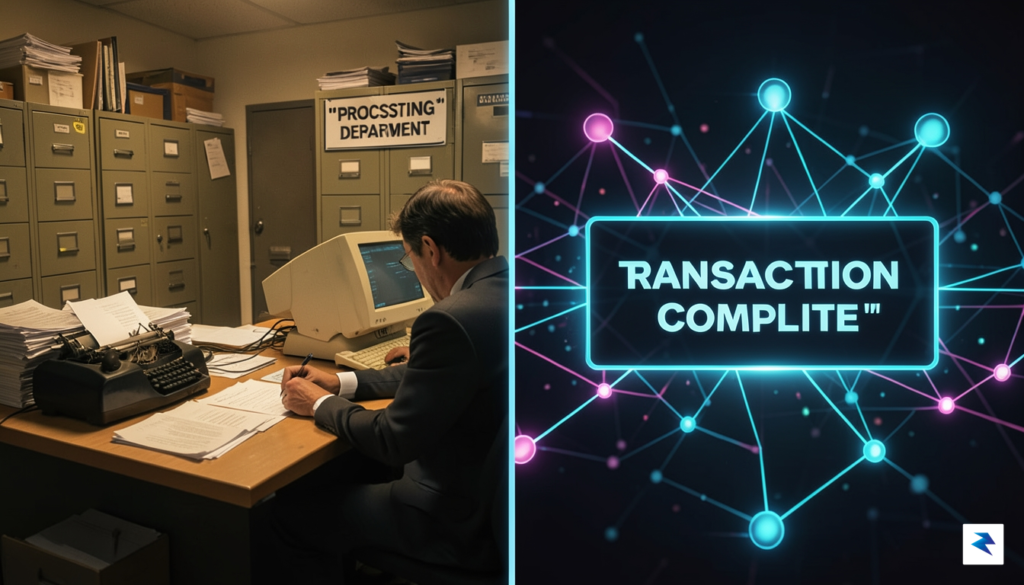
At its core, tokenization represents a fundamental shift in how we conceive of ownership and value transfer. By converting traditional assets—such as bonds, equities, or real estate—into digital tokens on a distributed ledger, the financial industry can bypass the legacy infrastructure that currently acts as a bottleneck. Traditionally, a standard trade must navigate a labyrinth of clearinghouses, custodians, and central securities depositories, each of which adds time, cost, and complexity to the transaction. Tokenization effectively collapses this supply chain, allowing for the peer-to-peer transfer of assets that are programmed to settle instantaneously, thereby removing the reliance on slow, manual reconciliation processes.

One of the most significant technical breakthroughs offered by this transition is the concept of atomic settlement. In current market operations, the time gap between a trade execution and the actual exchange of cash and securities—often referred to as T+2 settlement—creates counterparty risk, requiring firms to hold significant collateral to protect against potential defaults. With tokenization, the asset and the payment move simultaneously in a single, irrevocable transaction. This synchronization eliminates the risk that one party might fail to deliver, which in turn drastically reduces the amount of capital that financial institutions must keep tied up in margin accounts or clearing funds.
Atomic settlement is the “holy grail” of financial infrastructure, turning the lengthy, multi-step process of clearing and settlement into a single, instantaneous event.
Furthermore, tokenization addresses the chronic issue of liquidity fragmentation that plagues modern markets. Assets today are often siloed within disparate private ledgers or geographical jurisdictions, making it difficult for capital to flow efficiently to where it is needed most. By standardizing these assets on a unified distributed ledger, tokenization creates a global, 24/7 marketplace where liquidity can be accessed and deployed at any hour of the day. This constant availability not only improves price discovery but also allows institutional investors to optimize their balance sheets in real-time, effectively “unlocking” value that was previously trapped in static, illiquid holdings.
Beyond liquidity, the operational overhead for major financial entities stands to be reduced substantially through the automation of smart contracts. These self-executing contracts, embedded directly into the tokens, can automatically handle complex tasks such as dividend distribution, coupon payments, and compliance reporting without human intervention. By removing the need for intermediaries to manually verify and process these corporate actions, firms can significantly lower their administrative costs and decrease the likelihood of human error. As these mechanical and economic efficiencies accumulate, the financial system moves toward a leaner, more responsive state, though it simultaneously creates a new environment where technological failures could have immediate, market-wide consequences.
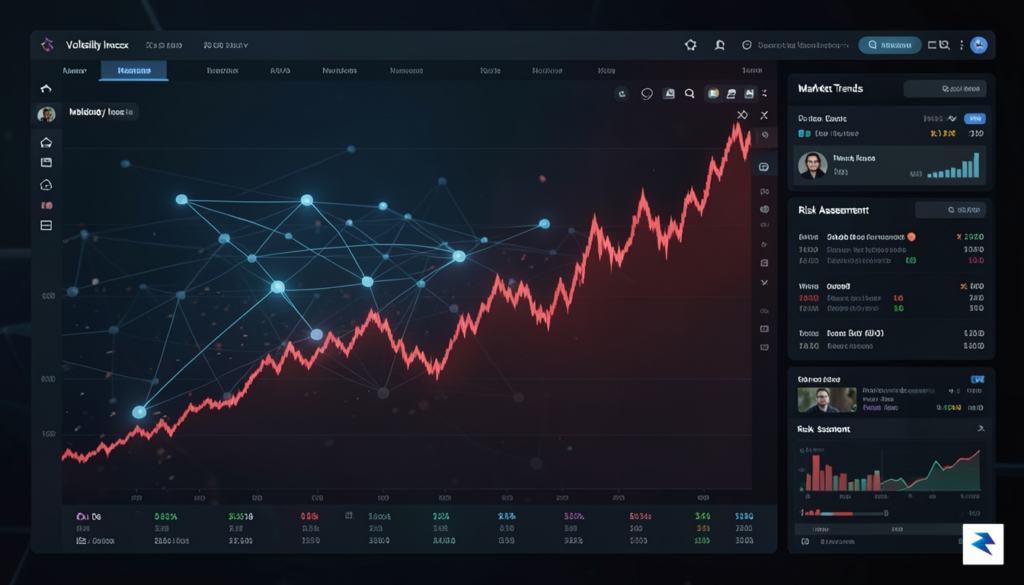
The promise of tokenized finance is built upon the alluring efficiency of near-instantaneous settlement, yet this very velocity creates a precarious trade-off between operational speed and systemic stability. While the ability to move assets across global ledgers in seconds offers undeniable advantages during calm market conditions, it fundamentally alters the risk profile of the entire financial ecosystem during periods of volatility. In traditional markets, the deliberate friction of settlement cycles often acts as a shock absorber, providing regulators and institutional players with a vital “breathing room” to respond to sudden downturns. In a tokenized landscape, that buffer evaporates, leaving the system highly susceptible to rapid, cascading failures that could ripple across borders before human operators even have a chance to intervene.
At the heart of this vulnerability lies the automation inherent in smart contracts, which function as the bedrock of tokenized assets. These self-executing protocols are designed to trigger actions based on predefined logic, such as automatic liquidations when collateral levels fall below a certain threshold. While this automation ensures efficiency, it can inadvertently become a catalyst for instability during a liquidity crunch. A localized price drop in one tokenized asset can trigger a chain reaction of automated sell orders, forcing liquidation events that further depress prices and draw in adjacent assets. Because these networks are deeply interconnected, a minor glitch or a localized shock can propagate through these automated layers with mathematical precision, creating a domino effect that traditional circuit breakers—designed for the slower pace of legacy exchanges—are simply not equipped to manage.

Furthermore, the shift to a 24/7 tokenized market environment introduces the heightened risk of globalized “flash crashes.” Without the closing bells or holiday pauses that characterize traditional stock exchanges, tokenized systems remain perpetually exposed to the risks of algorithmic trading loops and high-frequency volatility. In this environment, the absence of meaningful human intervention is perhaps the most glaring concern. When automated systems interact with other automated systems in a high-speed, decentralized environment, the lack of a “kill switch” or a centralized oversight mechanism means that momentum-driven sell-offs can accelerate unchecked.
The very efficiency that makes tokenization attractive—the elimination of intermediaries and settlement delays—simultaneously removes the circuit breakers that have historically prevented localized shocks from evolving into systemic crises.
Ultimately, the transition toward a tokenized economy requires a fundamental rethinking of how we manage risk. We are moving toward a paradigm where code, rather than policy, dictates the pace of market reactions. If we are to harness the benefits of faster settlements, we must develop new, sophisticated risk-management protocols that can operate at the same speed as the assets they govern. Without such safeguards, the financial world risks trading the slow, manageable friction of the past for a hyper-speed future where one minor error can trigger a global contagion in a matter of milliseconds.

To harness the immense efficiency gains of tokenization without inviting systemic collapse, financial institutions must move beyond traditional risk management and embrace a proactive, “code-as-policy” approach. The primary challenge lies in the sheer speed of decentralized transactions, which can propagate market shocks at a velocity that current human-led oversight mechanisms cannot match. Therefore, the implementation of programmable circuit breakers—smart contracts designed to automatically pause trading or limit liquidity outflows during periods of extreme volatility—is essential. By embedding these guardrails directly into the architectural layer of tokenized assets, institutions can prevent flash crashes and stop the contagion effects that often plague high-frequency digital environments.

Beyond internal protocols, the industry requires a standardized framework for cross-chain interoperability to ensure that digital assets can move safely between ecosystems without losing their regulatory metadata. Fragmentation remains a significant threat; if assets are trapped in “siloed” blockchains, the inability to move collateral during a liquidity crunch could lead to localized failures that spread rapidly to the broader economy.
True systemic stability in a tokenized future will not come from slowing down innovation, but from building “smart” infrastructure that anticipates volatility before it happens.
Furthermore, the integration of Central Bank Digital Currencies (CBDCs) could serve as a vital “stable bridge” in this new paradigm. By providing a risk-free, programmable settlement asset that exists natively on-chain, CBDCs offer a reliable anchor for tokenized financial markets, effectively reducing the reliance on volatile private stablecoins during market stress.
To ensure these systems remain resilient, institutions must move toward rigorous, automated stress-testing that simulates extreme market conditions on a blockchain level. This involves:
Ultimately, the goal is to create a financial architecture where safety is not an afterthought, but a core feature of the protocol itself. By combining robust algorithmic safeguards, interoperable standards, and the stabilizing influence of CBDCs, the financial sector can transition toward a tokenized future that is both incredibly efficient and fundamentally resilient against the shocks of tomorrow.

The transition toward a tokenized financial ecosystem represents a monumental shift that transcends mere technological innovation; it is, at its core, a profound regulatory challenge. As traditional assets move onto distributed ledgers, the jurisdictional boundaries that have governed global finance for decades are beginning to blur. Cross-border tokenized transactions introduce significant friction, as disparate national frameworks struggle to reconcile instantaneous settlement times with the slow-moving, often manual processes of anti-money laundering (AML) and “Know Your Customer” (KYC) compliance. Without a unified legal architecture, these digital assets risk becoming stranded in fragmented silos, undermining the very efficiency that tokenization promises to deliver.
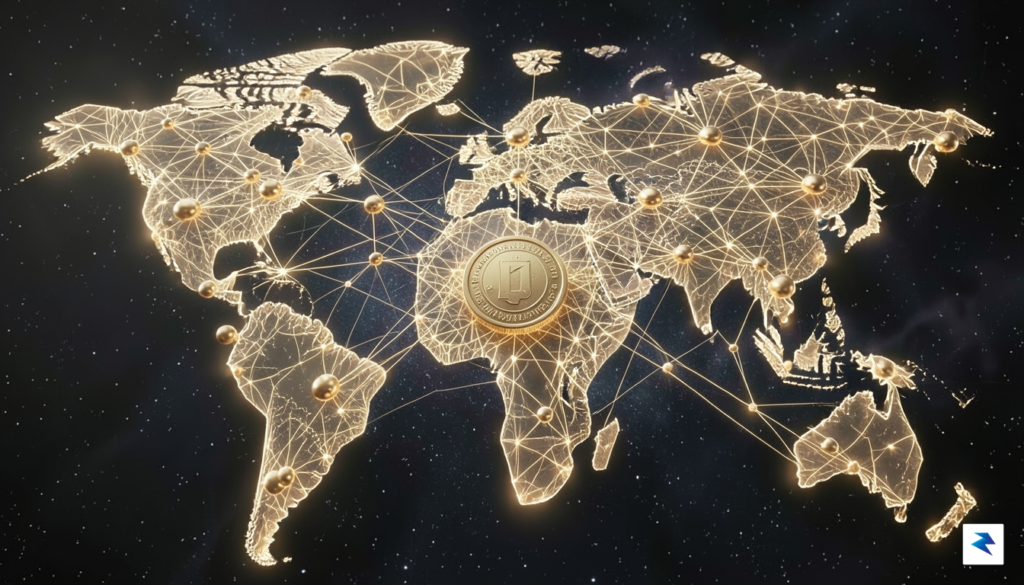
To address these hurdles, global policy bodies, including the IMF and the Financial Stability Board, are increasingly pushing for harmonized, cross-border standards. The goal is to move away from the current patchwork of regional regulations toward a “tokenized-first” framework where compliance is not an afterthought, but a foundational feature of the asset itself. By embedding regulatory requirements directly into smart contracts—a concept often referred to as “embedded supervision”—regulators hope to monitor financial systemic risks in real-time. This shift implies that in the near future, the burden of compliance will move from retrospective reporting to proactive, automated verification, ensuring that transactions only execute when all legal and security conditions are met.
The future of global finance lies in the integration of programmable compliance, where the code itself serves as the primary enforcement mechanism for financial stability.
Market participants must prepare for this evolution by viewing regulatory engagement not as a hurdle, but as a strategic asset. Firms that prioritize interoperable, compliant-by-design infrastructure will likely emerge as the leaders in this new era. As we look ahead, the global policy landscape will likely trend toward mandatory transparency and standardized coding protocols that allow for seamless interaction between different national digital ledgers. For institutions, this means investing heavily in technical talent capable of navigating the intersection of law and computer science. By adopting a proactive stance toward these inevitable shifts, stakeholders can ensure they remain competitive while contributing to a more resilient, transparent, and efficient global economy. In the coming years, those who embrace these regulatory advancements will find themselves at the center of a more fluid, high-velocity financial architecture.
You must be logged in to post a comment.