The Tokenization Revolution: IMF Warns of New Financial Risks
The Promise of Tokenized Finance At its core, tokenization is the process of transforming rights to a tangible or intangible asset into a…
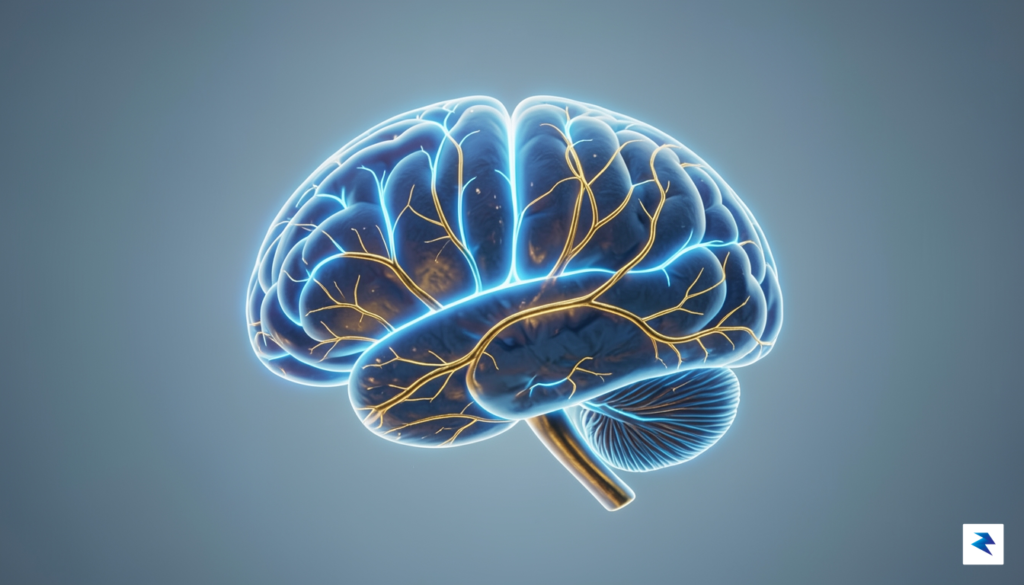
For decades, the human brain has been viewed through a fragmented lens, often treated as a collection of isolated modules where sensory input and cognitive thought operate in separate silos. Scientists have long wrestled with a fundamental enigma: how do we transition so fluidly between the vivid, immediate experience of the world around us and the quiet, abstract landscapes of our own imagination? Traditionally, the brain was thought to handle these tasks by shifting focus entirely from one to the other, as if we were flipping an internal switch that shuts down the outside world to permit introspection. However, recent breakthroughs in neuroscience suggest that this binary model is far too simplistic to capture the elegant complexity of our mental lives.
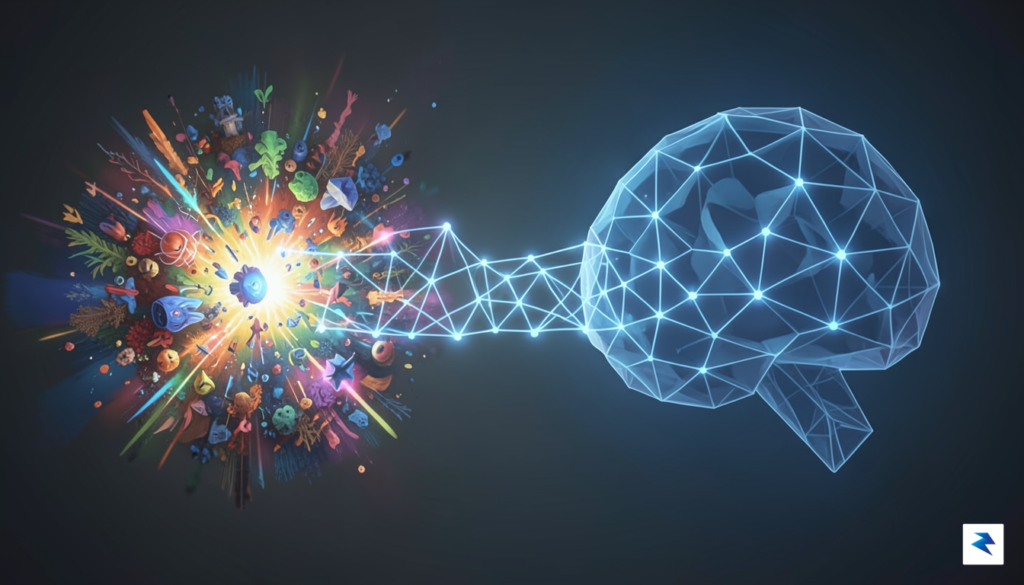
At the center of this intricate biological puzzle sits the thalamus, a structure long recognized as the brain’s primary relay station. While we once understood the thalamus simply as a gatekeeper that funnels sensory information from our eyes and ears to the cortex, we are now uncovering a much more sophisticated role for this region. It does not merely pass data along; it acts as a dynamic traffic controller, actively mediating the competition between incoming sensory streams and the internal chatter of our cognitive processes. By regulating these signals, the thalamus determines whether we remain fully present in our environment or drift into the depths of memory, planning, or creative reflection.
The discovery of a specialized thalamic circuit reveals that the brain does not simply turn off the senses to think; it dynamically balances them to maintain a coherent consciousness.
Recent research from Columbia Engineering has finally mapped the specific neural circuitry that facilitates this delicate balancing act. By identifying the exact pathways that govern the interplay between perception and cognition, researchers have illuminated how the brain prevents our internal thoughts from becoming lost in the noise of external stimuli. This circuit functions as an architect of our experience, ensuring that we can maintain a steady stream of abstract thought even while our senses are bombarded with information. Understanding this interplay is more than just a feat of mapping; it provides a profound new perspective on how we perceive reality, suggesting that the “dual” nature of our minds—thinking versus seeing—is actually a deeply integrated, continuous performance conducted by these precise neural connections.
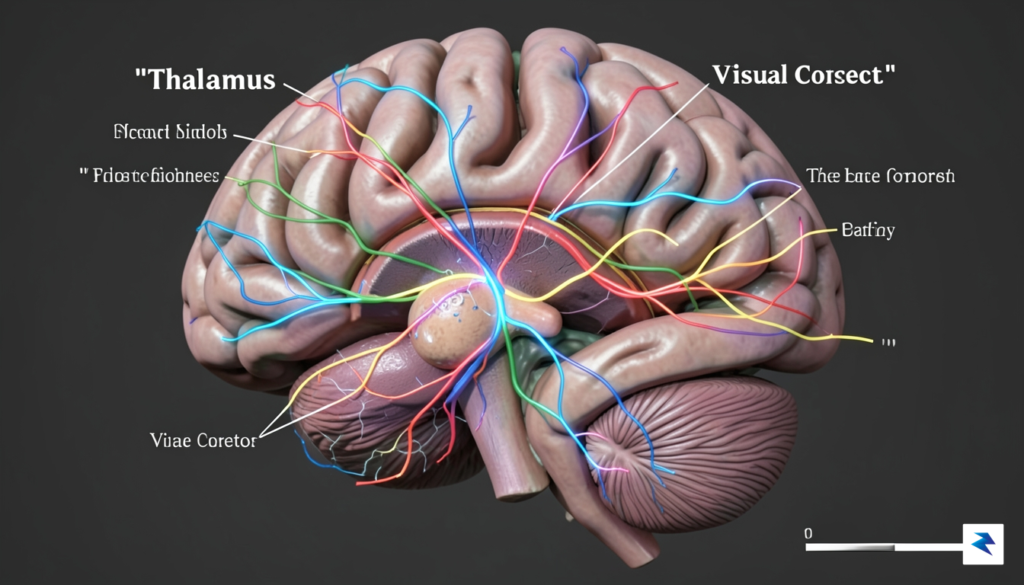
At the center of our conscious experience sits the thalamus, a walnut-sized structure buried deep within the brain. While early neuroscientists once dismissed it as a mere relay station—a passive switchboard directing sensory data to the cerebral cortex—we now understand it as a sophisticated traffic controller. The thalamocortical loop functions as a bidirectional highway, where signals constantly flow between the thalamus and the outer layers of the brain. This rhythmic exchange of electrical impulses is what allows us to integrate raw sensory input, such as the sight of a sunrise or the sound of a voice, into a coherent, navigable reality.
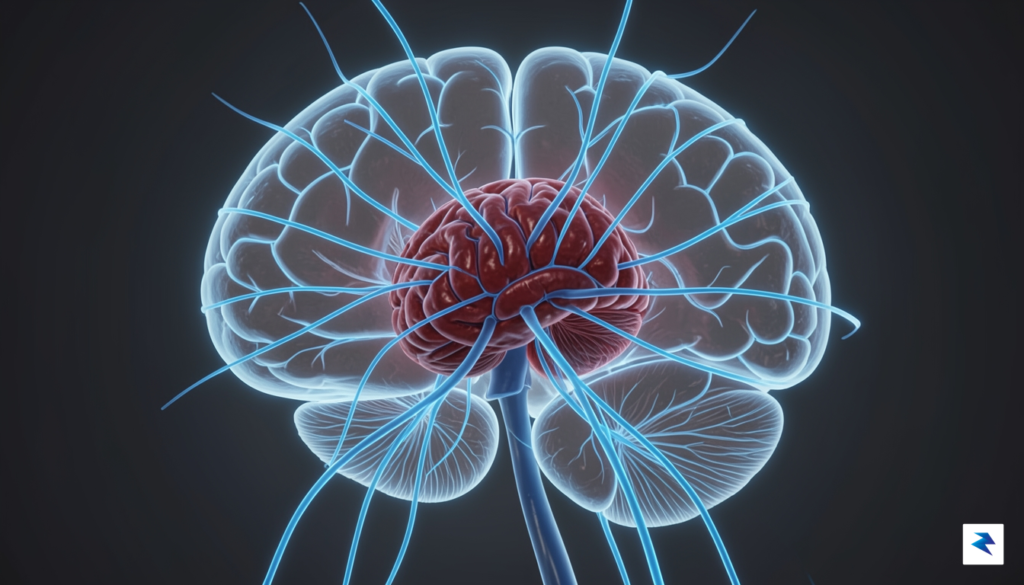
The efficiency of this circuit relies on a delicate balance between excitatory and inhibitory neurons. Imagine the thalamus as a busy metropolitan intersection during rush hour. Excitatory neurons act like the green lights, allowing critical sensory information to surge toward the cortex for processing. Conversely, inhibitory neurons function as the red lights and traffic barriers, effectively filtering out the “background noise” of the world. Without this inhibitory control, our brains would be overwhelmed by a chaotic flood of raw data, making it impossible to focus on a single task. By selectively dampening unimportant stimuli, the brain ensures that only the most relevant information reaches our conscious awareness.
The thalamocortical loop acts as the brain’s primary gatekeeper, constantly negotiating the boundary between the external environment and our internal landscape of thought.
This mechanism is not merely reactive; it is profoundly proactive. The loop allows the brain to switch its focus seamlessly between external sensory input and internal cognitive processing. When you are deeply absorbed in a complex problem, the brain prioritizes signals from the prefrontal cortex—the seat of higher-level reasoning—back to the thalamus, essentially “turning down the volume” on external sights and sounds. This ability to prioritize internal thought over environmental distraction is what defines our capacity for deep concentration and abstract reasoning. By modulating the flow of traffic, the thalamocortical loop maintains a stable stream of consciousness, enabling us to perceive the world clearly while simultaneously hosting the complex inner dialogue that defines the human experience.
Ultimately, the architecture of this circuit reveals that perception is not a passive reception of data, but an active, curated construction. Every millisecond, the thalamus and the cortex engage in a rapid-fire conversation, refining sensory input through the lens of expectation and memory. Through this constant, rhythmic interplay, the brain filters out the mundane and highlights the meaningful, crafting a personalized narrative of the world that allows us to interact with our surroundings with purpose and precision.
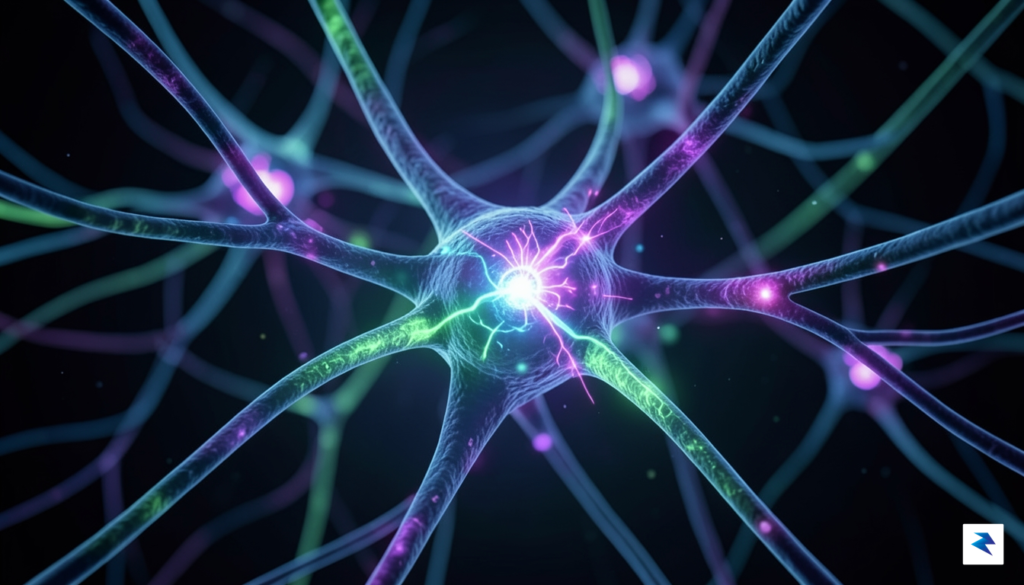
The seamless experience of perceiving the world is not a passive reception of sensory data, but rather a high-speed negotiation between incoming visual signals and the brain’s internal expectations. At the heart of this process lies the thalamocortical loop, a specialized circuit that acts as a rhythmic conductor for neural communication. By utilizing precise oscillations—rhythmic electrical pulses that sweep across brain regions—this loop ensures that the visual cortex, which processes what we see, remains perfectly synchronized with the prefrontal cortex, the seat of higher-level cognition. This temporal alignment is essential; if the timing were off by even a few milliseconds, our perception of reality would become disjointed, failing to match our stored knowledge about the environment.
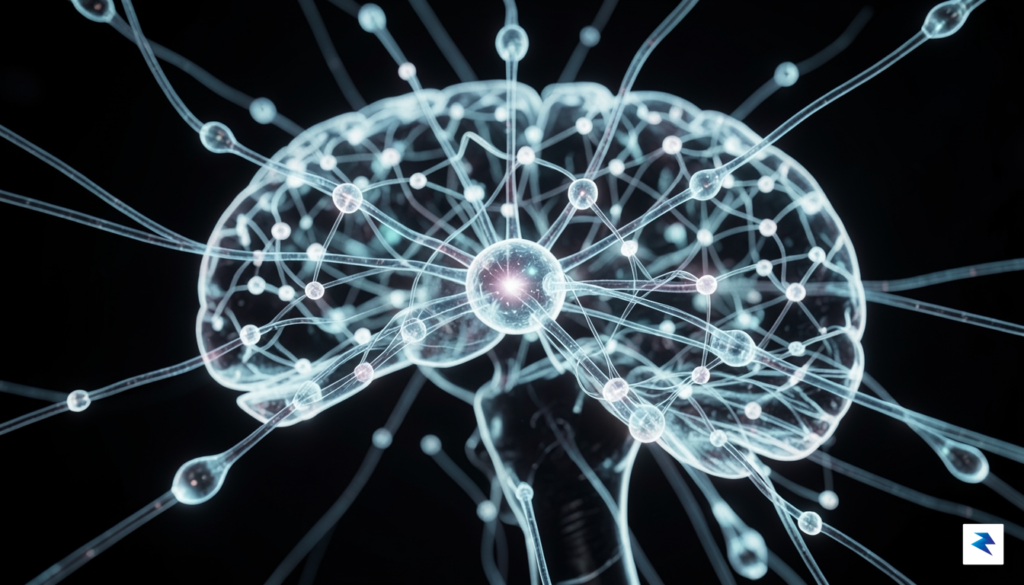
To understand how we maintain this focus, researchers at Columbia University employed advanced optogenetic techniques to isolate these specific pathways in animal models. By using light to selectively activate or inhibit individual neurons within the thalamocortical circuit, they were able to observe how the brain toggles between sensory intake and internal thought. Their findings suggest that the thalamus acts as a dynamic gatekeeper, rapidly switching its output to either prioritize raw visual data from the retinas or to facilitate the “top-down” flow of information from stored memories. This toggling mechanism is fundamental to human cognition, as it allows us to filter out irrelevant sensory distractions while we solve complex problems or contemplate abstract ideas.
The synchronization of these neural circuits is not merely a background process; it is the fundamental mechanism that allows the brain to update its internal model of the world in real-time, preventing the chaos of sensory overload.
The implications of this research extend far beyond basic sensory processing, touching upon the very nature of human intelligence and self-awareness. When these loops function optimally, we experience a coherent flow of consciousness where our expectations are continuously updated by visual reality. However, evidence suggests that disruptions in the timing of these thalamocortical oscillations may be a hallmark of various neurological and psychiatric conditions. If the circuit fails to synchronize effectively, the bridge between thought and sight collapses, leading to deficits in attention, working memory, and environmental awareness. By mapping these pathways, scientists are gaining a clearer picture of how our biology bridges the gap between the static knowledge in our minds and the ever-changing landscape of the world we inhabit.
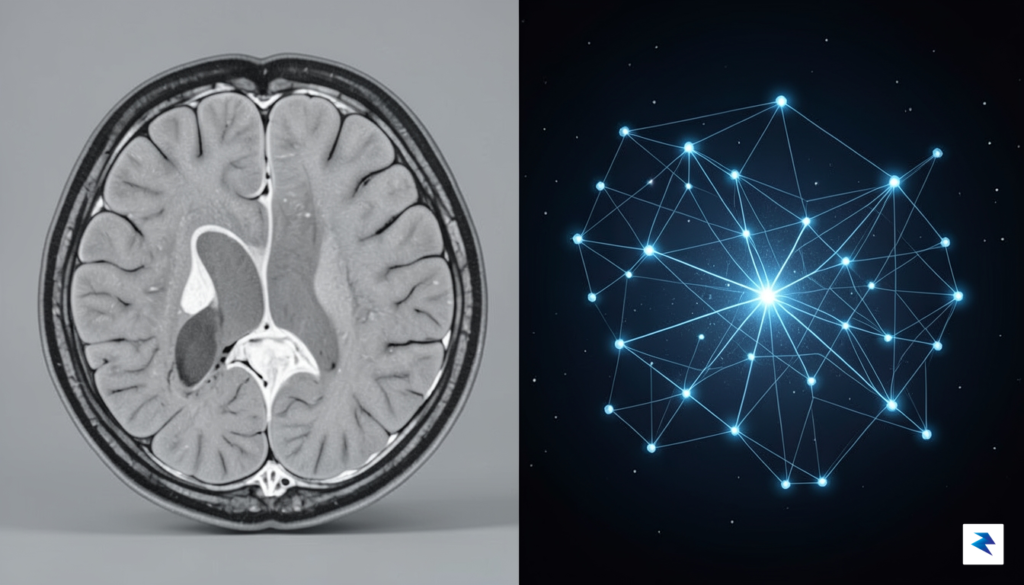
The discovery of the brain’s regulatory circuit for sensory input and internal thought holds profound implications that extend far beyond the laboratory. By mapping how our neural architecture balances raw external data with abstract cognitive processes, we move closer to understanding the root causes of various neurological and psychiatric conditions. Many disorders, such as schizophrenia, ADHD, and sensory processing sensitivities, are increasingly viewed not just as chemical imbalances, but as failures in the brain’s ability to gate information effectively. When this circuit malfunctions, the boundary between what is “real” and what is “imagined” can become dangerously porous, leading to hallucinations or the inability to filter out distracting stimuli that inhibit focus.
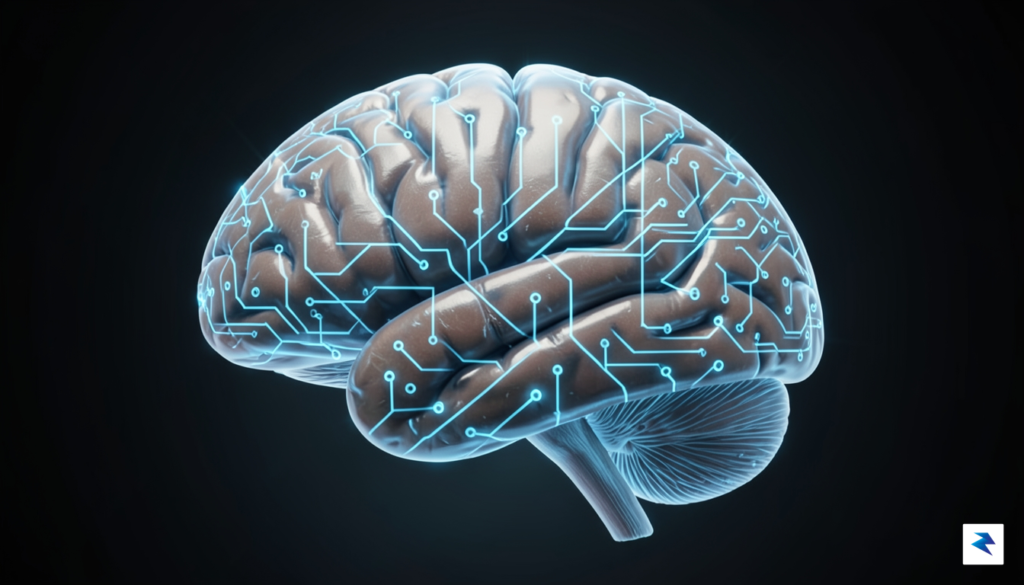
By identifying the specific biological “switches” that govern this balance, researchers are opening doors to more precise neuro-modulation therapies. Rather than using broad-spectrum medications that affect the entire brain, future treatments could potentially use targeted stimulation to reinforce these specific regulatory circuits. For patients struggling with severe cognitive fragmentation, this could mean the development of non-invasive brain-computer interfaces or localized electrical stimulation that restores the brain’s natural ability to prioritize incoming information. Such interventions would represent a shift toward a more mechanical, high-fidelity approach to psychiatry, treating the brain as a complex system of interconnected pathways that can be recalibrated.
The ability to regulate the flow of information between perception and reasoning is the fundamental mechanism that allows humans to maintain a coherent sense of reality.
Beyond the realm of medicine, this biological blueprint offers a transformative roadmap for the future of artificial intelligence. Current AI architectures, while powerful, often struggle with what engineers call “context switching”—the ability to fluidly shift between processing sensory data and engaging in deep, logical reasoning. Most artificial agents are either optimized for high-speed pattern recognition or structured for heavy computation, but they rarely transition between these states with the agility of a human mind. By mimicking the structure of our internal regulatory circuit, AI designers could build systems that are significantly more “aware,” allowing them to pause, evaluate incoming data against internal goals, and decide whether a stimulus warrants attention or should be relegated to background noise.
Integrating this biological logic into machine learning could result in a new generation of artificial agents that are not only more efficient but also more resilient to environmental noise. Rather than being constantly overwhelmed by the sheer volume of data, future AI could possess a “governor” that mirrors the human capacity for selective attention. This would not only reduce the energy costs associated with processing unnecessary information but also improve the reliability of AI decision-making in unpredictable, real-world environments. Ultimately, by decoding the circuit that lets us think and see, we are not just solving a biological mystery; we are uncovering the fundamental design principles of intelligence itself.

The recent breakthroughs in identifying the neural pathways that bridge our sensory perception with higher-order cognitive processing mark a significant departure from the traditional view of the brain as a collection of isolated modules. By delineating the specific circuits that allow the brain to simultaneously interpret visual input and engage in abstract thought, researchers at Columbia Engineering have provided a foundational blueprint for understanding how we construct our reality. This dual-processing capability—whereby the brain interprets the external environment while internally simulating consequences—is the bedrock of human intelligence. As we continue to refine our ability to observe these microscopic connections, we are essentially building a digital dictionary for the language of the mind, moving steadily from mere observation toward a functional, predictive model of cognition.
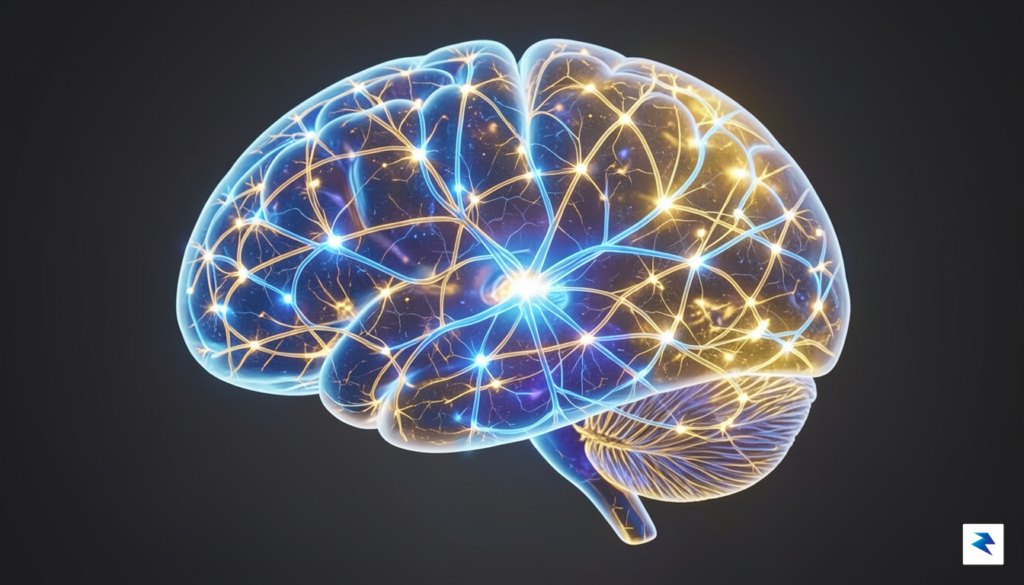
Looking ahead, the next frontier in brain mapping lies in the integration of high-resolution imaging with large-scale computational modeling. While current research has successfully mapped specific circuits, the challenge of the future will be to observe these processes in real-time across the entire organ. Scientists are now turning their attention to how these circuits adapt and reorganize during complex learning tasks, a field of study that could revolutionize our approach to treating neurodegenerative diseases or even enhancing cognitive function. By bridging the gap between biological hardware and digital representation, we are laying the groundwork for neuro-technologies that could one day interact with these circuits to restore lost sensory inputs or bridge damaged cognitive pathways.
The true complexity of the human brain does not reside in the neurons themselves, but in the intricate, dynamic symphony of connections that allow us to perceive, reflect, and conceptualize our existence within the universe.
Ultimately, solving the mystery of consciousness will require a sustained, interdisciplinary effort that brings together the precision of engineering, the insights of biology, and the analytical power of computer science. This collaborative spirit is essential, as the brain represents the most complex system we have ever encountered, functioning as both the observer and the object of inquiry. As our mapping techniques become more granular, we are not merely decoding biological signals; we are embarking on a journey of self-discovery that promises to redefine what it means to be human. By unraveling the biological circuitry behind our thoughts and visions, we bring ourselves one step closer to understanding the very essence of the mind, ensuring that the future of neuroscience remains one of the most profound and hopeful frontiers of human exploration.
You must be logged in to post a comment.