
How 17th Century Amsterdam Invented the Modern Fire Department
The Peril of Wooden Cities In the heart of the Dutch Golden Age, Amsterdam was a marvel of global commerce and architectural ambition, yet…
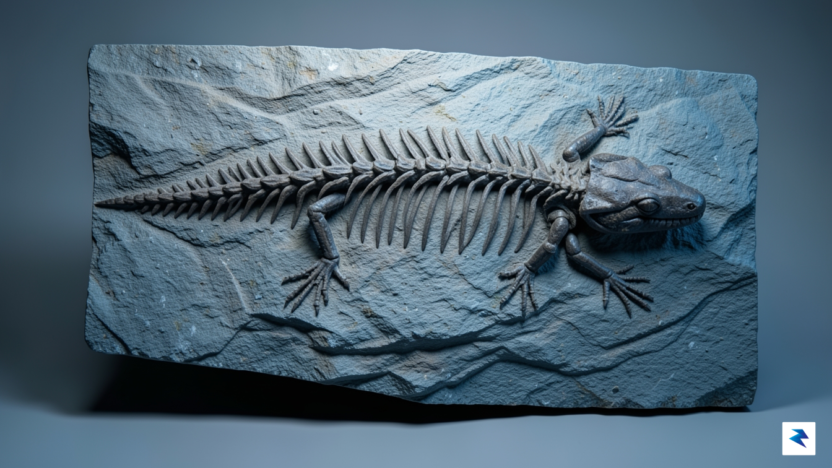
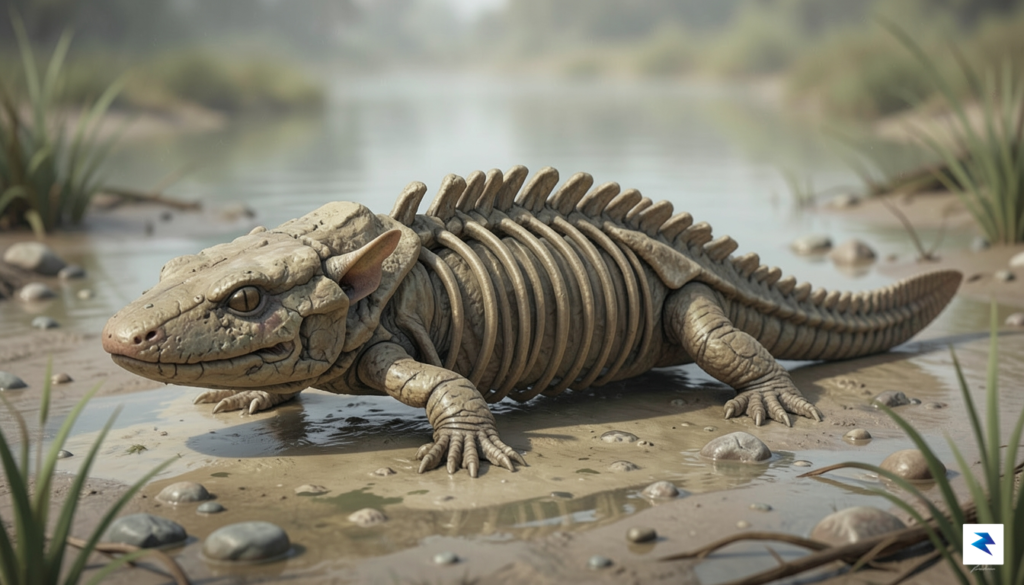
The discovery of Ambystoma quetzalcoatli represents a monumental shift in our understanding of Mesoamerican biodiversity, effectively rewriting the evolutionary narrative of one of nature’s most enigmatic creatures. For decades, researchers have been stymied by a frustrating “fossil gap” regarding the axolotl lineage in Mexico; despite the modern axolotl’s fame, evidence of its ancient ancestors remained elusive in the geological record. This breakthrough, led by a dedicated team of paleontologists, involved meticulous excavations in central Mexican strata that had previously yielded little more than fragmented, unidentifiable bone shards. By applying high-resolution imaging and comparative osteological analysis, the team successfully identified distinct skeletal signatures that confirm this species as a long-lost relative of our contemporary, iconic salamander.
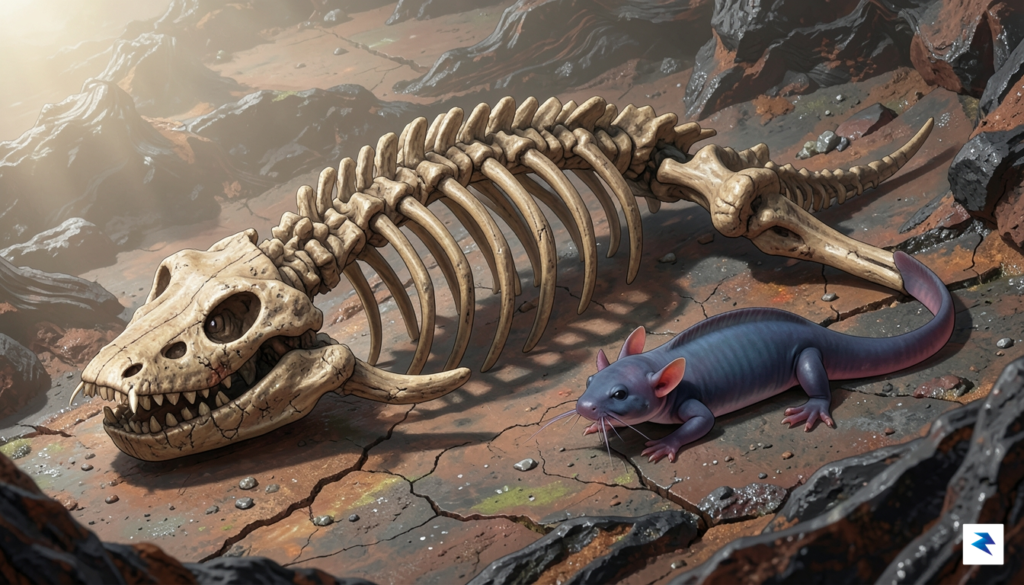
Named after Quetzalcoatl, the revered feathered serpent deity of Aztec mythology, this new species serves as a bridge between deep geological time and the present day. The naming choice is particularly fitting, as the physical characteristics recovered—most notably the distinct structure of the cranial elements and the morphology of the limb girdles—suggest a creature that was remarkably well-adapted to its aquatic environment millions of years ago. These skeletal remnants indicate that Ambystoma quetzalcoatli possessed a robust skeletal framework, suggesting that the lineage had already perfected its unique amphibious lifestyle long before the dramatic climatic shifts of the Pleistocene. The level of preservation allowed scientists to map the evolutionary trajectory of the genus with unprecedented clarity, providing the first concrete evidence that these salamanders were an established presence in the region’s ancient lake systems.
The significance of this find cannot be overstated, as it provides the missing link that clarifies how these organisms persisted through environmental volatility. Previously, evolutionary biologists had to rely heavily on molecular clock data to infer when the axolotl lineage branched off from other salamander groups, often leaving significant margins of error. With Ambystoma quetzalcoatli now anchoring the timeline, researchers have concrete physical proof of the species’ historical range and morphological stability. This discovery does more than just fill a gap in a catalog; it challenges the assumption that axolotls are merely recent arrivals to the Mexican basin, proving instead that they are the resilient survivors of an ancient, deep-rooted lineage that has navigated the changing landscapes of North America for over a million years.
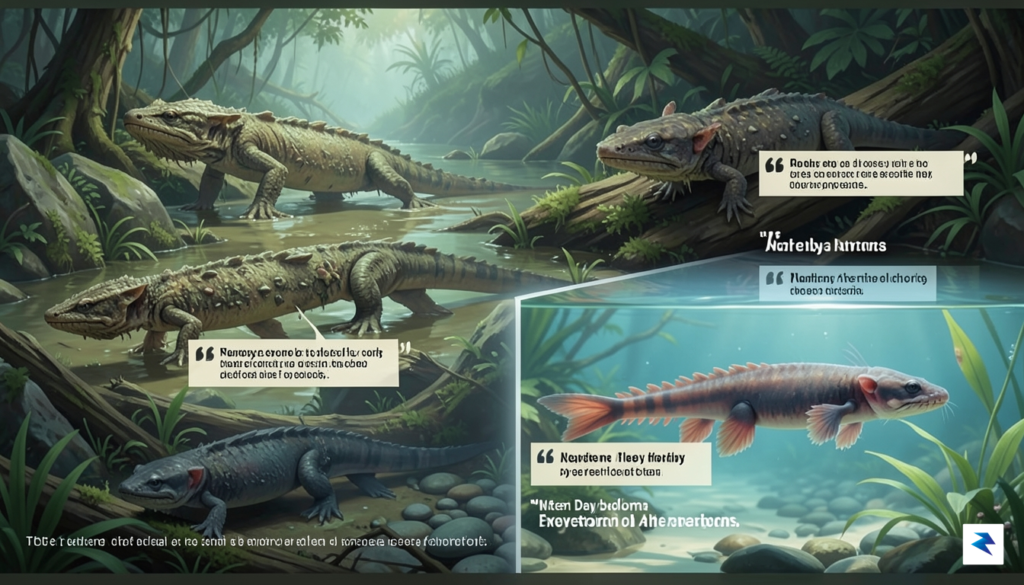
The axolotl, a captivating creature endemic to Mexico, has long fascinated scientists and enthusiasts alike, primarily due to its remarkable trait of neoteny. Unlike most salamanders, axolotls typically retain their larval features, such as external gills and an aquatic lifestyle, throughout their entire lives, never undergoing metamorphosis into a terrestrial adult form. This perpetual juvenile state, while common in some other amphibian species, is particularly pronounced and successful in the axolotl. For many years, however, the evolutionary history of these unique amphibians, particularly their deep past, remained largely shrouded in mystery, primarily due to an exasperating lack of fossil evidence that could trace their lineage back through geological time. This absence created a significant void in our understanding of how and when these iconic Mexican salamanders first emerged and began their specialized evolutionary journey.
This long-standing enigma has now been dramatically illuminated by the recent identification of a new fossil species, Ambystoma quetzalcoatli, unearthed from ancient Mexican sediments. This extraordinary discovery represents a pivotal moment in amphibian paleontology, as it bridges a critical gap in the axolotl family tree that had perplexed researchers for decades. Prior to this find, the fossil record for neotenic salamanders, especially those of the Ambystoma genus to which axolotls belong, was sparse to non-existent, leaving scientists to infer their ancient origins through molecular data alone. The presence of A. quetzalcoatli unequivocally demonstrates that salamanders exhibiting traits ancestral to modern axolotls were thriving in Mexican waters millions of years ago, pushing back their known evolutionary timeline significantly.
Examining the fossilized remains of Ambystoma quetzalcoatli, paleontologists have identified key anatomical features that bear striking resemblances to modern axolotls, particularly in skull morphology and vertebral structure, while also presenting unique characteristics that differentiate it as a distinct ancient species. This comparison offers invaluable insights into the morphological evolution of the genus, showing a clear lineage from ancient forms to the contemporary species we recognize today. The discovery strongly suggests that the specialized neotenic strategy, which allows axolotls to thrive in stable aquatic environments, was not a recent evolutionary innovation but rather a deeply ingrained adaptive trait that has persisted across vast geological epochs. This ancient lineage implies a robust evolutionary success story, where certain advantageous traits were selected for and maintained over millions of years, allowing these salamanders to endure significant environmental shifts.
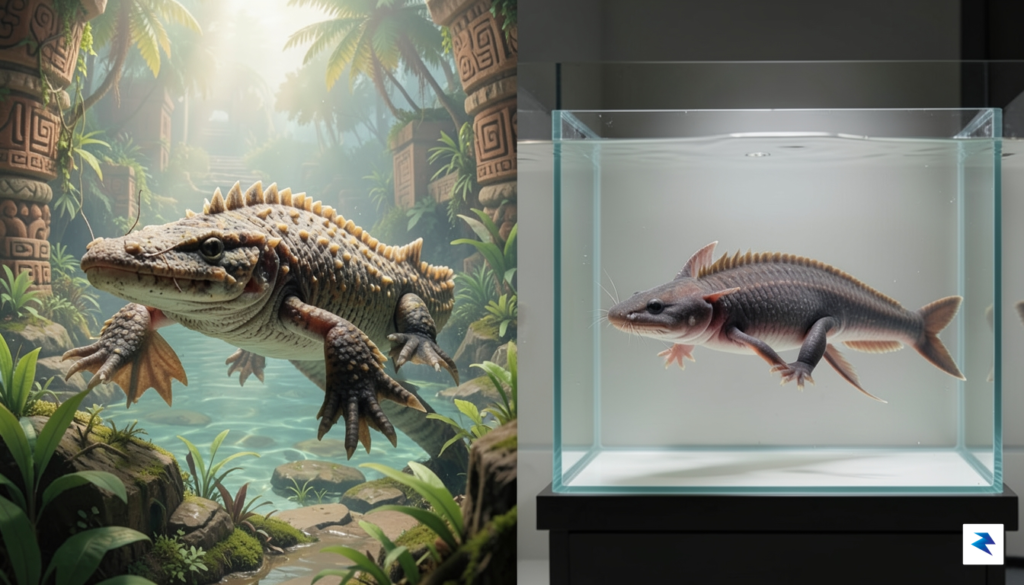
The persistence of axolotl-like characteristics in Ambystoma quetzalcoatli across millions of years underscores the remarkable adaptive success of their neotenic lifestyle. By remaining aquatic and retaining larval features, these salamanders effectively bypass the energetically costly and often perilous process of metamorphosis, which typically exposes amphibians to the challenges of terrestrial life. This strategy likely allowed them to efficiently exploit consistent aquatic food sources and avoid predators more prevalent on land, particularly in the relatively stable lake systems of ancient Mexico. This long-term evolutionary stability in their fundamental life history strategy highlights how specific adaptive traits, once established, can confer immense advantages, enabling species to navigate environmental changes and persist through multiple geological eras, ultimately shaping the diverse biodiversity we observe today. The fossil record, now enriched by A. quetzalcoatli, paints a clearer picture of these resilient creatures’ enduring legacy.
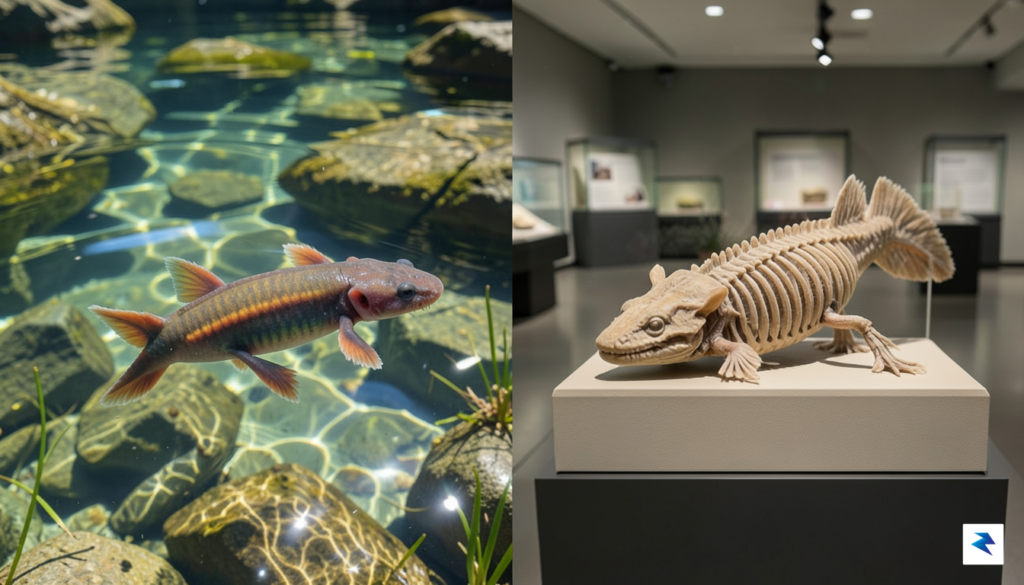
The plight of the wild axolotl today presents a stark contrast to its ancient lineage. Once thriving throughout the intricate lake system of Xochimilco, these unique amphibians are now teetering on the brink of extinction. Their habitat, a UNESCO World Heritage site, has been drastically reduced and polluted by urban expansion, agricultural runoff, and the introduction of invasive fish species like carp and tilapia, which compete for food and prey on young axolotls. Conservationists face an uphill battle, working tirelessly to restore their natural environment and protect the last remaining wild populations, whose numbers are tragically few and far between.
It might seem counterintuitive, but understanding the deep history of these creatures, illuminated by recent fossil discoveries, is far from a mere academic exercise; it’s a vital tool for modern conservationists. Paleontology provides an invaluable window into how axolotls adapted to environmental shifts over millions of years. By studying their ancient physiology, habitat preferences, and resilience to past climate changes, scientists can glean crucial insights into the genetic traits and ecological strategies that allowed them to survive previous challenges. This historical data can inform contemporary conservation efforts, helping us understand which habitats are most critical for their survival and how they might respond to future threats.
Often referred to as a ‘living fossil,’ the axolotl embodies a remarkable evolutionary story. While many species evolve and change dramatically over geological timescales, axolotls have maintained a largely consistent form for millions of years, adapting uniquely to their specific aquatic niche. This status highlights their specialized biology, particularly their neoteny – the retention of larval features into adulthood – which makes them highly dependent on stable aquatic environments. The fossil record reinforces the idea that their survival has long been tied to the health of the ancient Mexican lake systems, making their current vulnerability in the degraded waters of Xochimilco all the more urgent and poignant.
Protecting the remaining wild axolotls isn’t just about saving a charismatic species; it’s about safeguarding millions of years of genetic heritage. The discovery of ancient axolotl species reminds us that the genetic diversity within these populations is a rich tapestry woven over vast stretches of time, potentially holding keys to resilience we haven’t yet understood. Each surviving individual carries a genetic blueprint refined through countless generations, a blueprint that might contain adaptations crucial for navigating new environmental challenges. Therefore, conservation efforts that protect and enhance this genetic diversity are paramount, ensuring that the axolotl’s incredible evolutionary journey doesn’t end on our watch.
The deep history revealed by fossils provides a powerful argument for the immediate and sustained protection of axolotls, transforming academic discovery into actionable conservation strategy.
Ultimately, linking the ancient past with the present crisis provides a more comprehensive and compelling narrative for axolotl conservation. It underscores that these are not merely ‘cute’ amphibians, but biological treasures representing a unique and enduring lineage. By understanding their evolutionary journey, their ancient adaptations, and the historical conditions under which they thrived, we are better equipped to craft effective strategies to protect the precious few wild axolotls that remain, ensuring their survival for millions more years to come.
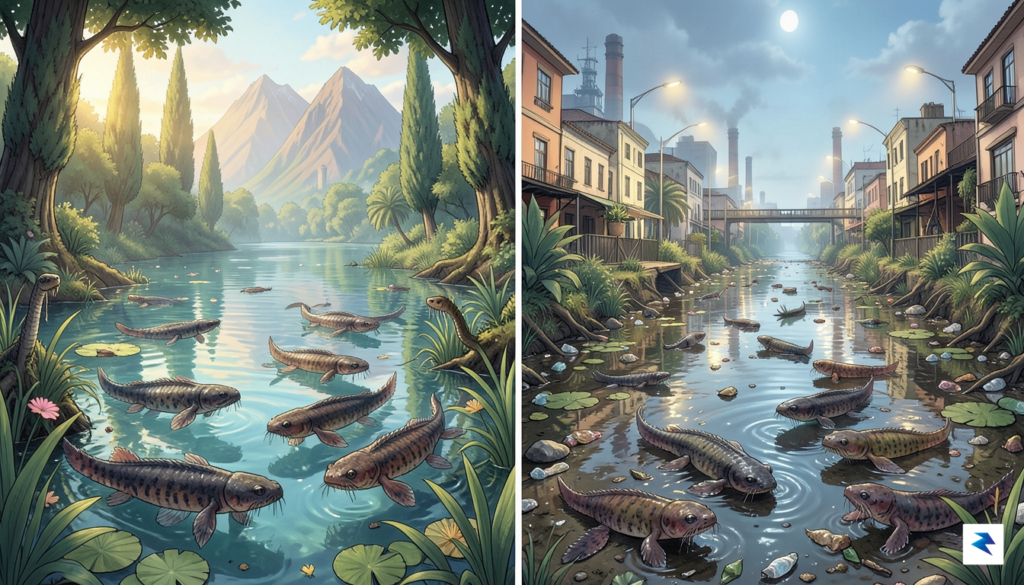
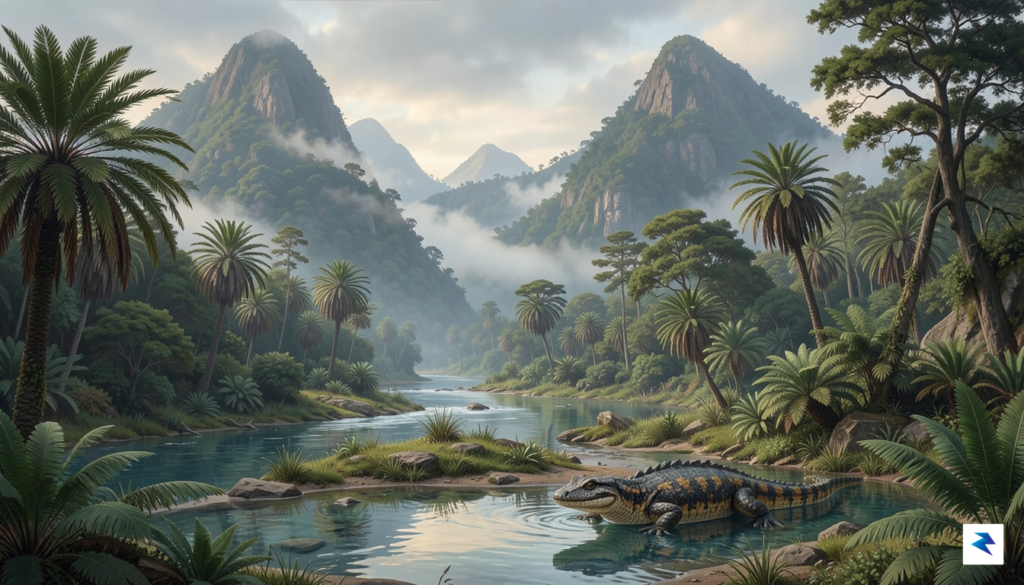
Long before the sprawling urban landscape of modern-day Mexico City took shape, the Valley of Mexico was defined by a vast, interconnected network of high-altitude lakes known as the Anáhuac basin. The discovery of Ambystoma quetzalcoatli provides a crucial anchor point for understanding this prehistoric environment, which functioned as a temperate wetland paradise. During this period, the climate was significantly more humid, fed by seasonal rains and glacial meltwater from the surrounding volcanic peaks. This hydrological stability created a mosaic of shallow marshes, deep-water basins, and slow-moving streams, offering the perfect cradle for specialized amphibians to thrive in isolation.
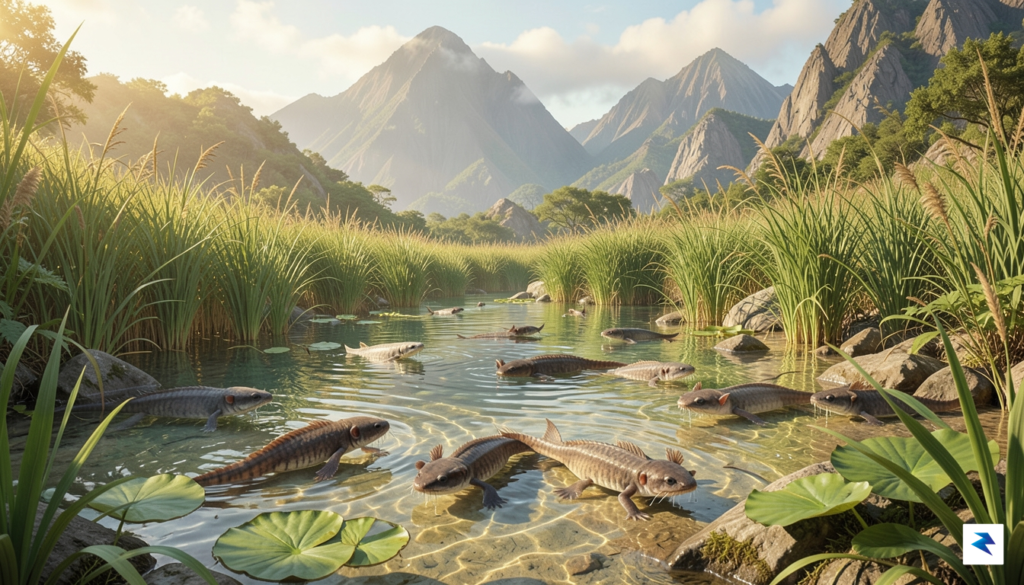
The ecosystem was far more than a simple watering hole; it was a bustling hub of biological complexity. Fossil evidence suggests that these early axolotls shared their aquatic territory with a variety of prehistoric fish, crustaceans, and other salamander species, all competing for resources within the nutrient-rich sediment. The volcanic nature of the region played a pivotal role in shaping this habitat, as periodic ash falls and geological shifts constantly reshaped the lake boundaries. These geological events, while often catastrophic for individual organisms, served to “reset” portions of the ecosystem, depositing layers of fine volcanic silt that acted as a perfect medium for preservation.
The exceptional quality of these fossilized remains suggests that the creatures were quickly entombed in low-energy, oxygen-poor mud, effectively sealing them away from scavengers and biological decay for millions of years.
Analyzing these fossil beds allows paleontologists to reconstruct the specific chemical composition of the ancient lake water. The presence of specific mineral deposits indicates that the water was likely rich in calcium and carbonates, which not only supported the development of robust skeletal structures in these amphibians but also facilitated the rapid mineralization necessary for fossilization. By studying the stratification of these ancient lake beds, researchers are beginning to piece together how Ambystoma quetzalcoatli adapted to the subtle, long-term shifts in water levels and temperature. This vanished world was not static; it was a dynamic, breathing landscape that allowed the unique evolutionary path of the axolotl to begin long before it captured the modern scientific imagination.
You must be logged in to post a comment.