
Performance Per Dollar: How New Silicon is Reshaping AI Costs
The Shift in Silicon Economics For decades, the semiconductor industry was locked in an intense arms race, a relentless pursuit of raw…
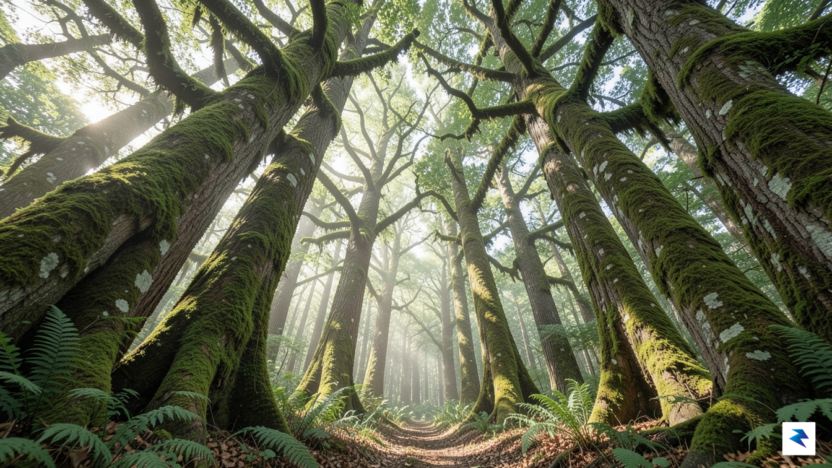
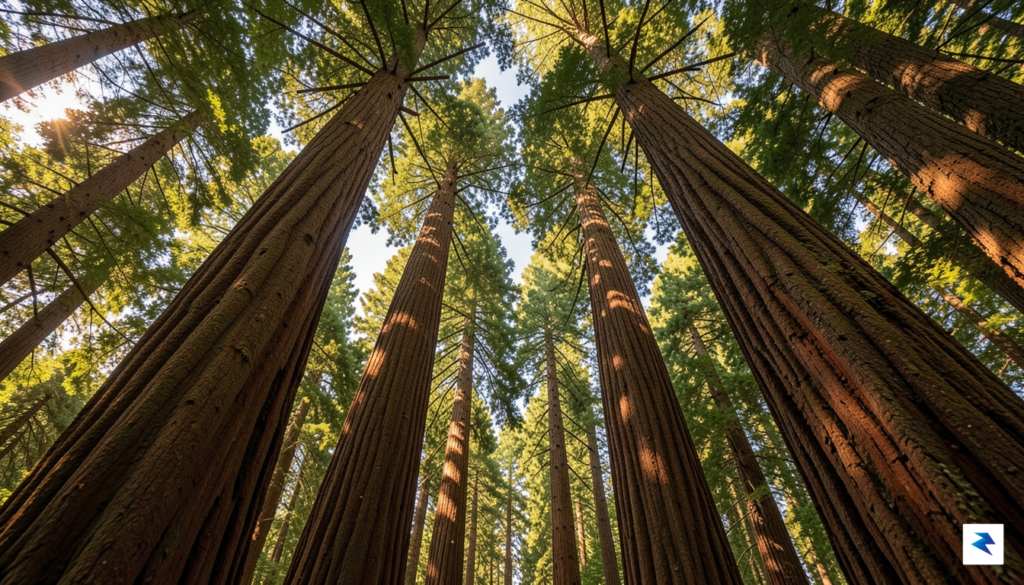
For centuries, the sheer majesty of the world’s tallest trees has captivated human imagination. From the towering redwoods of California to the colossal mountain ashes of Australia, these living skyscrapers defy what seems physically possible. Yet, beyond their awe-inspiring presence, botanists and physicists alike have long grappled with a profound biological engineering puzzle: how do these arboreal giants manage to pump hundreds, even thousands, of liters of water daily from their roots deep in the earth all the way to their uppermost leaves, often more than a hundred meters skyward, against the relentless pull of gravity?
Conventional scientific wisdom has, for decades, painted a picture of an inevitable ‘hydraulic limit’ for tree height. Theories posited that as trees approached an approximate height of 120 to 130 meters, the energetic cost and physical constraints of water transport would become insurmountable. One significant factor in this proposed ceiling was the increasing risk of cavitation – where air bubbles form in the xylem (the tree’s water-conducting tissue), breaking the continuous column of water and effectively starving the upper canopy. The immense negative pressure required to lift water to such extreme heights was thought to make these systems incredibly vulnerable, suggesting a natural barrier to indefinite vertical growth.
Beyond the threat of cavitation, the sheer energy expenditure involved in moving water through the tree’s intricate vascular network was considered a primary bottleneck. It’s not merely about lifting water against gravity; it’s also about overcoming the substantial frictional resistance as water is pulled through countless microscopic capillaries within the xylem. Imagine trying to suck water through an incredibly long, narrow straw – the effort becomes exponentially greater with length. Scientists believed that this frictional drag would demand an ever-increasing, ultimately unsustainable, amount of metabolic energy from the tree as it grew taller, making further height economically unfeasible from a biological perspective. This friction, combined with the gravitational pull, seemed to impose an unbreakable ceiling on how high a tree could conceivably grow and still function effectively.
However, recent groundbreaking research from the University of Exeter is now fundamentally challenging these long-held assumptions. This new body of work suggests that giant trees are far more sophisticated and efficient at water transport than previously understood, effectively dismantling the conventional ‘hydraulic limit’ argument. The Exeter team’s findings indicate that the models traditionally used to calculate the frictional resistance in extremely tall trees might have significantly overestimated the energy costs. They propose that the unique anatomical and physiological adaptations of these colossal plants allow them to mitigate frictional losses and maintain robust water flow to their highest reaches with remarkable efficiency, pushing back against the very notion that friction is the ultimate inhibitor of extreme tree height.
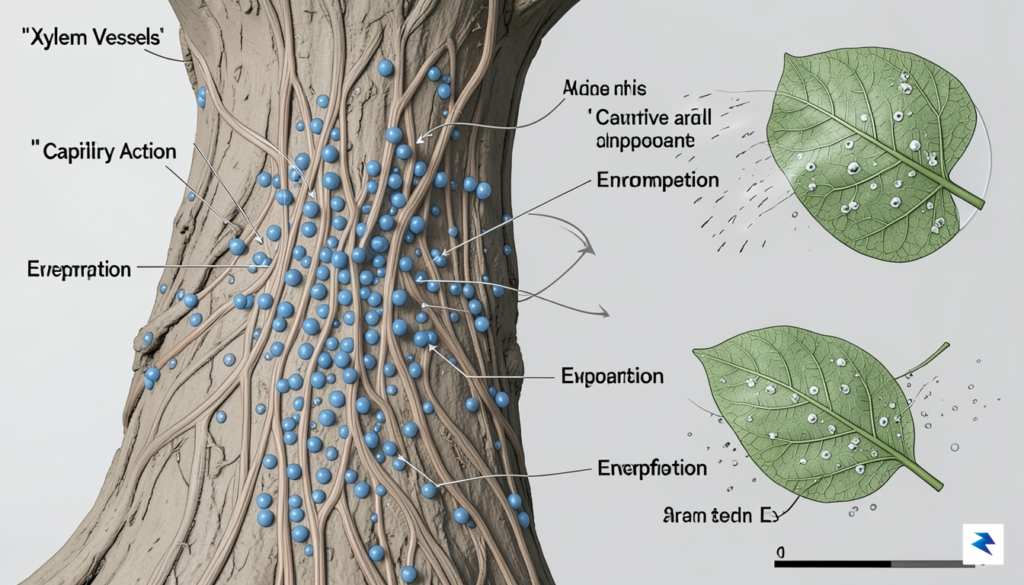
To understand the feat of a redwood reaching hundreds of feet into the sky, we must first dispel the common misconception that trees function like mechanical pumps. A tree does not push water upward; instead, it relies on a sophisticated, passive mechanism known as the Cohesion-Tension theory. At the heart of this system is the xylem, a specialized network of microscopic, pipe-like tissues that act as a vascular highway. These vessels span the entire height of the tree, forming a continuous, unbroken column of liquid that links the deepest roots to the highest, sun-drenched leaves.
The engine driving this hydraulic lift is transpiration, the process by which leaves release water vapor into the atmosphere through tiny pores called stomata. As water evaporates from these leaf surfaces, it creates a surface tension that exerts a powerful “pull” on the water molecules remaining inside the leaf tissue. Because water molecules are naturally “sticky”—a property known as cohesion—they cling to one another through hydrogen bonding. When one molecule is pulled out of the leaf, it tugs on the molecule behind it, creating an unbroken, chain-like tension that stretches all the way down to the root system buried in the soil.
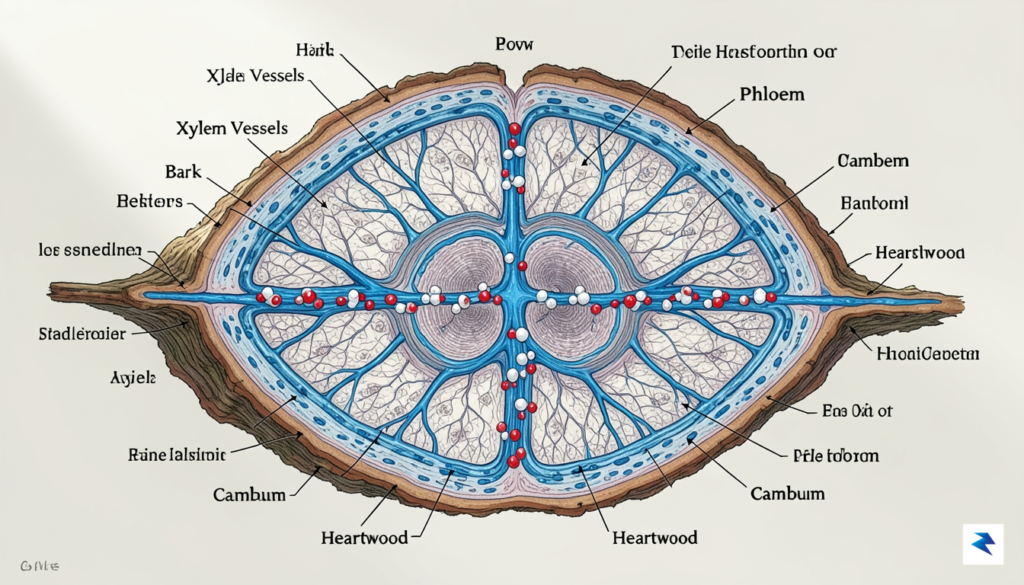
This process is nothing short of a biological marvel, as it requires no external energy expenditure from the tree itself. Instead, the sun provides the necessary energy to evaporate the water, essentially using the atmosphere as a giant suction pump. However, this system is inherently fragile. If the tension becomes too great—perhaps due to extreme drought or intense heat—the water column can snap. This phenomenon, known as cavitation, creates an air bubble or “embolism” within the xylem, effectively blocking the flow of water to the upper branches.
The cohesion of water is so strong that it can support a column of liquid under immense negative pressure, allowing trees to overcome the crushing force of gravity without ever needing a heart or a pump.
When an embolism occurs, it functions much like a blood clot in an artery, forcing the tree to either repair the vessel or bypass it entirely to keep the canopy hydrated. For the world’s tallest trees, managing this delicate balance between transpirational pull and the risk of cavitation is a constant, high-stakes battle. Understanding how these giants prevent such blockages is exactly why new research into their hydraulic limits is causing such a stir in the scientific community, as it challenges our previous assumptions about the physical constraints of tree height.
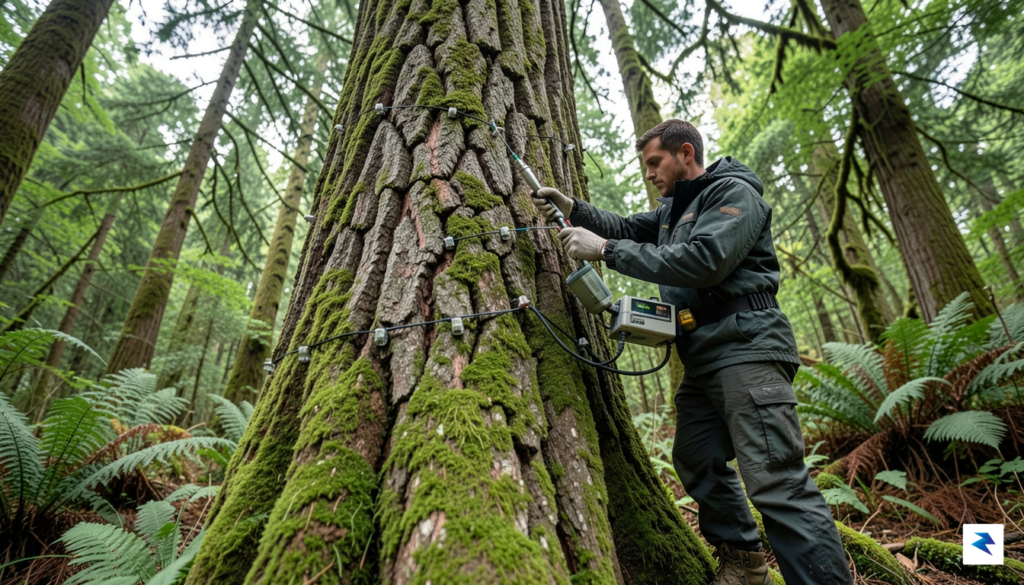
For decades, the towering aspiration of giant trees to reach incredible heights has presented a profound puzzle to scientists: how do they manage to pump water against immense gravitational forces to their uppermost branches? Conventional wisdom, often based on simplified hydraulic models, suggested that the resistance to water flow would increase proportionally with height, making it increasingly difficult, if not impossible, for water to reach the canopy of the tallest trees. However, groundbreaking new research from the University of Exeter has dramatically reshaped our understanding, revealing that these arboreal giants possess an astonishing hydraulic efficiency that defies previous expectations. This pioneering study suggests that the internal plumbing of giant trees is far more sophisticated than once imagined, rendering the challenge of height a manageable engineering feat of nature.
The Exeter team embarked on a detailed investigation, employing a multi-faceted approach to unravel the secrets of water transport. Their methodology involved meticulous analysis of sap flow patterns throughout the tree’s vascular system, utilizing advanced sensor technologies placed at various heights along the trunk and into the branches. Concurrently, they conducted in-depth examinations of the xylem structure – the specialized tissue responsible for water conduction – at microscopic levels. This allowed them to scrutinize the individual conduits, known as tracheids and vessels, assessing their diameter, density, and connectivity across different elevations within the tree. By correlating real-time sap velocity measurements with the underlying anatomical features, the researchers aimed to build a comprehensive picture of the tree’s internal water highway.
What the Exeter researchers discovered was nothing short of revolutionary: the hydraulic resistance in giant trees does not, in fact, scale linearly with height as theoretical models had long predicted. Instead, their findings revealed that these colossal organisms have evolved sophisticated internal mechanisms that actively minimize friction and maintain high flow rates, even at extreme elevations. This optimization isn’t merely a passive consequence of growth; it appears to be a highly engineered adaptation. For instance, the study indicated that the xylem architecture might subtly change with height, perhaps featuring slightly wider vessels or more efficient pit connections in the upper canopy to compensate for the increasing gravitational pull and maintain consistent water delivery. This suggests an active biological strategy to circumvent the physical limitations that would otherwise cripple water transport.
This non-linear scaling of resistance directly challenges the once-prevalent theoretical models that posited a significant slowdown, or even a hydraulic “collapse,” of the water column in the upper reaches of giant trees. Previous models, often treating the xylem as simple, uniform pipes, predicted that the immense resistance and frictional energy loss would dramatically impede sap velocity, leading to water stress and potentially limiting ultimate tree height. However, the Exeter study’s precise measurements of actual sap velocity told a different story. They consistently observed robust, efficient water movement to the highest branches, demonstrating a level of hydraulic performance that far exceeded the capabilities predicted by these older, simplistic frameworks. This stark discrepancy underscores a fundamental miscalculation in our prior understanding of tree hydraulics.
The implication of these findings is clear: the conventional “friction” models were significantly overestimating the energy required for water transport in these arboreal giants. The research provides compelling evidence that nature has optimized the internal plumbing of these trees to an extraordinary degree, effectively rendering gravity a manageable inconvenience rather than an insurmountable wall. Mechanisms such as strategically optimized vessel tapering, altered pit membrane resistance, or perhaps even subtle changes in water viscosity within the xylem itself, could contribute to this remarkable efficiency. Ultimately, the study paints a picture of biological engineering prowess, where the complex network of conduits within a giant tree is perfectly tuned to minimize drag and ensure an uninterrupted, vital flow of water to every leaf, no matter how high.
[IMAGE: A cross-section microscopic view of tree xylem, showing various sizes of vessels and tracheids, emphasizing efficient
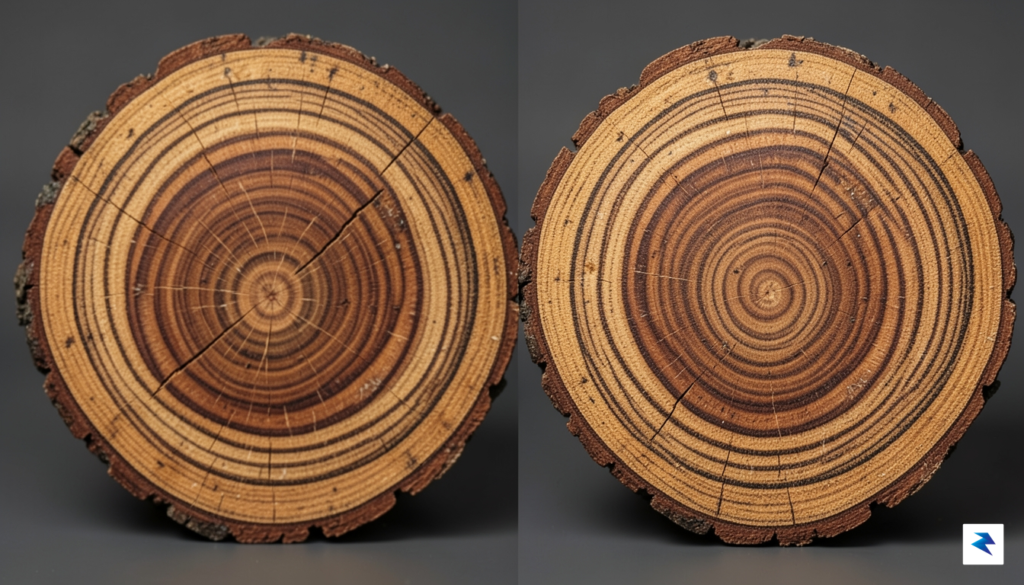
Evolution functions as an invisible master engineer, meticulously refining the architecture of life over millions of years to solve the most daunting physical challenges. In the dense, hyper-competitive world of temperate rainforests, height is the ultimate currency; reaching the canopy means unobstructed access to sunlight, the primary fuel for photosynthesis. For giant conifers, this drive for vertical dominance required a complete reimagining of hydraulic infrastructure. Rather than simply growing taller, these species have evolved sophisticated structural adaptations that allow them to defy gravity, transporting water hundreds of feet upward without succumbing to the crushing pressure demands of extreme verticality.
Central to this success is the precise calibration of their xylem vessels—the microscopic plumbing system that snakes through the trunk. While traditional botanical wisdom once suggested that wider vessels were inherently risky, prone to catastrophic air bubbles known as embolisms, recent findings reveal a more nuanced story. Giant conifers have mastered the trade-off between volume and safety by optimizing the diameter of these conduits to facilitate maximum flow while reinforcing the surrounding cell walls. By striking this delicate balance, they ensure that the journey from the root system to the highest crown remains uninterrupted, even under the intense heat and evaporation rates of a mid-summer afternoon.
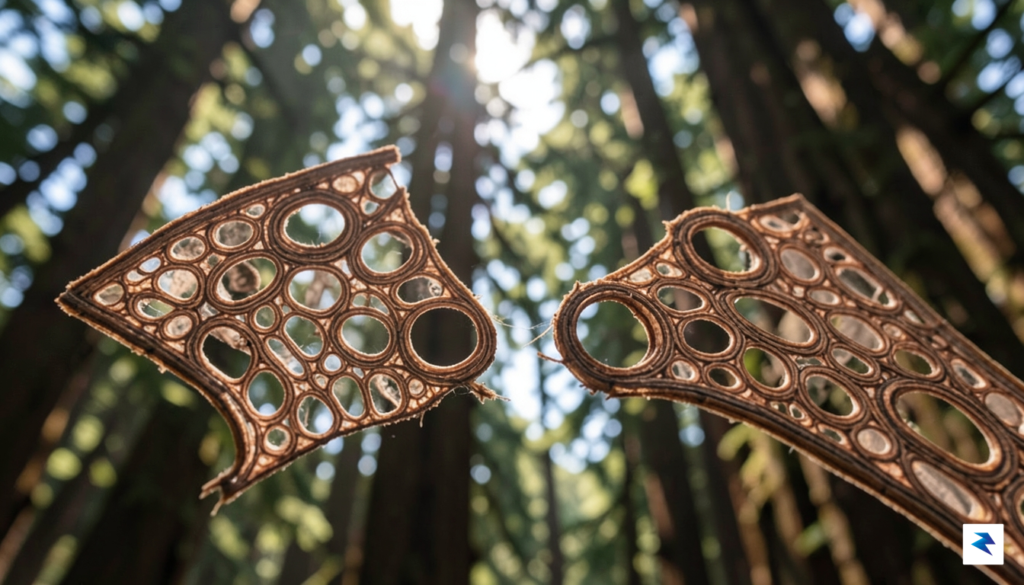
Beyond the plumbing itself, these giants have developed ingenious water storage mechanisms to act as a buffer against peak-day environmental stress. During the early morning hours, these trees effectively “load” their internal tissues with moisture, creating a reservoir that can be tapped when the sun reaches its zenith and the demand for transpiration becomes desperate. This ability to regulate internal water availability allows them to sustain their metabolic functions at heights where other, less specialized flora would suffer from terminal hydraulic failure. It is a masterful display of resource allocation, where the tree treats its own mass as a biological battery for hydration.
The survival of a giant conifer is not a matter of luck, but a result of a highly evolved hydraulic strategy that synchronizes structural integrity with real-time environmental demand.
This structural integrity is supported by specialized cells that prevent the hydraulic paths from collapsing under negative pressure. As the tree pulls water upward, the tension inside the xylem can be immense, threatening to crush the delicate conduits or pull in air from adjacent spaces. Through the evolution of thicker, more resilient cell walls and specialized pit membranes, these titans maintain a stable, continuous column of water. By integrating these mechanical defenses with their high-efficiency transport systems, giant conifers demonstrate that they are not merely survivors of their environment; they are the architects of a vertical ecosystem, perfectly tuned to command the forest canopy.

For decades, ecologists operated under the assumption that there was a theoretical ceiling to how tall a tree could grow, dictated primarily by the physical difficulty of pulling water hundreds of feet against the relentless force of gravity. This “hydraulic limit” hypothesis suggested that, eventually, the resistance within a tree’s vascular system would become so great that the tree would simply starve its own crown of water, leading to a natural cap on height. However, recent findings dismantle this notion, revealing that these ancient giants possess sophisticated, efficient mechanisms for fluid transport that defy our previous estimations. By shifting our understanding away from the idea that height is the primary culprit in tree mortality, we are forced to re-evaluate what truly puts these magnificent organisms at risk in an era of rapid environmental transformation.
If height is not the mechanical bottleneck we once believed, then the vulnerability of old-growth forests must be viewed through a different lens: the external environment rather than internal biology. When we witness the dieback of massive redwoods or towering firs, we can no longer simply blame their vertical ambition. Instead, we must look at the soil moisture levels and the atmospheric demand for water, which are becoming increasingly volatile due to climate change. The danger is not that the tree has grown too tall for its own good, but rather that the surrounding climate has become too hostile to sustain the vital flow of water from the earth to the canopy. This distinction is vital; it means that these giants are not inherently destined to fail once they reach a certain size, but are instead being pushed past their limits by external drought stress.
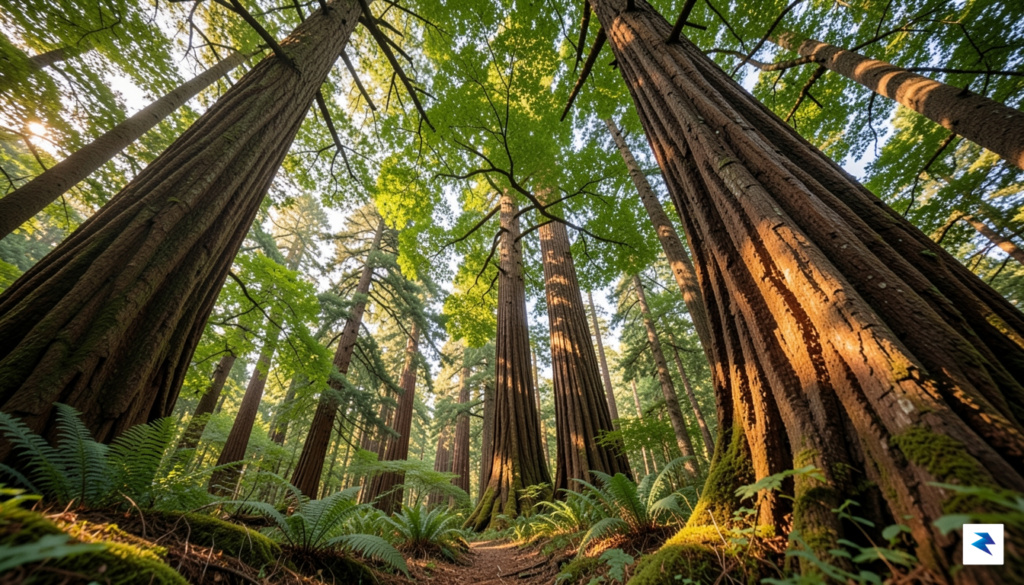
The survival of our oldest forests depends less on the biological architecture of the trees themselves and more on our ability to preserve the integrity of the ecosystems that house them.
This paradigm shift has profound implications for conservation strategies. If we stop worrying about an arbitrary “biological height limit,” we can focus our efforts on the factors we can actually influence: soil health, microclimate stability, and forest floor preservation. Protecting these carbon sinks requires us to mitigate the stressors that lead to hydraulic failure—specifically, the prolonged, severe droughts that deplete the water table. By managing forests to retain moisture and shielding them from the compounding effects of heatwaves, we can provide these sentinels of the forest with the resilience they need to survive. The message is clear: the giants are robust and capable of reaching staggering heights, provided we ensure the environment they inhabit remains stable enough to support their thirst.
You must be logged in to post a comment.