
Is Xbox in Trouble? The Truth Behind the Brand’s Identity Crisis
The Xbox Strategy Crisis: A Shift in Identity For decades, the gaming industry was defined by the visceral intensity of the "console wars," a…
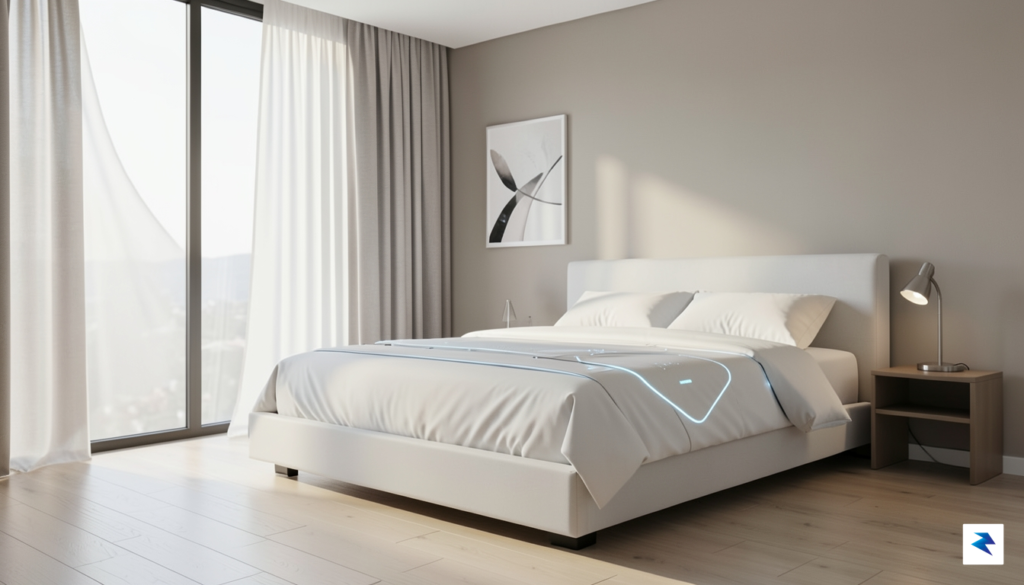
For years, the sleep technology industry was dominated by passive observation. Wearable fitness trackers and smartphone apps promised to unlock the mysteries of our nightly rest, yet they were fundamentally limited by their inability to actually change the environment. These devices could tell you that you had a restless night, but they offered no mechanism to rectify it beyond the suggestion to put your phone away earlier. We have moved firmly out of the era of merely observing our sleep patterns and into the age of active, environmental intervention. The Eight Sleep Pod 5 stands at the forefront of this revolution, effectively transforming the bed from a passive piece of furniture into a responsive, data-driven ecosystem.
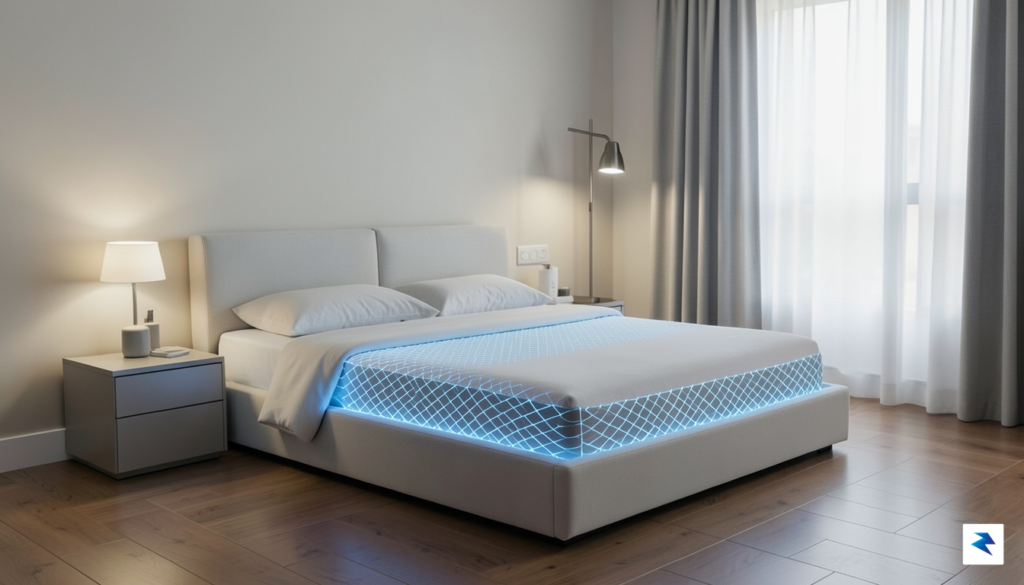
At the heart of this transformation is the proprietary “Active Grid” technology. Unlike a traditional memory foam or spring mattress that offers static support, the Pod 5 utilizes a complex network of water-circulating tubes embedded within a thin layer atop the mattress. This allows the system to heat or cool the surface in real-time based on your body’s unique thermal needs throughout the night. By dynamically adjusting the temperature, the bed actively guides your physiology through different sleep stages, aiming to keep you in deep sleep longer and preventing the temperature spikes that often lead to mid-night awakenings.
The true paradigm shift lies in the transition from passive tracking to active adjustment; the Pod 5 does not just report on your sleep quality, it seeks to engineer it.
This level of sophistication fundamentally alters the relationship between the sleeper and the mattress. While a high-end traditional bed focuses exclusively on tactile comfort—how soft or firm the surface feels—the Pod 5 prioritizes biological optimization. This shift brings with it a fascinating, if occasionally invasive, trade-off. To function effectively, the system requires a constant stream of granular biometric data, including heart rate variability, respiratory rate, and sleep phase detection. For the data-conscious user, this provides an unprecedented level of insight into personal health, yet it raises important questions about the boundary between a wellness tool and a surveillance device. Ultimately, the Pod 5 is not merely a place to rest; it is an intelligent, automated assistant that assumes control over your physical environment to maximize your recovery.
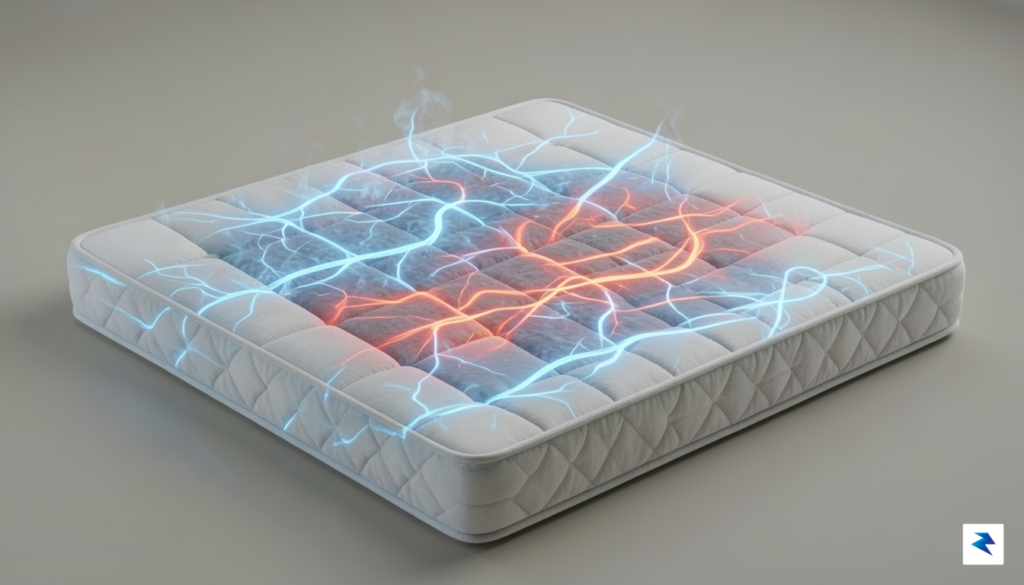
At the heart of the Eight Sleep Pod 5 is an sophisticated thermal engine that functions less like a blanket and more like a precision-engineered climate control system for the human body. The core mechanism relies on a network of micro-tubing woven directly into the fabric of the mattress cover, through which water is circulated at exact, pre-programmed temperatures. By constantly adjusting the temperature of this fluid, the system acts as a biological thermostat, essentially hacking your body’s natural cooling process to facilitate a faster transition into deep sleep. Physiologically, a drop in core body temperature is the primary trigger for the onset of deep REM cycles; the Pod 5 accelerates this physiological requirement, allowing users to shave minutes, or even hours, off their sleep latency.
The system’s intelligence lies in its ability to dynamically pivot based on real-time biometric feedback. Unlike a standard electric blanket that maintains a static setting, the Pod 5 monitors your heart rate, respiratory rate, and movement patterns throughout the night. If the sensors detect a shift in your sleep stage or an increase in your body temperature, the system automatically tweaks the water flow to keep you in that “Goldilocks zone” of optimal thermal regulation. This continuous adjustment prevents the common mid-night wake-ups caused by overheating, leading to significantly higher sleep efficiency and a more restorative morning recovery.
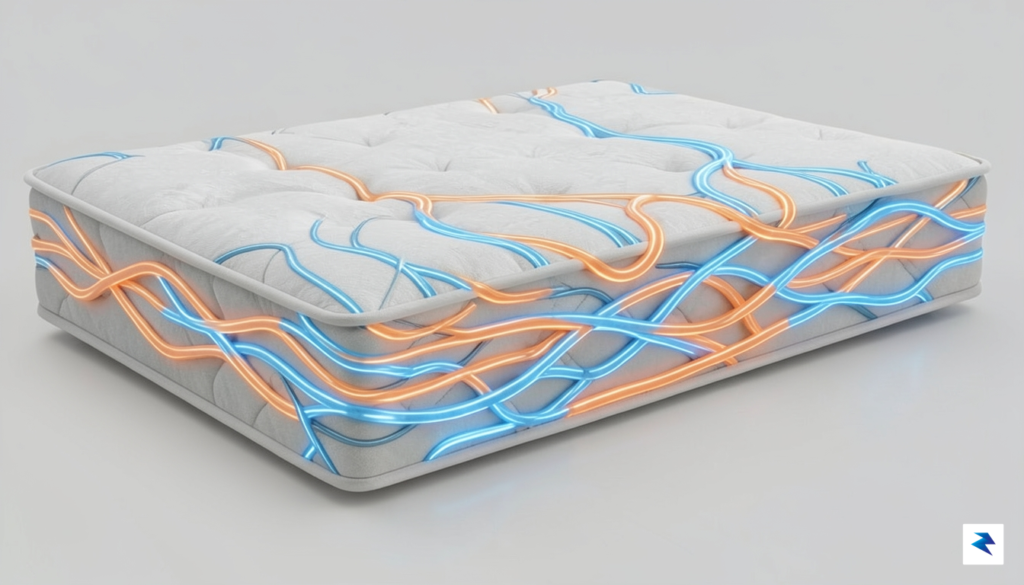
The true value of active thermoregulation is not just comfort—it is the biological signal it sends to your brain that it is time to remain in a state of deep, uninterrupted rest.
However, this high-tech engineering comes with a tangible trade-off regarding the bedroom environment. Because the system requires a pump and a water circulation unit to maintain these precise temperatures, it is rarely silent. While the latest iteration has made strides in noise reduction, sensitive sleepers may still notice a low-frequency hum when the pump is working at maximum capacity to cool the bed rapidly. It is a persistent, mechanical reminder that your bed is an active piece of machinery. For many users, this white noise is easily masked or ignored, but it remains a noticeable departure from the passive silence of a traditional mattress. Ultimately, the Pod 5 demands that you weigh the undeniable benefits of perfectly regulated core body temperature against the presence of a motorized appliance at your bedside.

To achieve the kind of granular, real-time temperature regulation that defines the Eight Sleep experience, the Pod 5 must act as a relentless observer. Beneath your sheets, a sophisticated array of sensors works in tandem with the “Autopilot” AI to track an intimate stream of biometrics, including your resting heart rate, respiratory rate, and subtle movements throughout the night. This data is the lifeblood of the system; without a continuous feed of your physiological state, the mattress would have no way to know when to cool down your core or warm your feet to nudge you into a deeper sleep phase. While this constant monitoring is undeniably effective at optimizing your recovery, it transforms your bedroom into a data-collection node, raising the uncomfortable question of what it means to be “watched” in our most private moments.
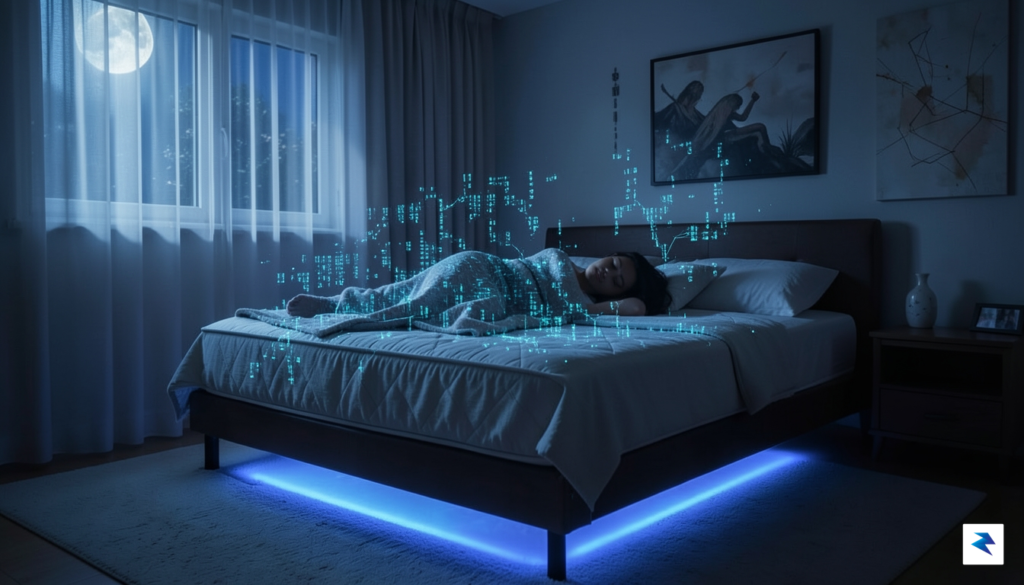
The surveillance aspect of the Pod 5 is not merely a technical necessity; it is a fundamental shift in the relationship between a person and their bed. For many, the psychological impact of knowing that a cloud-based server is analyzing their every toss, turn, and heart flutter can be unsettling. Even if the data is encrypted, the act of offloading your biological telemetry to a third-party ecosystem creates a digital footprint that exists long after you wake up. You are not just buying a mattress; you are entering into a long-term data exchange where your personal health metrics are the currency used to pay for a better night of rest.
The convenience of automated comfort comes with a “privacy tax,” requiring users to balance the tangible benefits of improved sleep hygiene against the intangible risks of centralized biometric storage.
Security within the Eight Sleep ecosystem remains a critical point of concern for privacy-conscious consumers. While the company utilizes standard encryption protocols to protect user data, the reality is that any connected device—especially one that captures sensitive health information—represents a potential target for bad actors or corporate misuse. Users must consider whether they are comfortable with their sleep history, which can reveal patterns about their health, stress levels, and lifestyle, being stored on external servers. Ultimately, the decision to use the Pod 5 requires a leap of faith that the benefits of an AI-optimized night outweigh the implications of surrendering your most private biological data to a smart-home infrastructure.
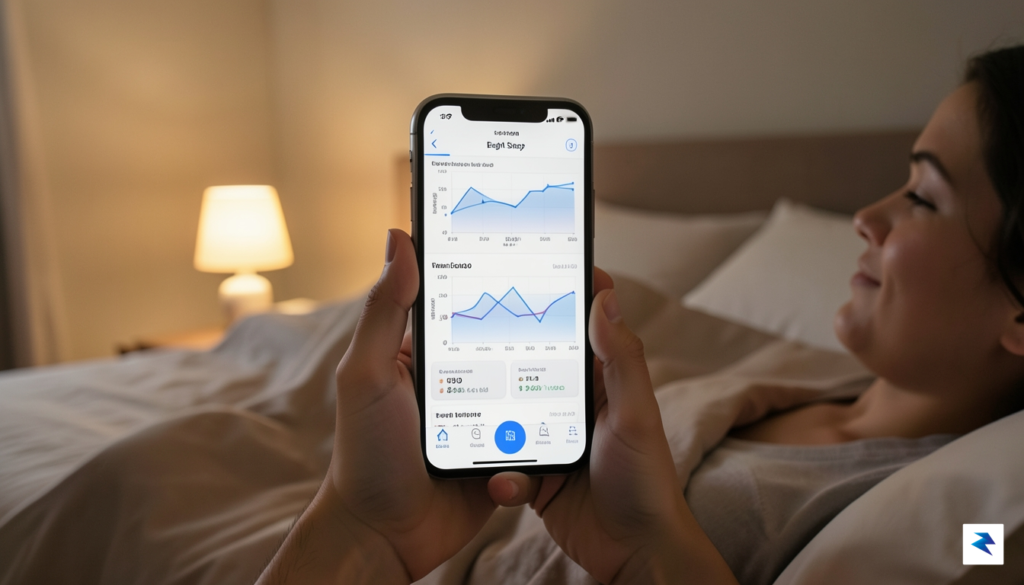
Transforming your bedroom into a high-tech sleep sanctuary starts with the physical installation of the Pod 5, a process that is significantly more involved than rolling out a standard mattress. Stretching the Active Grid cover over your existing mattress requires a bit of muscle, and the Hub—the bedside unit that powers the thermal regulation—demands a dedicated footprint that occupies more space than a traditional nightstand. Because this system relies on a water-based cooling cycle, you must be prepared to manage the occasional maintenance tasks, such as draining and refilling the reservoir to ensure the internal mechanics remain sanitary and efficient. While the hardware footprint is substantial, Eight Sleep has done an admirable job of keeping the aesthetic sleek and unobtrusive, allowing the device to blend into most modern, minimalist bedroom designs without looking like a piece of industrial machinery.
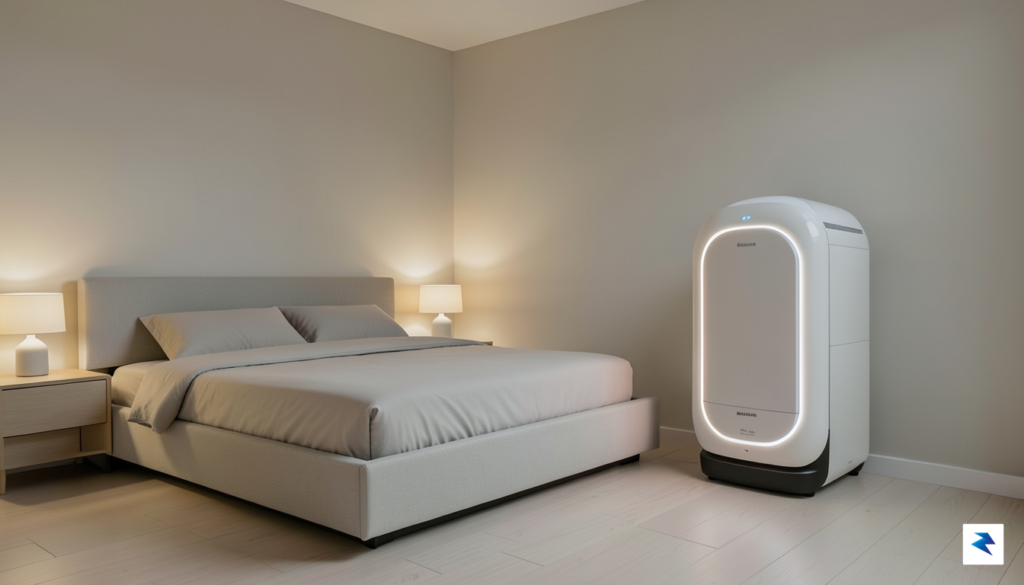
Once the physical hardware is in place, the true complexity of the Pod 5 reveals itself through the mobile application. The interface is undeniably comprehensive, offering a granular level of control over temperature zones, sleep stages, and vibration-based alarms. However, for a user just looking for a good night’s rest, the sheer volume of data and toggles can feel overwhelming. Navigating the dashboard feels less like adjusting a thermostat and more like managing a sophisticated flight deck; while power users will appreciate the deep dive into their sleep metrics, the average person may find the learning curve steeper than expected. It is a system that demands a genuine commitment to tech-forward living, where you are not just sleeping, but actively curating your physiological environment every single night.
The Autopilot feature represents the true divide between passive bedding and active sleep technology: it is either a life-changing convenience or an intrusive experiment, depending entirely on your willingness to relinquish control to an algorithm.
The “Autopilot” AI feature is perhaps the most polarizing aspect of the daily user experience. By automatically adjusting the temperature in real-time based on your body’s needs throughout the night, the system aims to eliminate the need for manual intervention. Yet, adjusting to this automated intelligence requires patience. During the first week, you might find the bed cooling down or warming up at moments that feel counterintuitive, forcing you to override the settings manually. Over time, the AI does become more accurate at predicting your personal preferences, but the initial phase of “training” the bed to know your habits can be frustrating. Ultimately, integrating the Pod 5 into your life is about deciding how much automation you are willing to embrace in exchange for potentially deeper, more restorative rest.

The barrier to entry for truly optimized sleep with the Eight Sleep Pod 5 is undeniably high, presenting a significant financial hurdle for many. Prospective owners must contend with not only the substantial upfront cost of the Pod 5 hardware itself but also a mandatory subscription fee that unlocks its full suite of features. This dual-pronged investment immediately positions the device as a premium product, demanding careful consideration from anyone contemplating its purchase. It’s a commitment that extends beyond the initial unboxing, requiring an ongoing financial dedication to maintain access to the advanced algorithms, personalized temperature adjustments, and comprehensive sleep tracking data that define the Pod 5 experience.
This subscription model, while common in the tech world, warrants scrutiny when applied to a foundational aspect of health like sleep. Without the active membership, the Pod 5 essentially reverts to a high-tech mattress pad with basic temperature control, losing its intelligent capabilities such as Sleep Stages, HRV monitoring, and the daily Health Report. This means that the cutting-edge personalized coaching and predictive insights, which are arguably the core value proposition of the Pod 5, are perpetually tied to that recurring payment. Consequently, understanding the long-term cost of ownership – encompassing both the hardware depreciation and the cumulative subscription fees – becomes critical in assessing its true value.
When weighing these costs, it’s natural to compare the Pod 5 to more budget-friendly alternatives available on the market. Simple cooling mattress pads, for instance, offer a fraction of the Pod 5’s price and can effectively address basic temperature discomfort, albeit without any smart features or data analysis. Even some smart mattresses offer temperature regulation without a mandatory ongoing subscription for their core functionalities. The crucial distinction lies in the Pod 5’s unique blend of active thermoregulation, biometric tracking, and AI-driven personalization. It’s not just about getting cool; it’s about dynamic, responsive temperature adjustments throughout the night, coupled with detailed insights into your sleep architecture and overall recovery, all designed to proactively improve sleep health.
Ultimately, the question of whether the Eight Sleep Pod 5 is a luxury purchase or a wellness necessity hinges on individual needs, priorities, and financial capacity. For those who struggle significantly with temperature regulation during sleep, or individuals deeply invested in optimizing every facet of their health with data-driven insights, the Pod 5 can indeed be transformative. Athletes, biohackers, or anyone with chronic sleep disturbances who have exhausted other options might find the tangible health ROI — improved sleep quality, faster recovery, and enhanced daytime performance — to justify the substantial financial investment. The ability to precisely dial in sleep temperature, track subtle changes in health metrics, and receive actionable insights can lead to profound improvements in well-being that are hard to quantify but deeply felt.
Therefore, the Pod 5 is best suited for a specific demographic: the wellness enthusiast who prioritizes sleep optimization above all else, the individual with disposable income who views health as an investment, or someone with persistent sleep challenges for whom traditional solutions have fallen short. It’s for those who aren’t just looking for a cooler bed, but rather a comprehensive, data-rich sleep ecosystem designed to fine-tune their nightly rest. For this discerning user, the Pod 5 transitions from being a mere luxury item to a powerful, albeit expensive, tool in their wellness arsenal, potentially offering a return on investment in the form of better health and an elevated quality of life.
You must be logged in to post a comment.