EU Fast-Tracks ‘Chat Control’: What Mandatory Messenger Scanning Means for You
Understanding the New EU Council Push for Messenger Scanning The legislative saga surrounding what has become colloquially known as "Chat…
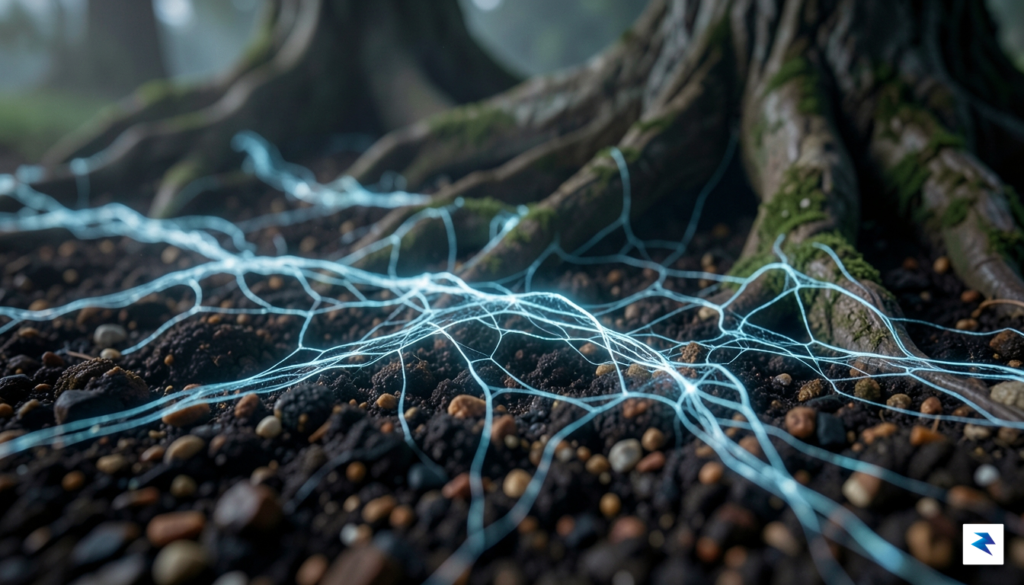
For untold millennia, an intricate, vital infrastructure has silently underpinned life across our planet, largely invisible to the human eye. Beneath the surface of every forest floor, every grassland, and even many deserts, stretches a complex, living tapestry woven from the threads of fungi: the mycorrhizal network. This astounding subterranean web acts as Earth’s original internet, a sophisticated system facilitating crucial communication and nutrient exchange between plants, from towering redwoods to humble blades of grass. Until recently, its full extent and structure remained largely a mystery, but groundbreaking scientific advancements have finally illuminated this hidden realm, culminating in the creation of the first comprehensive global map of this ‘Wood Wide Web’.
What exactly is this mycorrhizal network? The term “mycorrhiza” itself originates from Greek words meaning “fungus” and “root,” perfectly describing the symbiotic relationship at its core. These fungi form intimate associations with plant roots, extending their hyphae—tiny, thread-like structures—far beyond what roots alone can reach. In this mutually beneficial partnership, plants provide the fungi with sugars produced through photosynthesis, while the fungi, in turn, efficiently absorb water and essential minerals like phosphorus and nitrogen from the soil, delivering them directly to their plant partners. This ancient collaboration has been instrumental in the evolution and survival of nearly all land plants, acting as the fundamental biological bedrock that allows ecosystems to flourish.
The monumental task of mapping this intricate, global network involved an unprecedented convergence of ecological data and cutting-edge computational power. Researchers painstakingly compiled millions of individual observations of mycorrhizal fungi from global databases, combining this information with detailed climate data, soil composition analyses, and satellite imagery. Utilizing advanced machine learning algorithms, scientists were able to extrapolate these localized observations into a predictive model, meticulously charting the distribution and types of mycorrhizal associations across every continent. This rigorous methodology allowed them to move beyond isolated studies and construct a coherent, planet-spanning view of an ecosystem driver previously understood only in fragments.
The resulting global map is nothing short of an ecological breakthrough, revealing the true scale and immense importance of this hidden fungal kingdom. It illustrates not just the presence, but also the dominant types of mycorrhizal fungi in different biomes, from the arbuscular mycorrhizae prevalent in grasslands to the ectomycorrhizae characterizing temperate and boreal forests. This newfound clarity provides an invaluable baseline for understanding how forests acquire nutrients, how resilient ecosystems are to environmental changes, and how carbon cycles are regulated on a planetary scale. By finally rendering the invisible visible, this map offers humanity an entirely new lens through which to comprehend the interconnectedness of life and the intricate mechanisms that sustain our world, profoundly reshaping our understanding of global ecology.
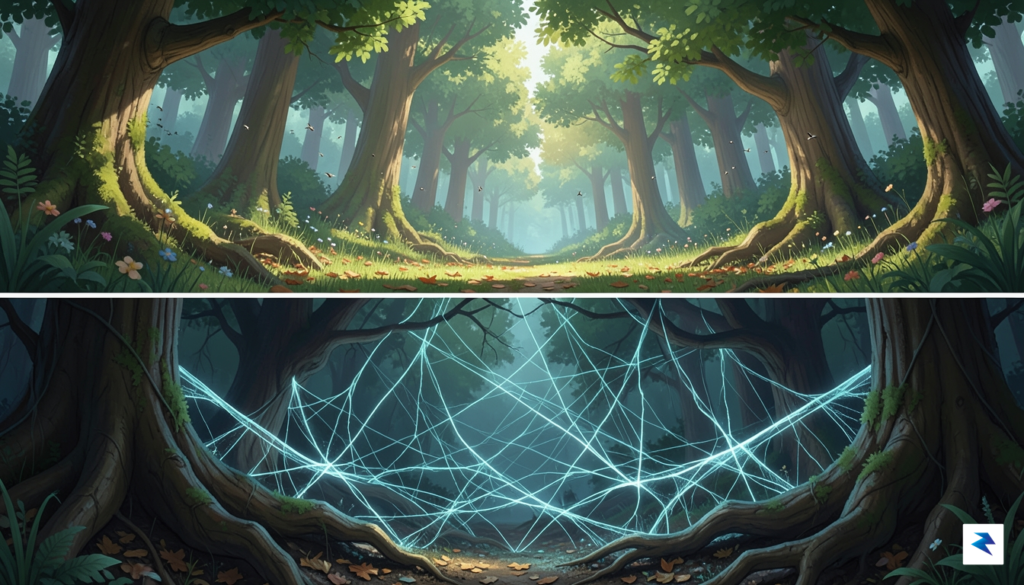
Beneath the forest floor lies a bustling, invisible marketplace that has been operating for hundreds of millions of years. This symbiotic partnership, known as the mycorrhizal network, functions as a biological trade agreement between plants and specialized fungi. These fungi colonize the root systems of trees and plants, extending their microscopic, thread-like filaments—called hyphae—far beyond the reach of the roots themselves. In this exchange, the fungi act as an extended acquisition arm for the plant, scavenging essential minerals like phosphorus and nitrogen from the soil and transporting them back to the host. In return, the plant provides the fungi with a steady supply of carbon-rich sugars, which are produced through the alchemy of photosynthesis.
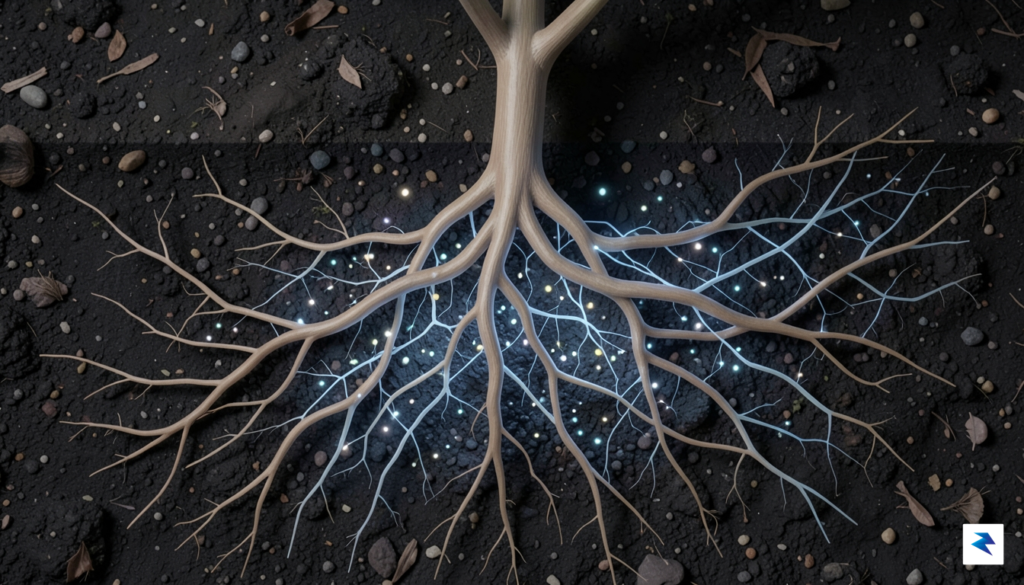
This relationship is far more complex than a simple barter system; it functions as a literal pipeline that sustains entire ecosystems. Because the fungal filaments are significantly thinner and more efficient than root hairs, they can penetrate tiny soil pores that are otherwise inaccessible to the plant. By dramatically increasing the surface area for nutrient absorption, the fungi effectively act as an external digestive system for the forest. When a tree is struggling in nutrient-poor soil or facing drought, the fungal network acts as a lifeline, delivering moisture and minerals gathered from elsewhere in the soil matrix. This redistribution of resources is a primary driver of forest health, ensuring that even shaded seedlings in the forest understory receive enough energy to survive until they can reach the canopy.
The fungal network is the forest’s social safety net, allowing established trees to subsidize the growth of younger saplings and maintain the resilience of the ecosystem as a whole.
Furthermore, this underground web facilitates a form of plant-to-plant communication that defies our conventional understanding of stationary life. Research suggests that these networks allow trees to signal one another, potentially warning neighbors of pest infestations or environmental stressors. By sharing chemical cues and nutrients across these vast, subterranean grids, forests can mount a collective defense, significantly bolstering their resilience against climate-related pressures. This interconnectedness is the bedrock of global biodiversity; by supporting the survival of diverse plant species and regulating soil chemistry, these fungal networks ensure that forests remain robust, vibrant, and capable of adapting to a rapidly changing planet. Without this hidden architecture, the lush, complex landscapes we rely on would struggle to thrive, proving that the most important work in nature often happens completely out of sight.
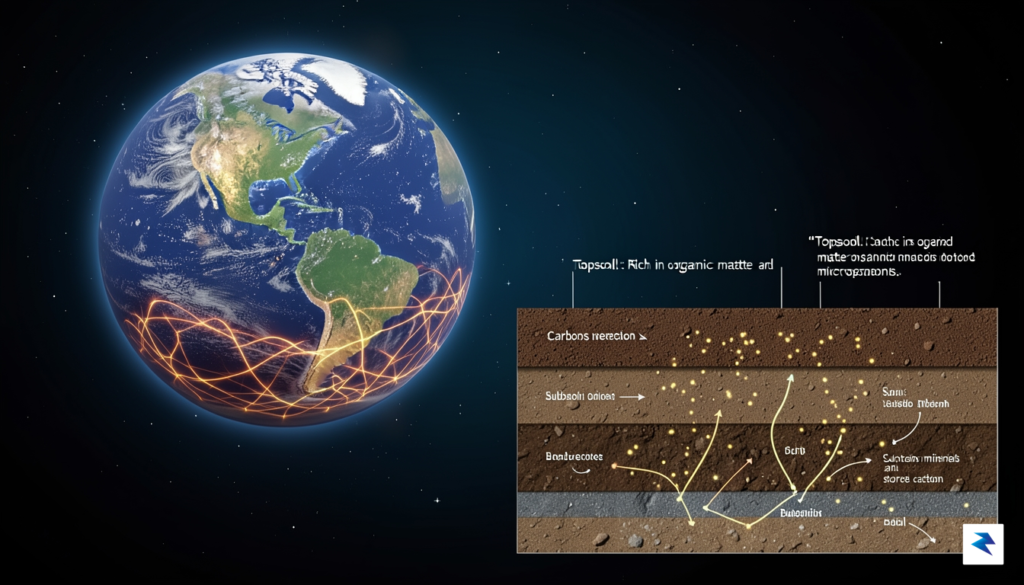
Beyond their vital role in nurturing plant health and facilitating nutrient exchange, the intricate fungal networks beneath our feet serve an even grander purpose: they are one of Earth’s most potent, yet often overlooked, tools for regulating our global climate. This subterranean web acts as an immense carbon sink, actively drawing vast quantities of carbon from the atmosphere and locking it away within the soil. Understanding this critical function is paramount, as these hidden systems prevent countless tons of carbon from entering our atmosphere as greenhouse gases, playing an indispensable role in mitigating climate change.
The magic primarily happens through the extraordinary relationship between plants and mycorrhizal fungi. Plants, through photosynthesis, capture atmospheric carbon dioxide and convert it into sugars. A significant portion of these sugars is then transferred to their fungal partners in exchange for essential nutrients like phosphorus and nitrogen, which the fungi efficiently extract from the soil. These fungi, in turn, use the carbon-rich sugars to build their vast networks of hyphae – microscopic threads that extend far beyond plant roots. These hyphae are themselves rich in carbon, and as they grow and die, their organic matter accumulates, binding soil particles together to create stable aggregates. This process effectively sequesters carbon deep within the earth, transforming transient atmospheric carbon into long-term soil carbon storage.
Conversely, the degradation of these vital soil ecosystems poses a severe threat to our climate. When soils are disturbed or depleted due to practices like deforestation, intensive agriculture, or excessive use of chemical fertilizers, the delicate fungal networks are destroyed. This disruption doesn’t just harm plant life; it releases the stored carbon back into the atmosphere. Degraded soils lose their ability to hold organic matter, leading to reduced carbon sequestration potential and a net emission of greenhouse gases. The link between healthy soil, thriving fungal networks, and a stable climate is thus undeniable: protecting and restoring these underground communities is synonymous with protecting our planet’s atmospheric balance.
The recent mapping of the global distribution of these fungal networks marks a monumental leap in our understanding and capacity to combat climate change. By providing an unprecedented view of where these carbon-sequestering powerhouses are located and how dense they are, scientists can now pinpoint specific regions that are critical carbon hotspots. This detailed geographic insight allows for more accurate climate modeling, helping us predict future carbon cycles and identify areas most vulnerable to degradation or most promising for restoration. This invaluable intelligence empowers conservationists, policymakers, and land managers to develop targeted strategies, ensuring the protection of these subterranean guardians and leveraging their natural capacity to draw down atmospheric carbon in the global fight against warming.
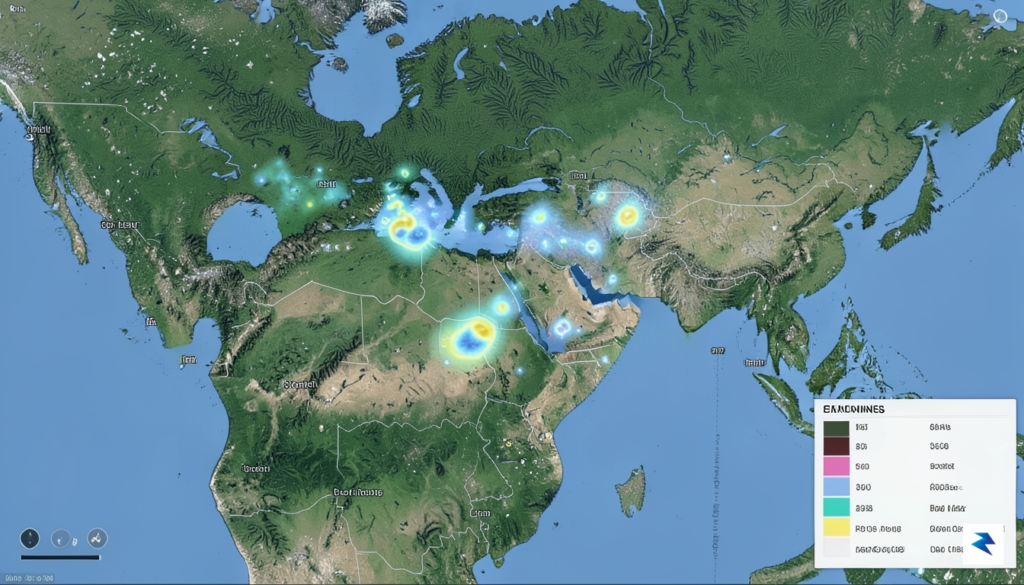
For decades, global conservation strategies have been fundamentally lopsided, prioritizing the visible majesty of ancient forests, sprawling grasslands, and charismatic megafauna while effectively ignoring the complex world beneath our boots. We have traditionally measured the success of a protected area by its canopy density or the diversity of its vertebrate inhabitants, operating under the assumption that if the surface looks healthy, the ecosystem is thriving. However, this superficial approach has frequently led to “paper parks”—areas that appear protected on a map but suffer from slow, invisible degradation because their core biological infrastructure remains compromised. By finally mapping the global distribution of soil fungi, scientists have provided the missing piece of the puzzle, revealing that the true resilience of an ecosystem is built on the subterranean “Wood Wide Web” that facilitates nutrient exchange and plant communication.
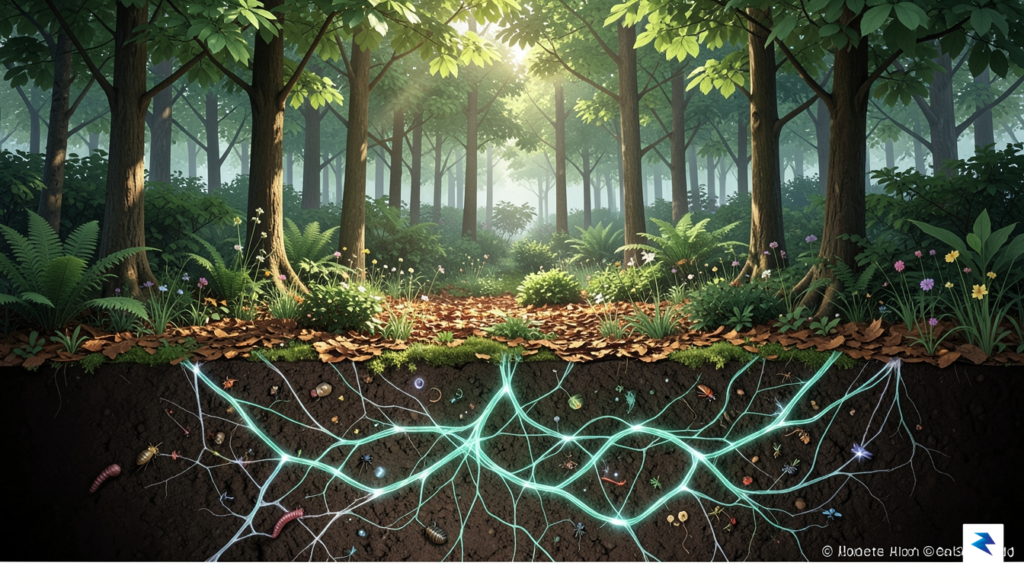
This unprecedented data set marks a pivot point for environmental policy, shifting our focus from passive land preservation to active ecological restoration. With this map, conservationists can now move beyond guesswork, identifying “high-value” soil zones that act as critical hubs for carbon sequestration and biodiversity resilience. Instead of protecting arbitrary parcels of land, we can prioritize the preservation of areas with high fungal density, which serve as the biological engines for forest regeneration. When we protect these hotspots, we are not just saving trees; we are safeguarding the living infrastructure that allows forests to adapt to a changing climate, withstand drought, and recover from disturbances. This map allows us to target our limited conservation resources toward regions where the fungal network is strong enough to support long-term ecological viability.
The health of our planet’s future is not written in the leaves of the canopy, but in the intricate, silent connections maintained by fungal networks deep within the soil.
The urgency of integrating this data into international policy cannot be overstated, especially as current industrial practices continue to devastate the soil microbiome. Modern intensive agriculture, characterized by heavy tilling and the overuse of fungicides and synthetic fertilizers, acts as a wrecking ball to these delicate underground structures, often turning biologically rich earth into sterile substrate. Similarly, deforestation does not just remove trees; it destroys the fungal networks that took centuries to build, making natural regeneration nearly impossible. By incorporating soil microbial health into international environmental frameworks—such as the Convention on Biological Diversity—policymakers can mandate stricter protections for soil integrity. If we treat the fungal network as a critical natural asset, we can transition from a model of ecological exploitation to one of regeneration, ensuring that the foundation of life on Earth is finally afforded the respect it deserves.
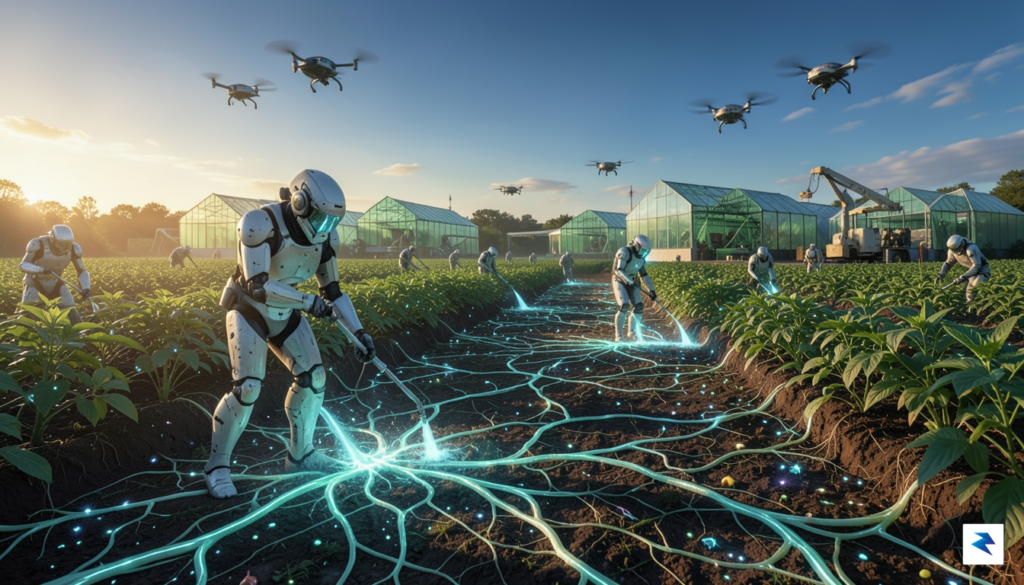
The insights gleaned from mapping Earth’s subterranean fungal networks herald a transformative era for agricultural practices, moving us away from our heavy reliance on synthetic chemicals. For decades, conventional farming has prioritized quick yields through artificial fertilizers and pesticides, often at the expense of long-term soil health and environmental integrity. However, armed with a deeper understanding of specific fungal species and their symbiotic relationships with plants, we can cultivate crops that are inherently more robust and self-sufficient. Imagine fields where carefully selected mycorrhizal fungi enhance nutrient absorption, dramatically reducing the need for external phosphorus and nitrogen, while simultaneously boosting plants’ resistance to drought and disease. This biological approach not only promises healthier, more productive soils but also offers farmers significant economic advantages by lowering input costs and contributes to a more sustainable food system that works with nature, not against it.
Beyond the farm gate, this groundbreaking research offers equally profound implications for large-scale ecosystem restoration projects. Reforesting degraded landscapes, rehabilitating former mining sites, or revitalizing desertified regions often faces an uphill battle because the crucial microbial foundation necessary for plant life is absent or severely depleted. Here, the strategic application of bio-inoculants – tailored blends of beneficial fungal communities – emerges as a powerful new tool. By introducing the correct fungal partners into barren soils, we can accelerate the establishment of pioneer plant species, improve soil structure, and kickstart the complex ecological succession processes that lead to thriving ecosystems. This targeted approach promises to significantly enhance the success rates of restoration efforts, making it possible to reclaim vast tracts of land that were once considered beyond repair and fostering biodiversity where it has been lost.
Looking ahead, the ongoing exploration and mapping of these intricate fungal highways will fundamentally reshape our approach to human-driven ecosystem management. This initial global map provides an invaluable baseline, enabling scientists to track changes in fungal distributions, predict ecosystem vulnerabilities to climate shifts or pollution, and ultimately design more resilient landscapes. Future research will undoubtedly focus on developing sophisticated diagnostic tools to assess soil health and identify specific fungal deficiencies, leading to personalized ‘prescriptions’ for agricultural fields or restoration sites. Ultimately, this represents a paradigm shift towards a sophisticated form of ecological engineering, where we leverage the planet’s own biological machinery to address pressing environmental challenges, ensuring the long-term health and stability of our global ecosystems through informed microbial stewardship.
You must be logged in to post a comment.