The Wood Wide Web: Scientists Unveil the First Global Map of Earth’s Hidden Fungal Network
The Wood Wide Web: Unveiling the Earth's Hidden Mycorrhizal Map For untold millennia, an intricate, vital infrastructure has silently…

For decades, the gaming industry was defined by the visceral intensity of the “console wars,” a period where hardware loyalty was the cornerstone of the Xbox identity. Gamers associated the brand with high-octane exclusives, a rugged aesthetic, and a commitment to pushing the boundaries of what a dedicated living-room machine could achieve. However, that era has effectively evaporated, replaced by a nebulous “services-first” model that prioritizes Game Pass subscriptions over individual hardware sales. While this pivot was initially hailed as a revolutionary approach to accessibility, it has inadvertently eroded the very foundation of what made Xbox a distinct pillar of the industry. In the pursuit of ubiquity across PC, cloud, and competitor platforms, Microsoft seems to have lost the narrative thread that once compelled players to choose an Xbox console as their primary gaming home.
The most jarring evidence of this identity crisis is the recent restructuring of Microsoft’s internal development teams, most notably the closure of beloved studios like Tango Gameworks. To many fans, the shuttering of a studio responsible for critical darlings like Hi-Fi Rush suggests that the company is no longer interested in fostering creative legacy or taking risks on unique, smaller-scale titles. Instead, there is a pervasive fear that efficiency and short-term metrics have become the primary drivers of decision-making. By prioritizing cost-cutting and aggressive multi-platform expansion, Microsoft is signaling to its core audience that the prestige of its exclusive library is secondary to the goal of turning Xbox into a software-agnostic ecosystem. This strategy may appease shareholders, but it leaves the dedicated fanbase wondering what, if anything, remains exclusive to the brand.
The pivot toward a platform-agnostic model has transformed Xbox from a dedicated hardware destination into a service provider, leaving long-term fans to question the necessity of owning the company’s consoles at all.
Ultimately, this transition represents a fundamental shift in how Xbox views its own place in the market. By actively de-emphasizing the console as the center of the experience, the brand is effectively commoditizing itself. While the shift to a services-first model offers immediate revenue stability, it risks alienating the passionate community that historically buoyed the brand during its most challenging years. As the lines between platforms blur, Xbox is finding that its greatest asset—its identity—is becoming increasingly difficult to define. Whether this current trajectory leads to a sustainable future or a permanent dilution of the brand remains the most pressing question in gaming today, and for many, the answer has become uncomfortably murky.

For years, Microsoft positioned Xbox Game Pass as the ultimate “Netflix of gaming,” a revolutionary value proposition that promised to disrupt the industry by putting hundreds of titles in the hands of players for a flat monthly fee. However, the current reality suggests that the service is rapidly approaching a formidable growth ceiling. As the library swells with acquired studios and back-catalog titles, the sheer cost of maintaining such high-value output is beginning to conflict with the fundamental economics of the gaming business. The company is now caught in a precarious balancing act: they must keep the subscription attractive enough to retain existing users, yet they are increasingly forced to raise prices to offset the immense overhead of development and content acquisition. This dynamic has left the brand in a state of stagnation, where the influx of new subscribers no longer offsets the churn caused by rising costs and a perceived decline in the “day-one” value proposition.
The tension between offering blockbuster day-one releases and driving traditional, full-price hardware and software sales has created a significant identity crisis for Xbox. When a flagship title is available for a subscription fee that costs less than a single premium game, the incentive for consumers to purchase hardware or individual software copies diminishes significantly. This cannibalization of traditional revenue streams forces Microsoft to lean even harder into the subscription model, yet market data indicates that the broader gaming audience is becoming increasingly wary of “subscription fatigue.” Consumers are now more selective about their recurring monthly expenses, and when the price of entry climbs, the “too good to be true” allure of Game Pass begins to lose its shine, making it harder to convert casual players into long-term, high-paying members.
The reliance on a subscription-first strategy has inadvertently devalued the perception of individual game ownership, leaving Xbox in a position where growth is no longer guaranteed by content alone, but rather by the unsustainable burden of constant expansion.
Ultimately, the plateau in subscriber numbers points to a fundamental market shift where the ceiling is not just a temporary hurdle, but a symptom of saturation. The initial phase of Game Pass was fueled by early adopters and high-velocity content additions, but the current phase requires convincing a more skeptical, cost-conscious audience that the service remains essential. As Microsoft continues to experiment with tier structures and price adjustments, they risk alienating the very user base that propelled the service to its initial success. Without a clear path to balance the high-stakes production of AAA titles against the shrinking margins of a saturated subscription market, Xbox faces a difficult realization: the model that was supposed to save the brand may now be the very thing limiting its future flexibility and financial health.
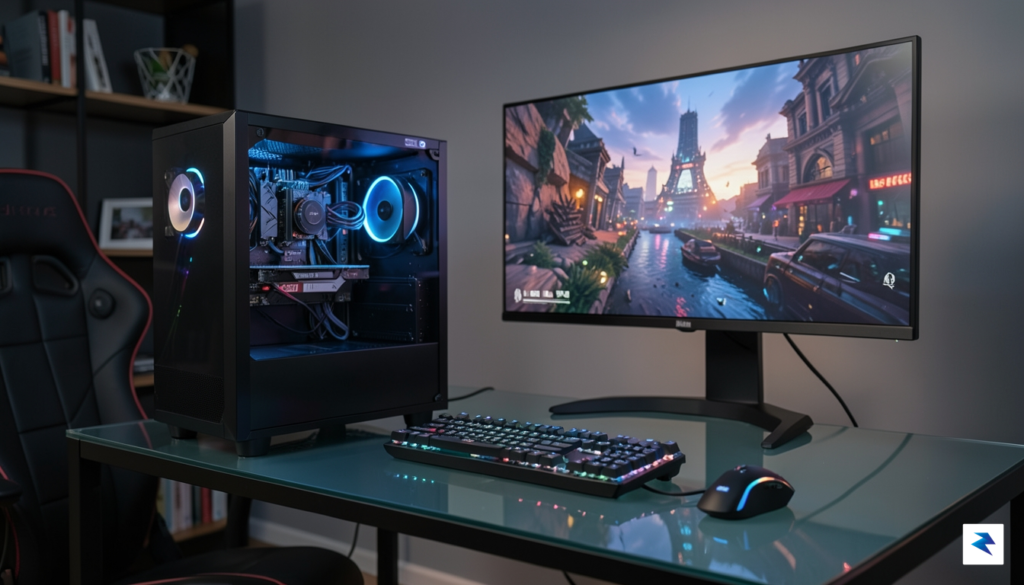
The gaming landscape has undergone a dramatic transformation, and the traditional console model, once the undisputed king of home entertainment, now finds itself struggling to maintain its relevance. For decades, the allure of dedicated gaming hardware was undeniable; a specific box was often the only gateway to a curated library of cutting-edge experiences. However, the rise of powerful, versatile PCs and the ubiquitous convenience of mobile and portable gaming devices have fundamentally reshaped player expectations. Gamers today often prioritize flexibility and accessibility, choosing platforms that fit into their diverse lifestyles rather than being tethered to a single, stationary device. This shift has created a challenging environment for manufacturers who have historically relied on a hardware-first approach.
Microsoft, in particular, has navigated this evolving market with a strategic pivot that, while broadening its ecosystem, has inadvertently diminished the unique selling proposition of its Xbox console hardware. By increasingly pushing its flagship games to PC, integrating cloud streaming capabilities, and even exploring releases on rival consoles, the company has effectively de-prioritized console exclusives. This decision, while a boon for Game Pass subscriptions and reaching a wider audience, simultaneously reduces the incentive for a player to specifically invest in an Xbox Series X or S. When titles like *Starfield* or *Halo Infinite* are readily available on a high-end gaming PC or streamable on a smart TV, the necessity of owning a dedicated Xbox console becomes less compelling for the average consumer.
Consequently, the core question for many players is no longer “Which console should I buy to play these games?” but rather “What’s the most convenient way for me to access Microsoft’s gaming services?” This strategic trade-off has been a double-edged sword, expanding Xbox’s reach far beyond its own hardware but simultaneously blurring the identity of the console itself. Unlike Nintendo, which offers a unique portable-hybrid experience, or PlayStation, which largely maintains a strong lineup of hardware-exclusive first-party titles, the Xbox console risks becoming merely one of many access points to a service that exists everywhere else. This makes it difficult for the hardware to stand out in a crowded market where device-agnostic gaming is becoming the norm.
Looking ahead, this raises profound questions about the future of the Xbox brand. Could a future “Xbox” exist entirely as a software layer, a suite of services and subscriptions available on a multitude of devices ranging from smart TVs and smartphones to rival gaming machines and PCs? Such a paradigm would be the logical conclusion of Microsoft’s current trajectory, transforming Xbox from a hardware manufacturer into a pure platform and content provider. While this would offer unparalleled accessibility and potentially an even larger audience, it would also mean shedding the physical identity that has defined the brand for over two decades, leaving the traditional console itself as a relic of a bygone era.
The aggressive acquisition strategy employed by Microsoft over the past several years—most notably the multi-billion dollar absorption of Bethesda Softworks and Activision Blizzard—was initially framed as a transformative moment for the gaming industry. On paper, the consolidation promised a robust ecosystem where legendary intellectual properties would thrive under the seemingly bottomless financial backing of a tech giant. However, the reality of this integration has proven far more turbulent. Rather than ushering in a golden age of limitless creative output, the primary focus has shifted toward a cold, corporate mandate of organizational efficiency. This realignment has resulted in widespread layoffs and a massive restructuring effort that has left many fans wondering if the unique, idiosyncratic “soul” of these beloved studios is being systematically dismantled in the name of shareholder value.
The central tension lies in the clash between the rigid, quarterly-focused expectations of corporate oversight and the inherently volatile, long-term nature of artistic development. Independent-minded studios—many of which were once defined by their rebellious spirit or their willingness to take high-stakes creative risks—now operate under a heavy layer of administrative bureaucracy. When creative teams are forced to prioritize “synergy” and platform-specific metrics over the organic, iterative process of game design, the result is often a homogenization of the final product. This shift is not merely about project management; it is about the loss of identity. When a studio is converted into a mere cog within a massive, platform-agnostic machine, the specific culture that once nurtured masterpieces begins to wither, replaced by a standardized workflow that favors predictable engagement loops over genuine innovation.
The true cost of mass consolidation is not measured in dollars, but in the dilution of the creative autonomy that once defined the industry’s most influential developers.
Furthermore, the human toll of these rapid-fire acquisitions cannot be overstated. Each round of layoffs represents a loss of institutional knowledge, mentorship, and the lived experience that informs the “magic” of game development. When veteran developers are let go because their roles are deemed redundant in a newly merged entity, the studio loses more than just a headcount; it loses the collective memory of how to solve complex design problems. This cycle of acquisition followed by contraction creates a climate of instability that stifles the very creative courage Microsoft claims to value. Ultimately, if Xbox continues to prioritize the scale of its portfolio over the health of the individual cultures that inhabit it, the brand risks becoming a vast, empty library of content—possessing all the titles in the world, yet lacking the distinct creative voice that actually keeps players invested.

The current state of the Xbox brand is defined by an identity crisis that has left both investors and long-time enthusiasts questioning the platform’s ultimate purpose. Years of aggressive studio acquisitions and the pursuit of Game Pass growth have created a bloated ecosystem that struggles to balance premium hardware sales with a platform-agnostic service model. To move forward, Microsoft must address the erosion of brand trust caused by inconsistent release schedules, the shuttering of beloved studios, and a perceived lack of clear focus regarding the future of console gaming. The core challenge lies in reconciling the desire to be everywhere—from PC and cloud to rival consoles—with the need to provide a compelling reason for players to invest in a dedicated Xbox machine.
Regaining footing requires more than just high-quality software; it demands a strategic pivot toward fiscal sustainability and coherent messaging. If Microsoft intends to remain a viable platform holder, it must stop treating its hardware as an afterthought to its subscription services. This means prioritizing “system sellers”—distinctive, high-fidelity titles that utilize the full power of the current hardware—rather than relying solely on a library of legacy games. Furthermore, the company must stabilize its creative health by fostering a culture that values long-term artistic vision over short-term subscription metrics. By empowering its internal studios to deliver consistent, polished experiences, Microsoft can begin to rebuild the damaged bridge between its corporate strategy and the expectations of its player base.
The true test for Xbox is not whether they can grow their subscriber count, but whether they can maintain a distinct brand identity in a market that increasingly favors platform-agnostic convenience over hardware loyalty.
Ultimately, the “everything, everywhere” strategy represents a high-stakes gamble that could either redefine the industry or signal a quiet retreat from the console wars. While transitioning into a third-party publisher would certainly provide short-term profitability through wider software distribution, it risks alienating the dedicated fanbase that has anchored the brand for two decades. Microsoft is currently walking a tightrope; if they lean too far into the service-first model, the Xbox console becomes an obsolete relic. Conversely, if they fail to modernize their reach, they will remain trapped in a shrinking corner of the gaming market. The path forward demands a decisive commitment: either fully embrace the role of a premier platform provider that champions its hardware, or accept that the era of the traditional console is ending and lean entirely into the publisher-service model. Anything less will only prolong the current state of confusion and dissatisfaction.
You must be logged in to post a comment.