Nintendo to Discontinue Original Switch in Europe: What You Need to Know
The End of an Era: Original Switch Discontinuation The gaming landscape is on the verge of a significant transformation as Nintendo officially…
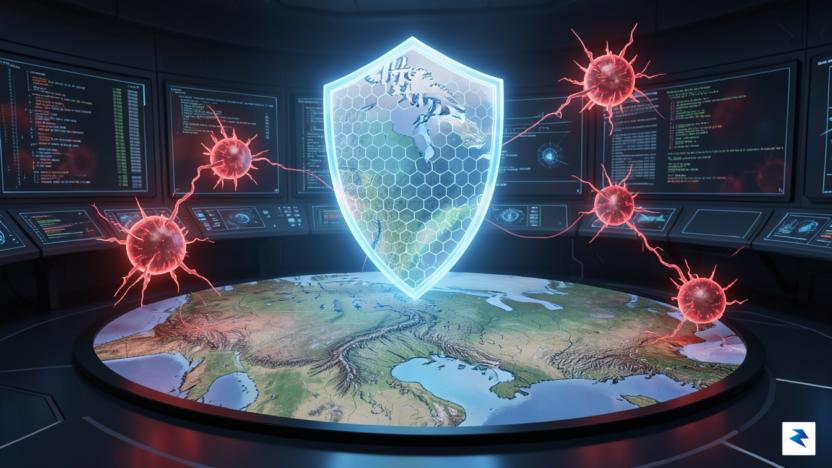

For decades, Canada’s intelligence apparatus functioned primarily as a digital sentinel, a passive observer tasked with intercepting communications and mapping the complex web of global threats from the sidelines. This traditional model of signals intelligence was predicated on the belief that monitoring and analysis were sufficient to inform policymakers and protect the nation. However, the rapidly evolving landscape of digital warfare—characterized by the rise of borderless ransomware syndicates and sophisticated extremist networks—has rendered this observational approach increasingly obsolete. The Communications Security Establishment (CSE) has recognized that simply watching these actors navigate the digital ecosystem is no longer enough to ensure national security; instead, the agency has undergone a fundamental strategic pivot toward active cyber operations (ACO).
This transition represents a move from the defensive perimeter to the offensive front line. By engaging in active cyber operations, the CSE is no longer merely documenting the behavior of malicious entities; it is now proactively dismantling their infrastructure, disrupting their command-and-control channels, and neutralizing threats before they ever touch Canadian soil. This is not a shift toward indiscriminate aggression, but a calculated response to the reality that modern adversaries operate with high velocity and impunity. When a ransomware gang can cripple critical infrastructure in a matter of hours, waiting for a formal investigation is a luxury that national security can no longer afford.
The evolution of active cyber operations marks a new era where Canadian intelligence actively shapes the digital battlefield rather than simply reporting on its casualties.

The necessity of this proactive disruption stems from the unique nature of transnational threats. Unlike state-sponsored espionage, which often leaves a long trail for analysts to follow, cybercriminals and extremist groups operate in fragmented, ephemeral environments that can vanish or relocate the moment they sense intrusion. Active intervention allows the CSE to get inside the “OODA loop”—the observe, orient, decide, act cycle—of these organizations, effectively forcing them into a defensive posture of their own. By systematically degrading their capabilities, Canada is not only protecting its own digital borders but is also contributing to a global norm where these actors can no longer expect safe harbor in the dark corners of the internet.
Ultimately, this strategic shift signifies a maturing national security doctrine that prioritizes resilience and prevention. While passive monitoring remains a vital component of intelligence gathering, the integration of ACO tools provides a necessary mechanism for deterrence. By demonstrating the capacity to strike back and disrupt the operations of those who seek to harm Canadians, the CSE is signaling that the digital realm is no longer a cost-free playground for bad actors. This proactive stance ensures that Canada remains a formidable player in the international security arena, capable of evolving as quickly as the threats that challenge it.

The Communications Security Establishment (CSE) has historically operated in the shadows, but its latest annual report pulls back the curtain on a more assertive posture in cyberspace. By moving beyond traditional passive intelligence gathering, the agency is actively engaging in offensive operations designed to neutralize threats before they can cause widespread harm to Canadians. This shift represents a strategic evolution in national security, signaling to global adversaries that Canada’s digital infrastructure is no longer a passive target that can be exploited with impunity.
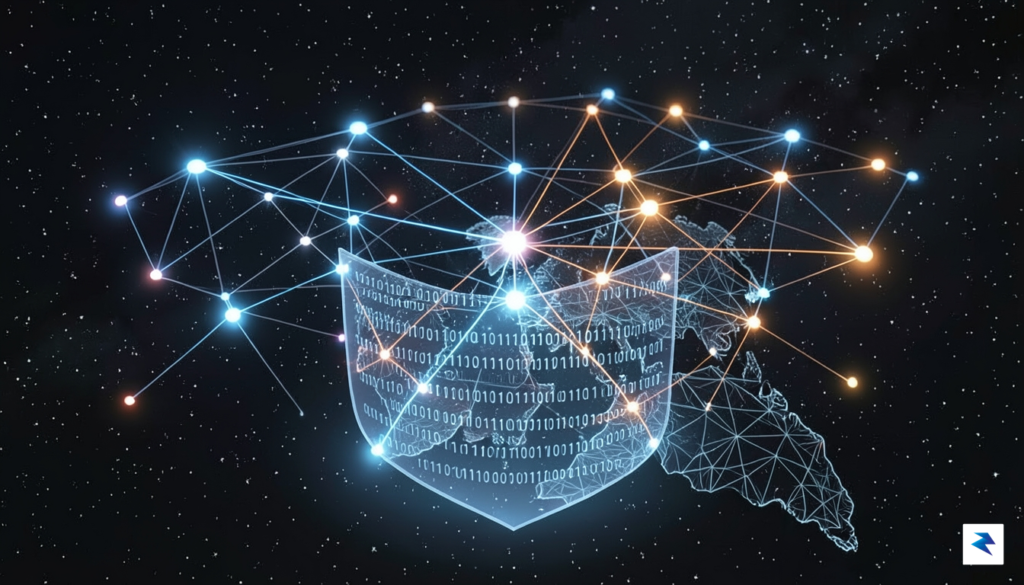
The agency’s recent offensive campaigns have zeroed in on three primary pillars of modern digital volatility: sophisticated drug trafficking rings, radical extremist networks, and the burgeoning industry of ransomware syndicates. Dealing with these entities requires a high degree of technical precision, as the CSE must often infiltrate heavily encrypted communication channels and decentralized command structures. For instance, in the battle against ransomware operators, the agency does not merely observe the extortion attempts; it seeks to degrade the adversary’s infrastructure, effectively “hacking the hackers” by disrupting their command-and-control servers and preventing the deployment of malicious payloads.
Executing these operations is an incredibly complex endeavor that balances technical capability with rigorous legal oversight. When the CSE targets an extremist group or a transnational criminal organization, it must navigate a landscape of shifting IP addresses, obfuscated traffic, and sophisticated malware designed to evade detection. The challenge is not simply gaining unauthorized access to a system, but doing so without compromising the integrity of the broader internet or inadvertently alerting the target to the agency’s presence. This delicate dance requires the deployment of bespoke cyber tools that can disable an attacker’s infrastructure while leaving the surrounding digital environment untouched.
The transition from observing threats to actively sabotaging the infrastructure of bad actors marks a fundamental change in how Canada projects its authority in the digital domain.
Beyond the technical hurdles, this proactive approach serves as a powerful deterrent. By systematically dismantling the tools used by ransomware gangs to extort Canadian businesses and hospitals, the CSE forces these criminals to operate in a much more hostile environment. Similarly, by disrupting the digital platforms utilized by extremists for recruitment and coordination, the agency limits the ability of these groups to project influence or organize violence. As the digital and physical worlds become increasingly intertwined, this offensive mandate ensures that Canada remains capable of defending its citizens not just at the border, but within the very networks that power modern life.

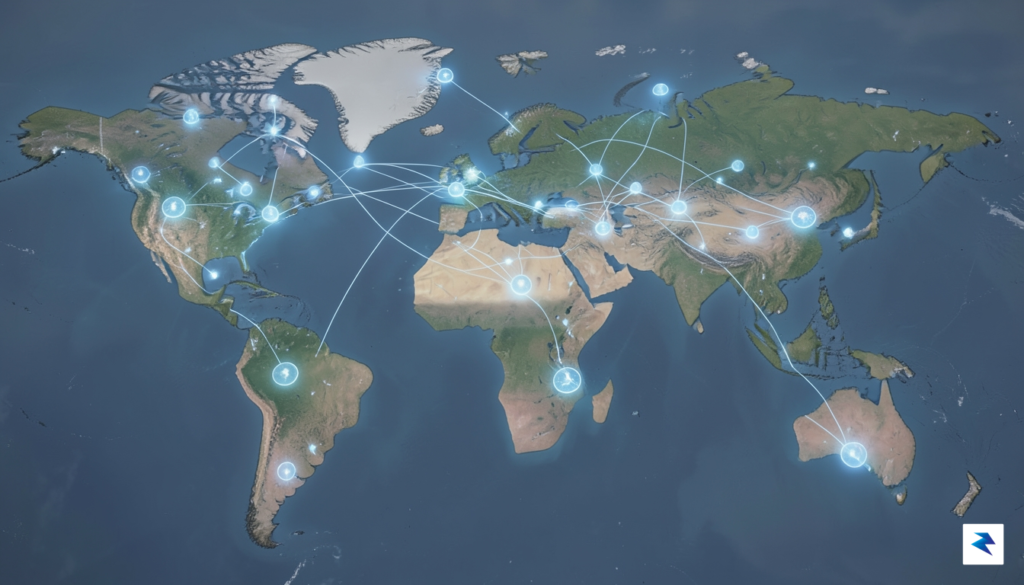
In the modern geopolitical landscape, the traditional boundaries of national security have dissolved, replaced by a fluid, interconnected digital battlefield where cyber resilience is now the primary line of defense. When Canadian intelligence agencies undertake operations to neutralize a ransomware gang or disrupt extremist communication channels, the impact extends far beyond domestic borders. These tactical interventions are essential components of a broader, collaborative strategy shared among the “Five Eyes” intelligence alliance—comprising Canada, the United States, the United Kingdom, Australia, and New Zealand. By actively engaging in these high-stakes digital operations, Canada not only shields its own citizens but also reinforces the collective security architecture that protects the global digital economy from systemic collapse.
The economic ramifications of these intelligence-led disruptions cannot be overstated, particularly when considering the sophisticated threat actors targeting our most vulnerable systems. Ransomware gangs have evolved into highly organized criminal enterprises that frequently strike at the jugular of modern society, including critical infrastructure, healthcare facilities, and fragile global supply chains. When Canadian operatives successfully infiltrate these networks, they effectively prevent the cascading economic failures that occur when hospitals are locked out of patient records or energy grids are held for ransom. By systematically dismantling these threats, Canada serves as a critical node in a global firewall, ensuring that the digital tools we rely on for daily commerce and essential public services remain operational and secure.
Cybersecurity is no longer a localized concern; it is a collaborative necessity where the proactive disruption of a single threat actor strengthens the resilience of the entire international community.
Furthermore, the effectiveness of these operations is rooted in the deep, collaborative nature of international intelligence sharing. Canada’s ability to act as a force multiplier for its allies relies on real-time data exchange and a shared commitment to maintaining a stable, rules-based digital order. As threats become increasingly transnational, the silos that once separated domestic policing from international intelligence have largely vanished. Through coordinated efforts, the Communication Security Establishment (CSE) and its partners ensure that the cost of conducting cyber-attacks remains prohibitively high for bad actors. Ultimately, these operations demonstrate that in the 21st century, the most effective way to secure the nation is to be an active, vigilant participant in the global defense of our shared digital infrastructure.

The transition toward offensive cyber operations represents a paradigm shift for agencies like the Communications Security Establishment (CSE), moving from a traditional posture of passive signal intelligence to active disruption. This evolution is governed by the Communications Security Establishment Act, which provides a rigorous legislative mandate for conducting cyber operations against foreign targets. However, wielding such power in the digital domain is not a license for unchecked authority; rather, it requires a precise balance between the necessity of national security and the protection of fundamental civil liberties. Because the digital landscape is inherently borderless, every intrusion must be carefully weighed against the risk of unintended collateral damage to private infrastructure or the privacy of non-targeted citizens.
To ensure that these operations remain within the bounds of democratic principles, Canada employs a multi-layered oversight framework designed to prevent the abuse of power. The Intelligence Commissioner, an independent judicial officer, must review and approve any ministerial authorization for active cyber operations to ensure they are both reasonable and legally compliant. Furthermore, the National Security and Intelligence Review Agency (NSIRA) conducts comprehensive reviews of agency activities, ensuring that the CSE’s methods remain transparent and accountable to Parliament. These mechanisms serve as a critical check, transforming what could be a shadowy exercise of power into a structured process grounded in law and public accountability.

Central to the ethics of these operations is the concept of “proportionality.” In the context of cyber warfare, this means that the anticipated intelligence or security gain must significantly outweigh the potential for disruption or harm to the target’s environment. When the CSE targets a ransomware gang or extremist network, they are not merely “hacking” in the colloquial sense; they are performing a surgical strike intended to neutralize a specific threat while minimizing the impact on the broader internet ecosystem. This principle is vital because the digital domain is highly interconnected, and a poorly calibrated operation could inadvertently destabilize civilian services or critical infrastructure.
The legitimacy of state-sponsored cyber action rests entirely on the agency’s ability to prove that its interventions are necessary, proportionate, and strictly controlled by the rule of law.
Ultimately, the move toward offensive cyber capabilities acknowledges the reality of the modern threat landscape, where ransomware groups and hostile actors operate with impunity behind screens. By legitimizing these interventions through clear legal frameworks, Canada seeks to deter malicious activity without sacrificing the core values of its democratic society. This ongoing evolution demands constant vigilance, as the tools of the digital age change rapidly, requiring oversight mechanisms that are as agile and sophisticated as the threats they are intended to mitigate.

The recent operations by the Communications Security Establishment (CSE) reveal a shifting paradigm in national defense, where the front lines are no longer confined to borders but exist within the complex architecture of global networks. As intelligence agencies increasingly move to disrupt the infrastructure of ransomware gangs and extremist networks, threat actors are inevitably forced to evolve. We are entering an era of heightened technical sophistication, where cyber-criminal syndicates will likely abandon centralized servers in favor of decentralized, peer-to-peer architectures that are far more resilient to state-sponsored intervention. This cat-and-mouse game has become the defining feature of modern statecraft, compelling agencies to invest heavily in predictive analytics to stay ahead of adversaries who are learning to hide in the encrypted noise of the global internet.

Central to this escalating conflict is the rapid integration of artificial intelligence, which promises to act as both a shield and a sword. On the side of the attackers, AI-driven automation will enable the creation of highly personalized phishing campaigns and polymorphic malware capable of evading traditional signature-based detection systems. Conversely, for agencies like the CSE, artificial intelligence is indispensable for processing the massive influx of data required to identify anomalous patterns in real-time. The future of cyber warfare will likely be decided by which side can better leverage machine learning to automate the discovery of zero-day vulnerabilities. This technological arms race suggests that future disruptions will happen at speeds far beyond human reaction time, necessitating a more autonomous, AI-augmented defensive posture.
The integration of autonomous systems into intelligence operations is not merely a tactical advantage; it is a fundamental shift in how nations project power and defend their critical digital infrastructure against non-state actors.
As these operations become more frequent and impactful, the question of institutional transparency becomes paramount for maintaining public trust. While it is understandable that sensitive intelligence methods must remain classified to ensure operational success, a complete lack of accountability risks alienating the citizens these agencies are sworn to protect. By offering limited, high-level disclosures about their successes against ransomware and extremism, the CSE is setting a necessary precedent for democratic oversight in the digital age. Moving forward, the balance between absolute secrecy and public disclosure will be the ultimate test of our intelligence community. Ensuring that the public understands the necessity of these interventions—while remaining confident in the legal frameworks governing them—will be the most effective defense against the misinformation campaigns often deployed by our adversaries to sow discord.
You must be logged in to post a comment.