
Partiful: Can the Viral Party Planner Keep Its Edge?
The Evolution of Event Planning: Beyond the Paper Invite The art of gathering has undergone a seismic shift, moving away from the tactile…
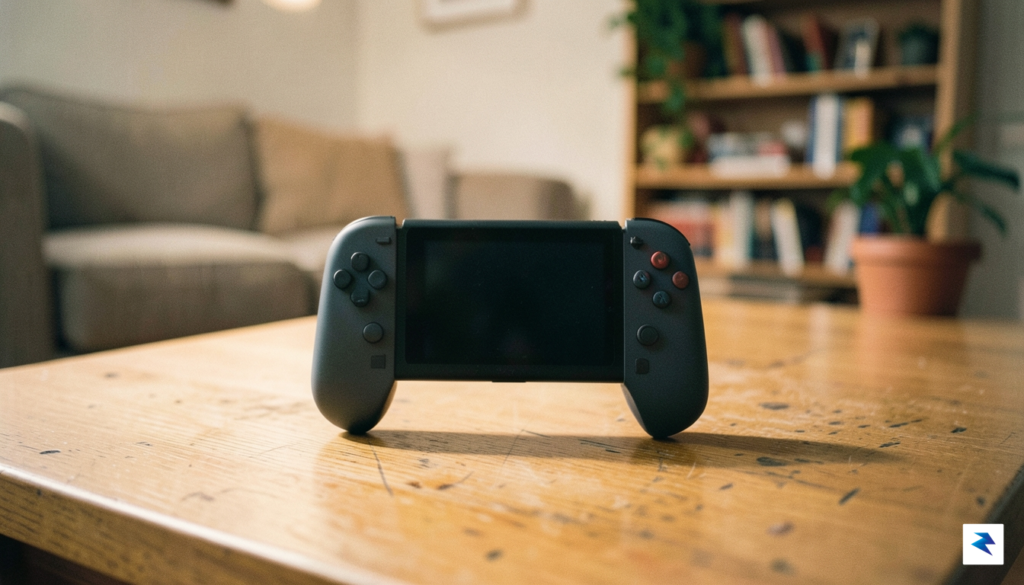
The gaming landscape is on the verge of a significant transformation as Nintendo officially prepares to phase out the original Switch model within the European market. According to recent updates found in the company’s European FAQ documentation, this legendary console—which first launched in March 2017—is nearing the end of its commercial availability. For nearly eight years, the Switch has stood as a hallmark of hybrid innovation, successfully bridging the gap between home console performance and portable convenience. This announcement acts as a formal acknowledgment from Nintendo that the current hardware cycle is drawing to a close, marking a definitive shift in strategy as the company turns its focus toward the inevitable arrival of next-generation hardware.
When the original Switch debuted in 2017, it faced skepticism from critics who questioned whether a single device could truly satisfy both the handheld and docked gaming demographics. However, the system defied those expectations, becoming a cultural phenomenon that redefined how we interact with our favorite digital worlds. Its success was built on a foundation of iconic titles and a hardware design that felt both daring and intuitive. As we look back on this timeline, it is clear that the original unit served as the backbone for one of the most successful console lifecycles in history, fostering a massive ecosystem that transformed Nintendo from a struggling hardware manufacturer into a dominant force in the global market once again.
The transition away from the original Switch model is not merely a logistical update; it represents the natural conclusion of a product lifecycle that has fundamentally altered the trajectory of modern video games.
While the news of this discontinuation might feel bittersweet for long-time fans who associate the hardware with their favorite gaming memories, it is a necessary evolution for a company looking to maintain its momentum. Technological advancements in the industry move at a rapid pace, and the original internal specifications of the 2017 model have naturally reached their limit in terms of supporting the latest, most graphically demanding software. By narrowing its hardware focus, Nintendo is effectively clearing the stage for the future. This decision highlights a calculated effort to unify the player base around more current iterations of the hardware, ensuring that the transition to whatever lies on the horizon is as seamless as possible for both developers and consumers across Europe.

The decision to retire the original Nintendo Switch model in Europe is far from a spontaneous move; rather, it represents a calculated strategic pivot designed to streamline Nintendo’s global operations. After nearly eight years on the market, the original console has achieved a level of ubiquity that makes it difficult to justify the continued overhead of maintaining its unique production lines. By phasing out the legacy hardware, Nintendo is effectively clearing the path to consolidate its manufacturing logistics, allowing the company to redirect resources toward more efficient production processes. This transition acknowledges that the market has reached a saturation point where keeping an aging, less cost-effective model in circulation creates unnecessary complexity in the supply chain.
One of the primary drivers behind this shift is the ongoing evolution of component scarcity and manufacturing costs. When the Switch first launched, the supply chain was calibrated for specific parts that, while revolutionary at the time, have since become increasingly difficult or expensive to source in consistent volumes. As newer display technologies and more power-efficient processors have become the industry standard, maintaining the original model’s legacy architecture requires a disproportionate amount of attention from suppliers. By narrowing the hardware focus, Nintendo can better manage its inventory, reduce the risk of component bottlenecks, and ensure that their manufacturing partners are utilizing the most modern and reliable assembly techniques available.
Discontinuing the original model isn’t just about clearing shelf space; it is a fundamental rebalancing of resources to support the next generation of gaming experiences.
Furthermore, the business logic of this decision centers on optimizing the consumer experience by reducing marketplace fragmentation. When a company offers too many variations of a single product, it can inadvertently confuse potential buyers and dilute the brand’s messaging. By shifting the focus exclusively to the OLED and Lite models, Nintendo simplifies the retail landscape, making it easier for consumers to navigate their purchase options without the clutter of a legacy device that lacks the refinements of its successors. This move suggests that Nintendo is preparing to focus its manufacturing might on hardware that offers the highest margins and the best technical performance, ultimately setting the stage for future hardware announcements without the burden of supporting outdated stock.
Ultimately, this change represents a necessary maturation of the Switch ecosystem. As the company looks toward its future, the consolidation of manufacturing lines serves as a vital step in maintaining profitability while continuing to deliver high-quality gaming experiences. By choosing to phase out the original model now, Nintendo is proactively managing its portfolio, ensuring that their logistics remain lean and responsive as they transition toward their next major hardware endeavor.
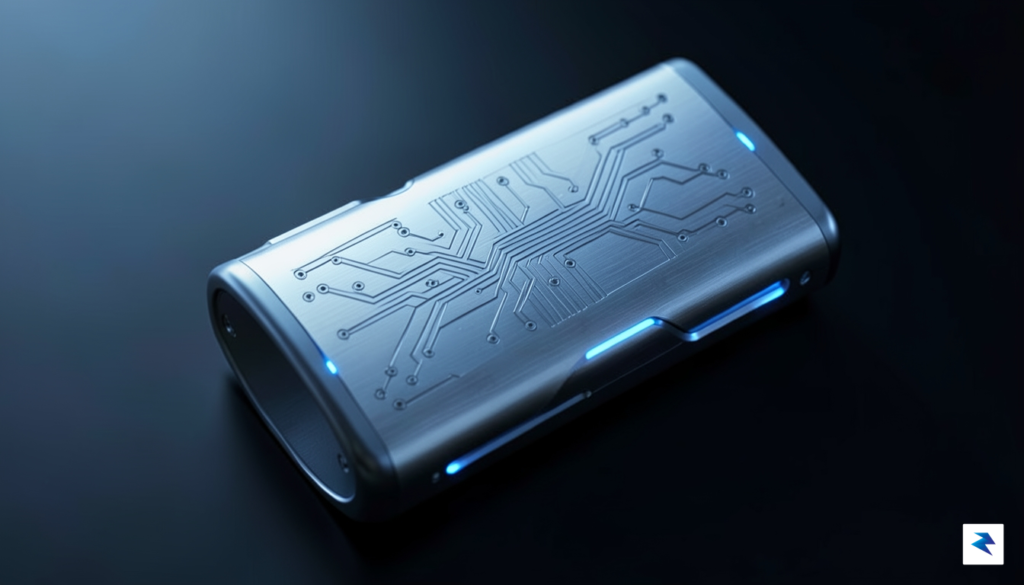
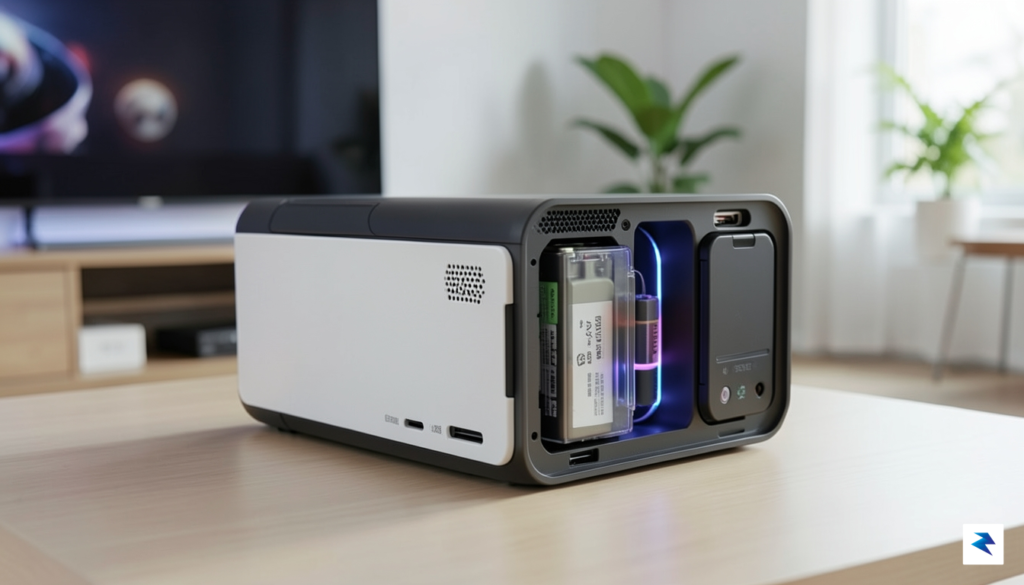
As Nintendo prepares to phase out the original Switch model in European markets, the conversation is shifting from legacy hardware to the company’s long-term environmental strategy. Rumors circulating within the industry suggest that future iterations of Nintendo’s console architecture may embrace more sustainable design philosophies, most notably the implementation of user-replaceable batteries. For years, the gaming industry has been criticized for creating “planned obsolescence,” where integrated batteries eventually degrade and render a device effectively useless once they can no longer hold a charge. By pivoting toward a design that allows players to easily swap out power cells, Nintendo is signaling a significant departure from the sealed-unit approach that has defined the Switch ecosystem until now.
This potential shift aligns perfectly with the growing global “Right to Repair” movement, which advocates for consumer electronics that are durable, repairable, and built to last. When manufacturers design devices that are intended to be serviced rather than replaced, they significantly reduce electronic waste and lower the total cost of ownership for the consumer. Beyond the environmental benefits, this evolution in hardware design fundamentally alters the user experience. Instead of having to send a console to a service center or upgrade entirely when battery performance inevitably wanes, players could simply purchase a replacement part, thereby extending the lifespan of their device by several years. This is a meaningful step toward sustainability that acknowledges the value of long-term hardware ownership.
Prioritizing modular design in future consoles not only addresses environmental concerns but also fosters a stronger, more trusting relationship between hardware manufacturers and their dedicated communities.
Furthermore, the environmental footprint of gaming consoles is a complex issue that spans from raw material extraction to end-of-life disposal. By adopting more modular components, Nintendo can significantly decrease the carbon impact associated with shipping new units to replace old ones. If the next iteration of the Switch prioritizes repairability, it sets a new standard for the gaming industry, challenging competitors to reconsider their own manufacturing practices. This transition reflects a broader recognition that modern technology companies must balance innovative design with a commitment to planetary health. Ultimately, if these rumored design choices come to fruition, they will solidify the next generation of Nintendo hardware not just as a leap in performance, but as a more responsible and enduring piece of consumer technology.
If you are currently residing in Europe and find yourself deliberating over a Nintendo Switch purchase, the impending discontinuation of the original model marks a significant turning point in the console’s lifecycle. For those who still prefer the classic design, the coming months represent your final opportunity to purchase a brand-new unit from authorized retailers before inventory begins to dwindle permanently. If you have been waiting for a sale or a price drop, it is highly advisable to act sooner rather than later, as official stock will inevitably transition toward newer revisions and hardware successors. Keep a close eye on local electronics stores and major online marketplaces, as retailers will likely look to clear their shelves to make room for future inventory, potentially leading to final clearance opportunities before the original hardware becomes a secondary-market exclusive.
For current owners who have already invested in the system, it is important to understand that the discontinuation of sales does not equate to an abandonment of support. Nintendo has a long-standing history of maintaining service for its hardware long after it leaves the retail market; therefore, you should not worry about your console suddenly becoming obsolete or unsupported. Your existing warranty remains fully valid according to the terms provided at the time of your purchase, and Nintendo’s official repair channels will continue to provide service for hardware issues, battery replacements, and software troubleshooting for the foreseeable future. If you encounter technical difficulties, continue to utilize the official Nintendo support portal, as your consumer rights regarding repairs and parts remain protected under European consumer law.
Key takeaway: The end of retail sales for the original Switch model does not impact your current device’s functionality, online service access, or your eligibility for existing manufacturer warranties and professional repair support.
When considering whether to hold onto your current hardware or transition to a newer model, such as the OLED version or a potential future successor, you should evaluate your specific gaming habits. If you primarily play in handheld mode, the vibrant display and improved build quality of the OLED model offer a significant upgrade that justifies the transition even while your original console remains perfectly functional. Conversely, if your console spends most of its time docked to a television, the core performance remains largely identical across all standard Switch iterations. Before you decide to upgrade, consider the value of your current library, as your digital games and save data are tied to your Nintendo Account, making the transition to a new console a seamless process that requires only a simple system transfer.
When the Nintendo Switch first arrived in 2017, it arrived not just as a new piece of hardware, but as a fundamental shift in the philosophy of play. By seamlessly bridging the gap between the immersive power of a home console and the go-anywhere convenience of a handheld, Nintendo effectively dissolved the long-standing divide that had defined the industry for decades. The console’s hybrid design was a stroke of genius that allowed players to dock their device for a high-definition living room experience and then, with a simple motion, transition that same journey into a commute or a quiet moment on the couch. This fluidity redefined user expectations, proving that gamers no longer needed to choose between graphical fidelity and portability.
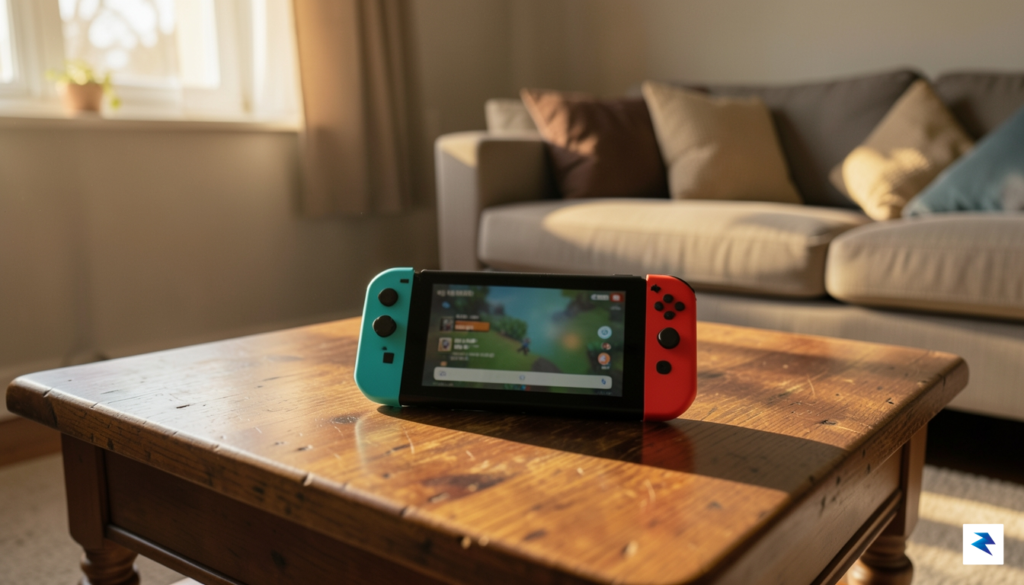
Beyond its innovative architecture, the Switch leaves behind a colossal software library that stands as one of the most impressive in gaming history. From the groundbreaking, open-ended exploration of The Legend of Zelda: Breath of the Wild to the communal joy found in titles like Mario Kart 8 Deluxe and Animal Crossing: New Horizons, the platform became a sanctuary for both blockbuster experiences and creative indie gems. This vast catalog ensured that the console remained relevant through every stage of its lifecycle, inviting a diverse audience that spanned from nostalgic long-time fans to a new generation of players who had never touched a controller before. It turned gaming into a truly social, accessible, and deeply personal hobby.
The true success of the original Switch was not found in raw processing power or high-end specifications, but in its ability to meet the player exactly where they were, regardless of their lifestyle.
As we look toward the future, the legacy of the original Switch is secure. It proved that in an industry often obsessed with ever-increasing hardware demands, there is immense value in thoughtful, user-centric design. By prioritizing the experience of gaming over the race for technical supremacy, Nintendo managed to capture the cultural zeitgeist in a way few other companies have ever achieved. The original model may be retiring from European shelves, but the standard it set—a standard of flexibility, joy, and uncompromising fun—will undoubtedly influence the design of consoles for many years to come. It serves as a reminder that the best gaming innovations are those that empower us to play more, play anywhere, and play together.
You must be logged in to post a comment.