
The Solo Developer’s Reality: Balancing Freedom with Total Responsibility
The True Reality of Solo Development Solo development is often painted as the ultimate frontier of creative independence, a dream where…

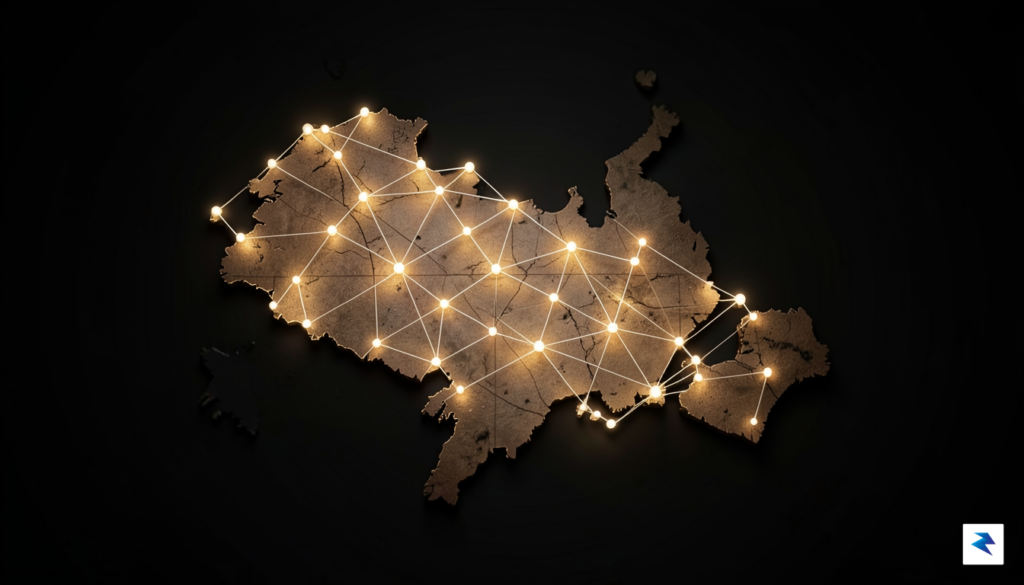
For populations living under the shadow of existential threat, the archive is far more than a collection of dusty records or bureaucratic files; it is the very bedrock of identity. When a people’s physical presence is challenged, history becomes a battlefield where the struggle for existence is fought through the preservation of memory. Historically, the systematic destruction of libraries, land deeds, and family photographs—a phenomenon scholars often describe as “archival violence”—has been used as a strategic tool to invalidate claims to land, culture, and heritage. By erasing the evidence of a past, aggressors attempt to render a population a “people without history,” thereby justifying their dispossession. In this context, the act of archiving is not a passive scholarly endeavor, but a radical, defiant form of resistance.

Physical archives are tragically vulnerable to the kinetic realities of conflict. Buildings can be bombed, libraries can be looted, and paper records can succumb to fire, water damage, or simple neglect in the chaos of displacement. Because of this fragility, the shift toward digital preservation has evolved from a convenience into a critical imperative for survival. By migrating cultural memory into the digital cloud, Palestinians are effectively decoupling their history from their geography. This digital pivot ensures that even if a home is razed or a community is scattered across the globe, the records of their existence—the marriage certificates, the maps of ancestral villages, and the oral histories of elders—remain accessible and immutable.
“When you erase the archive, you erase the narrative; when you preserve the archive, you secure the future.”
The Palestinian digital archive project stands as a necessary response to the systemic, decades-long effort to dismantle their historical record. It is a proactive strategy to counter the selective amnesia often imposed by colonial power structures. By utilizing decentralized servers, open-source databases, and collaborative cloud platforms, those involved in this project are building a “digital fortress” that cannot be silenced by a single point of failure. This work acknowledges that in the digital age, the most potent weapon against erasure is the ability to ensure that the stories of the displaced are not just remembered, but remain searchable, verifiable, and permanent. In doing so, these archivists are not merely documenting the past; they are safeguarding the legal and cultural scaffolding required for a future rooted in truth.

For years, the preservation of Palestinian history relied on fragile, centralized infrastructures—physical archives, local servers, and institutional databases that were inherently vulnerable to physical destruction or systemic censorship. Recognizing that a single point of failure could lead to the permanent erasure of their collective memory, activists have pivoted toward decentralized storage architectures. By moving away from traditional cloud silos and toward peer-to-peer protocols like the InterPlanetary File System (IPFS), the community is effectively fracturing their data into thousands of encrypted shards. These fragments are then distributed across a global network of nodes, ensuring that no single government, corporation, or military force can seize the “master switch” to delete the record.
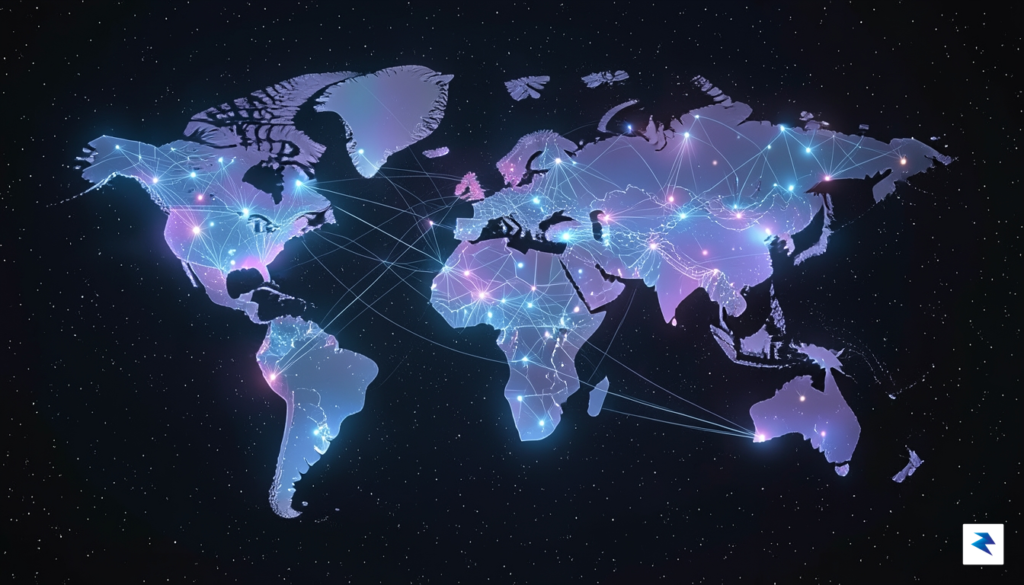
The technical brilliance of this approach lies in its resilience against localized shutdowns. In a standard centralized model, if a server is disconnected from the power grid or seized by authorities, the data hosted on it simply vanishes. In a distributed network, however, the content is not held in one place; instead, it exists as a collective entity shared by volunteers around the world. When a user requests a file, the system pulls pieces of that data from multiple peers simultaneously, rather than relying on a single host. If one node goes offline, the network automatically reroutes the request to another participant who holds a copy of the same information. This creates a self-healing ecosystem where the archive becomes more robust the more people participate in hosting it.
The strength of a decentralized archive is not found in a high-security vault, but in its ubiquity; by making history impossible to isolate, it becomes impossible to destroy.
This transition toward a borderless archive also leverages global solidarity. Volunteers from different continents—who may have no direct connection to the region—can allocate a portion of their own storage capacity to act as “mirrors” for this digital heritage. By running these nodes, individual activists turn their personal computers into essential pillars of a global library that exists outside the jurisdiction of any single state. This collaborative effort ensures that even if an entire region faces an internet blackout, the archived documents, photographs, and testimonies remain accessible to the rest of the world. Through this distributed framework, the act of archiving is transformed from a passive administrative task into a dynamic, ongoing form of digital resistance that protects truth through the sheer weight of global redundancy.
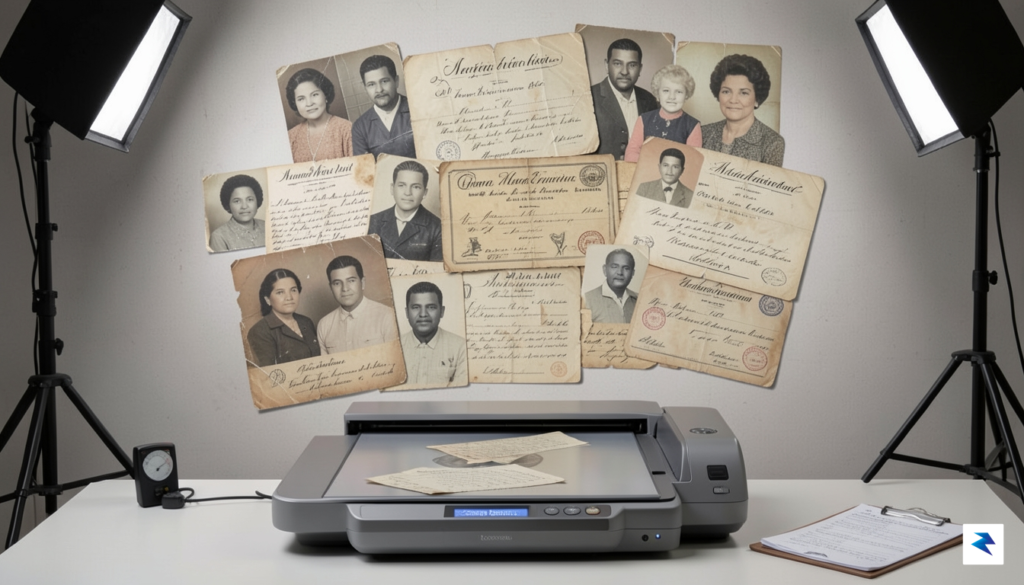
Beyond the sterile lines of legal deeds and formal land ownership records, the true heart of this digital project lies in the fragmented, intimate artifacts of a people’s lived experience. The archive is a mosaic of the mundane and the extraordinary: yellowed wedding photographs, handwritten journals documenting seasonal harvests, hand-drawn maps of ancestral orchards, and the mundane utility bills that serve as irrefutable proof of a life once lived in a specific place. By digitizing these personal items, curators are doing more than just saving data; they are anchoring a historical presence that political rhetoric often attempts to blur or erase. Every scanned postcard and every saved recipe card functions as a quiet act of defiance against the narrative of a “land without a people,” replacing abstract dehumanization with the tangible proof of human existence.
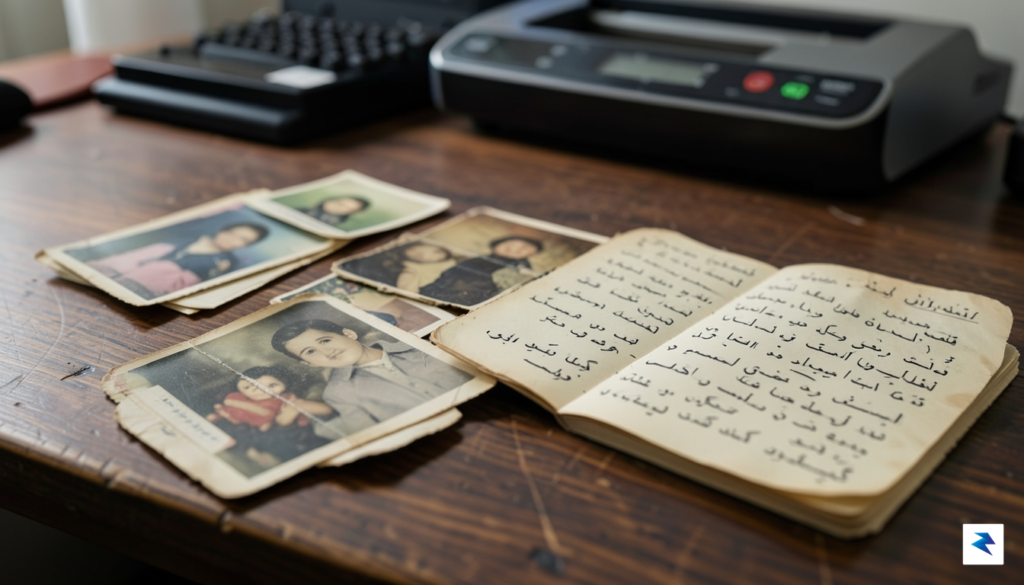
The curation process for such a repository is fraught with complex ethical considerations that go far beyond technical digitization. Archivists must navigate the delicate balance between the urgent need for historical preservation and the profound privacy concerns of families who are often living in precarious or dangerous conditions. When a family hands over a collection of private letters or sensitive photographs, they are entrusting the archive with their most vulnerable memories. Consequently, the team must implement rigorous protocols to protect the identities of those involved while ensuring that the metadata remains accurate enough to maintain historical integrity. This ethical framework ensures that the archive remains a sanctuary for truth rather than a source of further exposure for the families it seeks to honor.
The strength of this digital fortress is not just in the volume of data it stores, but in the humanity it restores to the historical record. By elevating the personal alongside the political, the archive ensures that future generations can trace their lineage back to the soil, the homes, and the neighborhoods that shaped their identity.
This commitment to the “fabric of daily life” provides a necessary counter-narrative to the broad, sweeping political claims that have dominated the region for decades. While official state documents provide the skeleton of history, it is these private, domestic archives that provide the muscle and the soul. By preserving the texture of daily existence—the joy of a graduation party, the somber quiet of a funeral, or the routine labor of a family business—this digital effort ensures that the Palestinian narrative remains inextricably linked to the physical reality of the land. In doing so, the project transforms scattered, fragile heirlooms into a cohesive, indelible historical record that can withstand the pressures of erasure and time.
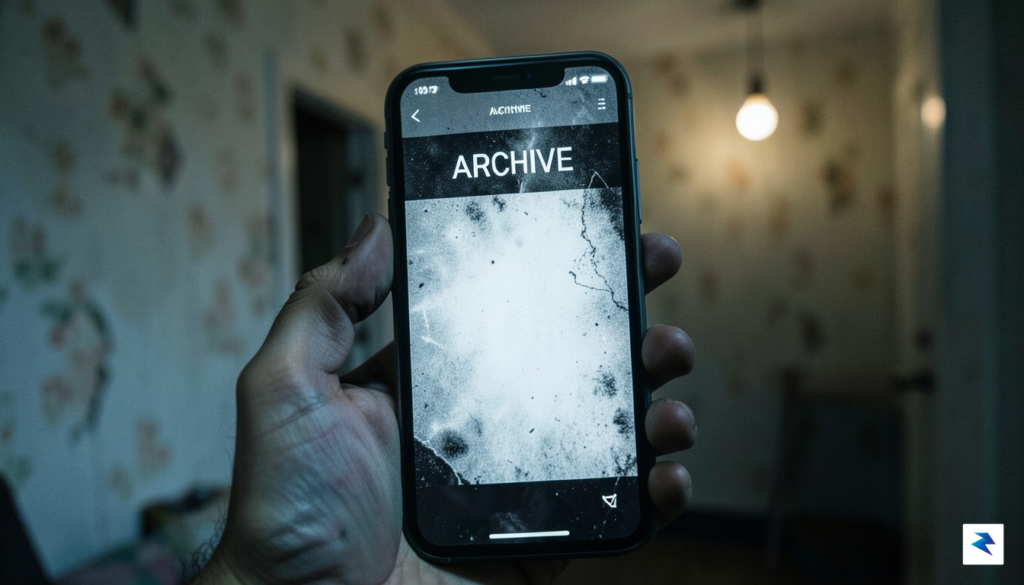
Archiving historical memory within an active conflict zone is an endeavor defined as much by physical peril as it is by technological ingenuity. When the infrastructure of a society is under constant siege, the standard tools of digital preservation—high-speed cloud servers and stable power grids—simply vanish. For field workers in Gaza and the West Bank, the act of digitizing a photograph or scanning a fragile document is not merely a clerical task; it is a profound act of resistance against erasure. In settings where electricity is a scarce commodity and the internet is frequently severed by blackouts, these archivists must adopt a rugged, “analog-first” mentality, utilizing portable scanners and battery-powered devices to capture data under the most harrowing conditions.
The workflow in these low-resource settings relies heavily on a decentralized, offline-first architecture. Because real-time uploads to remote servers are often impossible, field teams utilize encrypted, high-capacity external drives and local mesh networks to aggregate information before it can be transmitted. This data is physically moved across zones of instability, often tucked away in pockets or hidden in plain sight, turning the archivists themselves into modern-day couriers of collective memory. By prioritizing local storage, they ensure that even when the outside world is cut off by a total communications blackout, the history remains intact, protected from the volatility of the digital ether.

Bridging the gap between the field and the global stage requires a seamless, albeit challenging, collaboration between local documenters and remote technical support teams. While those on the ground focus on the physical retrieval and stabilization of materials, remote partners provide the necessary cryptographic expertise to secure these files against sophisticated surveillance or cyber-attacks. This symbiotic relationship transforms the project from a localized effort into a global digital fortress. Whenever a temporary window of connectivity opens, these teams work in frantic, highly coordinated bursts to push encrypted packets of data to mirror servers located in safer jurisdictions.
The resilience of this archive lies not in the sophistication of the hardware, but in the radical commitment of those who refuse to let their history disappear into the rubble.
Furthermore, the constant threat of infrastructure collapse has forced the project to adopt redundant storage solutions that span multiple continents. By diversifying where the digital copies are housed, the archivists ensure that no single power surge, government-mandated server shutdown, or localized destruction can wipe out decades of heritage. Each scanned image and recorded oral history acts as a digital seed, planted in protected soil far from the conflict, waiting for the day when it can be fully reclaimed by the community it describes. It is a slow, painstaking process, but it is one that effectively turns the vulnerability of the conflict into a strength of distributed, indestructible preservation.
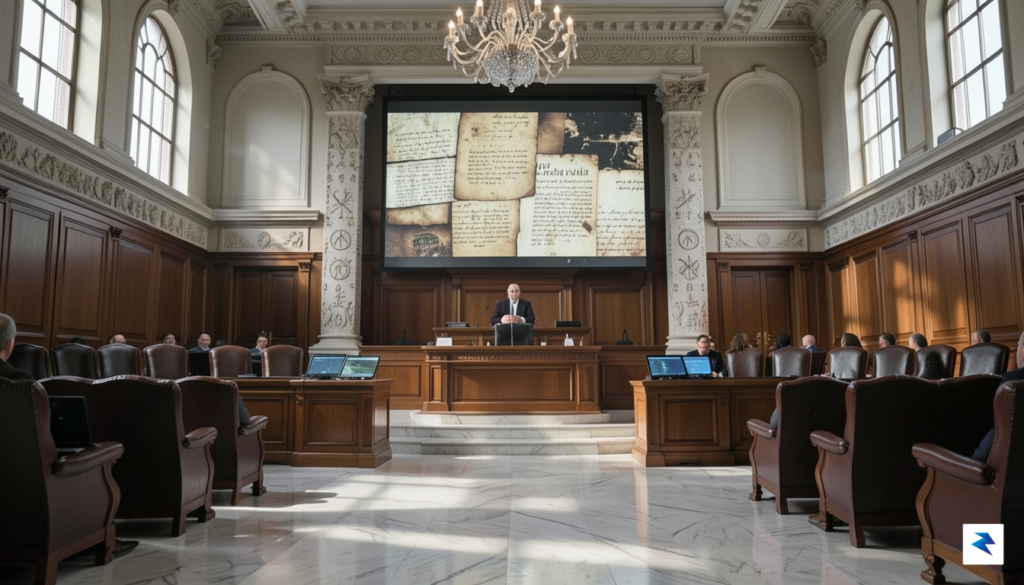
This digital repository serves as far more than a static library for future generations; it functions as a dynamic, high-stakes instrument in the modern arena of international human rights advocacy. By meticulously documenting the lived experiences, land deeds, and historical records of displaced Palestinians, this project transforms fragile memories into verifiable data points. When these digital files are carefully curated and shared, they form the bedrock of sophisticated legal claims and global awareness campaigns, challenging the traditional obfuscation that often accompanies systemic displacement. In the eyes of international law, the difference between a claim and a conviction often rests on the ability to provide an immutable record, and this project is effectively closing that gap.
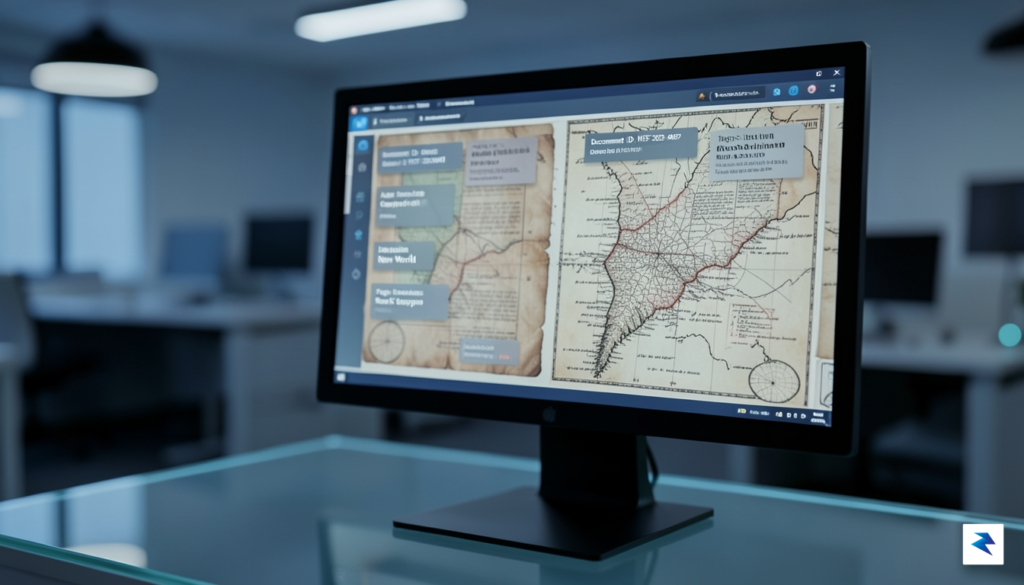
For evidence to hold weight in international legal forums, it must survive the rigorous scrutiny of a documented chain of custody. The architects of this digital archive have prioritized technical metadata—such as time-stamps, geolocation coordinates, and high-fidelity encryption—to ensure that each record remains tamper-proof and authentic. This focus on forensic integrity allows human rights organizations to present these archives as admissible evidence in investigations concerning property rights, war crimes, and the systematic destruction of cultural heritage. Because the digital files are cryptographically secured, they neutralize attempts to dismiss Palestinian narratives as anecdotal, forcing legal bodies to contend with a structured, verifiable mountain of proof that was previously scattered or physically destroyed.
The power of this archive lies in its transformation of private loss into public, undeniable evidence that the international community can no longer easily ignore or misinterpret.
Beyond the courtroom, this digitization effort fundamentally disrupts the mainstream narratives that have long sought to render displaced populations invisible. Historically, the erasure of physical archives—libraries, land registries, and family records—was a deliberate tactic to sever a people’s connection to their history and their rights. By establishing a decentralized “digital fortress,” Palestinians are reclaiming the power to define their own reality. This project does not merely preserve the past; it asserts a permanent presence in the present, ensuring that whenever the question of Palestinian identity and history is raised, the digital record stands ready to bear witness. As these archives become more accessible, they empower activists and researchers worldwide to dismantle myths of “empty lands” or “forgotten histories,” replacing them with a robust, unerasable testimony that commands global attention.

The long-term objective of this preservation effort transcends simple record-keeping; it is about establishing a permanent, immutable vault of cultural heritage that exists beyond the reach of physical destruction. By leveraging decentralized technologies and cloud-based infrastructures, these initiatives ensure that the collective memory of a people cannot be seized, censored, or silenced by the shifting tides of geopolitical conflict. As documents, oral histories, and photographs are uploaded into this digital expanse, they are transformed into a resilient narrative that survives even when the physical foundations of a community are threatened. This move toward a digital fortress provides an essential safety net, ensuring that the evidence of life, culture, and resistance remains accessible to future generations who may otherwise be denied their own history.
For young Palestinians growing up in a diaspora, these archives serve as a crucial bridge to their ancestry, providing a tangible connection to the land and experiences of their predecessors. This digital legacy serves as a counter-narrative to institutional erasure, offering a space where identity is defined by the community itself rather than by those who seek to rewrite or dismantle it. By securing this data, the project grants future generations the agency to study, celebrate, and build upon their heritage without the fear of it being permanently lost to time. It is a powerful inheritance—a library of existence that remains open and verifiable regardless of where one is forced to reside.
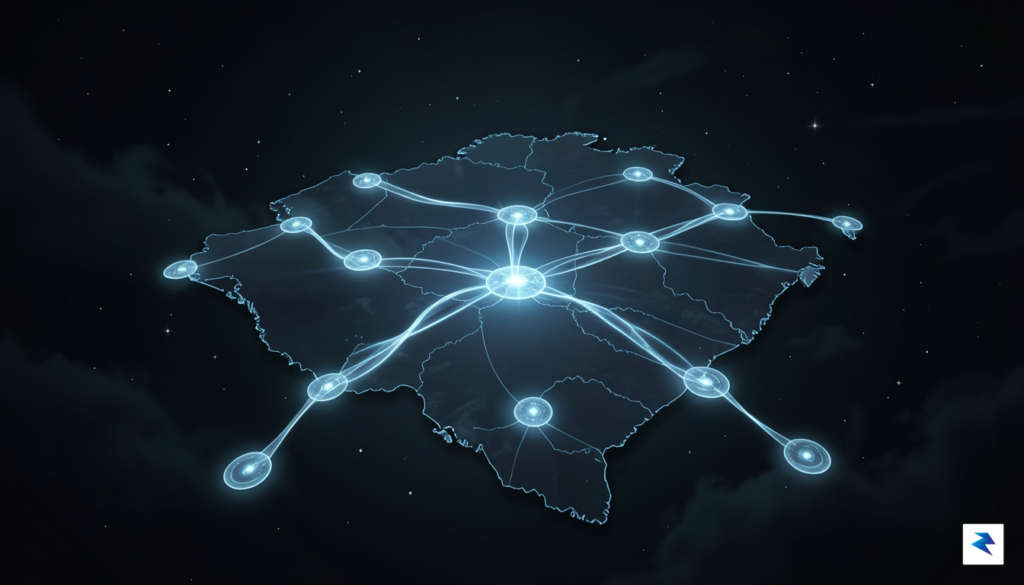
Digital sovereignty is not merely about storage; it is an act of reclaiming the right to tell one’s own story in a world that often tries to dictate the terms of your existence.
Ultimately, this project serves as a compelling blueprint for other marginalized and displaced populations across the globe. It proves that when physical borders are closed, digital space can be reclaimed as a sovereign territory, providing a sanctuary for the records that define a people. As these communities embrace digital literacy, they transform from passive subjects of history into active, empowered architects of their own narratives. Through this mastery of technology, they secure not only their past but also a seat at the table of global discourse, asserting their right to be remembered and acknowledged. By treating digital literacy as a fundamental tool for political agency, these movements demonstrate that the future of resistance lies in the ability to effectively document, protect, and disseminate the truth.
You must be logged in to post a comment.