The Evolution of FIFA’s Scaling Strategy

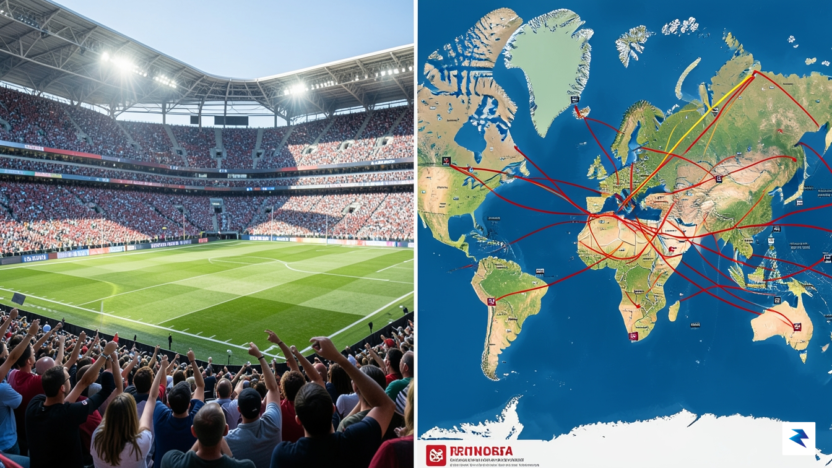
For over two decades, the 32-team format served as the gold standard for international football, establishing a rhythm that felt both sacred and perfectly balanced. Between 1998 and 2022, the tournament operated with a lean, high-stakes efficiency: eight groups of four teams, with the top two progressing to a straightforward knockout bracket. This structure created a sense of scarcity that elevated every match, as only the elite could realistically dream of lifting the trophy. However, the decision to balloon the tournament to 48 teams represents far more than a simple numerical adjustment; it signals a fundamental restructuring of the sport’s global DNA, shifting the focus from an exclusive showcase of talent to an expansive, commercial-first production.
The primary catalyst for this shift is, unsurprisingly, the pursuit of unprecedented revenue growth. By increasing the number of participants, FIFA has effectively secured a larger inventory of high-stakes broadcasting rights, expanded sponsorship opportunities, and guaranteed more ticket sales across a wider array of host cities. The commercial logic is undeniable: more matches equate to more broadcast hours, which in turn commands higher premiums from global media conglomerates. Yet, this aggressive scaling also necessitates a move toward multi-nation hosting models, such as the 2026 tournament hosted across North America. While sharing the burden of infrastructure costs among three countries helps mitigate the financial risks for host nations, it fundamentally alters the atmosphere of the tournament, diluting the localized intensity that once defined the World Cup experience.
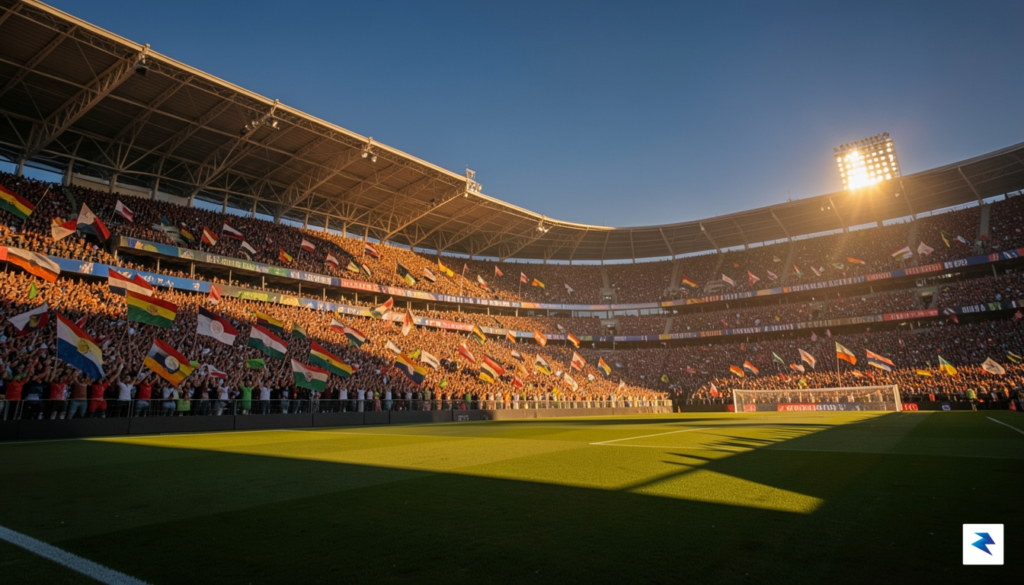
This transition raises a critical question: does bigger inherently translate to a better product for the global audience? Proponents argue that expansion provides a platform for emerging footballing nations to gain exposure, thereby democratizing the sport and inspiring future generations in previously overlooked regions. However, critics fear that the dilution of quality—often referred to as “tournament bloat”—risks compromising the very tension that makes the World Cup so compelling. As the field expands to include teams that might not have historically qualified, the group stages risk becoming predictable, potentially leading to a drop in the average competitive intensity that fans have come to expect.
The true test of this new era will be whether FIFA can maintain the tournament’s unique prestige as it shifts from a rare, concentrated feast of football into a sprawling, month-long marathon.
Ultimately, the move to 48 teams demonstrates that FIFA is prioritizing reach and horizontal expansion over the traditional, compact excellence of the past. Whether this evolution will be remembered as a visionary step toward global inclusivity or as a shortsighted trade-off of quality for cash remains to be seen. What is clear, however, is that the era of the intimate, perfectly calibrated tournament has ended, replaced by a massive, industrial-scale event that seeks to capture every possible corner of the global market.
The Logistical Strain on Host Nations
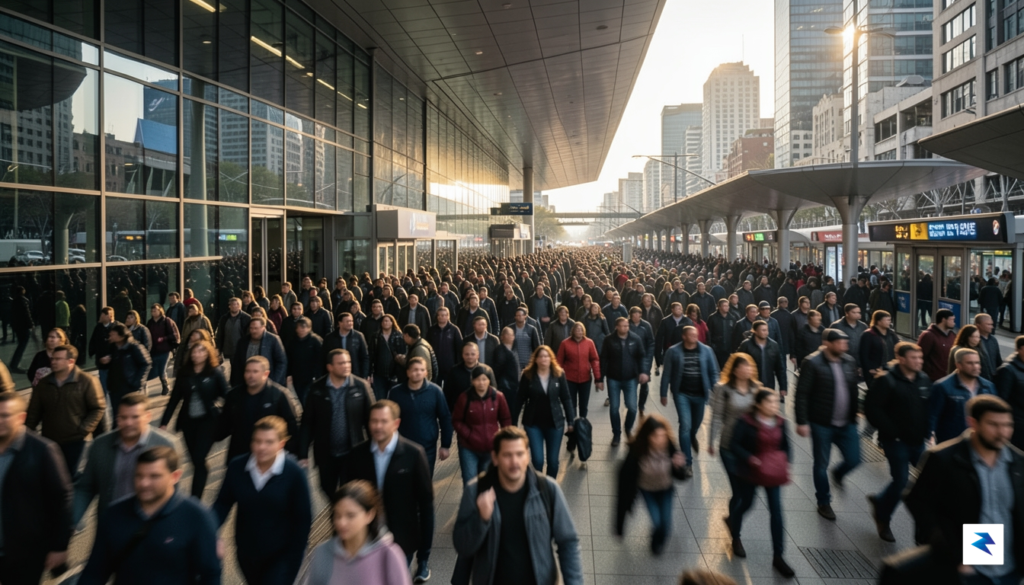
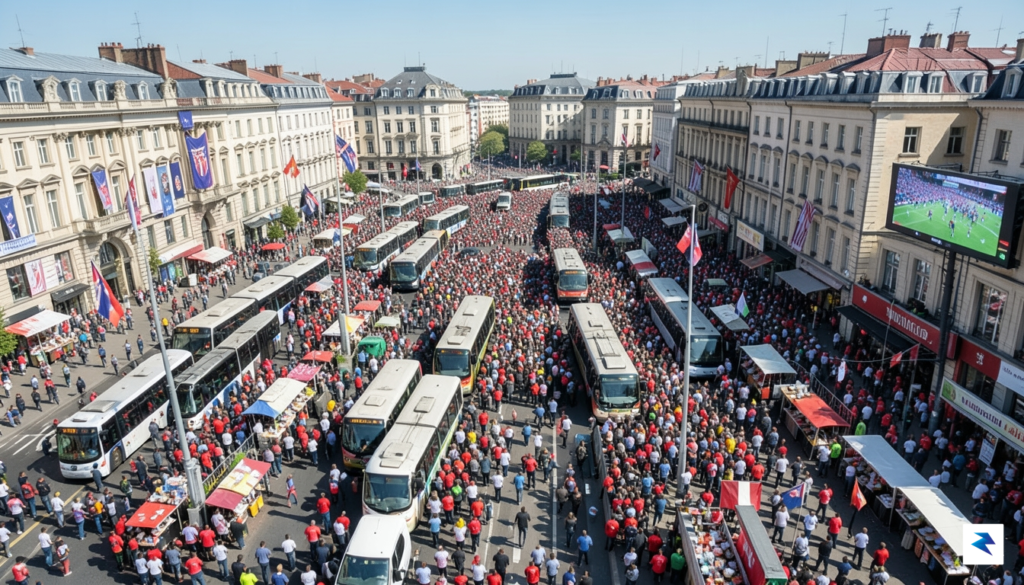
Modern mega-events like the World Cup have evolved into complex logistical puzzles that extend far beyond the pitch. When a host nation prepares to welcome millions of international visitors, the pressure on local infrastructure is immediate and unforgiving. It is no longer sufficient to merely construct state-of-the-art stadiums; cities must essentially reinvent their urban fabric to accommodate a temporary population surge that can rival the size of entire metropolitan suburbs. From overhauling public transit networks to expanding hotel capacities and securing sprawling public spaces, the burden on municipal resources is immense, often forcing city planners to prioritize short-term visitor needs over the daily requirements of their permanent residents.
The expansion of the tournament format introduces a new layer of environmental and logistical friction: the carbon footprint of cross-continental travel. As the number of teams and matches grows, so too does the necessity for fans and squads to traverse vast distances, turning the tournament into a grueling circuit of long-haul flights and interconnected transit corridors. This creates a massive spike in carbon emissions and puts an unprecedented strain on regional airports that were often designed for steady, predictable traffic rather than the chaotic, concentrated bursts of World Cup travel. Consequently, the ecological cost of maintaining a “bigger” tournament risks overshadowing the positive legacy the event is intended to leave behind.
The true challenge of hosting lies not in the spectacle of the game, but in the invisible architecture of the city—the subways, sewage systems, and emergency services that must hold firm under the weight of global attention.
Economically, the trade-offs for host cities are increasingly difficult to justify. Proponents often argue that the tournament acts as a catalyst for long-term infrastructure benefits, such as modernized road networks or upgraded telecommunications. However, these improvements frequently come at the expense of local budgets, diverting funds from social services or maintenance of existing infrastructure that serves the community year-round. While the influx of tourism provides a short-term revenue boost, the maintenance costs for white-elephant stadiums—vast, specialized venues that may see little use after the final whistle—often linger for decades. Balancing the allure of global prestige with the pragmatic reality of fiscal sustainability remains the defining struggle for any nation daring to host a tournament of this unprecedented scale.
Player Welfare in an Expanded Tournament

The relentless expansion of the World Cup format is often marketed as a celebration of global football, yet beneath the surface of this commercial evolution lies a troubling reality for the athletes themselves. Modern professional footballers are already pushed to their physical limits by grueling year-round club schedules, which include domestic leagues, continental cups, and high-intensity international breaks. By adding more teams and, consequently, more matches to the tournament schedule, governing bodies are effectively squeezing the last remaining pockets of rest out of an already depleted calendar. This increased match density doesn’t just invite fatigue; it fundamentally alters the landscape of player health, turning a prestigious tournament into a high-stakes endurance test that few bodies are biologically equipped to handle.

The physiological consequences of this shift are becoming increasingly difficult to ignore. Elite players rely on specific recovery windows—periods of rest, recovery training, and psychological downtime—to allow muscle tissue to repair and nervous systems to reset. When the tournament structure is stretched, the turnaround time between matches inevitably shrinks, leaving athletes in a perpetual state of physical deficit. This lack of adequate recovery is a primary driver for the rising frequency of soft-tissue injuries, such as hamstring strains and ligament tears, which are becoming common sights during major international competitions. When players are forced to compete at maximum intensity while physically compromised, the quality of play suffers alongside their long-term career prospects.
The pursuit of commercial scale must eventually collide with the reality of human biology. When we prioritize the quantity of matches over the health of the participants, we risk transforming the beautiful game into a spectacle of attrition rather than a showcase of peak athletic excellence.
Beyond the physical toll, the mental strain of an extended tournament cannot be overstated. Elite sport demands extreme cognitive focus, and maintaining that level of concentration over a longer, more taxing schedule creates a significant psychological burden. Players are often separated from their families and support systems for extended periods, living under the intense scrutiny of a global audience while their bodies scream for a reprieve. This tension between the commercial drive for growth and the fundamental necessity of athlete welfare creates a precarious environment. Ultimately, if the tournament continues to grow in size without a proportional investment in player protection, the world may find itself watching a diminished product where the best players are no longer able to perform at their best, simply because they are too exhausted to reach the heights we have come to expect.
The Fan Experience: Accessibility vs. Grandeur
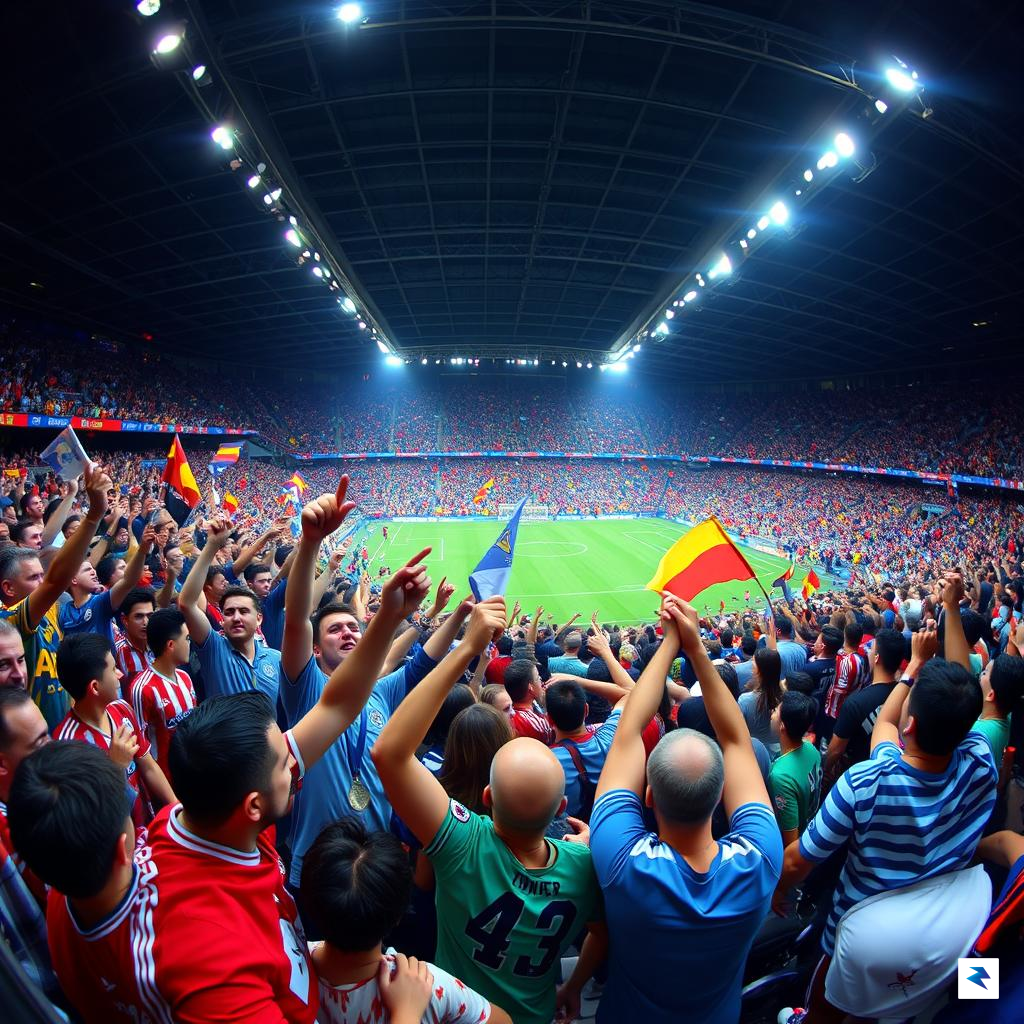
There was once a distinct, palpable magic to the World Cup that felt tethered to the history of the stadiums themselves. In decades past, fans packed into storied, bowl-shaped arenas where the proximity to the pitch created an electric, claustrophobic intensity. Today, however, that intimacy is increasingly sacrificed at the altar of gargantuan, ultra-modern facilities designed primarily for global broadcasting and corporate hospitality. While these massive structures offer state-of-the-art amenities and record-breaking capacity, they often feel hollow, stripping away the raw, communal spirit that turned a simple match into a legendary cultural phenomenon. When a stadium seats 80,000 people, the roar of the crowd becomes a muffled hum rather than a visceral surge, and the individual fan risks becoming a mere pixel in a vast, homogenized landscape.
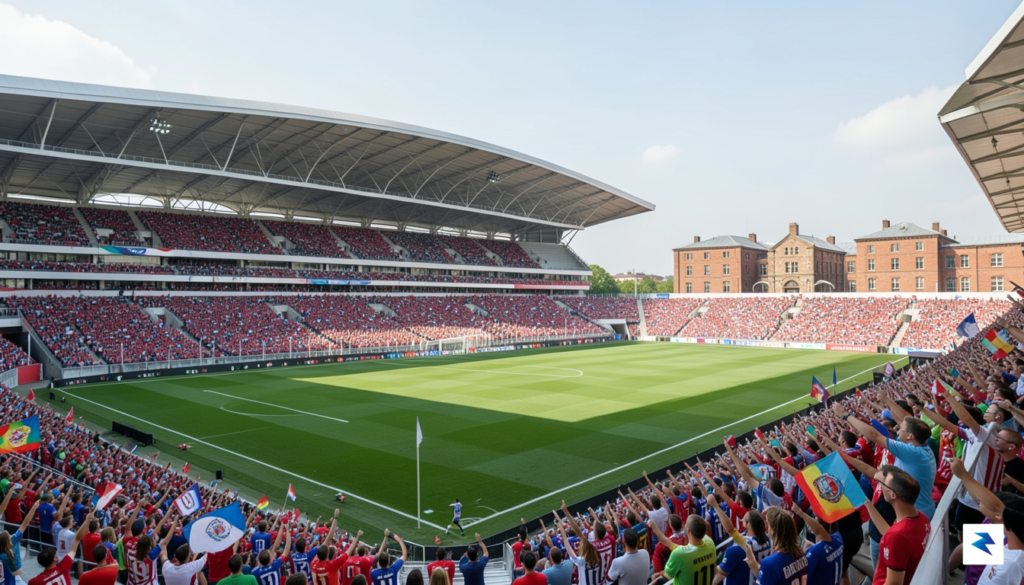
This relentless pursuit of scale has inadvertently engineered a massive barrier to entry for the average supporter. As stadiums grow and logistical requirements expand, the cost of attending the tournament has skyrocketed, effectively pricing out the middle-class fans who historically formed the backbone of the global football culture. When travel, luxury-tier accommodation, and inflated ticket prices become the baseline for attendance, the stands are no longer filled with the passionate, multi-generational local supporters who define the sport’s identity. Instead, we see an influx of transient, high-spending tourists, which dilutes the genuine atmosphere and replaces spontaneous local fervor with a curated, sanitized experience that feels identical regardless of the host nation.
The true soul of the World Cup isn’t found in the gleaming steel of a mega-stadium; it resides in the connection between the people, the city, and the pitch. When you scale up to the point of exclusion, you lose the very electricity that made the event a global phenomenon in the first place.
Furthermore, the homogenization of the event experience threatens to erode the unique cultural tapestry that makes each host country special. As organizers push for standardized, massive infrastructure, they often prioritize convenience and control over authenticity, leading to a “cookie-cutter” tournament environment. This shift forces fans into highly regulated zones that feel disconnected from the vibrant street life and local customs that should be at the heart of the journey. Ultimately, if the tournament continues to prioritize sheer size over the quality of the human experience, it risks becoming a sterile product—a broadcast-first spectacle that favors the television screen while leaving those in the seats feeling like spectators to a game they can no longer truly touch.
The Future of Global Sporting Events
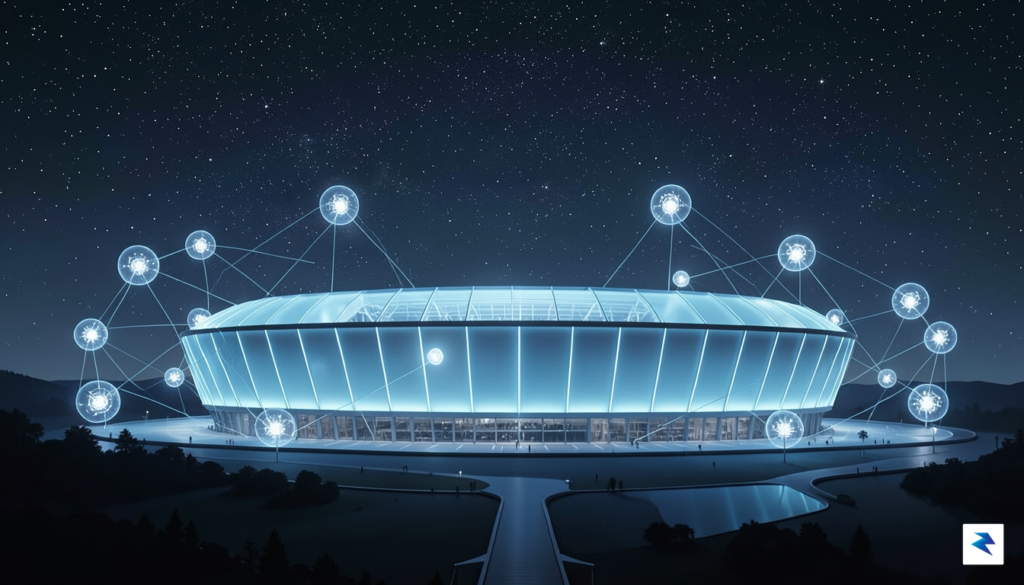
As the global sporting landscape continues to expand, we are witnessing a pivotal moment where the relentless pursuit of scale may finally be outpacing the practical realities of infrastructure and fan experience. For decades, the mantra of “more teams, more matches, and more host cities” has been the engine of commercial growth, yet this trajectory is increasingly hitting a structural ceiling. Experts are now debating whether this constant expansion is a viable long-term strategy or a precursor to a period of diminishing returns. As travel requirements become more grueling for athletes and the environmental footprint of mega-events balloons, the logistical burden of hosting a tournament of this magnitude threatens to alienate the very communities that once clamored for the privilege.
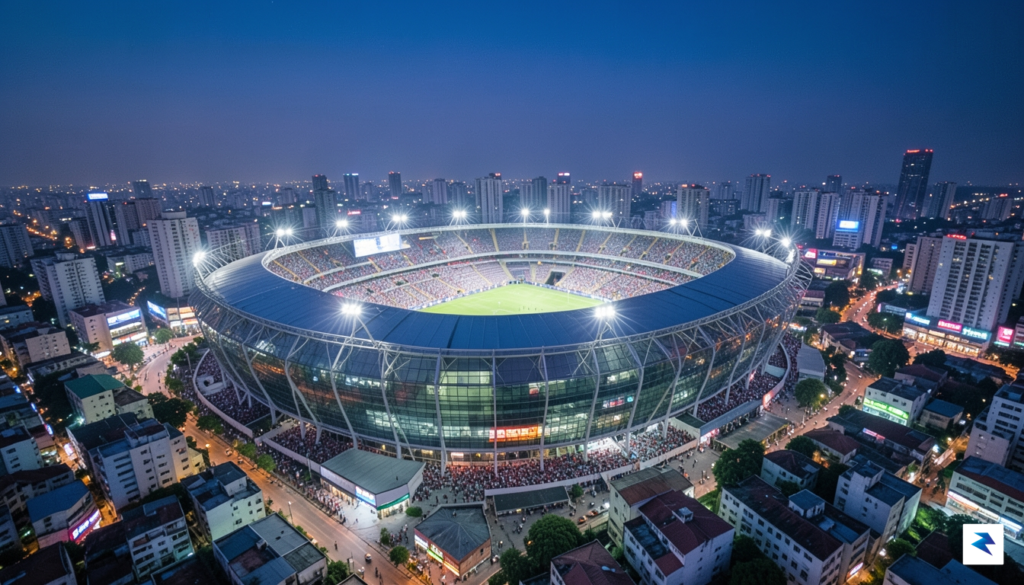
The tension between commercial viability and the “soul” of the tournament is becoming impossible to ignore. Proponents of expansion argue that inclusivity—bringing more nations into the fold—democratizes the sport and unlocks untapped markets, fueling revenue streams that support grassroots development worldwide. Conversely, critics contend that by diluting the quality of competition and stretching the calendar to its breaking point, we risk turning the beautiful game into a bloated, predictable product. If the tournament becomes too unwieldy, it loses the concentrated intensity that makes it a singular cultural phenomenon. We are currently at a crossroads where the industry must decide if it values sheer volume over the unique, high-stakes narrative that defines international competition.
Ultimately, the sustainability of the World Cup will not be measured by the total number of tickets sold or the breadth of global broadcasting rights, but by the ability to maintain a connection with the fans who view the event as a rare, sacred spectacle rather than a continuous content stream.
Moving forward, the governing bodies of world sports may need to explore alternative, more decentralized models to ensure longevity. This could mean moving away from the “single host” behemoth toward regional clusters or multi-nation partnerships that share the burden of infrastructure without requiring massive, ecologically damaging construction projects. Furthermore, a recalibration of the tournament format could focus on intensity rather than pure expansion, ensuring that every match retains its competitive gravity. By striking a balance between financial health and the authentic experience of the sport, organizers can protect the tournament from the hazards of over-saturation. The future of global sports hinges not on getting bigger, but on getting smarter, ensuring that the spectacle remains a celebration of excellence rather than a monument to excess.