
Titan Tragedy: New Report Reveals Missed Chances for Government Intervention
Introduction: The Titan Tragedy and Regulatory Oversight The catastrophic loss of the Titan submersible in June 2023 sent shockwaves across…
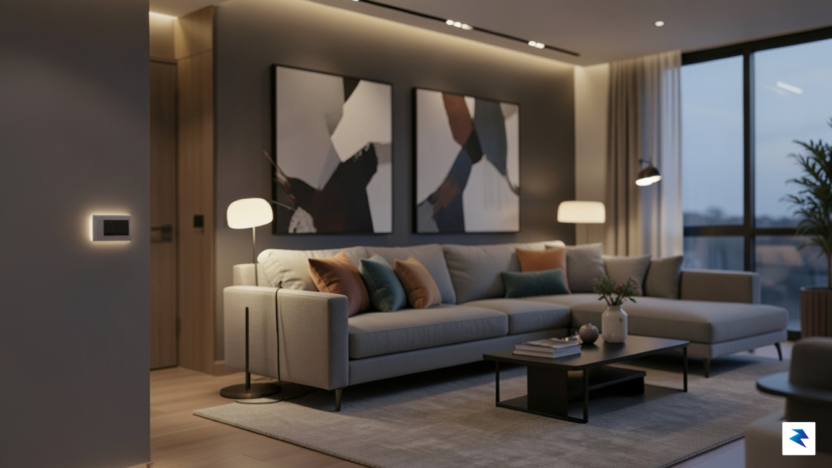
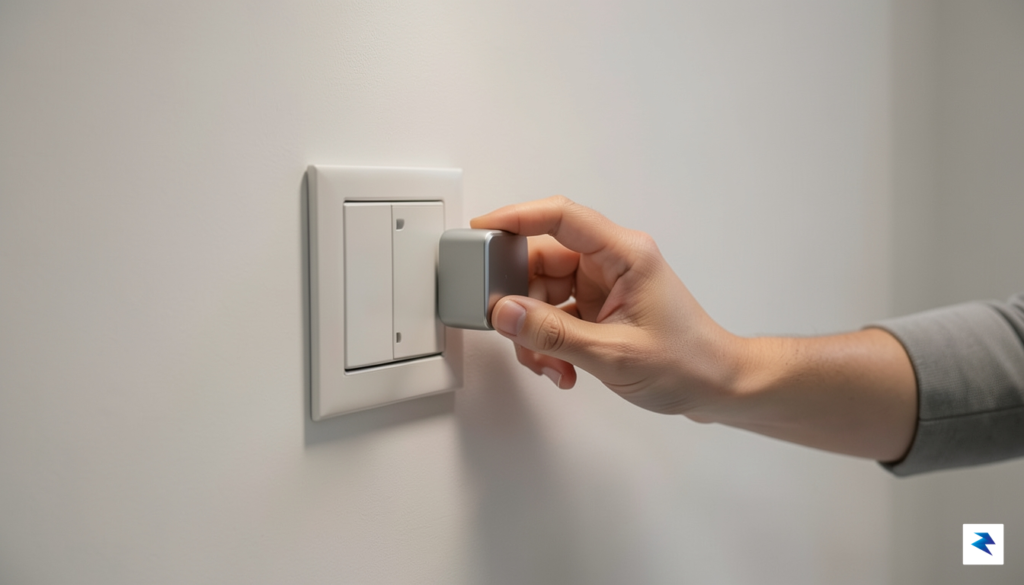
For years, the smart home community has faced a frustrating paradox: the better your lighting system becomes, the more vulnerable it is to the simplest of human errors. If you have invested in Philips Hue bulbs, you likely know the recurring annoyance of a family member or guest walking into a room and instinctively flipping the physical wall switch. Because traditional switches cut the flow of electricity to the fixture, your smart bulbs immediately go offline, rendering your app controls, voice commands, and automated schedules completely useless until someone physically resets the power. This disconnect between modern digital convenience and legacy infrastructure has long been the primary “Achilles’ heel” of smart lighting enthusiasts everywhere.
The arrival of the new wired wall module effectively bridges this gap by fundamentally changing how your light fixtures communicate with your home network. Instead of simply severing the power circuit when you toggle the switch, this compact device sits behind your existing wall plate and monitors the position of the switch without interrupting the electricity flowing to the bulbs. By maintaining a constant power supply to the smart lighting, the module ensures that your bulbs remain connected to the Hue Bridge at all times. This means that your automation routines will continue to run flawlessly in the background, even if someone decides to manually toggle the switch on the wall.
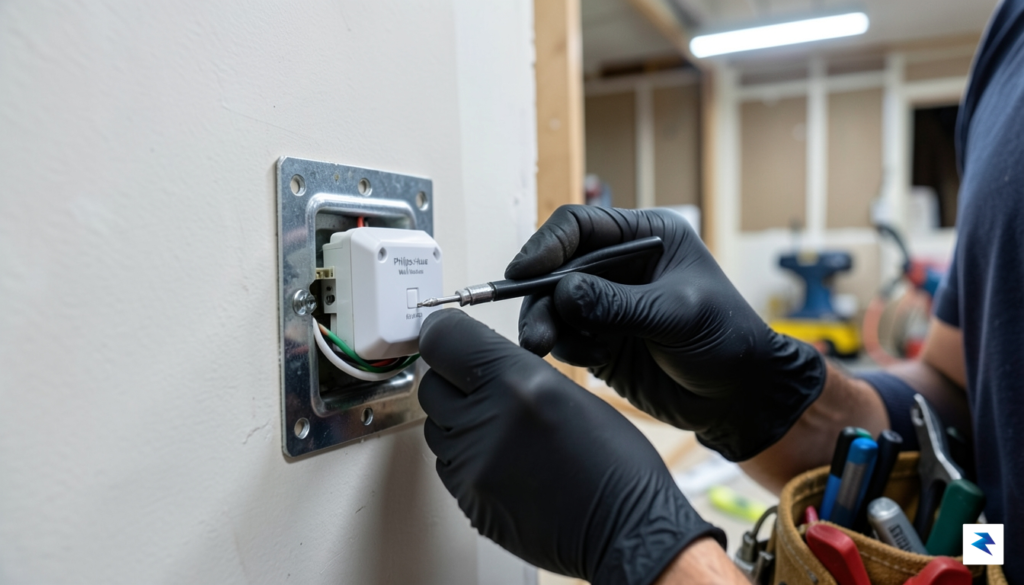
By transforming your “dumb” switches into smart triggers, this module grants you the best of both worlds: the tactile satisfaction of a traditional light switch combined with the sophisticated intelligence of a smart home ecosystem. When you flip the switch, the module sends a digital signal to the Hue system to adjust the lights, effectively turning a simple electrical interrupt into a command center. You can even program these switches to trigger specific scenes or color variations, granting you granular control over your home’s ambiance that was previously impossible without relying solely on a smartphone or voice assistant.
The true power of this module lies in its ability to preserve the integrity of your smart home configuration while respecting the ingrained habits of everyone who lives in your house.
Ultimately, this innovation marks a significant shift in how we approach home automation. Rather than requiring users to rip out their existing wiring or place unsightly stickers over their switches to prevent accidental power cuts, Philips Hue has developed a solution that respects the legacy of your home’s physical architecture. This seamless integration ensures that your lighting setup is not just an enthusiast’s toy, but a reliable, intuitive system that functions perfectly for every member of the household, regardless of their technical expertise.
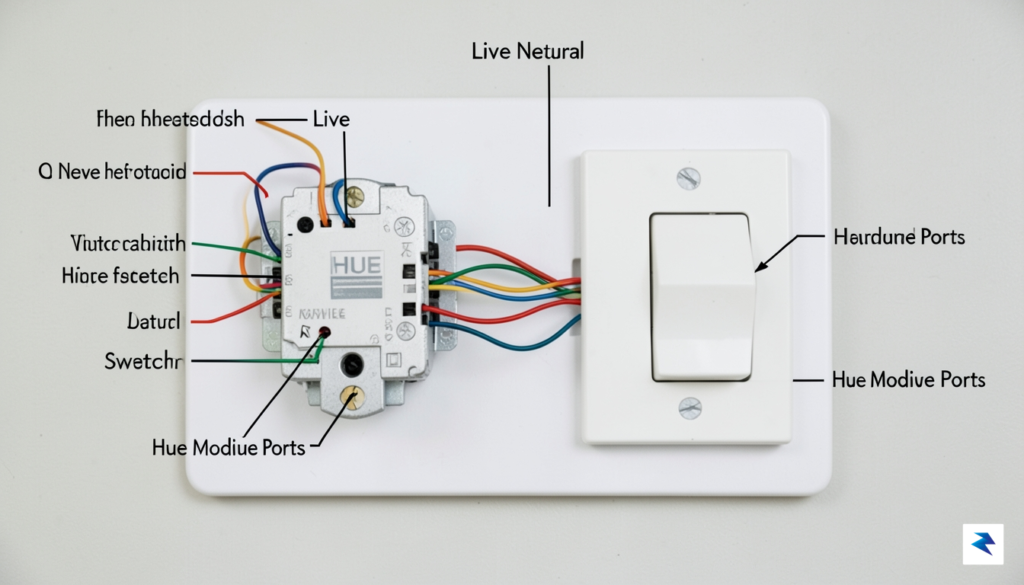
The true ingenuity of the Hue wall switch module lies in its ability to bridge the gap between legacy electrical infrastructure and modern smart home connectivity. Unlike traditional “smart switches” that require you to replace the physical interface of your home, this module functions as a discreet, behind-the-scenes intermediary. By installing it directly behind your existing wall switch, you effectively digitize the mechanical action of the toggle. When you flip your light switch, the module detects the change in state and instantaneously transmits a command to the Hue bridge or app, allowing your smart lighting ecosystem to react in real-time without ever cutting the actual power supply to the bulbs.
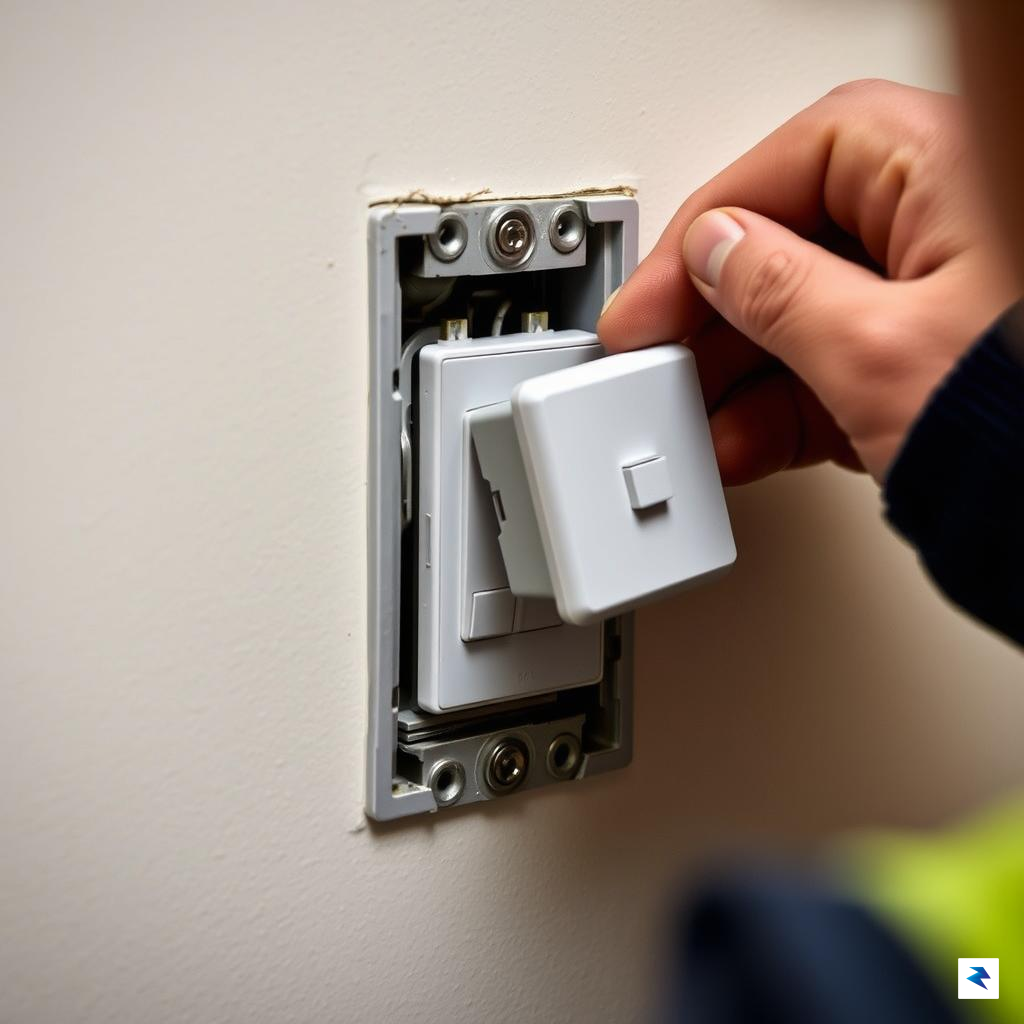
This functionality solves the most persistent headache in smart lighting: the “dead bulb” problem. In a standard setup, if someone turns off the physical wall switch, the power is severed, rendering the smart bulb unreachable by voice commands, automated schedules, or app controls. Because the Hue wall switch module keeps the circuit permanently closed, the smart bulb remains powered and connected at all times. The switch essentially becomes a software-defined input device rather than a physical circuit breaker, ensuring that your home’s lighting intelligence is never compromised by a guest or family member simply trying to turn off the lights the old-fashioned way.
The core benefit of the module is that it preserves the physical tactile experience of a switch while unlocking the boundless automation potential of the Hue ecosystem.
The user experience is seamless because it respects your home’s original aesthetic while adding layers of sophistication. Once the module is paired with your Hue bridge, you can program the switch to trigger specific scenes, dimming levels, or color temperatures instead of just a simple binary on/off. Whether you want a single click to activate a “Movie Night” scene or a double-tap to cycle through preset lighting moods, the module acts as a bridge between the analog world and the digital one. This flexibility means you do not need to invest in expensive, proprietary wall panels to achieve a high-end smart home feel; instead, you can continue using the hardware you already have while enjoying the full breadth of Hue’s automation capabilities.
Ultimately, this approach represents a shift in how we perceive domestic control. By decoupling the action of the physical switch from the actual power delivery, the Hue module turns your entire wall switch collection into a versatile remote control system. You gain the ability to manage your lights from anywhere in the world, incorporate them into complex home routines, and utilize voice assistants like Alexa or Google Assistant, all while maintaining the familiar, reliable interface of your existing home décor.
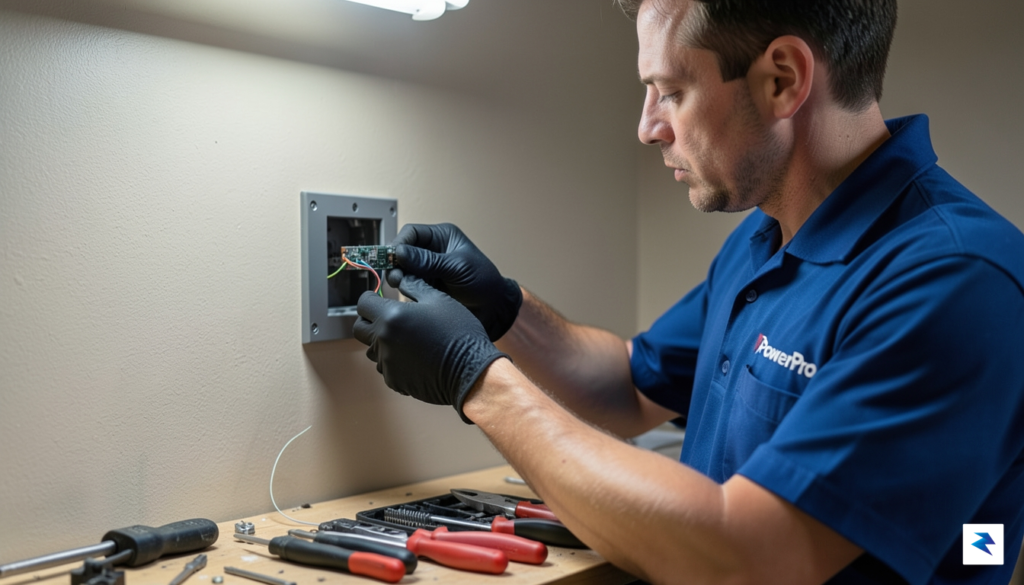
Integrating smart technology directly into your home’s electrical infrastructure might initially feel like a daunting task, but the Philips Hue Wall Switch Module is engineered specifically for the DIY-savvy homeowner who wants to modernize their space without replacing every light fixture. Before you begin the physical installation, it is imperative to understand that this process involves working with high-voltage wiring inside your wall boxes. Always prioritize safety by turning off the power at your main circuit breaker before removing any switch plates. If you are not entirely comfortable or confident working with electrical circuits, there is absolutely no shame in consulting a licensed electrician to ensure that your home remains safe and up to code throughout the upgrade process.
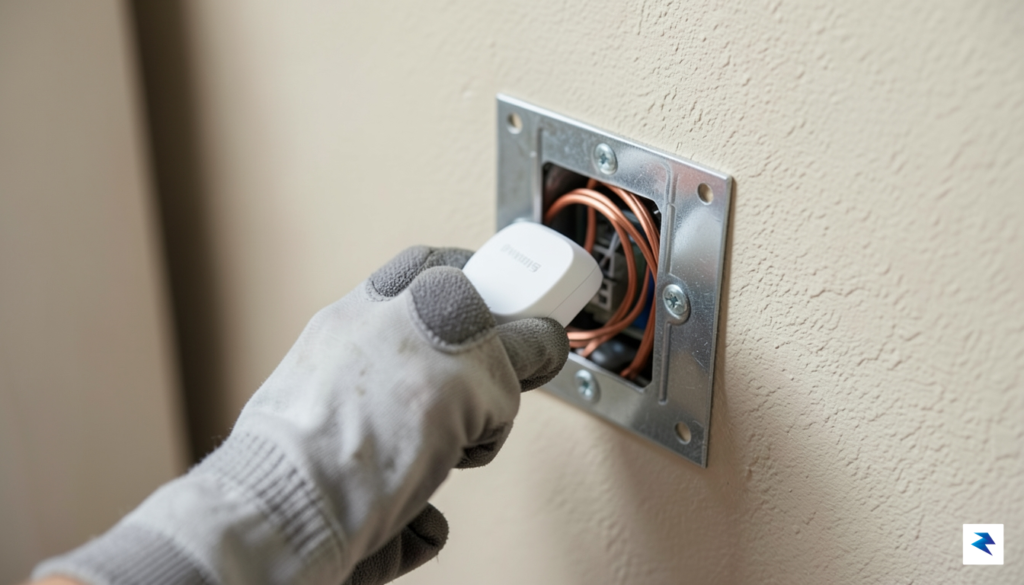
Compatibility remains the most critical hurdle for a successful setup, as these modules are not universally compatible with every switch configuration. The Hue Wall Switch Module is designed to fit behind your existing mechanical wall switches, meaning it works best with standard toggle or rocker switches that physically move to break or complete a circuit. It is important to note that this device is not intended for use with electronic dimmers, smart switches, or switches that feature integrated pilot lights, as these can interfere with the module’s ability to communicate with the Hue Bridge. Furthermore, ensure your wall box has sufficient physical depth; while the module is compact, older homes with cramped metal junction boxes may require a bit of careful wire management to accommodate the extra hardware without pinching any connections.
Pro Tip: Before you finalize your installation, double-check that your wall box has enough room for both the existing wiring and the module itself. If space is tight, use wire nuts to tidy up your connections and push the wires toward the back of the box to prevent overcrowding.
Once you have successfully bridged the gap between your physical switch and the Hue ecosystem, you will benefit from the module’s impressive power efficiency. The device is powered by a standard CR2450 coin cell battery, which is designed to last for roughly five years under normal usage conditions. This means you won’t have to worry about frequent maintenance or constant battery swaps behind your wall plates. During the initial pairing process, if the module fails to appear in the Hue app, ensure that your Zigbee signal is strong enough to reach the wall box. If the device remains unresponsive, perform a factory reset by holding the small button on the module until the LED indicator blinks, then attempt the discovery process again while keeping your mobile device within close proximity to the switch.
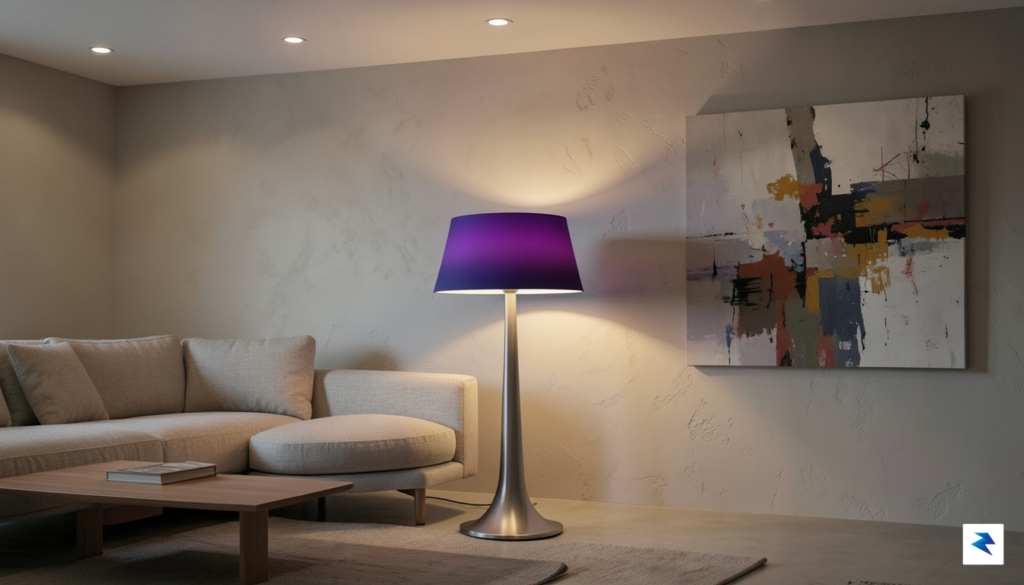
While the new wall module captures the headlines for its ability to modernize existing fixtures, Philips Hue has simultaneously expanded its portfolio with hardware designed to offer more accessible entry points into its premium lighting ecosystem. The most notable of these additions are the new Play gradient lamps, which translate the sophisticated, multi-color lighting effects previously reserved for the high-end Signe series into more versatile, table-and-floor-friendly form factors. These lamps utilize advanced gradient technology to blend multiple colors of light simultaneously, allowing users to paint their walls with dynamic, shifting hues that go far beyond the capabilities of standard single-color bulbs. By offering these at a more approachable price point than the sleek, minimalist Signe floor lamps, Philips Hue is effectively democratizing the “gradient” experience, ensuring that homeowners can achieve immersive, professional-grade atmosphere without needing to invest in top-tier decorative fixtures.
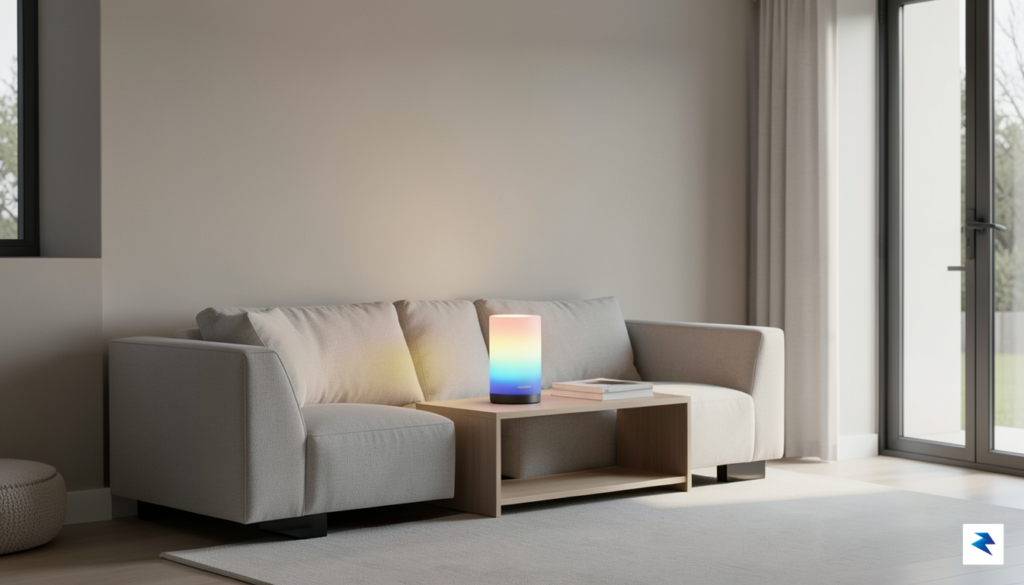
Beyond the ambient aesthetics of the Play series, the company has also refined its core hardware with an enhanced E14 candle bulb range. These updated bulbs are engineered to provide more consistent performance, featuring improved brightness levels and more accurate color reproduction across the entire spectrum. For users who rely on the classic candle-style form factor—often found in chandeliers, wall sconces, or decorative bedside lamps—these upgrades mean tighter integration with the rest of the Hue ecosystem. The refined electronics within the bulbs ensure smoother dimming transitions and more reliable connectivity, which is critical when managing large groups of lights throughout a smart home setup. These improvements ensure that the smallest components of a lighting scheme are just as responsive and capable as the more prominent, standalone lamps.
The integration of these new hardware options suggests a strategic shift toward making high-fidelity lighting a standard feature of the modern home, rather than a luxury niche.
Ultimately, these product launches serve to broaden the creative palette available to Hue users. Whether you are looking to add subtle, vibrant accents to a desk setup with the Play gradient lamps or seeking to upgrade the functional lighting in your hallways with the improved E14 bulbs, these additions offer greater flexibility than ever before. By diversifying the physical form factors of their products, Philips Hue is empowering users to experiment with light in ways that were previously technically difficult or prohibitively expensive. These updates reinforce the idea that a smart home ecosystem is not just about convenience, but about using light to curate the mood and character of every individual room in the house.
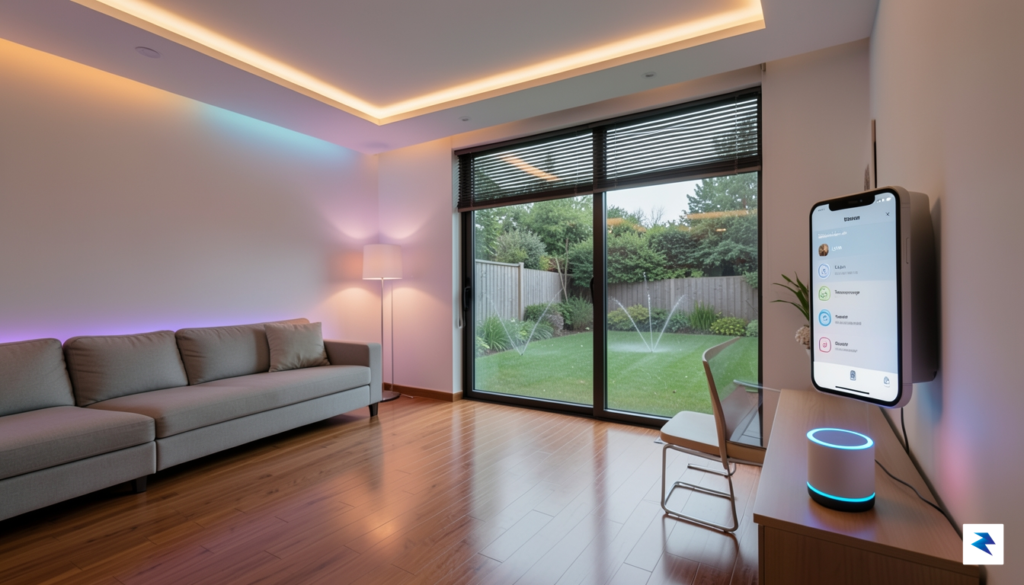
For years, the smart home market has been defined by the “smart bulb” paradigm, where the intelligence of a room was contained entirely within a single glass vessel. While this approach served as a fantastic entry point for early adopters, it created a fragmented experience where wall switches often had to be taped in the “on” position to prevent the smart functionality from being severed. By introducing wired wall modules, Philips Hue is signaling a fundamental shift in its product strategy: moving away from being a mere accessory brand and evolving into a comprehensive home lighting infrastructure provider. This transition reflects a deeper understanding of the modern home, where true automation should be invisible, reliable, and deeply integrated into the physical architecture of the building itself.
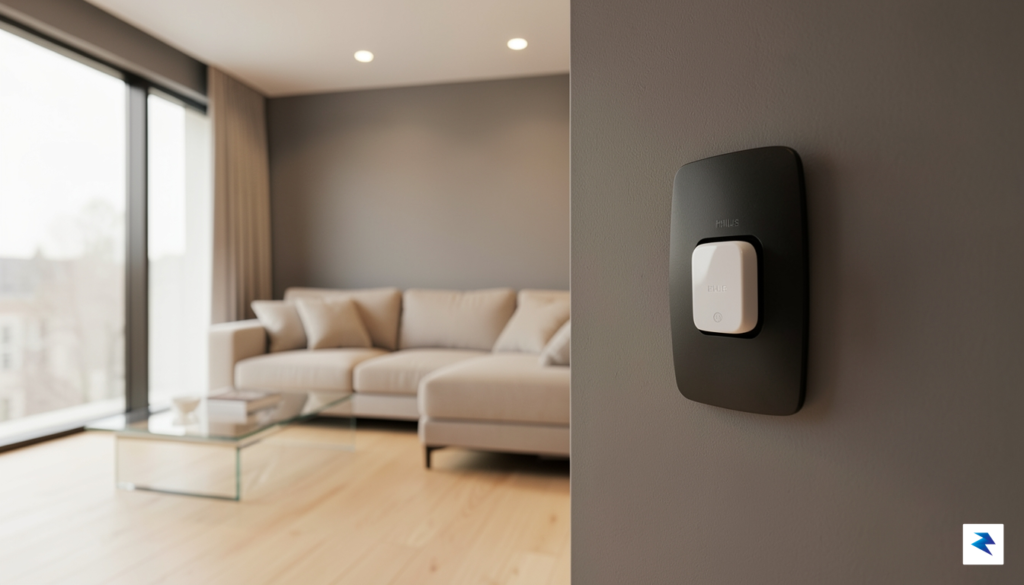
This strategic pivot toward ecosystem-level integration is crucial for the long-term viability of the smart home. By focusing on the “dumb” fixtures—the chandeliers, recessed lighting, and wall-mounted sconces that define a home’s aesthetic—Hue is effectively turning the house itself into a connected device. This approach prioritizes interoperability and user-centric design, ensuring that guests or family members who aren’t tech-savvy can still operate the lights using familiar physical interfaces. When the hardware infrastructure is modernized, the user experience becomes seamless; you no longer have to choose between the convenience of an app or voice command and the tactile satisfaction of a physical switch. It is a bridge between legacy home design and the future of ambient computing.
The true mark of a successful smart home system is its ability to disappear into the background, providing intelligence without demanding constant manual intervention or disrupting the interior design.
For the average consumer, these hardware-level upgrades represent a significant shift in the value proposition of investing in a platform. Instead of viewing smart lighting as a disposable gadget that might be replaced in a few years, owners can now view their Hue installation as a permanent, foundational upgrade to their property. This stability is essential for building consumer trust and encouraging wider adoption of smart home technology. By anchoring their ecosystem in the electrical wiring of the home, Philips Hue is not just selling a product; they are establishing a new standard for how we interact with our living spaces. Ultimately, this move cements Hue’s position as the backbone of the modern home, proving that the most advanced smart technology is the kind that feels like it has been there all along.
You must be logged in to post a comment.