The Cost of Growth: Is the World Cup Getting Too Big?
The Evolution of FIFA’s Scaling Strategy For over two decades, the 32-team format served as the gold standard for international football,…
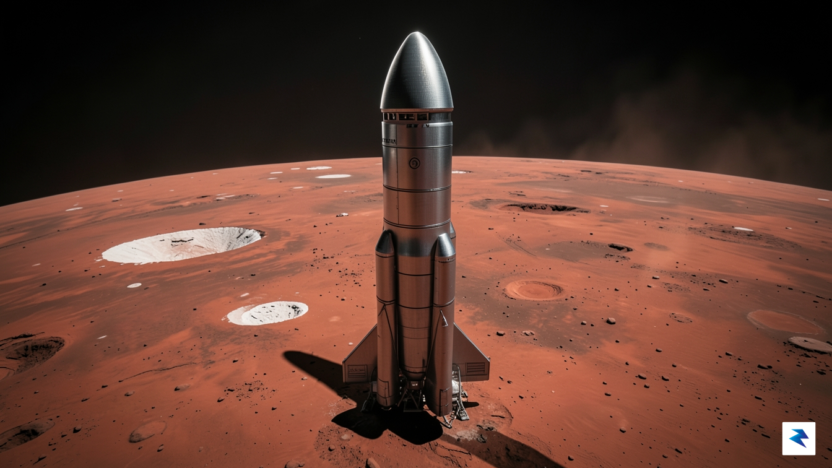

NASA’s recent decision to enlist Relativity Space for a pivotal 2028 mission to Mars marks a definitive turning point in the history of deep-space exploration. By choosing a company renowned for its pioneering use of large-scale 3D printing and autonomous manufacturing, the agency is signaling that it no longer views the private sector merely as a contractor, but as a fundamental architect of its future planetary endeavors. This partnership serves as a bold pivot away from the traditional, rigid in-house manufacturing models that have defined NASA for decades, opting instead for a more agile, cost-effective, and scalable methodology that could drastically accelerate our timeline for reaching the Red Planet.
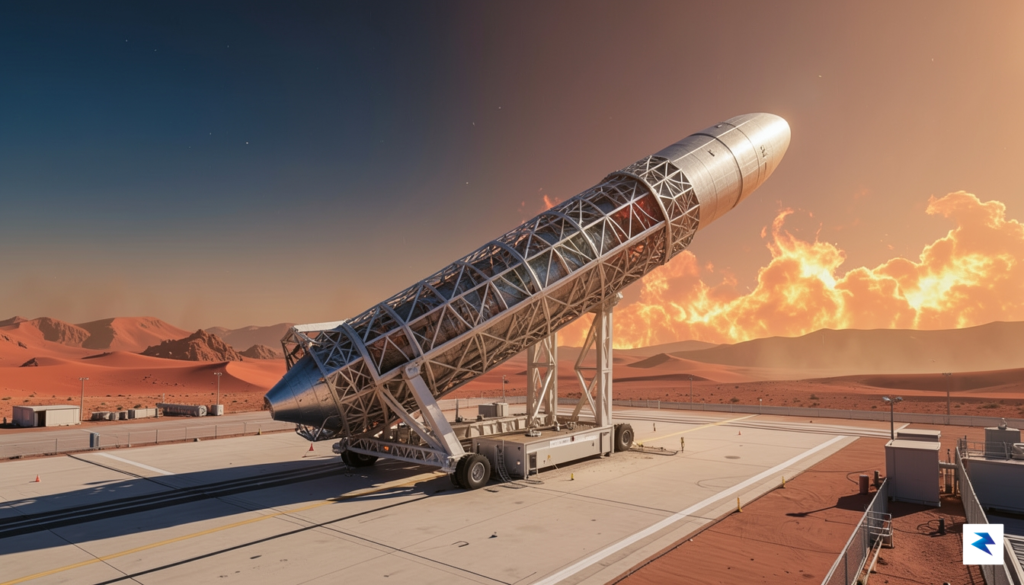
Central to the viability of this ambitious mission is the significant backing of Eric Schmidt, whose strategic investment in Relativity Space has provided the financial and technological runway necessary to turn concept into reality. Schmidt’s involvement reflects a broader trend among tech visionaries who are increasingly bridging the gap between Silicon Valley innovation and aerospace engineering. By leveraging private capital to tackle the immense logistical hurdles of interplanetary travel, this mission proves that the next generation of lunar and Martian exploration will be defined by the synthesis of government oversight and the rapid, iterative design cycles of commercial startups.
The selection of Relativity Space is a testament to the fact that the future of space exploration relies on the seamless integration of advanced manufacturing technologies and robust public-private partnerships.
Furthermore, this collaboration is fundamentally transforming the agency’s logistics chain. Historically, NASA’s deep-space missions were hindered by long development cycles and the immense complexity of legacy supply chains. Relativity Space, however, utilizes proprietary 3D printing technology that allows for the creation of complex rocket structures with fewer parts and significantly less waste. By adopting this approach, NASA is essentially outsourcing the agility required to solve the volatile challenges of the Martian surface. As we look toward 2028, this partnership stands as a blueprint for how future agencies might deploy autonomous systems and human crews with greater frequency, lower costs, and a much higher degree of technical flexibility than ever before.
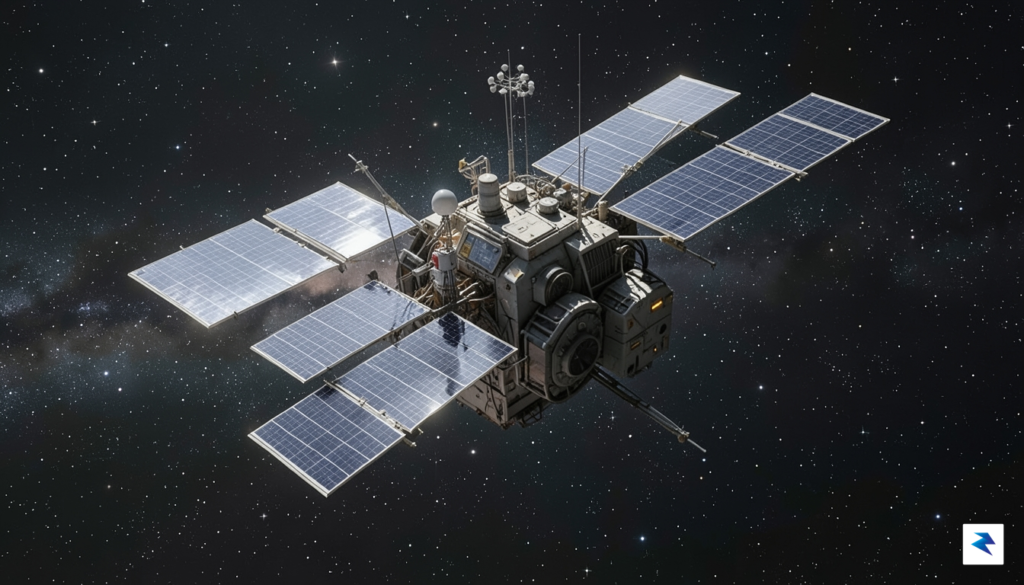
At the center of this ambitious 2028 venture lies the Aeolus payload, a highly specialized suite of sensors and analytical instruments engineered to probe the complexities of the Martian environment. Unlike previous missions that focused primarily on surface geology or subterranean water exploration, Aeolus is specifically designed to characterize the dynamic interaction between the Red Planet’s thin atmosphere and its surface topography. By deploying high-resolution atmospheric monitoring systems, NASA aims to capture unprecedented data regarding localized weather patterns, dust transport mechanisms, and vertical temperature gradients. This information is not merely academic; it is vital for refining the predictive models that future human explorers will rely upon to land safely and operate equipment in one of the most unpredictable climates in the solar system.
The scientific necessity of this mission cannot be overstated, as current gaps in our understanding of Martian meteorology pose significant risks to long-term exploration. Aeolus functions as a sophisticated weather station, systematically documenting how the planet’s atmosphere shifts during seasonal transitions. By gathering granular data on wind velocity and atmospheric pressure at altitudes that were previously difficult to sample, the payload will provide scientists with the missing pieces of the puzzle regarding how Martian weather influences the global dust cycle. Understanding these processes is a cornerstone of NASA’s broader strategy, as these environmental variables directly impact everything from the longevity of solar panels to the structural integrity of landing gear on future crewed vessels.
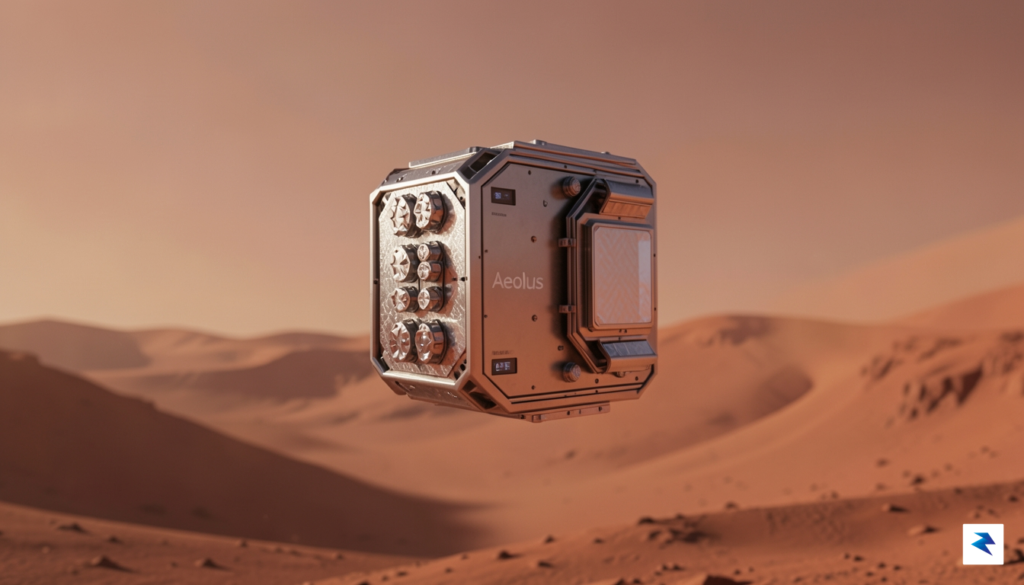
The Aeolus mission serves as a critical bridge between today’s robotic precursors and the future of human presence on Mars, turning environmental unpredictability into manageable scientific data.
Furthermore, the collaboration with Relativity Space represents a pivotal shift in the logistical framework of interplanetary exploration. By leveraging advanced launch vehicles capable of delivering payloads with greater agility and cost-efficiency, NASA is effectively lowering the barrier to entry for high-frequency scientific missions. This partnership signals a move toward a more sustainable exploration model, where smaller, highly specialized missions can be deployed more frequently to fill specific knowledge gaps. As we look toward the 2030s and beyond, the data harvested by Aeolus will prove foundational, ensuring that every subsequent mission is built upon a robust, evidence-based understanding of the Martian landscape, ultimately paving the way for the next giant leap in human spaceflight.
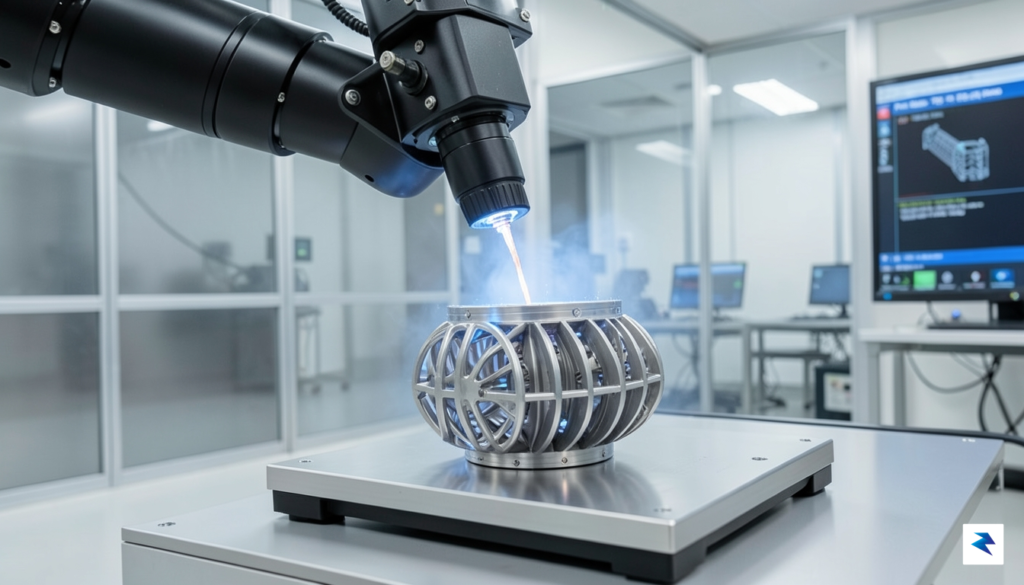
At the heart of Relativity Space’s disruptive approach to aerospace engineering lies its proprietary additive manufacturing technology, which fundamentally reimagines how a rocket is constructed. Rather than relying on the traditional, labor-intensive methods of assembly—which involve thousands of individual parts, complex supply chains, and months of manual welding—the company utilizes massive, custom-built 3D printers to forge its launch vehicles from raw metal alloys. By printing the primary structure of the rocket, Relativity Space effectively collapses the manufacturing timeline, allowing engineers to transition from a digital design to a physical, flight-ready component in a matter of weeks. This shift toward “software-defined” manufacturing provides an unprecedented level of agility, enabling the company to iterate on designs with a speed that legacy aerospace firms simply cannot match.
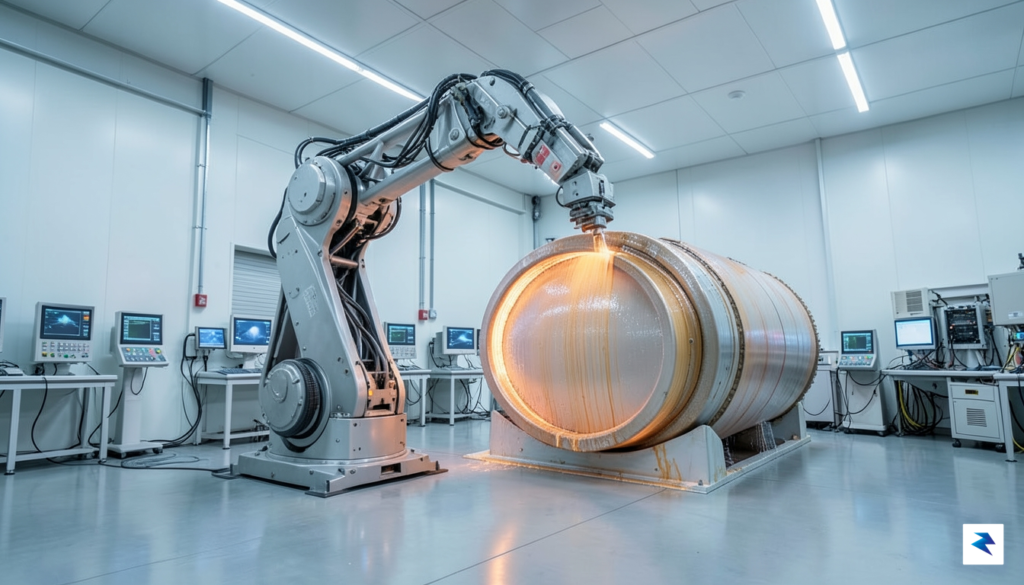
The implications of this technology for deep-space exploration, particularly for a mission as challenging as a 2028 Mars delivery, are profound. Deep-space missions demand extreme structural integrity and highly specialized configurations that are often difficult to achieve with conventional manufacturing. Because Relativity’s process is additive, it minimizes the need for joints, bolts, and seams—the traditional “weak points” where mechanical failure is most likely to occur. By creating monolithic structures that are significantly lighter yet structurally robust, the company maximizes its payload capacity, a critical factor when every kilogram of weight is scrutinized for interplanetary travel. Furthermore, the ability to print parts on demand means that engineering refinements can be integrated almost immediately, ensuring that the mission hardware incorporates the latest performance data rather than being constrained by parts manufactured years in advance.
The integration of additive manufacturing into the launch vehicle production cycle represents a shift from complex mechanical assembly to a simplified, high-fidelity digital process, drastically lowering the statistical probability of launch failures caused by human error or structural fatigue.
Beyond the technical superiority of the hardware, this lean manufacturing philosophy creates a significant reduction in mission risk. In the aerospace sector, complexity is often the primary enemy of reliability; the fewer the parts, the fewer the opportunities for a catastrophic component malfunction. By utilizing a simplified architecture that relies on advanced robotics and real-time monitoring of the printing process, Relativity Space ensures that every rocket is built with a level of consistency that is difficult to replicate through traditional human-led assembly lines. This combination of rapid iteration, structural simplicity, and high-tech efficiency makes the company a uniquely suited partner for NASA’s upcoming Mars objectives. As we look toward the 2028 launch window, it is this ability to blend cutting-edge materials science with agile, automated production that positions Relativity Space at the vanguard of a new era in interplanetary exploration.
The selection of a private firm for a 2028 mission to the Red Planet signals a profound transformation in the architecture of deep space exploration. For decades, NASA served as the primary engineer, manufacturer, and operator of nearly every component of a space mission. However, this new paradigm establishes the agency as a mission architect and sophisticated client, delegating the “heavy lifting”—the intricate engineering of launch vehicles and deep-space cruise stages—to the private sector. By shifting the burden of hardware development to companies like those backed by Eric Schmidt, NASA is effectively fostering a robust marketplace where competition drives down costs and accelerates innovation, ultimately allowing taxpayer dollars to stretch further across an increasingly ambitious portfolio of scientific endeavors.
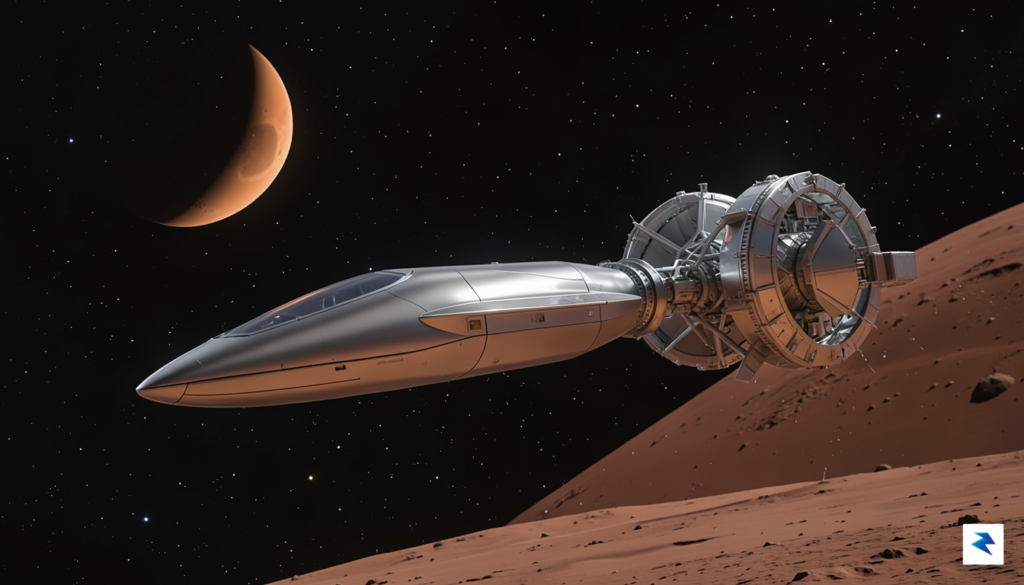
This competitive landscape is not merely a matter of efficiency; it represents a fundamental acceleration of technological maturity. When private firms are incentivized to own the entire supply chain of a mission, they are pushed to innovate more rapidly than traditional, bureaucratic procurement cycles have historically allowed. These companies utilize advanced manufacturing techniques, such as 3D printing and rapid prototyping, to iterate on rocket design at a pace that keeps them ahead of global competitors. Consequently, the public benefits from a more resilient space economy. When the private sector masters the complexities of interplanetary transit, the barrier to entry for scientific research, telecommunications, and even future resource extraction lowers significantly, turning what was once the exclusive domain of national superpowers into a sustainable, accessible frontier.
The transition toward commercial spaceflight ensures that NASA can focus its resources on high-level mission oversight and scientific breakthroughs, while private industry provides the reliable, scalable logistics necessary to sustain a permanent presence beyond Earth’s orbit.
Furthermore, the economic implications for the taxpayer are substantial. By purchasing mission services rather than funding the entire lifecycle of a bespoke government rocket, NASA avoids the massive overhead associated with internal facility maintenance and legacy manufacturing processes. This model encourages private firms to seek out additional commercial clients for their hardware, further amortizing the development costs of these massive rocket systems. As these firms refine their capabilities for a 2028 Mars mission, the resulting technological advancements—ranging from advanced thermal protection systems to autonomous deep-space navigation—become assets that the companies can leverage for other lucrative ventures. This virtuous cycle of development ensures that the mission is not just a one-off government expense, but a foundational step toward a thriving, privately-enabled ecosystem in deep space.
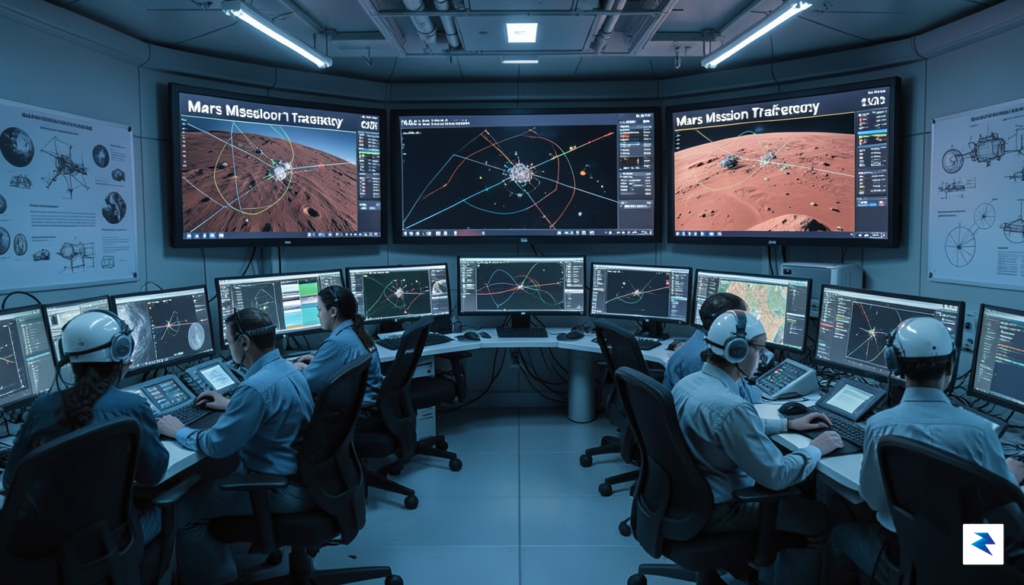
While the excitement around a potential 2028 mission to Mars is palpable, the journey to the Red Planet remains one of humanity’s most formidable undertakings. Historically, Mars missions have faced a daunting failure rate, particularly during the critical entry, descent, and landing (EDL) phases. As the 2028 launch window draws nearer, the innovative partnership between NASA and Relativity Space will be rigorously tested against the harsh realities of interplanetary logistics, the unforgiving vacuum of space, and the absolute necessity for flawless execution at every stage.
The technical challenges extend far beyond the initial launch. Once a spacecraft departs Earth’s gravitational embrace, it embarks on a deep-space cruise that demands exquisite precision and resilience. Navigating across millions of miles, maintaining stable communication links with a significant time delay, and protecting delicate instruments from solar radiation and micrometeoroids are constant battles. Furthermore, the spacecraft must autonomously perform complex maneuvers, course corrections, and system checks over many months, all while operating in an environment where repair is impossible. This long voyage is a testament to engineering prowess, where every component must function perfectly without human intervention.
However, even successful transit doesn’t guarantee mission success; the true crucible lies in the Entry, Descent, and Landing phase. Often dubbed the “seven minutes of terror,” this brief period sees the spacecraft hurtle into Mars’ thin atmosphere, rapidly decelerating from thousands of miles per hour to a gentle touchdown. Mars’ atmosphere is just dense enough to cause significant heating and drag, but too thin to provide robust aerodynamic lift for a simple parachute descent alone. This requires a complex choreography of heat shields, supersonic parachutes, retro-propulsion, and often sky-cranes or airbags, all executing perfectly with mere milliseconds of tolerance. A single miscalculation or component failure can spell the end of a multi-year, multi-billion-dollar effort.
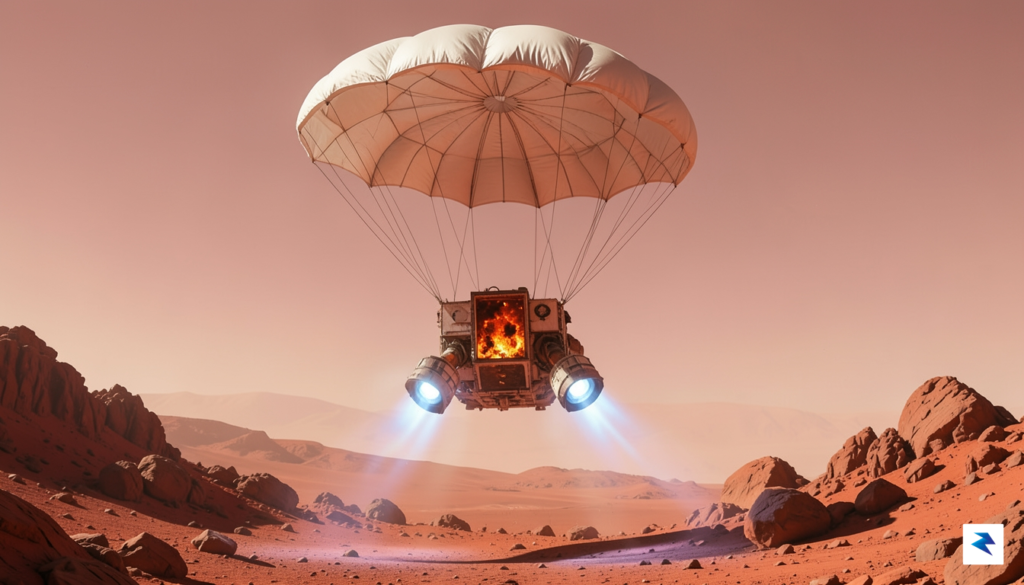
Navigating these profound complexities demands meticulous mission planning and a seamless synergy between NASA’s unparalleled deep-space expertise and Relativity Space’s innovative launch capabilities. The partnership will require an iterative process of design, testing, and refinement, ensuring that the Terran R rocket is not only capable of lifting the necessary payload but that the entire mission architecture, from trajectory calculations to Martian surface operations, is robust and redundant. This collaboration will push the boundaries of current technology and operational protocols, demanding an unprecedented level of integration and shared accountability to overcome the inherent difficulties of interplanetary travel.
Ultimately, success in 2028 would be more than just a scientific triumph; it would be a profound validation of this unique public-private partnership model and a critical stepping stone for humanity’s future presence on Mars. A successful mission would deepen our scientific understanding of the Red Planet, pave the way for more ambitious sample return missions, and crucially, demonstrate the reliability of the next generation of space technology. It would affirm the long-term vision of establishing a sustainable human presence beyond Earth, proving that with meticulous planning, groundbreaking innovation, and relentless dedication, even the most challenging celestial goals are within our reach.
You must be logged in to post a comment.