
NASA Taps Relativity Space for 2028 Mars Mission
The Dawn of a New Mars Partnership NASA’s recent decision to enlist Relativity Space for a pivotal 2028 mission to Mars marks a definitive…


The global smartphone industry finds itself at a critical juncture, navigating a turbulent sea of fluctuating component costs that are fundamentally reshaping product development and market strategies. At the epicenter of this financial maelstrom is Random Access Memory (RAM), a seemingly ubiquitous component that has become an unexpectedly potent force dictating device viability and launch schedules. Recent revelations, such as the delay of anticipated devices, underscore how these economic realities compel companies to make difficult, sometimes public, decisions about their product roadmaps, often to the chagrin of eager consumers.
This period of extreme price volatility for memory chips has been colloquially dubbed ‘RAMageddon’ by many industry insiders, a term that vividly captures the significant impact these shifts have on manufacturers. The phenomenon stems from a complex interplay of factors, including global supply chain disruptions, shifts in consumer demand, and the inherent cyclical nature of semiconductor manufacturing. Essentially, the cost of securing sufficient quantities of high-performance memory, particularly the Low-Power Double Data Rate 5 (LPDDR5) modules favored in modern smartphones, has soared, transforming what was once a relatively stable expense into a major determinant of a device’s final price and profit margin.
Memory types like DRAM (Dynamic Random Access Memory) and its mobile-optimized variant, LPDDR5, are essential for multitasking, running demanding applications, and ensuring a smooth user experience on smartphones. However, the pricing for these critical components is not static; it’s influenced by a delicate balance of supply and demand, manufacturing capacity, and even geopolitical factors. Over the past year, various global supply chain shifts, exacerbated by everything from the lingering effects of the pandemic to increased demand from other sectors like AI and data centers, have tightened the availability of these chips. Consequently, memory has rapidly ascended the ranks to become one of the single most expensive components within a modern mobile device’s bill of materials (BOM).
This dramatic increase in memory costs has a particularly acute effect on the development and pricing of budget-tier smartphones. Manufacturers operating in the highly competitive entry-level and mid-range segments strive to offer compelling features at an accessible price point. When a fundamental component like RAM experiences significant price hikes, it directly erodes the already thin margins associated with more affordable devices. Companies are then faced with unenviable choices: either absorb the increased costs and risk profitability, scale back on other specifications to compensate, or, in more extreme cases, delay or even cancel products that can no longer meet their target price-to-performance ratio. This dynamic explains why even a relatively small fluctuation in RAM prices can have a cascading effect, forcing brands to reconsider the economic viability of new budget-friendly offerings and ultimately influencing what models reach consumers’ hands.


To understand why a company like Nothing would prioritize product longevity and stability over a rushed launch, one must first examine the precarious economic foundation of the budget smartphone market. Unlike flagship devices, which often carry retail price tags exceeding $1,000, budget-friendly handsets operate on razor-thin profit margins. When a manufacturer prices a phone in the sub-$300 category, every single cent spent on the Bill of Materials (BOM) is scrutinized. These devices are engineered with a delicate balance of cost-efficiency, where even a marginal increase in the price of a core component can jeopardize the financial viability of the entire product line.
The primary driver of this pressure is the rigid nature of memory pricing. When global market fluctuations cause the cost of RAM to spike, flagship manufacturers are often insulated by their massive retail markups; they can easily absorb an extra $10 or $20 per unit without significantly impacting their healthy profit margins or the final consumer price. Conversely, for a budget device, a $10 increase in component costs is a significant financial blow. Because the retail price is locked into a competitive “sweet spot” to attract value-conscious consumers, companies cannot simply pass these costs on to the buyer without risking the phone’s market appeal. This creates a scenario where a single commodity price hike can turn a project from a profitable venture into a financial failure before the phone even reaches the retail shelf.

This economic reality forces manufacturers into a difficult corner: they must either compromise on the device’s specifications, launch at a higher-than-intended price point that alienates their target demographic, or delay the release entirely to wait for market stabilization. Choosing to delay, as seen in the recent strategic shifts at Nothing, is often the most prudent long-term decision. By waiting for the cost of critical components like RAM to normalize, the brand protects its reputation for quality and value. If they were to force a launch during a period of inflated costs, they would inevitably have to cut corners in other areas—such as camera quality, display fidelity, or build materials—to compensate for the expensive memory modules.
The true cost of a smartphone is not just in its hardware, but in the volatile intersection of global supply chains and consumer pricing expectations. When the foundation of that cost structure shifts, the entire product strategy must adapt to maintain the integrity of the user experience.
Ultimately, the budget smartphone market relies on a high-volume, low-margin business model that leaves almost zero room for error. When analysts observe a company delaying a product release, it is rarely due to a single technical issue, but rather a reflection of these complex macroeconomic pressures. Maintaining a high standard of quality in an affordable package is a constant struggle against the tides of the semiconductor industry, and for companies aiming to provide genuine value, patience is often the most effective strategy against rising component prices.

Since its inception, the CMF sub-brand has carved out a distinct niche in the mobile market by prioritizing a unique intersection of industrial design and user accessibility. By stripping away the bloatware and unnecessary complexity often found in budget-tier devices, Nothing has successfully fostered a reputation for delivering premium-feeling hardware that doesn’t demand a flagship-level investment. This philosophy hinges on a delicate equilibrium; every component selection is a calculated maneuver to maintain that signature aesthetic while ensuring the device remains within the reach of their core demographic. When global market volatility impacts the cost of essential components, this internal balance is put to the ultimate test.
The recent decision to push back the release of the next iteration of the CMF Phone is a testament to the company’s commitment to its founding principles. Rather than reacting to the sharp rise in DRAM and storage costs by opting for cheaper, lower-performing memory modules, Nothing has chosen the more difficult path of patience. Integrating sub-par hardware would have undoubtedly compromised the fluidity and longevity of the user experience, effectively betraying the trust that early adopters have placed in the CMF label. By delaying the launch, the brand is signaling that it would rather remain silent in the marketplace than speak with a product that fails to meet its established benchmark for quality.
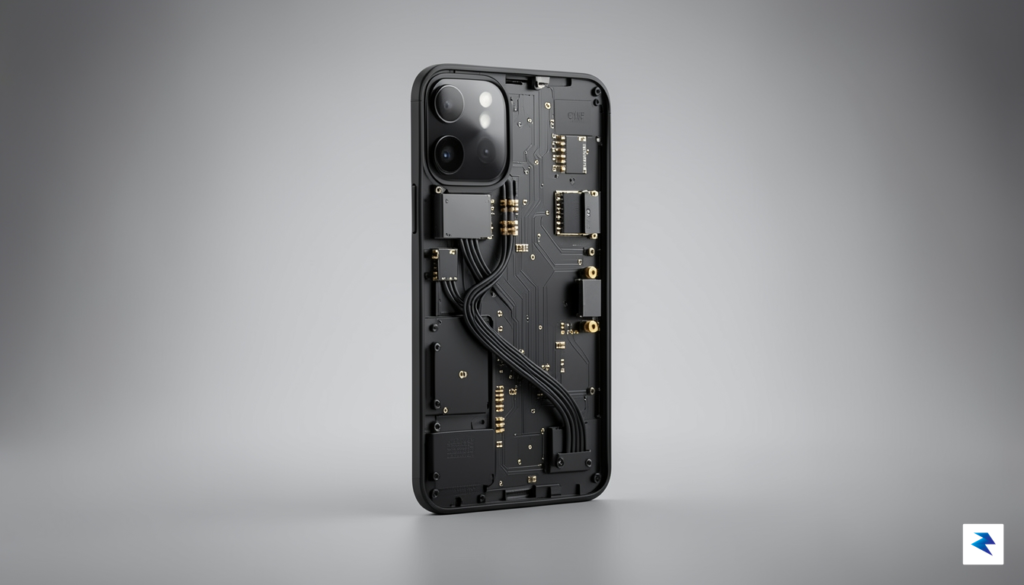
This strategic pause also reflects a refusal to pass the burden of fluctuating supply chain costs directly onto the consumer. Inflationary pressures in the tech sector often result in higher retail price tags, a trend that would directly contradict CMF’s promise of approachable, high-value technology. Choosing to wait out these market instabilities allows the company to maintain its pricing integrity, ensuring that when the next device finally arrives, it remains a true value proposition rather than a victim of cost-cutting measures. It is a calculated move that prioritizes long-term brand equity over the short-term goal of hitting a quarterly release window.
Ultimately, the brand is betting that its audience values the consistency of the Nothing experience more than the convenience of a predictable, annual product cycle.
Ultimately, this decision underscores a sophisticated understanding of the modern consumer’s mindset. Today’s smartphone users are increasingly savvy, recognizing when a manufacturer has cut corners to keep a price low. By maintaining a high standard for performance and design, Nothing is reinforcing the identity of CMF as a premium-adjacent brand. This approach not only protects their reputation but also ensures that when the next phone does hit the shelves, it will be a refined, capable piece of technology that justifies the wait rather than a rushed compromise.

For a young, community-driven brand like Nothing, cultivating a dedicated following is both its greatest strength and its most delicate asset. A sudden gap in the hardware release cycle undoubtedly presents a challenge for consumer loyalty, particularly for fans who have come to expect rapid, disruptive product launches. However, this strategic pause offers a unique opportunity for Nothing to build long-term trust through transparent communication. Instead of rushing a compromised device to market or quietly inflating prices—tactics that often alienate tech-savvy buyers—the decision to halt production demonstrates a level of corporate maturity that respects the consumer’s investment. By openly prioritizing value over arbitrary annual release cycles, the brand reinforces its commitment to quality, transforming a potential disappointment into a masterclass in brand integrity.
By waiting out the current macroeconomic storm, Nothing ensures that the next CMF phone will not be hamstrung by the inflated costs of critical components like system memory. The volatile semiconductor market will eventually stabilize, and when RAM prices normalize, Nothing will be positioned to deliver a device that truly honors the sub-brand’s value-first philosophy. Rather than releasing a watered-down handset with meager specifications just to meet a deadline, this delay allows engineering teams to focus on optimization and refinement. Consequently, when the next iteration finally debuts, it is poised to offer a far more substantial generational leap in performance and longevity than would have been possible under current market constraints.
Key Takeaway: A delayed launch is temporary, but a poorly optimized or overpriced product can permanently damage a brand’s reputation for value.

In the interim, Nothing is well-positioned to pivot its marketing and product strategy to keep its ecosystem vibrant and engaging. Instead of centering its narrative around a single smartphone, the company can channel its creative energy into expanding its highly praised lineup of accessories, smartwatches, and audio gear. These product categories are generally less vulnerable to the extreme component price spikes currently plaguing the mobile phone sector. By enriching the surrounding CMF ecosystem now, Nothing not only maintains its market presence but also builds a more robust family of companion devices. This ensures that when the next smartphone eventually arrives, it will integrate into a mature, highly appealing ecosystem that offers consumers a complete, cohesive tech lifestyle.

The situation surrounding the CMF product roadmap is far from an isolated incident; rather, it serves as a bellwether for the tightening constraints currently gripping the global hardware market. As manufacturers navigate a landscape defined by volatile memory costs and shifting supply chain priorities, the budget smartphone segment—which thrives on razor-thin margins—is becoming increasingly precarious. We are entering a period where the high-performance hardware consumers have come to expect at entry-level prices is clashing head-on with the rising cost of advanced LPDDR5 and flash storage technologies. Consequently, industry observers should anticipate a ripple effect where smaller players and established giants alike begin to prioritize stability over aggressive, rapid-fire product launches.
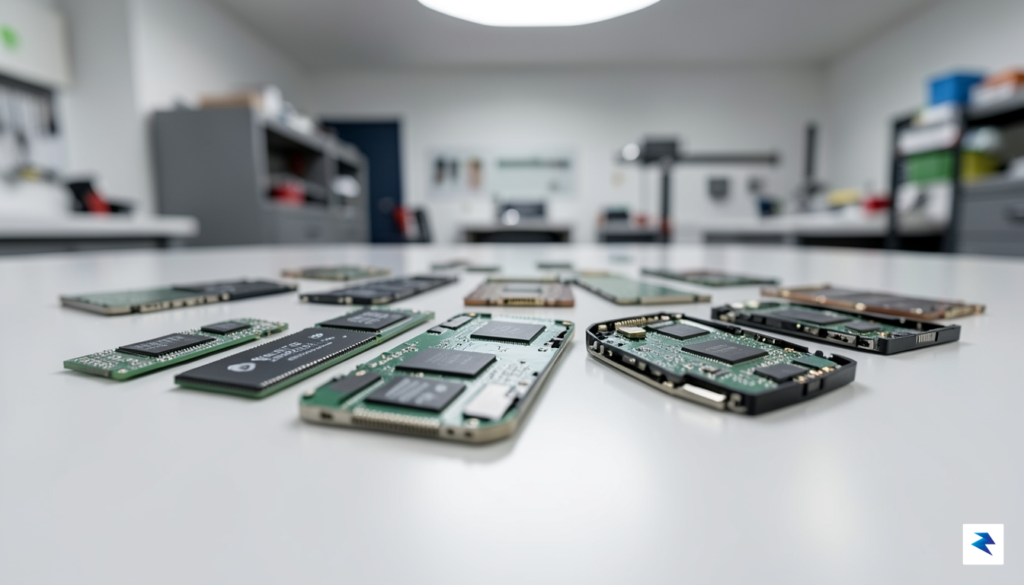
This shift in strategy likely signals a move toward more conservative product cycles across the broader tech ecosystem throughout 2024 and 2025. Instead of the traditional annual refresh, where hardware specifications jump significantly every twelve months, companies may pivot toward iterative, incremental updates that allow them to hedge against fluctuating component prices. By extending the lifecycle of existing models or recycling proven internal architectures, brands can insulate themselves from the unpredictable costs associated with cutting-edge memory procurement. We may also see a notable consolidation in the budget-tier landscape, where manufacturers trim down bloated product portfolios to focus resources on only their most profitable and reliable device lines.
The current volatility in the memory market acts as a natural filter for the industry, pushing manufacturers to favor operational efficiency and long-term supply chain resilience over short-term market saturation.
Ultimately, the evolving economic reality forces a recalibration of consumer expectations. For the average buyer, this means the era of “more for less” is facing a significant cooldown. While high-end flagship devices will continue to push the boundaries of innovation, the budget category is transitioning into a phase of maturity and cautious growth. Consumers should prepare for a market that favors software optimization and sustained support cycles over raw hardware upgrades. As the industry learns to navigate these complex supply chain bottlenecks, the brands that survive will be those that can successfully balance the necessity of affordable pricing with the reality of an increasingly expensive global component market. Moving forward, the resilience of a phone brand will be measured not just by its design language, but by its ability to manage these underlying structural pressures without compromising the core value proposition for its users.
You must be logged in to post a comment.