The Danger of Unregulated Alternative Cancer Therapies
When faced with a terminal diagnosis, the human instinct to survive often pushes patients into a state of profound vulnerability. In this desperate search for hope, many individuals find themselves targeted by fringe clinics that operate entirely outside the boundaries of evidence-based medicine. These predatory operations exploit the emotional exhaustion of patients and their families, promising “miracle” cures that conventional oncology supposedly ignores. By rebranding pseudoscientific rituals as innovative, suppressed medical breakthroughs, these practitioners create a psychological trap that prioritizes profit over the sanctity of human life, often leaving families bankrupt and patients in a state of irreversible physical decline.
The risks inherent in these unregulated settings are not merely theoretical; they are immediate and catastrophic. Unlike legitimate clinical environments that adhere to rigorous safety protocols, ethical standards, and institutional oversight, these rogue clinics operate with total impunity. They frequently employ substances that have no place in human biology, including industrial-grade chemicals like bleach. Proponents of these methods often disguise toxic exposure as “detoxification” or “oxygen therapy,” manipulating the patient’s trust to justify procedures that essentially involve poisoning the body. The introduction of caustic agents into the system, whether through ingestion, injection, or even transdermal absorption via gassing, can lead to immediate tissue necrosis, systemic organ failure, and a rapid, agonizing deterioration of the patient’s remaining quality of life.
The danger of these therapies lies in their ability to disguise severe physical assault as healing. When a patient is told that the pain of chemical exposure is simply the body “fighting the cancer,” they are being subjected to a dangerous form of psychological manipulation that prevents them from seeking the life-saving palliative care they truly need.
Furthermore, the lack of regulatory oversight creates a vacuum where accountability simply does not exist. Because these clinics function in the shadows of the health industry, they bypass the scrutiny of medical boards and the rigorous testing required by regulatory agencies. This absence of checks and balances means that when a procedure goes wrong—and it frequently does—there is no recourse for the victim. These operators rely on the fact that their clientele is often too ill or too ashamed to challenge them, allowing them to cycle through new victims without ever facing the consequences of the trauma they inflict. Ultimately, the shift toward these fringe alternatives represents a dangerous detour from reality, where the pursuit of a false hope can lead to a tragic, preventable end.
The Science Behind Chlorine Dioxide: Why It Is Not a Cure
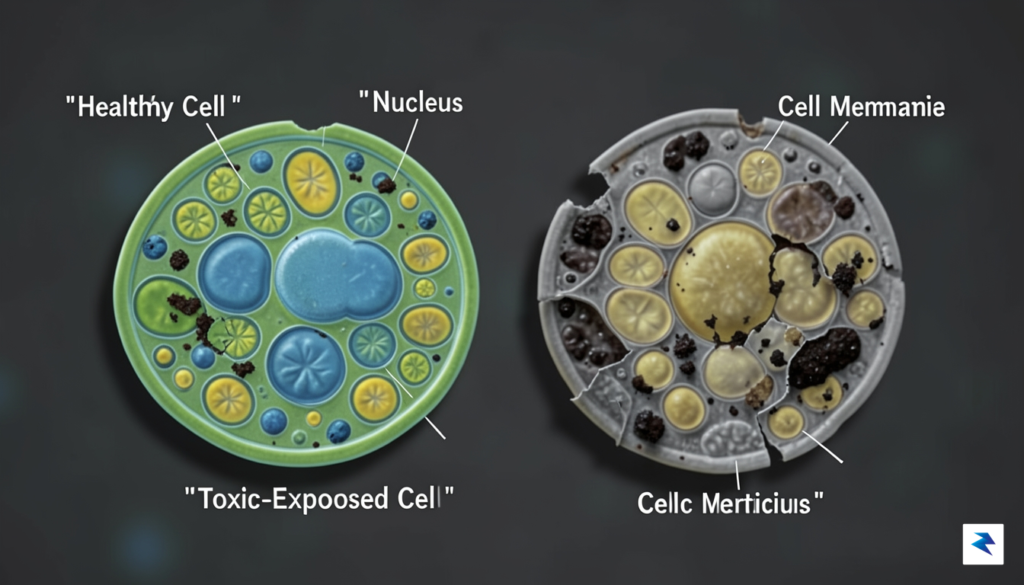
Chlorine dioxide, frequently marketed under the deceptive moniker “Miracle Mineral Solution” (MMS), is fundamentally an industrial bleaching agent rather than a therapeutic medical intervention. At a molecular level, it acts as a potent oxidant, which is precisely why it is effective at stripping color from fabrics and disinfecting surfaces in industrial settings. When proponents of this substance claim that it can “oxidize” cancer cells while leaving healthy tissue unharmed, they are peddling a dangerous misunderstanding of basic biochemistry. In reality, oxidation is a non-selective process; it does not possess the biological intelligence to distinguish between a malignant tumor and the vital, healthy cells that form the lining of your organs.
When ingested or applied topically—especially in the extreme scenarios of gassing individuals in plastic bags—chlorine dioxide causes severe, indiscriminate chemical damage to human tissue. Upon contact, it triggers widespread oxidative stress, which can lead to life-threatening conditions such as acute liver failure, respiratory distress, and severe vomiting and diarrhea, often resulting in dangerous levels of dehydration. The internal lining of the digestive tract is particularly susceptible to this caustic action, leading to erosive damage that can cause long-term physiological complications. Despite the pseudoscientific narrative that this substance “oxygenates” the body to kill cancer, the truth is that it simply inflicts chemical burns on the body’s internal and external surfaces.
The U.S. Food and Drug Administration (FDA) has issued multiple, stern warnings regarding the consumption and use of chlorine dioxide products. They have explicitly stated that these solutions have not been approved for the treatment of any disease, including cancer, and that utilizing them is equivalent to drinking industrial bleach.
Furthermore, the notion that oxygenating the bloodstream via these means can eliminate cancer is medically unfounded. Cancer cells are biologically complex and resilient; they cannot be eradicated by flooding the system with an oxidizing agent that simultaneously destroys the host’s healthy cells. The human body maintains a delicate, tightly regulated pH and oxidative balance, and the introduction of a substance as harsh as chlorine dioxide disrupts these homeostatic systems, often weakening the immune system precisely when it needs to be at its strongest to fight malignancy. By choosing such unverified and hazardous methods, patients often delay proven, evidence-based oncological treatments that have been rigorously tested for safety and efficacy, thereby significantly reducing their chances of survival and recovery.
Psychological Vulnerability: Why Patients Fall for Pseudoscientific Claims

When an individual faces a terminal or late-stage cancer diagnosis, the world often shrinks to a terrifying focus on mortality. In these moments of profound vulnerability, the logic of evidence-based medicine—which may involve grueling chemotherapy, radiation, or surgery—can feel cold, invasive, and inherently toxic. Scammers and proponents of pseudoscientific treatments exploit this emotional landscape by framing their offerings as a gentle, natural, and holistic “alternative” to the perceived brutality of conventional oncology. By positioning these dangerous practices as a path to healing that avoids the physical toll of established protocols, they tap into a primal human desire for hope, control, and agency when a patient feels as though they have lost all three.
A central pillar of these predatory marketing strategies is the deliberate cultivation of distrust toward the medical establishment, often referred to under the umbrella of “Big Pharma.” Scammers spin elaborate narratives suggesting that effective, cheap cures are being suppressed by profit-driven corporations and complicit doctors. This framing serves a dual purpose: it explains away the lack of clinical evidence for their “cures” as a result of a massive, systemic cover-up, and it paints the scammer as a heroic, persecuted truth-teller. For a patient already feeling failed by their doctors, this conspiratorial rhetoric provides a seductive sense of insider knowledge, making the victim feel that they have finally found a secret, life-saving remedy that the mainstream medical world refuses to acknowledge.

The power of the anecdotal success story cannot be overstated in the context of these medical scams. While scientific rigor relies on large-scale, randomized, and peer-reviewed trials, the human brain is wired to prioritize personal narratives and emotionally charged testimonials. When a scammer presents a handful of “miracle survivors” who claim they beat the odds through unconventional methods, the listener is naturally inclined to disregard the overwhelming statistical reality of cancer progression. These stories are emotionally persuasive because they promise an outcome that the patient desperately wants to believe in. They bypass analytical critical thinking, offering a tangible vision of health that feels more real—and certainly more appealing—than the sober, often uncertain prognostications offered by oncologists.
The most dangerous aspect of these scams is not just the financial exploitation, but the way they weaponize the patient’s own hope, convincing them to abandon life-extending treatments in favor of methods that are not only ineffective but physically destructive.
Ultimately, these pseudoscientific “treatments” flourish because they offer something that medicine sometimes cannot: the illusion of a painless, easy solution. In the absence of a guaranteed cure, the fear of death drives individuals toward anyone who speaks with absolute, unwavering confidence. By rejecting the measured, honest language of doctors who discuss risks and probabilities, patients fall into the trap of charismatic snake-oil salesmen who promise a miracle. This psychological trap is incredibly difficult to escape once the patient has invested their time, money, and emotional energy into a false hope, creating a cycle of dependency that is as tragic as it is deadly.
Regulatory Gaps and the Responsibility of Medical Oversight

The proliferation of dangerous, pseudoscientific cancer protocols reveals a profound and systemic failure in how modern healthcare systems govern non-traditional practitioners. Many of these facilities operate in a regulatory gray area by strategically branding themselves as “wellness centers,” “holistic retreats,” or “lifestyle consulting firms” rather than medical clinics. By avoiding the formal designation of a medical practice, these entities effectively circumvent the rigorous oversight of state medical boards, which typically monitor licensed physicians and hospitals. This linguistic sleight of hand allows bad actors to bypass the ethical standards, peer-review requirements, and diagnostic protocols that are mandatory for legitimate oncological care, leaving vulnerable patients without the protection of standard medical accountability.

Furthermore, the challenge of enforcement is compounded by the global nature of these operations. Many facilities offering scientifically unsubstantiated treatments—such as industrial bleach gasings or toxic supplement regimens—deliberately choose to locate themselves in jurisdictions with lax health regulations or limited international extradition and enforcement treaties. When clinics operate across borders, domestic health agencies often find their jurisdiction abruptly terminated, making it nearly impossible to shut down operations or prosecute practitioners for the harm they cause. This creates a “medical tourism” trap where desperate patients travel abroad seeking hope, only to find themselves in an environment where government agencies have little to no power to intervene, even when clear evidence of life-threatening malpractice exists.
The burden of safety should not fall solely on the consumer, especially when they are facing a terminal diagnosis and are inherently susceptible to exploitative marketing tactics.
To address these systemic vulnerabilities, there must be a fundamental shift in how health authorities track and categorize alternative health businesses. Policymakers must move beyond current reactive measures and implement proactive licensing requirements that mandate transparency for any business making therapeutic claims, regardless of how they self-identify. Holding these practitioners accountable requires a multi-agency approach that coordinates between consumer protection bureaus and medical licensing boards to ensure that “wellness” is not used as a shield for medically dangerous activities. Until these regulatory loopholes are closed, patients remain at significant risk, as the current environment essentially treats the marketing of lethal misinformation as a protected form of business rather than a grave threat to public health.
Protecting Yourself: How to Spot Medical Fraud

Navigating a cancer diagnosis is an incredibly challenging journey, fraught with emotional distress and a desperate search for effective solutions. This vulnerability, unfortunately, makes patients and their families prime targets for unscrupulous individuals peddling unproven or outright dangerous “cures.” Protecting yourself and your loved ones from medical fraud requires vigilance and a clear understanding of what legitimate medical care entails, especially when confronted with claims that sound too good to be true. By learning to identify common red flags, you can better discern authentic medical advice from exploitative scams.
One significant red flag to watch out for is any treatment plan that demands exorbitant upfront fees for “secret” or “proprietary” formulas. Legitimate medical research and treatments, while sometimes costly, are generally transparent about their components, mechanisms, and pricing structure, often covered by insurance or subject to clear financial aid policies. Scammers, on the other hand, frequently shroud their methods in secrecy, claiming unique, patented discoveries that cannot be independently verified, making it impossible for patients or other medical professionals to assess their true value or safety. This deliberate lack of transparency is a hallmark of fraud, designed to prevent scrutiny and comparison with established, evidence-based therapies.
Furthermore, be extremely wary of treatments promoted primarily through personal testimonials and anecdotal success stories rather than robust clinical data. While individual experiences can be powerful and offer emotional support, they do not constitute scientific proof of efficacy or safety for a broader population. Legitimate medical treatments undergo rigorous, multi-phase clinical trials involving large groups of patients, comparing the new treatment against placebos or existing standard care to objectively measure its effects and identify potential side effects. Any therapy that relies solely on a handful of “miracle” stories, often shared by individuals with no medical background, should raise immediate suspicion as it sidesteps the scientific process designed to protect patients.
A critical indicator of medical legitimacy is the availability of peer-reviewed scientific literature supporting the treatment. Peer review is a rigorous process where independent experts in the same field scrutinize research findings before publication, ensuring methodological soundness, data accuracy, and valid conclusions. If a treatment lacks published research in reputable medical journals, or if its only “evidence” comes from self-published books, obscure websites, or biased promotional materials, it likely has not withstood scientific scrutiny. Always ask for studies published in journals recognized by the medical community, such as The New England Journal of Medicine, JAMA, or The Lancet, which uphold stringent standards for scientific validity.
Exercise extreme caution when encountering treatments that promise “miracle cures,” “total body detoxifications,” or use vague, pseudoscientific language to explain complex biological processes. Terms like “alkalizing the body