
Ambani’s AI Gambit: Bringing Artificial Intelligence to 500 Million Users
The Vision: Transforming India's Digital Landscape For over a decade, Reliance Jio has functioned as the bedrock of India’s digital…

The relationship between Amazon and the burgeoning world of artificial intelligence has long been defined by a staggering scale of financial commitment. With over $50 billion poured into the sector—most notably through its massive stake in Anthropic and deep infrastructure integration via AWS—Amazon has positioned itself not merely as a participant, but as a foundational architect of the AI revolution. However, the recent decision by Amazon MGM Studios to abruptly pull the plug on Artificial, a high-profile documentary centered on the rise of OpenAI, reveals a profound, underlying tension. This strategic pivot highlights the discomfort that arises when the roles of venture capitalist and media tastemaker collide, forcing the company to weigh its massive capital investments against the unpredictable nature of public perception.
For a conglomerate like Amazon, maintaining a pristine brand image is as crucial as maintaining its server farms. By bankrolling the development of large language models, the company effectively acts as a corporate patron of the digital age. Yet, when Amazon MGM Studios takes on the role of a storyteller, it inherits a different set of risks. A documentary, by nature, requires a degree of critical distance and narrative tension to remain engaging for a general audience. When that subject is a partner or a direct competitor in the high-stakes AI race, the line between objective journalism and corporate branding becomes perilously thin. The cancellation of Artificial suggests that the studio may have realized that documenting the complexities—and the controversies—of OpenAI could inadvertently jeopardize the delicate ecosystem of alliances and public trust that Amazon has spent years carefully cultivating.

The decision to abandon a project that shines a spotlight on the internal workings of AI development signals that tech giants are no longer comfortable with the “wild west” era of tech storytelling.
Ultimately, this move represents a broader recalibration of how tech giants manage their influence. Amazon is currently operating in a landscape where the scrutiny on AI is intensifying, with regulators and the public alike questioning the ethics, labor practices, and monopolistic tendencies of the industry’s biggest players. In this environment, a film that might have once served as a marketing asset—showcasing the “magic” of innovation—instead morphed into a strategic liability. By stepping back, Amazon is signaling that it prefers to keep its AI narrative tightly controlled through press releases and technical white papers rather than through the lens of independent filmmakers who might ask the questions the company is not yet ready to answer.

The documentary project titled Artificial was initially conceived as an ambitious, fly-on-the-wall examination of OpenAI’s meteoric ascent, promising audiences a rare, unfiltered perspective on the people and ethics behind the generative AI revolution. By securing unprecedented access during a period of rapid industry transformation, the production team aimed to capture the tension between rapid innovation and the existential risks that have come to define the public discourse around large language models. However, the project soon encountered the inherent difficulty of documenting a “moving target”; as OpenAI shifted from a research-focused nonprofit to a global commercial titan, the narrative goalposts moved with it, rendering the original focus of the documentary increasingly obsolete.

Documenting a company as volatile and fast-paced as OpenAI presents a unique challenge for filmmakers who require a stable narrative arc to build a cohesive story. As the internal landscape of the organization evolved—marked by high-profile leadership shifts, board dramas, and significant product pivots—the footage captured early in the process began to feel like a historical artifact of a company that no longer exists in its original form. Consequently, Amazon’s decision to part ways with the project reflects a strategic recalculation regarding the viability of capturing such a fluid subject. Rather than forcing a narrative onto a story that was constantly rewriting its own ending, the studio opted to step back, acknowledging that the documentary might be better served by a different perspective or a longer timeline.
The decision to return the rights to the filmmakers serves as a pragmatic “soft landing” for a project that had outgrown its original scope and editorial vision.
In the entertainment industry, releasing a project back to its creators is often viewed as a diplomatic alternative to outright cancellation. By facilitating this transition, Amazon allows the filmmakers the creative freedom to seek new distribution partners or reshape the material without the constraints of a corporate mandate. This move demonstrates a shift in how major tech-backed studios handle high-stakes non-fiction content; instead of burying the material, they are choosing to clear the path for the creators to finish their work on their own terms. Ultimately, this approach preserves the integrity of the documentary, ensuring that if and when Artificial reaches the screen, it does so as an independent vision rather than a sanitized, studio-approved product that failed to capture the true gravity of the AI movement.

In an era where technology giants wield immense influence, not just over our digital lives but increasingly over public perception, the narrative surrounding groundbreaking innovations like artificial intelligence becomes a battleground. When major studios, often arms of sprawling tech conglomerates, decide to invest in documentaries about leading AI developers, an inherent tension immediately arises. On one side stands the powerful corporation, eager to shape a favorable public image and control the discourse around its multi-billion-dollar investments. On the other, the ideal of independent storytelling, aiming for objective truth and critical insight, often finds itself in conflict with these corporate public relations interests.
The difficulty of maintaining objective journalism becomes particularly acute when the subject of a film is a company in which the distributor has a massive financial or strategic stake. Imagine a scenario where a studio, itself part of a larger tech ecosystem, is tasked with telling the story of an AI firm that might be a future partner, a cloud computing client, or even a competitor. This intertwined relationship creates a powerful, often subconscious, incentive to present a narrative that aligns with the distributor’s broader business objectives, rather than an unvarnished, investigative account. The very act of funding a documentary about a company you’re deeply invested in can subtly, or not so subtly, steer the creative process away from critical examination and towards a more promotional portrayal.
This dynamic highlights a crucial distinction between what constitutes truly independent investigative film and what can be classified as sophisticated ‘branded content’ within the tech sector. While branded content serves a legitimate marketing purpose, it is fundamentally designed to enhance a company’s image and messaging. An independent documentary, conversely, aims to explore complexities, interrogate claims, and often challenge prevailing narratives, even if it means uncovering uncomfortable truths. The tech industry, with its rapid advancements and profound societal implications, desperately needs the latter. Yet, the allure of having a polished, studio-backed film tell your story is powerful, sometimes blurring the ethical lines and making it harder for audiences to discern whose interests are truly being served.
Furthermore, the reality of the AI industry’s rapid evolution complicates any fixed narrative. AI is not a static subject; it’s a dynamic, fast-moving field where breakthroughs, ethical dilemmas, and regulatory debates emerge almost daily. A documentary conceived even a year ago might already be outdated in its scope or understanding of the technology’s implications. Independent filmmakers, often working with fewer layers of corporate approval, possess the agility to adapt to these shifts, capturing the evolving landscape in a more timely and authentic manner. Corporate-backed projects, however, can be stifled by internal review processes and a desire to maintain a consistent, often sanitized, message, making them less equipped to reflect the true, often chaotic, pace of AI development.
Ultimately, the tension between capital and content in the AI media landscape underscores a broader ethical challenge for media and journalism. As AI reshapes industries and societies, the public’s understanding must be built on accurate, unbiased information, not curated corporate narratives. Independent voices, free from the entanglements of financial interest, are indispensable in providing the critical perspectives necessary for informed public discourse. Without them, the stories we consume about groundbreaking technologies risk becoming mere extensions of corporate PR, rather than genuine explorations of human innovation and its far-reaching consequences.
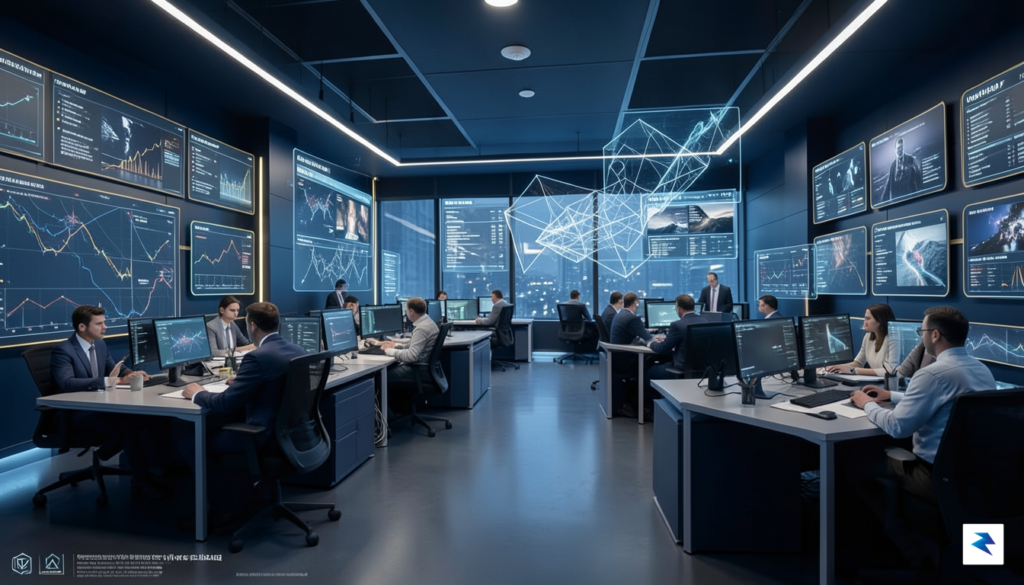
The collapse of the Amazon-backed project centered on OpenAI serves as a stark reminder of the inherent friction between the creative independence of documentary filmmaking and the strategic priorities of massive tech conglomerates. As these companies shift from being mere platforms for distribution to active financiers of content, they inevitably invite questions about the neutrality of the stories being told. When a corporation funds a project about its own industry—or its own strategic partners—the line between a journalistic investigation and a corporate-sanctioned narrative becomes dangerously thin. This specific withdrawal suggests that even the world’s most powerful production houses are increasingly skittish about greenlighting content that might complicate their sensitive relationships with AI pioneers or potentially expose the industry to unwanted scrutiny.
This trend toward tech-funded media projects carries a significant risk of institutionalized self-censorship. When a production is bankrolled by the very entities whose business models are being analyzed, the pressure to “soften” critical edges is immense, often leading to projects that feel more like promotional efforts than rigorous explorations of the truth. Producers and directors, aware of where their funding originates, may consciously or unconsciously steer clear of the most controversial aspects of AI development, such as labor exploitation, data privacy concerns, or the existential risks posed by rapid, unchecked progress. Consequently, the audience is left with a sanitized version of reality that prioritizes corporate image protection over the messy, uncomfortable, and necessary questions that define our digital age.
The core danger of corporate-backed journalism is not necessarily overt censorship, but the subtle, persistent pressure to prioritize the brand’s reputation over the public’s right to critical inquiry.
Moving forward, this high-profile fallout is likely to have a cooling effect on future tech-adjacent documentary projects, causing both creators and financiers to tread more carefully. Independent filmmakers may find it harder to secure funding from traditional studios that have intertwined their interests with Silicon Valley, leading to a landscape where only “safe,” non-critical content receives widespread distribution. This shift creates a vacuum where rigorous, investigative storytelling becomes a rarity, forcing viewers to rely on independent or decentralized media to get an unvarnished look at the tech sector. Ultimately, if the industry continues to treat the narrative of AI as a proprietary asset rather than a public interest story, we risk losing the very transparency that is required to hold these powerful technological actors accountable.


The quiet cancellation of the documentary project about OpenAI serves as a watershed moment for how the entertainment industry approaches the tech sector. This decision highlights the inherent conflict of interest that arises when massive conglomerates attempt to document their direct competitors or strategic partners in the highly volatile artificial intelligence landscape. Because major tech entities are deeply entangled in cloud computing partnerships, semiconductor distribution, and competing large language models, telling an objective story through their own media arms becomes a minefield of corporate diplomacy. The ultimate lesson of this abandoned project is that authentic, hard-hitting storytelling about revolutionary technologies struggles to survive when subjected to the scrutiny of boardrooms where billions of dollars in enterprise value are at stake.
Consequently, we are likely on the cusp of a major shift in how artificial intelligence is portrayed on screen, with the most compelling narratives migrating away from big-tech-backed studios toward independent creators. Independent filmmakers and boutique production houses, free from the constraints of multi-billion-dollar cloud contracts and corporate non-disclosure agreements, are far better positioned to ask the difficult questions about the societal impacts of automation. These decentralized storytellers can explore the nuanced realities of algorithmic bias, labor displacement, and the existential ethics of machine learning without fear of alienating a vital corporate ally. Moving forward, the definitive documentaries and dramas about the AI revolution will likely resemble the gritty, investigative journalism of the early internet era rather than the highly polished, access-driven profiles favored by major streaming platforms.
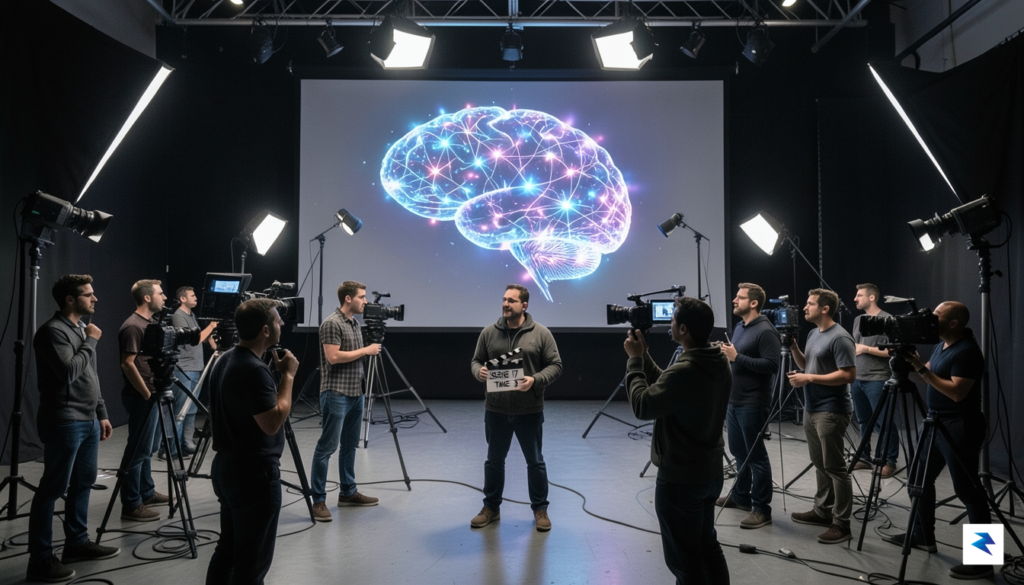
This evolution underscores a broader, more critical need for absolute transparency when tech-funded entities produce media projects that touch upon their own industry. Audiences are becoming increasingly sophisticated and skeptical of corporate hagiographies disguised as objective investigative journalism. If the media divisions of massive technology conglomerates want to maintain their creative credibility, they must establish rigorous, impenetrable firewalls between their content production houses and their corporate development wings. Ultimately, the narratives that shape our collective understanding of artificial intelligence must be guided by intellectual honesty and public interest, rather than the shifting alliances of Silicon Valley power brokers.
As artificial intelligence continues to reshape the fabric of human society, the public deserves narratives crafted by independent voices who prioritize ethical inquiry over corporate diplomacy.
You must be logged in to post a comment.