
The Paradigm Shift in Crypto Security
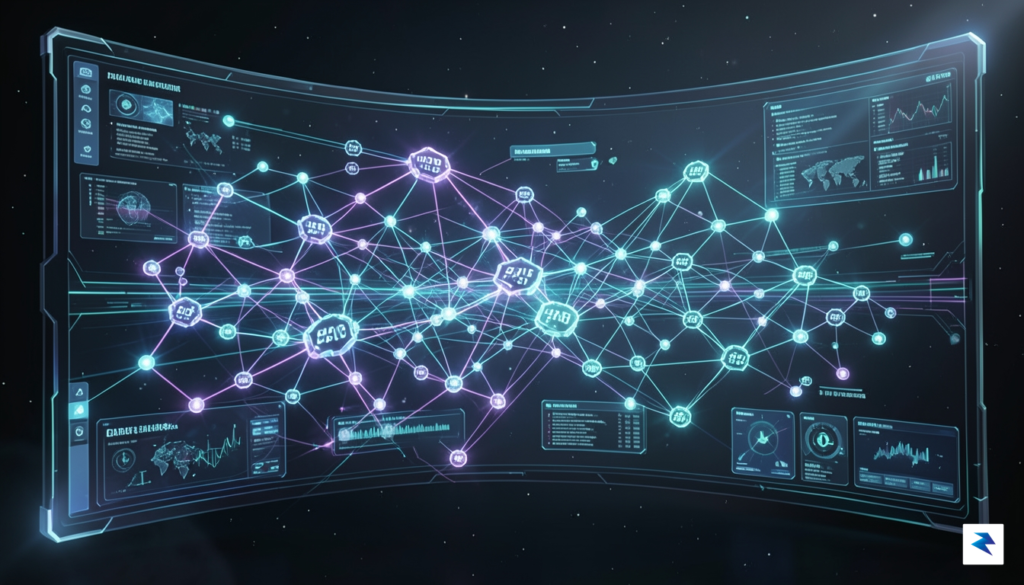
For years, the gold standard of decentralized finance (DeFi) security has been the manual audit—a process that is as prestigious as it is problematic. Developers would spend weeks, sometimes months, waiting for elite security firms to pore over thousands of lines of Solidity code, often paying exorbitant fees for the privilege. This reliance on human expertise created a significant “security bottleneck” that stifled innovation. Startups were frequently forced to choose between rushing a product to market with potential vulnerabilities or stalling their momentum for an audit cycle that could cost as much as their initial development budget. In this environment, security was treated as a final, static milestone rather than an ongoing necessity, leaving the ecosystem perpetually vulnerable to sophisticated exploits that surfaced only after deployment.
The integration of artificial intelligence is fundamentally shattering this antiquated, labor-intensive model. Rather than viewing security as a checkpoint that occurs once before launch, AI-driven tools are enabling a transition toward continuous, proactive monitoring. Modern machine learning models can ingest vast datasets of historical exploits and edge cases, allowing them to scan codebases for vulnerabilities in seconds rather than weeks. This shift democratizes access to high-level security, ensuring that even smaller projects can benefit from rigorous testing that was previously reserved for well-funded protocols. By automating the identification of common bugs and logic flaws, AI effectively clears the path for developers to focus on higher-level architectural innovation rather than getting bogged down in the minutiae of defensive coding.
The true power of AI in crypto security lies not just in finding bugs, but in shifting the industry’s philosophy from reactive patching to proactive, real-time resilience.
This evolution represents more than just a speed upgrade; it is a complete restructuring of the due diligence process. Where humans are prone to fatigue and oversights during repetitive code reviews, AI-powered scanners remain vigilant, analyzing every commit with mathematical precision. This continuous feedback loop creates a “security-by-design” environment where risks are flagged during the development phase rather than being discovered post-mortem. As these tools become more sophisticated, the barrier to entry for secure decentralized applications will drop significantly, making the blockchain landscape safer for the average user while simultaneously raising the cost of failure for malicious actors. By moving from intermittent human checkpoints to an always-on, AI-managed layer of protection, the industry is finally moving toward a more sustainable and robust future.
How AI is Democratizing Code Audits
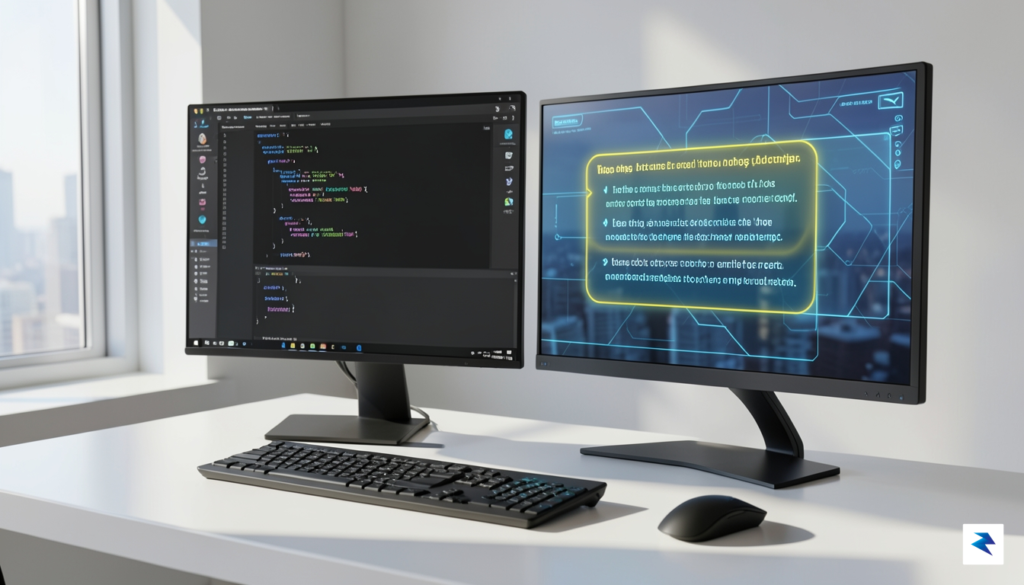
For years, the gold standard of crypto security—a comprehensive manual code audit—functioned as a high-priced barrier to entry that only well-funded decentralized finance protocols could afford. Professional firms often charge tens of thousands of dollars for a single engagement, creating a landscape where indie developers and early-stage startups were forced to launch with significantly higher risk profiles. However, the integration of artificial intelligence is fundamentally shattering this economic bottleneck. By leveraging machine learning models trained on vast repositories of open-source smart contracts, developers can now deploy automated security layers that perform deep-dive analysis at a fraction of the traditional cost.
The technical efficiency gains provided by AI tools are nothing short of transformative for the development lifecycle. Where human auditors might spend days meticulously combing through thousands of lines of code to identify subtle logic flaws, AI-driven scanners can pinpoint critical vulnerabilities—such as reentrancy attacks, integer overflows, and improper access controls—in mere seconds. This rapid feedback loop allows developers to iterate on their code in real-time, catching catastrophic errors long before they ever reach a mainnet deployment. Consequently, the traditional “time-to-market” for new protocols is drastically compressed, as the long, agonizing waiting lists for top-tier security firms no longer act as the primary constraint on innovation.
The democratization of security is not just about saving money; it is about raising the baseline for the entire ecosystem so that even the smallest project can operate with institutional-grade confidence.
This shift is particularly empowering for indie developers who previously operated in a “security vacuum.” By providing sophisticated diagnostic capabilities directly within the integrated development environment (IDE), these AI tools act as a 24/7 security consultant that never sleeps and never misses a known exploit pattern. Furthermore, because these models continuously learn from every new hack and patch across the industry, they offer a level of vigilance that is difficult to achieve through static, point-in-time human audits alone. As these tools become more accessible, we are moving toward a future where “secure by default” is the industry standard rather than a luxury service, ultimately fostering a more resilient and trustworthy decentralized economy for every participant.
Raising the Bar for Institutional Due Diligence

The arrival of artificial intelligence in the security sector has fundamentally altered the landscape of institutional finance, shifting the definition of “reasonable due diligence” from a static obligation to a dynamic, ongoing process. In the past, institutional investors relied on sporadic, manual audits that provided a snapshot of a protocol’s security at a specific point in time. However, as AI-powered security tools move toward becoming the industry standard, these occasional checks are no longer sufficient to satisfy fiduciary responsibilities. The market now expects, and increasingly demands, continuous, AI-verified security telemetry that proves a platform’s resilience against evolving threats in real-time.
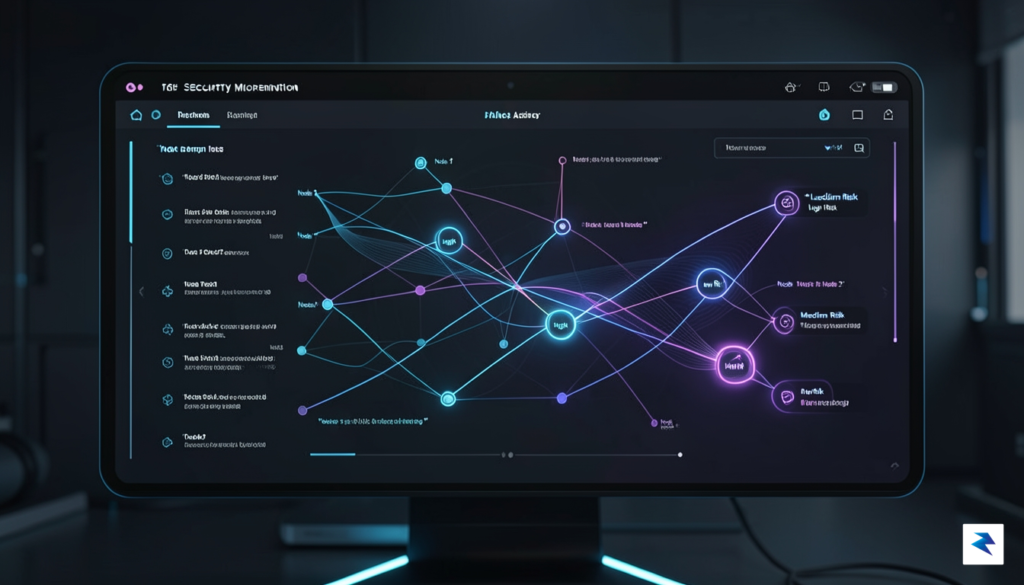
This transition toward automated, persistent oversight means that the legal and reputational risks of maintaining outdated security standards have skyrocketed. If an institution suffers a breach due to an exploit that could have been identified by modern AI forensic tools, the failure to employ those tools may now be viewed as a lapse in professional judgment. Regulators and stakeholders are beginning to treat the omission of AI-integrated auditing as a failure to conduct proper risk management. Consequently, the adoption of these technologies is shifting from a competitive advantage to a baseline prerequisite for institutional partnerships and capital allocation.
In the modern digital asset ecosystem, security is no longer a destination achieved through a single audit; it is a continuous state maintained by the relentless vigilance of artificial intelligence.
Furthermore, AI-driven auditing platforms are bridging the transparency gap that historically kept many institutional players on the sidelines of the crypto market. By providing instantaneous, granular insights into smart contract vulnerabilities and suspicious on-chain patterns, these tools allow institutions to conduct deep-dive due diligence without the typical lag associated with human-led security firms. This shift forces a new standard where protocols seeking institutional liquidity must demonstrate not only their technical documentation but also their compatibility with automated, transparent security verification systems. As this trend accelerates, we are witnessing the emergence of a more mature, resilient market where trust is verified programmatically rather than assumed through reputation alone. By integrating these AI-native workflows, institutional investors are effectively raising the barrier to entry for malicious actors, thereby fostering a safer environment for digital asset adoption at scale.
The Double-Edged Sword: AI as a Tool for Attackers

While the integration of artificial intelligence into blockchain security offers a robust shield for developers, it is imperative to acknowledge that this technology is inherently neutral. The very same sophisticated algorithms capable of auditing smart contracts for bugs can, in the wrong hands, be weaponized to identify and exploit vulnerabilities with lethal efficiency. Malicious actors are increasingly leveraging machine learning models to conduct automated reconnaissance on decentralized protocols, scanning thousands of lines of code in seconds to pinpoint architectural weaknesses that might remain hidden from human auditors. This shift marks the beginning of a high-stakes “arms race,” where the speed at which an exploit is developed often threatens to outpace the speed at which patches can be deployed.
The core danger lies in the asymmetry of automated attacks. An attacker only needs to find a single, overlooked edge case to compromise a protocol, whereas a security team must ensure that every possible permutation of the code is secure against an infinite variety of attack vectors. AI exacerbates this challenge by enabling attackers to iterate on their exploit strategies in real-time, learning from failed attempts and refining their payloads to bypass traditional security filters. Consequently, the blockchain ecosystem is evolving into an environment where human-led manual audits are no longer sufficient to keep pace with the sheer velocity of AI-assisted threats that can operate 24/7 without fatigue.

Adopting Adversarial Intelligence
To combat these increasingly intelligent threats, security professionals are turning to “adversarial AI,” a methodology where defensive models are trained by simulating attacks from malicious AI agents. By intentionally subjecting their own protocols to stress tests conducted by adversarial algorithms, developers can discover “unknown unknowns”—vulnerabilities that would be nearly impossible to predict through conventional testing. This proactive approach turns the attacker’s weapon against them, effectively creating a feedback loop that strengthens the protocol’s resilience against evolving threats. It is a fundamental shift from reactive patching to a stance of continuous, autonomous hardening.
The integration of AI into security frameworks is not a “silver bullet” that guarantees total safety; rather, it is a critical component of a broader, multi-layered defense-in-depth strategy.
Ultimately, reliance on a single tool—no matter how advanced—is a recipe for disaster in the complex world of decentralized finance. AI must be viewed as a force multiplier for security experts rather than a replacement for rigorous due diligence, manual code reviews, and sound engineering practices. By combining the raw processing power of AI-driven scanning with the nuanced intuition of human auditors, developers can build a more resilient infrastructure. In this new era, security is not a static goal that can be achieved once and forgotten, but an ongoing process of adaptation, vigilance, and strategic integration of defensive technologies.
Future-Proofing Development: Integrating AI into the Lifecycle

The rapidly evolving landscape of crypto security demands a fundamental shift in how development teams approach vulnerability management. Gone are the days when security audits could be relegated to a post-development chore, a final gate before deployment. To survive and thrive in an AI-driven threat environment, teams must now embed security-first principles directly into their DNA, integrating artificial intelligence tools seamlessly throughout the entire development lifecycle. This proactive, always-on approach, particularly by weaving AI into the Continuous Integration/Continuous Deployment (CI/CD) pipeline, is not merely an advantage but a core requirement for maintaining a competitive and secure posture in the modern crypto era.
Building a Security-First CI/CD Pipeline with AI
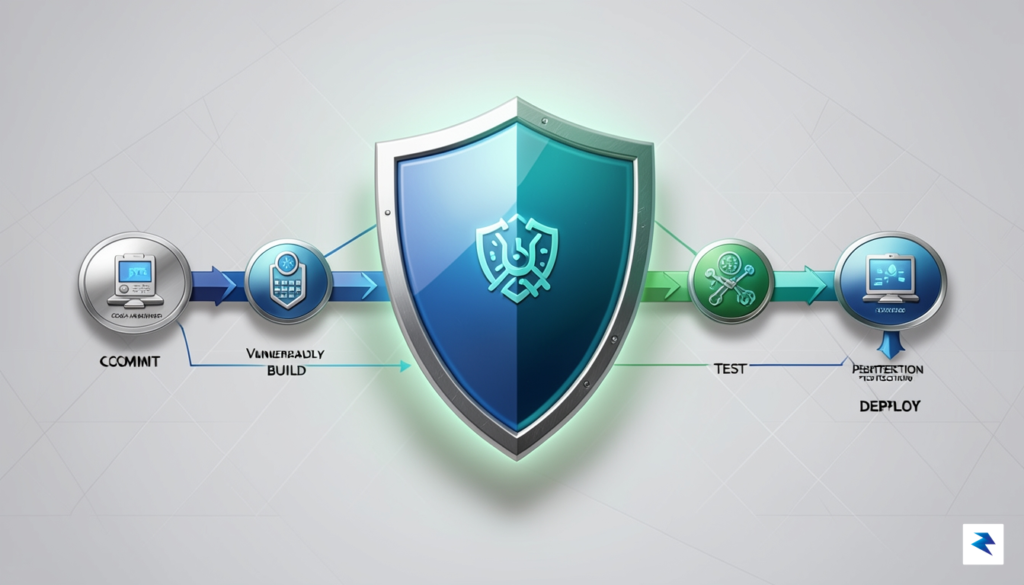
Integrating AI tools into your CI/CD pipeline isn’t a single step, but a strategic progression that fortifies every stage of development. The journey begins with a thorough assessment of existing workflows and identifying critical integration points where AI can offer the most impact. This typically involves leveraging AI-powered Static Application Security Testing (SAST) tools that analyze source code for vulnerabilities during the commit phase, providing instantaneous feedback to developers. Moving further, AI-enhanced Dynamic Application Security Testing (DAST) can actively probe deployed applications for weaknesses, while intelligent fuzzing tools can uncover obscure bugs by bombarding smart contracts with malicious or malformed inputs, all automatically orchestrated within the build and test stages.
Furthermore, AI can elevate threat modeling by proactively identifying potential attack vectors based on code changes and historical data, even before a line of code is written. Imagine an AI system flagging a potential reentrancy vulnerability or an access control flaw as a developer pushes a new commit, rather than waiting for a manual audit weeks later. This continuous, automated scanning and analysis allows teams to detect and remediate issues at the earliest possible stage, dramatically reducing the cost and effort of fixing vulnerabilities and minimizing exposure to sophisticated exploits. The real power lies in the speed and scale at which AI can operate, scrutinizing vast amounts of code and transaction logic that would be impossible for human teams alone.
The Indispensable Human-in-the-Loop
While AI offers unprecedented speed and scale, it’s crucial to remember that these tools are designed to augment, not replace, human expertise. The concept of the “human-in-the-loop” is paramount in AI-driven crypto security. AI models, particularly in their nascent stages, can generate false positives or misinterpret complex contextual nuances unique to blockchain environments. This is where experienced security engineers become invaluable, reviewing AI-generated alerts, validating findings, and providing critical context that informs remediation strategies. They act as the ultimate arbiters, refining AI models through feedback and ensuring that automated systems are learning effectively and accurately.
Moreover, human oversight is essential for addressing zero-day exploits and novel attack vectors that AI models might not yet be trained to identify. A skilled security team can interpret the subtle indicators of a new threat, adapt existing protocols, and even help retrain AI models to recognize emerging patterns. This symbiotic relationship—where AI handles the repetitive, high-volume tasks and humans focus on critical thinking, strategic planning, and complex problem-solving—creates a far more resilient and intelligent security posture than either could achieve in isolation. Ultimately, AI serves as an immensely powerful assistant, empowering security teams to be more efficient, proactive, and effective.
Long-Term Maintenance and Continuous Learning
Security isn’t a ‘set it and forget it’ endeavor, especially in a domain as dynamic as blockchain technology. The long-term efficacy of AI-driven security protocols hinges on continuous maintenance and adaptation. This involves regularly updating AI models with the latest threat intelligence, new vulnerability patterns, and data from recent exploits. As new smart contract standards emerge, or as blockchain protocols evolve, the AI tools must be retrained and reconfigured to understand and secure these innovations effectively. Teams should establish processes for routine model evaluation, ensuring that the AI remains accurate and relevant against an ever-changing threat landscape.
Beyond model updates, the security posture itself must continuously learn and evolve. This means incorporating feedback loops from every incident, every audit, and every penetration test back into the AI’s training data. Automated policy enforcement, driven by AI, can help ensure that security best practices are consistently applied across all projects, preventing common mistakes from recurring. Ultimately, cultivating a culture of continuous learning and adaptation—both for the AI systems and the human teams operating them—is paramount. By embracing this iterative approach, development teams can build robust, future-proof security frameworks that are agile enough to counter the most sophisticated and rapidly evolving threats in the crypto space.