Two Decades of the Feed: From Twitter’s First Tweet to the Age of X
The Birth of the 140-Character Revolution When Jack Dorsey, Biz Stone, and Evan Williams first conceptualized what would become the digital…
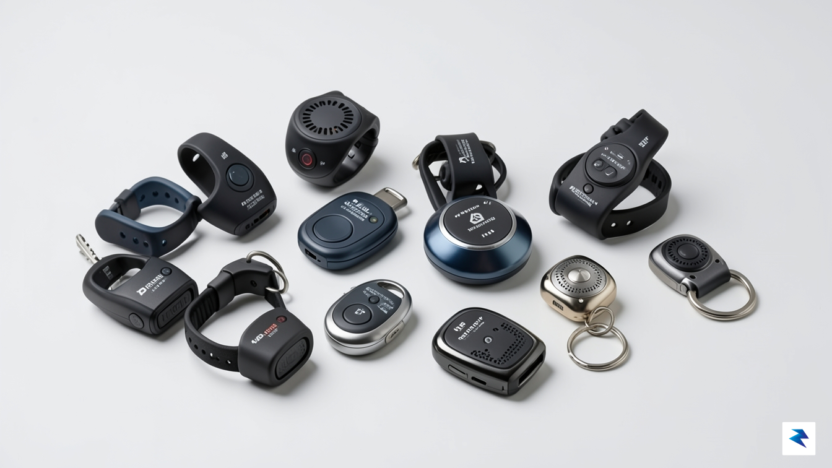
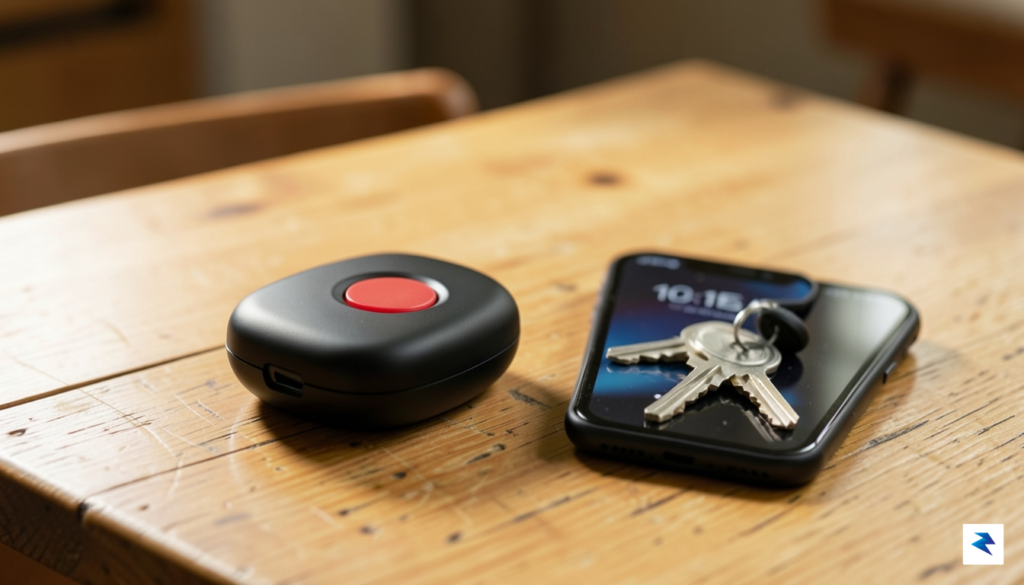
In our increasingly mobile society, the concept of personal security has undergone a significant transformation, evolving far beyond the reliance on simple whistles or basic intuition. Modern safety technology has bridged the gap between passive awareness and active protection, offering sophisticated, reliable tools that integrate seamlessly into our daily lives. Whether you are a college student navigating a late-night commute, a professional traveling through unfamiliar urban centers, or an outdoor enthusiast exploring remote trails, these devices have become essential components of your everyday carry. By prioritizing these tools, you are not merely preparing for a worst-case scenario; you are investing in a proactive layer of personal agency that allows you to move through the world with greater confidence and autonomy.
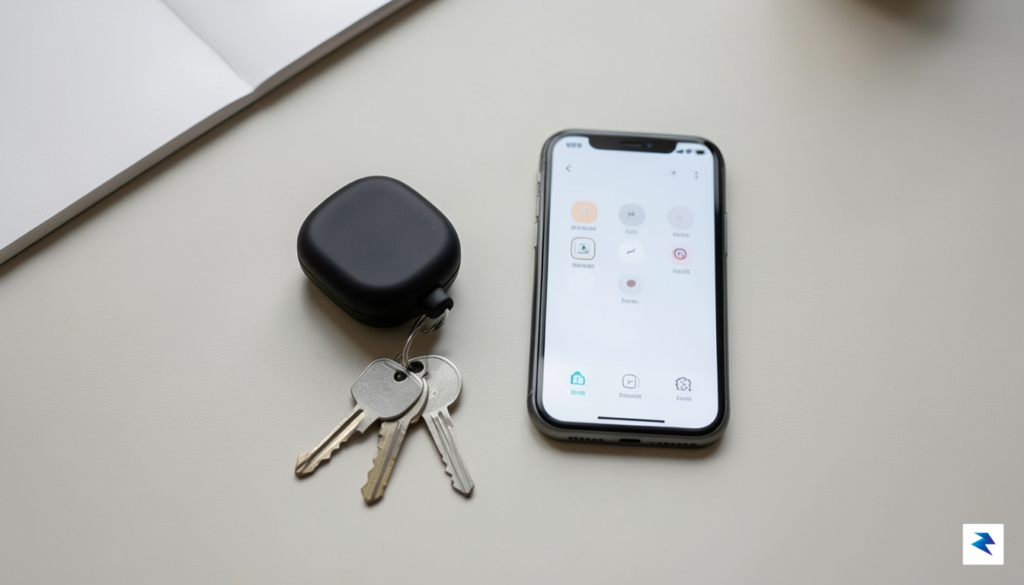
There is a pervasive, yet limiting, misconception that personal safety alarms are strictly reactive tools—devices to be pulled only when an emergency is already unfolding. However, the true value of these gadgets lies in their role as a psychological deterrent before an incident ever occurs. When you carry a high-decibel siren or a GPS-linked device, you are signaling a state of preparedness that can discourage potential aggressors who typically look for perceived vulnerability. By simply having a device visible or easily accessible, you shift the power dynamic in your environment. This psychological shift is what grants many users the peace of mind necessary to navigate their surroundings without the constant, debilitating weight of hyper-vigilance.
True security is not just about the moment of crisis; it is about the quiet confidence that comes from knowing you have a reliable mechanism to bridge the gap between a threat and help.
To understand the utility of these devices, one must distinguish between the two primary functions that dominate the modern market: acoustic deterrents and digital communication tools. Acoustic alarms, such as the classic pull-pin sirens, are designed for immediate impact, utilizing high-frequency sound to startle an attacker and draw the attention of bystanders. Conversely, GPS-enabled trackers and emergency notification systems function as digital lifelines, transmitting your real-time location to trusted contacts or professional monitoring services. While the former focuses on breaking the cycle of an immediate threat, the latter focuses on the urgency of rescue and recovery. Integrating both approaches into your personal safety strategy creates a redundant, robust defense system that covers both immediate confrontation and long-term emergency response.
Ultimately, adopting these technologies is about reclaiming your freedom of movement. By treating safety tech as a standard part of your routine—much like grabbing your wallet or your keys—you move away from a mindset of fear and toward a lifestyle of empowerment. These tools provide a measurable sense of security that allows you to engage with your environment more fully, ensuring that you can explore, work, and commute with the support of modern innovation at your fingertips.
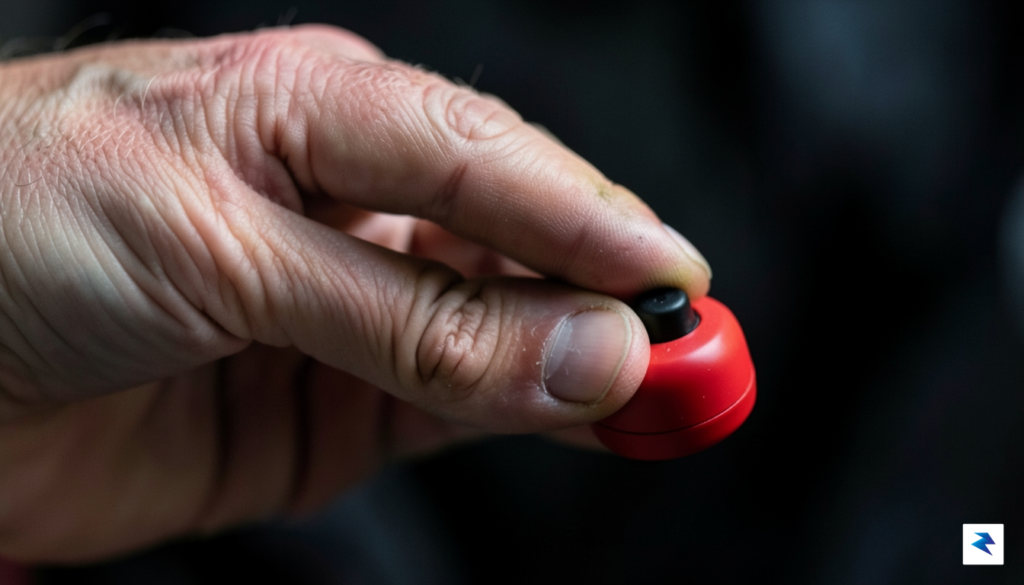
When selecting a personal safety device, it is easy to be swayed by sleek designs, but the true value of an alarm lies in its technical reliability. Because not all devices are engineered to the same standard, you must look past the marketing language to evaluate the core specifications that determine whether a unit will actually function during a high-stress emergency. Prioritizing performance metrics—specifically decibel output, activation ease, power longevity, and environmental resilience—is the most effective way to ensure your chosen device provides genuine protection rather than just a false sense of security.
The primary purpose of a personal alarm is to create an immediate, piercing distraction that draws attention to your location. For an alarm to be effective in an outdoor or busy urban environment, it must produce a sound pressure level between 120 and 140 decibels. To put this in perspective, 120dB is roughly equivalent to a siren or a thunderclap, which is loud enough to cause physical discomfort to an aggressor and trigger a “startle response.” Anything significantly lower than 120dB may be muffled by ambient noise like traffic or wind, rendering it ineffective at alerting nearby pedestrians or law enforcement.
The method of activation is perhaps the most critical ergonomic consideration. Most alarms utilize one of three primary mechanisms: a pull-pin, a button press, or motion sensing. A pull-pin design is often considered the gold standard for reliability because it is difficult to deactivate accidentally and requires a simple, intuitive motion to engage. Conversely, button-press models offer convenience, but they carry a higher risk of false alarms if kept in a crowded bag or pocket. For those who prioritize hands-free security, motion-sensing alarms can provide an extra layer of defense, though they require careful management to avoid unintended activations.
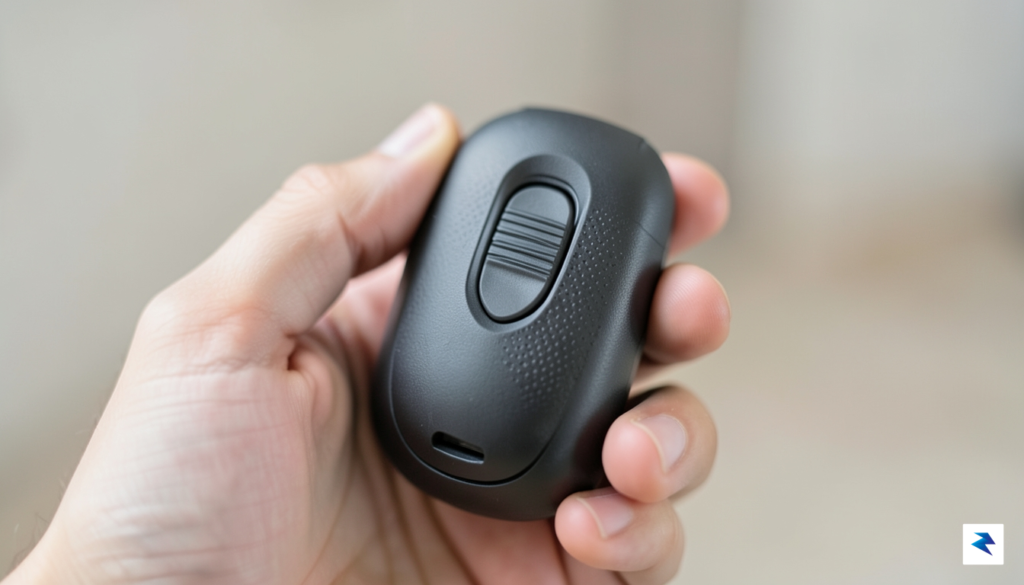
A safety device is only as good as its power source. When evaluating battery life, you must choose between rechargeable lithium-ion batteries and long-life, non-replaceable lithium coin cells. While rechargeable units are eco-friendly and convenient, they require disciplined maintenance to ensure they stay charged. On the other hand, non-replaceable batteries often boast a multi-year shelf life, which is ideal if you tend to “set and forget” your safety gear. Regardless of the power source, ensure the device carries an IPX4 water resistance rating or higher. This level of durability protects the internal circuitry from light rain, humidity, and accidental splashes, ensuring that your device remains functional even when you are caught in inclement weather.
Reliability is non-negotiable. Always test your device’s battery levels quarterly and ensure the activation mechanism is free of debris to guarantee peak performance when seconds count.
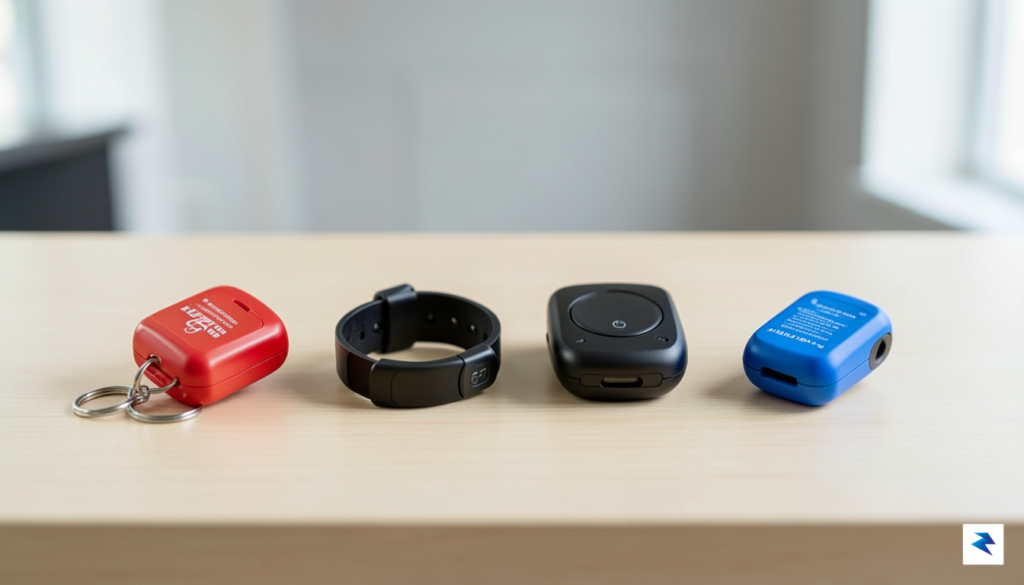
The modern safety landscape has evolved far beyond simple noise-makers, offering a diverse spectrum of devices tailored to specific lifestyles. When evaluating the current market leaders for 2026, the primary differentiator lies in the balance between immediate deterrent capability and long-term connectivity. For those prioritizing raw, high-decibel disruption, the Sabre keychain series remains the gold standard. These devices are intentionally designed for simplicity; by pulling a pin or pressing a button, users trigger a piercing siren that can be heard up to 1,000 feet away. Their reliability is rooted in their mechanical minimalism, ensuring that even in high-stress situations where fine motor skills might fail, the device remains functional without the need for Bluetooth pairing or cellular signal.
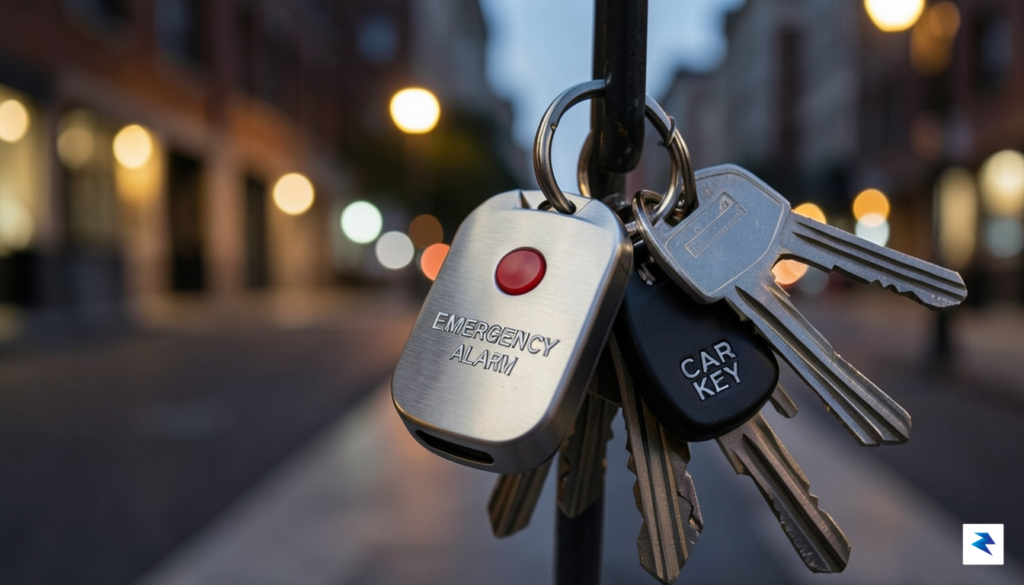
For outdoor enthusiasts and those navigating remote environments, the shift toward GPS-enabled technology is not just a convenience but a necessity. Brands like Garmin have set the benchmark with devices that go beyond mere alarms, offering robust satellite-based SOS communication. Unlike standard alarms that rely on nearby bystanders, these sophisticated tools provide real-time location sharing to emergency services and pre-designated contacts. While the initial investment is significantly higher than a standard keychain alarm—often requiring a recurring subscription fee—the peace of mind provided by two-way satellite messaging is unmatched for hikers, solo travelers, or those who frequently venture outside of cellular coverage zones.
Perhaps the most significant innovation in 2026 is the integration of safety features into everyday fashion. Wearable jewelry alarms have bridged the gap between security and aesthetics, allowing users to carry protection that doesn’t look like a tactical device. These pieces often feature hidden buttons that, when activated, send a silent distress signal along with a live GPS coordinate to a dedicated monitoring service or a list of emergency contacts. While these devices are excellent for low-profile protection, they do require consistent charging and a stable connection to a smartphone, making them best suited for urban commuters rather than backcountry explorers.
Key Takeaway: Choosing the right device requires an honest assessment of your environment. If you operate in crowded, urban spaces, prioritize discrete wearables or high-decibel sirens; if you explore remote areas, lean toward satellite-linked GPS devices that offer a direct lifeline to emergency responders.
When comparing these options by price versus feature set, a clear hierarchy emerges. Budget-friendly sirens provide the most accessible barrier to entry and require zero maintenance, making them ideal for students or those on a tight budget. Mid-range wearables offer the best value for daily commuters who want functionality without compromising their personal style. Finally, premium GPS-enabled devices represent a long-term investment in safety infrastructure. By understanding whether your priority is immediate noise-based deterrence or long-distance location tracking, you can select a tool that integrates seamlessly into your routine while providing a reliable safety net.

The most advanced personal safety alarm in the world is useless if it’s not within reach during a critical moment. True security doesn’t just come from owning a device; it stems from making that device an instinctive part of your daily life, always accessible and ready to deploy. The goal is to weave these essential tools into your habits so seamlessly that their presence is a comfort, not a chore, ensuring they are prepared for action without ever feeling intrusive. By integrating your personal safety alarm thoughtfully, you transform it from a mere accessory into a vital component of your everyday preparedness.
Strategic placement is paramount for ensuring your personal safety alarm is always at the ready. Many users find keychains to be an ideal spot, as keys are typically among the first things grabbed before leaving the house, making the alarm an automatic companion. For those who carry bags, consider attaching the device to an inner strap or a dedicated pocket where it can be retrieved swiftly without fumbling, even in low-light conditions. Alternatively, some models are designed to clip discreetly onto clothing, like a belt loop or the strap of a bra, offering hands-free access that remains close to your body, essential for activities like jogging, hiking, or walking a dog where your hands might be occupied.
Beyond mere placement, true readiness involves transforming activation into muscle memory. In high-stress situations, fine motor skills can diminish, and panic can cloud judgment, making a practiced response invaluable. Regularly take a few moments to simulate the action of activating your alarm in a safe, controlled environment, familiarizing yourself with the specific pull-pin, button press, or app interface required. This consistent, low-stakes practice ensures that if an actual threat arises, your hands and mind will instinctively know what to do, reducing hesitation and maximizing the device’s effectiveness when every second counts.
A safety device is only as reliable as its upkeep, making regular maintenance a non-negotiable aspect of integration. Pay close attention to battery life, even if your device indicates a full charge, and consider replacing batteries proactively every 6-12 months, especially for models without rechargeable options, to prevent unexpected power failures. Furthermore, routinely inspect the alarm for any physical wear and tear, such as cracked casings, loose components, or obstructions in the alarm’s speaker or activation mechanism that could muffle its sound. A quick visual check and periodic functional test, perhaps by activating it briefly in a quiet, controlled setting, will confirm its readiness and provide peace of mind that it will perform when needed most.
Ultimately, integrating a personal safety alarm means making it an unconscious part of your routine, much like checking for your phone or wallet. Try associating its presence with an existing daily habit, such as clipping it to your bag as you pack lunch, or attaching it to your running gear before a workout. By consistently incorporating these small actions, the alarm transitions from an extra item to a fundamental component of your personal preparedness strategy, no longer requiring conscious thought. This diligent approach ensures your personal safety alarm is not just an object you own, but a trusted guardian that is always within reach, ready to empower you with an immediate response should the need ever arise.

While a high-decibel alarm or a GPS-enabled tracker provides a significant technical edge during an emergency, it is vital to remember that these devices are merely reactive tools. The cornerstone of personal security is not found in hardware, but in the proactive sharpening of your own mental faculties. Relying solely on technology creates a false sense of security; instead, your primary defense strategy should revolve around cultivating deep situational awareness, ensuring that you remain the most capable guardian of your own well-being.
To master the art of awareness, many security experts point to the OODA loop—a decision-making framework consisting of Observe, Orient, Decide, and Act. First, you must observe your surroundings by actively scanning your environment rather than passively walking through it. This means keeping your head up, maintaining peripheral vision, and avoiding the common trap of being tethered to your smartphone. When you are distracted by a screen, your brain fails to process auditory and visual cues that might signal a potential threat, effectively narrowing your window for a safe exit.

Once you have observed your surroundings, you must orient yourself within that space, acknowledging potential risks and identifying clear paths to safety. This involves trusting your gut instincts; if a particular alleyway, vehicle, or individual feels “off,” your subconscious is likely detecting subtle red flags that your conscious mind hasn’t yet processed. Do not second-guess these primal alerts. By moving to a more populated area or changing your route early, you decide to avoid the conflict entirely, which is the most effective way to act in the interest of your own safety.
The most effective safety device is a mind that is present, alert, and ready to prioritize avoidance over confrontation.
Ultimately, your chosen personal safety alarm should be viewed as the final layer of a multi-tiered security strategy. It exists to bridge the gap when prevention fails or when you are caught off guard, acting as a force multiplier that alerts others to your need for help. However, technology cannot substitute for the habit of checking your rearview mirror, identifying exits, and maintaining a confident, alert demeanor. By integrating these mental habits with the right hardware, you build a comprehensive defense system that keeps you prepared for the complexities of the modern world.
You must be logged in to post a comment.