
Ostium’s $18 Million Exploit: How Oracle Attacks Are Reshaping DeFi Security
The Anatomy of the $18 Million Ostium Exploit The exploitation of the Ostium protocol began with a sophisticated manipulation of the…


For decades, the Initial Public Offering (IPO) has functioned as the gold standard for companies transitioning into the public markets. However, the underlying plumbing of this process has remained stubbornly stagnant, relying on a complex web of legacy intermediaries, manual reconciliations, and antiquated clearinghouse protocols. This traditional architecture is not only cumbersome but inherently slow, often resulting in T+2 or T+3 settlement cycles that introduce unnecessary risk and capital inefficiency. For issuers, the cost of entry is compounded by high underwriting fees and a lack of transparency, creating a barrier that often excludes smaller firms or limits the global reach of the offering.
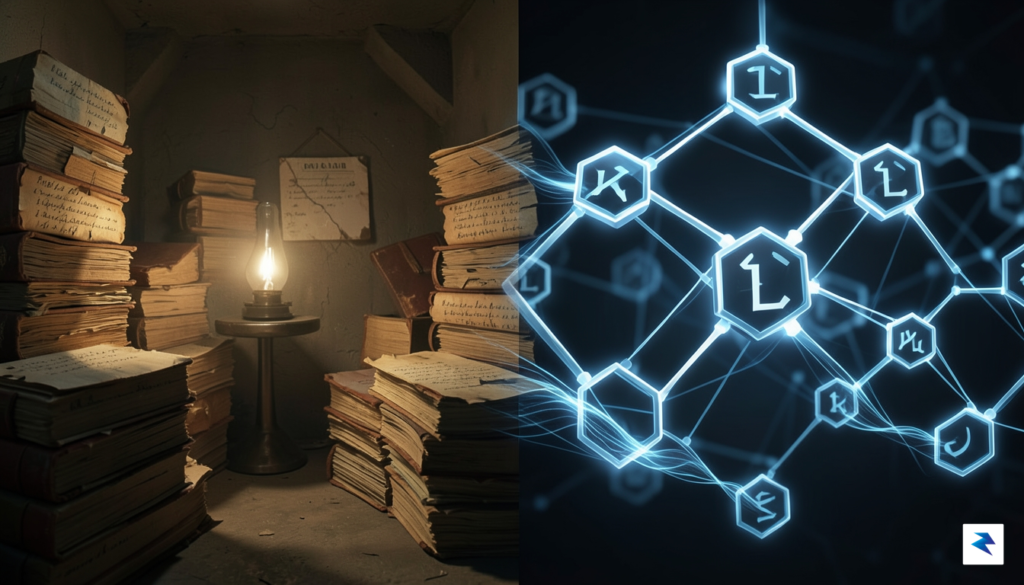
As the financial landscape pivots toward a more digitized future, the need for modernization has become undeniable. Blockchain technology is no longer a peripheral experiment; it is rapidly emerging as the logical successor to these legacy systems. By moving the IPO process onto a distributed ledger, firms can replace opaque, siloed databases with a single, immutable source of truth. This transition marks a paradigm shift from traditional paper-based certificates to tokenized securities, which allow for fractional ownership and instantaneous transferability. This evolution is not merely about digitizing a file; it is about fundamentally restructuring the relationship between issuers and their investors.
The integration of blockchain into the IPO lifecycle introduces a level of precision that was previously unattainable. Automated smart contracts now handle the distribution of shares, dividend payments, and compliance requirements in real-time, drastically reducing the reliance on human-led administrative layers. This shift ensures that regulatory compliance is baked directly into the asset itself—a concept often referred to as “programmable compliance”—which prevents unauthorized trading and ensures that investor qualifications are verified at the protocol level. The result is a democratized capital formation process that is significantly faster, more transparent, and accessible to a global pool of participants who were once restricted by geographical or institutional borders.
The marriage of blockchain and equity markets signifies more than just a technical upgrade; it represents the democratization of finance, where the friction of the past is replaced by the efficiency of automated, borderless value exchange.
Ultimately, the move toward blockchain-based IPOs is about unlocking liquidity and creating a more resilient financial infrastructure. By removing the layers of intermediaries that have historically acted as gatekeepers, issuers can retain more control over their capital raises while providing investors with a clearer, more immediate view of their holdings. As this technology matures, we can expect the barrier between private and public markets to continue blurring, paving the way for a future where capital flows as freely and efficiently as information does today.

At the heart of this alliance lies a strategic division of labor that bridges the gap between traditional capital markets and the burgeoning world of decentralized finance. Cantor Fitzgerald, a titan in the investment banking landscape, contributes its extensive history of underwriting, regulatory navigation, and deep-seated institutional relationships to the venture. By acting as the primary financial architect, Cantor ensures that the rigorous demands of public equity markets—such as investor suitability, capital raising, and liquidity management—are met with the precision expected of a major financial house. Simultaneously, Securitize provides the technological backbone through its proprietary tokenization protocol, which serves as the digital infrastructure for managing share issuance on a distributed ledger.
The mechanics of this collaboration involve a multi-step digitization process that fundamentally alters how equity is recorded and transferred. Once a company decides to pursue a blockchain-based IPO, the process begins by converting traditional share ownership into digital tokens on a secure, compliant blockchain. Securitize’s platform is specifically engineered to embed compliance rules directly into these tokens, ensuring that complex legal requirements—such as transfer restrictions and anti-money laundering (AML) protocols—are automatically enforced at the code level. This technical integration effectively removes the reliance on cumbersome, manual ledger updates, replacing them with a near-instantaneous digital record that provides both the issuer and the investor with unprecedented transparency.

By leveraging this partnership, public companies can effectively collapse the time and cost barriers typically associated with the legacy IPO process, creating a more efficient lifecycle for corporate equity.
Beyond simple digitizing, the strategic significance of this partnership lies in the creation of a seamless, end-to-end pipeline for modern capital formation. By combining Cantor’s market presence with Securitize’s technical prowess, the venture creates a bridge that allows investors to hold and trade shares with greater efficiency while maintaining the security that institutional participants demand. As this infrastructure matures, it promises to democratize market access by enabling fractional ownership and lowering the barriers to entry for global investors. Ultimately, the partnership does not just offer a new way to issue stock; it establishes a new standard for how financial assets are managed, tracked, and transacted in a globalized digital economy.

The traditional initial public offering (IPO) process has long been criticized for its reliance on antiquated infrastructure, often characterized by manual reconciliation and sluggish settlement windows. By migrating these offerings onto a blockchain-based framework, Cantor and Securitize are fundamentally rewriting the rulebook for both issuers and participants. For public companies, the primary advantage lies in the dramatic reduction of administrative friction. By tokenizing equity, firms can effectively bypass many of the expensive, legacy intermediaries that typically extract significant fees during the underwriting and distribution phases. This streamlined approach not only lowers the cost of capital but also allows issuers to tap into a global, tech-savvy investor base that was previously difficult to reach through conventional brokerage channels.
For the retail investor, the most transformative shift is the transition toward T+0, or near-instantaneous, settlement cycles. In the current market, equity trades often take two days to settle, a delay that traps capital and introduces counterparty risk into the ecosystem. Blockchain technology eliminates these inefficiencies by enabling atomic settlement, where ownership transfer and payment occur simultaneously. This shift toward real-time trading environments provides investors with unprecedented liquidity and reduces the reliance on clearinghouses that currently act as bottlenecks in the financial system. Moreover, the inherent transparency of a distributed ledger allows for verifiable, immutable tracking of share ownership, significantly bolstering trust in the integrity of the market.
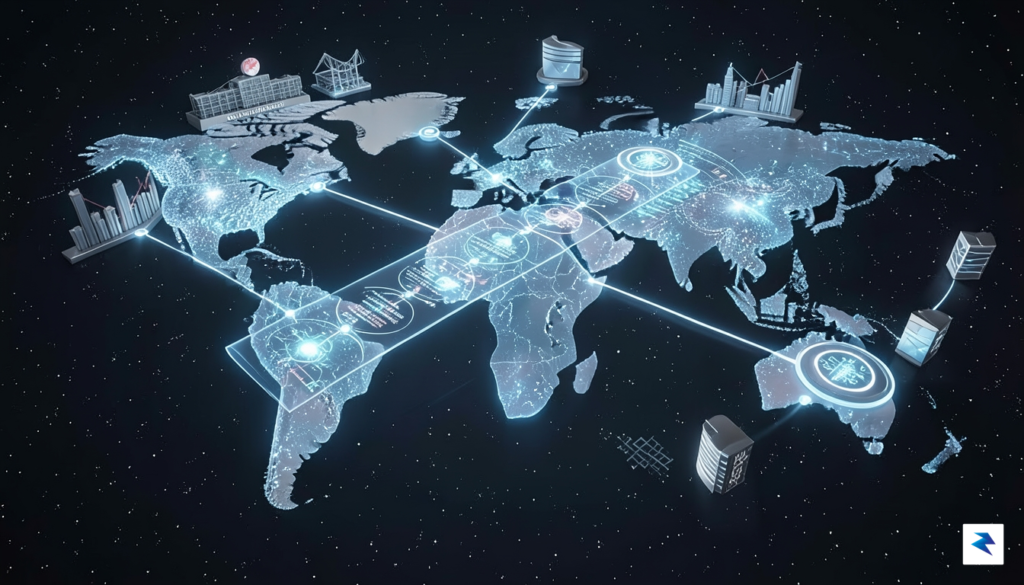
Beyond technical efficiency, this partnership represents a profound democratization of access to capital markets. Historically, major equity offerings were often dominated by institutional players, leaving retail investors with limited windows of opportunity and high barriers to entry. Tokenized IPOs lower these hurdles by enabling fractional ownership and simplified participation through digital platforms. This shift ensures that global investors—who may have previously faced geographical or regulatory friction—can participate in the growth stories of innovative companies on a more level playing field. By integrating these blockchain-native tools, the financial sector is moving toward a more inclusive architecture where ownership is as portable and accessible as information itself.
The integration of blockchain technology into the IPO process is not merely a technological upgrade; it is a fundamental redesign of market accessibility, moving us away from opaque, multi-day settlement cycles toward a transparent, instant, and borderless financial future.
Ultimately, the marriage of Cantor’s institutional expertise with the technical prowess of Securitize creates a robust ecosystem that prioritizes efficiency without sacrificing compliance. As these blockchain-based IPOs become more prevalent, we can expect to see a ripple effect across the broader financial industry, compelling legacy firms to adopt similar technologies to remain competitive. By reducing the reliance on middle-men and providing a 24/7 trading paradigm, this collaboration is setting a new standard for how companies raise capital and how everyday investors interact with the public markets.
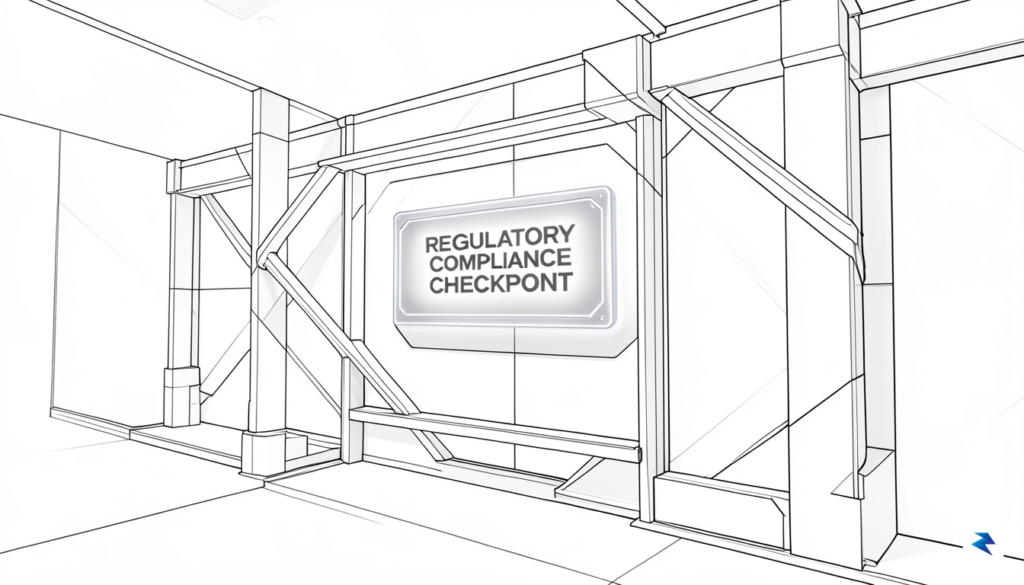
While the underlying technology behind blockchain-based IPOs is arguably ready for prime time, the traditional financial landscape is built upon layers of legacy infrastructure and strict regulatory frameworks. Bringing the agility of distributed ledger technology into the public markets requires more than just innovative code; it necessitates a seamless integration with existing legal requirements. Chief among these is the scrutiny of the Securities and Exchange Commission (SEC), which maintains a mandate to protect investors through stringent disclosure and reporting standards. Any digital transformation of the IPO process must therefore ensure that blockchain-based assets are not merely “tokens,” but fully compliant securities that satisfy federal mandates regarding transparency and financial oversight.
To bridge the gap between decentralization and regulatory compliance, platforms like Securitize are embedding governance directly into the protocol layer. By automating essential processes such as Know Your Customer (KYC) and Anti-Money Laundering (AML) checks, these protocols ensure that every participant is vetted before they can interact with the digital security. This architectural approach allows for the enforcement of securities laws—such as lock-up periods or transfer restrictions—programmatically, rather than relying on manual intervention. By building these safeguards directly into the smart contracts, Cantor and Securitize are attempting to create a “compliant-by-design” environment that gives institutional investors the confidence they need to participate in a digital-first market.
Despite these technological advancements, the path to widespread adoption is not without significant friction. One of the primary risks facing this nascent sector is market fragmentation, where disparate systems and lack of standardized protocols could isolate digital assets within siloed networks. For blockchain-based IPOs to truly gain momentum, they require deep institutional adoption to generate the necessary liquidity for healthy price discovery. Without a critical mass of traditional market makers, custodians, and broker-dealers supporting these digital securities, the benefits of 24/7 trading and reduced settlement times may be overshadowed by the difficulty of exiting positions or moving capital across different ecosystems.
Success in the transition to blockchain-enabled public offerings hinges on the industry’s ability to prove that decentralized infrastructure can be just as safe, transparent, and resilient as the systems that have underpinned global finance for decades.
Ultimately, the marriage of Cantor’s institutional expertise and Securitize’s technical prowess represents a strategic bet on the future of capital markets. Success will likely depend on a collaborative relationship with regulators, where the focus remains on maintaining high compliance standards while demonstrating the efficiencies of the blockchain. As these entities navigate the complex web of international securities laws, the goal is to create a blueprint that reconciles the modern demand for speed and accessibility with the timeless necessity of investor protection.

The alliance between Cantor Fitzgerald and Securitize serves as a definitive signal that the traditional architecture of Wall Street is undergoing a fundamental metamorphosis. By leveraging blockchain technology to streamline the IPO process, these industry leaders are not merely updating a legacy system; they are laying the groundwork for a total digitization of capital markets. This shift promises to dismantle the friction-heavy barriers that have historically kept private and public markets siloed, effectively creating a more fluid, 24/7 global financial ecosystem. As issuance becomes faster, cheaper, and more transparent, we can expect the traditional boundaries between venture capital, private equity, and retail public offerings to blur, granting investors of all sizes unprecedented access to high-growth opportunities.

Beyond the realm of initial public offerings, this collaboration acts as a catalyst for the tokenization of more complex financial instruments, including debt, real estate, and sophisticated derivatives. As institutional confidence in distributed ledger technology grows, the migration of corporate bonds and private credit onto the blockchain appears inevitable. Tokenizing these assets allows for fractional ownership, automated compliance through smart contracts, and real-time settlement, which significantly reduces the counterparty risks that have plagued financial markets for decades. Consequently, we are moving toward an era where the liquidity profile of traditionally illiquid assets is transformed, empowering a more inclusive global economy where capital can flow to where it is needed most with minimal friction.
The true value of this partnership lies in the democratization of finance; by digitizing the infrastructure of capital formation, the industry is moving toward a future where the complexities of the past are replaced by the efficiency and accessibility of the blockchain.
Ultimately, the Cantor-Securitize milestone represents a turning point in the digital asset revolution. While early blockchain initiatives were often focused on speculative tokens, this move underscores the maturation of the technology into a robust, enterprise-grade solution for the most critical functions of global finance. As more participants adopt these standards, the transparency and integrity of capital markets will be inherently enhanced by the immutable nature of the ledger. This evolution is not just a technological upgrade, but a paradigm shift that promises to redefine how wealth is created, distributed, and managed on a global scale for generations to come.
You must be logged in to post a comment.