
Applied Computing Secures $20M to Build ‘Brain’ for Oil and Gas Plants
The Shift Toward Foundation Models in Heavy Industry For far too long, the energy sector, particularly the demanding realms of oil and gas,…


The proposed legislative framework represents a significant shift in how the United Kingdom approaches digital governance and the protection of its younger citizens. At the core of this policy is a mandatory social media blackout period, strictly prohibiting platform access for 16- and 17-year-olds between the hours of 00:00 and 06:00. By targeting these specific “night owl” hours, the government intends to curb the pervasive issue of sleep deprivation among adolescents, which has been linked to declining mental health outcomes and reduced academic performance. This is not merely a suggestion for parents to implement; rather, it is a structural mandate that will require social media corporations to integrate age-verification technology directly into their infrastructure to enforce compliance.
Legislators have set an ambitious timeline for this rollout, with the full implementation of the curfew slated for the spring of 2027. This window provides tech giants with a narrow timeframe to overhaul their existing algorithms and authentication processes to ensure they can accurately identify and restrict users within the targeted demographic. The legislative intent behind this timeline is to move beyond the voluntary safety measures of the past and replace them with a legally binding regulatory landscape. By doing so, the UK aims to position itself as a global leader in digital safety, potentially establishing a blueprint that other nations may choose to follow in the coming years.
The move towards a mandated digital curfew signifies a fundamental change in the social contract between tech platforms, the government, and the families they serve, prioritizing long-term public health over unrestricted platform engagement.
The scope of this mandate is intentionally narrow, focusing specifically on older teens who occupy a unique space in digital maturity. While younger children are already subject to various parental control tools and platform-specific restrictions, 16- and 17-year-olds have historically operated with more autonomy. The government argues that this autonomy, while necessary for personal growth, has been exploited by engagement-driven algorithms that keep teens scrolling late into the night. By introducing this hard stop at midnight, the policy seeks to reintroduce a boundary between digital consumption and the restorative necessity of rest. As we look toward 2027, the success of this initiative will likely depend on the precision of the underlying technology and the willingness of major social media companies to prioritize legislative compliance over user retention during the early morning hours.

The push for a mandated midnight digital blackout is rooted in an increasingly undeniable body of clinical evidence linking late-night screen exposure to a widespread crisis in adolescent well-being. At the biological level, the issue begins with the suppression of melatonin, the hormone responsible for signaling to the brain that it is time to sleep. When teenagers engage with smartphones in the dark, the high-intensity blue light emitted by screens tricks the circadian rhythm into remaining in a state of high alert, effectively delaying the onset of restorative sleep. This physiological disruption is compounded by the “dopamine-loop” architecture of modern social platforms; infinite scrolling and algorithmic content feeds are specifically designed to trigger frequent, unpredictable rewards, making it physiologically difficult for a developing brain to disengage once the hour grows late.
Beyond simple sleep deprivation, researchers have identified a concerning correlation between the habitual use of social media during overnight hours and heightened rates of anxiety, depression, and emotional instability. When adolescents lose essential hours of REM sleep to engage in digital interactions, their capacity for emotional regulation the following day is significantly diminished. This creates a volatile feedback loop: the lack of sleep exacerbates underlying stressors, which in turn drives the teenager to seek further distraction or validation through their devices, often leading to a cycle of late-night cyberbullying, social exclusion, or the “fear of missing out” (FOMO) that keeps them tethered to their screens until dawn.

Regulators are moving toward a “duty of care” model, a legal and ethical framework that shifts the burden of responsibility from the individual user to the platform providers. Historically, tech giants have operated under the assumption that user engagement is the primary metric of success, regardless of the impact on the user’s health. By proposing a midnight curfew, policymakers are asserting that social media companies must prioritize safety by design, effectively acknowledging that these platforms are not merely passive tools but active environments that require guardrails. This approach reflects a growing consensus that the digital landscape is a public health space, and that protecting the developmental windows of youth is a societal imperative that outweighs the commercial interests of unchecked platform access.
The goal of these measures is not to permanently sever the connection between teens and their digital communities, but to create a necessary buffer—a period of digital silence that allows the adolescent brain to recover, recharge, and separate from the pressures of the online world.
Ultimately, the move toward a regulated curfew acknowledges that while digital literacy is an important life skill, it is an insufficient defense against the sophisticated, persuasive design patterns of today’s most popular apps. By mandating a period of disconnection, the UK is attempting to restore a natural boundary that has been eroded by 24/7 connectivity. This legislative shift signals a move toward a more balanced digital future, where the health of the next generation is treated as a foundational element of technological progress rather than an afterthought.

The proposed legislative shift marks a fundamental departure from the engagement-driven architecture that has defined social media for over a decade. At the core of this transition is the requirement to dismantle the personalized algorithmic models that currently curate content based on user behavior, dwell time, and emotional triggers. By shifting from an interest-based model to a standard chronological feed, platforms must essentially strip away the “black box” intelligence that keeps users glued to their screens. This change forces the application to display content based solely on the time of posting rather than predicted relevance, effectively neutralizing the hyper-targeted feedback loops that platforms use to maximize session duration.

Beyond the algorithmic shift, the mandate to disable autoplay features serves as a direct intervention against the “infinite scroll” psychology. Autoplay was designed to remove the friction of choice, ensuring that a user is constantly presented with new content before they have the chance to consciously decide to stop. By requiring that videos and media remain static until manually engaged, the legislation reintroduces a necessary “pause” into the user experience. This simple technical constraint forces a cognitive break, allowing teenagers to re-evaluate their engagement and potentially exit the application rather than slipping into a trance-like state of passive consumption.
The transition from algorithmic curation to chronological viewing is not merely a design choice; it is a fundamental reconfiguration of how digital environments influence human attention and decision-making during critical developmental years.
Implementing these changes at scale presents significant technical hurdles, particularly regarding precise age verification and regional enforcement. Platforms must now build robust, privacy-preserving systems that can distinguish between a user who is fifteen and one who is nineteen without compromising data security or infringing on anonymity. Furthermore, enforcing these restrictions exclusively within UK borders requires sophisticated geolocation tracking and a modular app architecture that can toggle features on and off based on a user’s network environment. For global tech giants, this means maintaining dual versions of their core interface: one optimized for engagement in unregulated markets and a more restrained, legally compliant version for the British public. Achieving this without creating massive security vulnerabilities or degrading the overall performance of the application remains the most difficult engineering challenge of the proposed regulation.
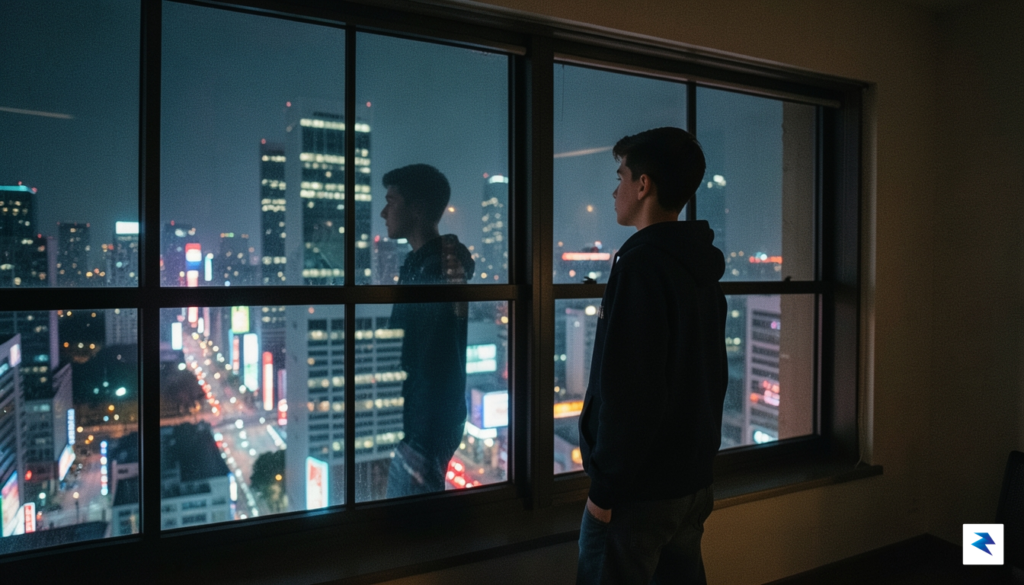
The proposed implementation of a midnight social media curfew for older teenagers represents a significant flashpoint in the ongoing national conversation regarding the boundaries of state intervention versus parental responsibility. Proponents of the policy argue that a hard stop on late-night digital access acts as a crucial safeguard for adolescent mental health, citing a wealth of data that links sleep deprivation and late-night doomscrolling to increased rates of anxiety and depression. By imposing a technological circuit breaker, the government aims to force a disconnect that many teens struggle to initiate on their own, thereby protecting developing brains from the addictive feedback loops inherent in modern algorithmic design. In this view, the measure is less about stifling expression and more about institutionalizing a “digital bedtime” that mirrors the physical health protections society already affords to minors.

Conversely, critics view this mandate as a significant overreach that undermines the fundamental process of transitioning into young adulthood. At the age of sixteen or seventeen, individuals are legally permitted to work, drive, and make complex life decisions, leading many to argue that a government-imposed curfew is inherently patronizing. Opponents emphasize that true digital autonomy requires the cultivation of self-regulation and healthy habits rather than the imposition of external constraints. If the state removes the ability for a teenager to manage their own time, it may inadvertently stunt the development of the critical thinking and impulse control necessary for navigating the digital world independently after they turn eighteen.
The challenge lies in determining whether the state’s duty to protect the welfare of a minor should supersede the individual’s growing right to self-governance as they approach legal maturity.
Furthermore, the practical implications of such a curfew raise questions about the efficacy of top-down regulation in a borderless digital landscape. Many teens are already adept at utilizing virtual private networks (VPNs) and other technical workarounds, which suggests that a mandated shutdown might only serve to widen the digital literacy gap between those who follow rules and those who find ways to bypass them. There is also the concern that such interventions shift the locus of control away from the family unit, potentially eroding the role of parents in setting their own house rules. Ultimately, the success of this policy will depend on whether it is perceived as a collaborative effort to promote well-being or a blunt instrument that ignores the nuances of modern adolescent development.

The looming 2027 deadline presents a seismic shift in how social media giants must architect their platforms. For years, the prevailing business model for these companies has relied on “infinite scroll” and continuous engagement, which are designed to maximize time spent on site regardless of the hour. Compliance with a mandatory midnight curfew forces an immediate pivot away from these attention-economy tactics. Engineers are now tasked with building sophisticated age-verification protocols that go beyond simple self-declaration, requiring hardware-level checks or third-party identity verification services. These changes carry massive compliance costs, not just in terms of technical infrastructure development, but also in the potential loss of ad revenue generated during the late-night hours that are currently peak times for adolescent demographics.
Beyond the immediate financial impact, the user interface design of major platforms will inevitably undergo a radical transformation. We can anticipate the emergence of “sleep mode” features that become mandatory, potentially dimming screens, muting notifications, and introducing friction into the user experience as the clock approaches midnight. These design changes are likely to be met with resistance from developers who prioritize frictionless navigation, but they are necessary to satisfy the strict regulatory requirements of the UK government. Furthermore, these platforms will need to implement robust data privacy safeguards to ensure that the sensitive information used to verify a user’s age is not leaked or repurposed, adding another layer of complexity to their backend operations.

Perhaps the most significant consequence is the potential for this regulation to serve as a global blueprint. If the UK successfully enforces a curfew, it will likely provide the empirical data that regulators in the European Union and North America are currently lacking. We are already seeing increased scrutiny from the European Commission regarding the addictive nature of algorithms, and a successful implementation in Britain could accelerate similar legislative efforts across the Atlantic. Tech companies are aware of this domino effect; consequently, they are likely to treat the UK market as a high-stakes laboratory where they must balance regulatory compliance with the goal of maintaining global feature consistency.
The enforcement of a digital curfew is not merely a technical hurdle; it is a fundamental reconfiguration of the relationship between Silicon Valley’s algorithmic design and the developmental needs of the next generation of users.
Ultimately, the burden on Big Tech will be measured by their ability to integrate these restrictions without fracturing the user experience. While smaller platforms may struggle to absorb the costs of identity verification systems, the industry leaders are expected to invest heavily in machine learning models that can accurately estimate age without relying on invasive data collection. As we approach 2027, the focus will shift from simple platform growth to “responsible engineering,” where engagement metrics are no longer the sole KPI for success. This transition marks the end of an era where digital spaces were treated as lawless frontiers, signaling a future where the virtual world is increasingly harmonized with the physical realities of human health and sleep cycles.
You must be logged in to post a comment.