The Lost Art of Music Discovery: Why We Miss the Piracy Era
The Digital Gold Rush: How We Used to Discover Music Before the omnipresent algorithms curated our sonic landscapes and streaming services…
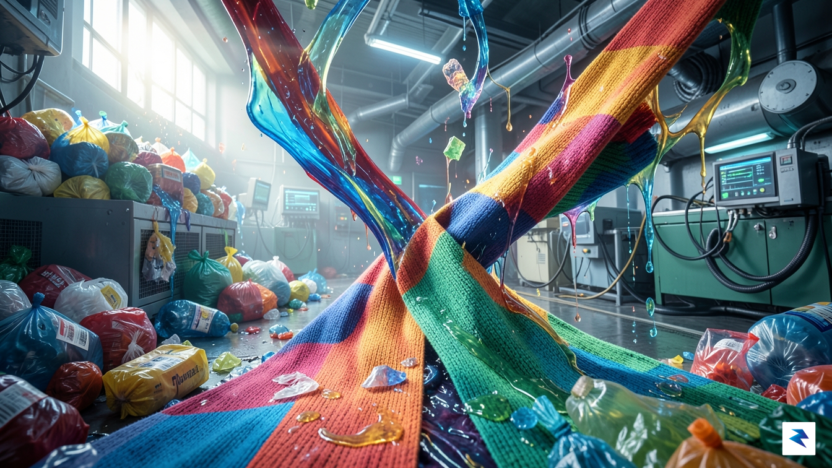

The ubiquitous presence of nylon in our modern wardrobes, particularly within the booming activewear and performance apparel sectors, highlights its indispensable qualities. From the stretchy comfort of yoga pants to the durable resilience of hiking gear and the sleek efficiency of swimwear, nylon’s strength, elasticity, and moisture-wicking properties have made it a cornerstone material. Consumers increasingly demand high-performance fabrics that offer both comfort and longevity, and nylon delivers on these fronts with exceptional reliability. This growing demand, however, casts a long shadow over the fashion industry’s environmental footprint, primarily due to the unsustainable methods currently used to produce these essential synthetic fibers.
Indeed, the vast majority of nylon produced today originates from virgin petrochemicals, meaning it is derived directly from fossil fuels. This production process is not only energy-intensive but also contributes significantly to greenhouse gas emissions, exacerbating climate change and depleting finite natural resources. As global consumption continues to rise, the linear “take-make-dispose” model for synthetic textiles becomes increasingly untenable, pushing the industry to confront a monumental challenge. The environmental imperative to shift away from virgin plastic production is undeniable, demanding innovative solutions that can decouple growth from ecological degradation and pave the way for a truly circular economy.
For years, the industry’s primary approach to recycling nylon has been mechanical recycling, which involves processes like shredding, melting, and re-pelletizing discarded materials. While a valuable step towards sustainability, this method has significant limitations, especially when it comes to high-performance applications. Each time nylon undergoes mechanical recycling, the polymer chains tend to shorten and degrade, leading to a noticeable loss in fiber strength, elasticity, and overall quality. This degradation means that mechanically recycled nylon often cannot meet the stringent performance requirements for new activewear, frequently relegating it to lower-value products or limiting the number of times it can be reused. Consequently, mechanical recycling, while reducing landfill waste, often fails to create a truly closed-loop system for high-quality textiles.
This is precisely where chemical recycling emerges as a groundbreaking, transformative solution, often hailed as the ‘holy grail’ for sustainable fashion, particularly for complex synthetic fibers like nylon. Unlike mechanical methods, chemical recycling breaks down synthetic polymers at a molecular level, deconstructing them into their original monomer building blocks. These monomers are then purified and re-polymerized to create new nylon that is chemically identical to virgin material, possessing the same high-performance characteristics without any compromise in quality or durability. This revolutionary process enables an infinite fiber-to-fiber recycling loop, allowing old garments to be continually reborn as new ones, drastically reducing the reliance on virgin fossil fuel resources and minimizing textile waste. By offering a pathway to truly circular materials, chemical recycling represents a critical frontier in the quest for a more sustainable and responsible fashion industry.
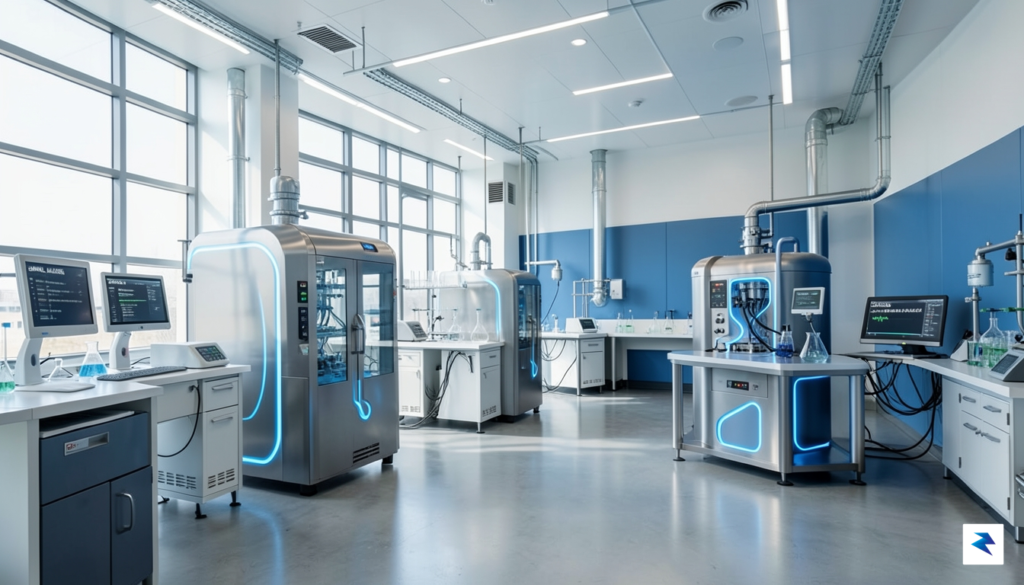
The journey towards a truly circular economy for materials like nylon has long been fraught with significant technical hurdles. While mechanical recycling has offered a partial solution, its limitations have prevented widespread adoption for high-performance applications. This is precisely where French startup Syntetica makes its groundbreaking entrance, distinguishing itself with a proprietary chemical process designed to fundamentally revolutionize how nylon waste is treated. Unlike traditional methods, Syntetica’s innovation doesn’t just reshape the material; it meticulously deconstructs it, unlocking the potential for infinite reuse without compromising quality.
At the heart of Syntetica’s breakthrough lies a sophisticated chemical process known as depolymerization. This isn’t merely melting and reforming plastic; it’s a precise chemical reaction that breaks down complex nylon polymers—the long chains of molecules that make up the material—back into their original, fundamental building blocks, known as monomers. Imagine a LEGO structure being disassembled piece by piece, not crushed and reformed into a weaker, less versatile block. By recovering these pure monomers, Syntetica ensures that the resulting material is chemically identical to virgin nylon, exhibiting the same strength, durability, and performance characteristics required for demanding products like Lululemon’s activewear. This crucial distinction means the recycled nylon can be used repeatedly in a truly closed-loop system, avoiding the dreaded “downcycling” that plagues many other recycling initiatives.
To truly appreciate Syntetica’s innovation, it’s essential to understand the current industry standards and their inherent drawbacks. Mechanical recycling, the most common method, involves shredding, washing, melting, and re-pelletizing nylon waste. While seemingly straightforward, this process often degrades the polymer chains, leading to a loss of material properties such as strength, elasticity, and colorfastness. Consequently, mechanically recycled nylon is often “downcycled” into lower-value applications, such as carpets or industrial fibers, rather than being reintegrated into high-performance apparel. Furthermore, impurities in the waste stream can contaminate the final product, making it unsuitable for premium applications and limiting its market value. This linear approach, where material quality diminishes with each cycle, ultimately leads back to the need for virgin resources.
While the concept of chemical recycling for plastics isn’t entirely new, previous attempts at depolymerizing nylon have often struggled with issues of energy intensity, complex impurity removal, and difficulty in achieving a consistently high-purity monomer yield at scale. Many chemical processes require extreme temperatures, high pressures, or significant amounts of chemical reagents, making them economically and environmentally challenging to implement. Syntetica’s differentiation stems from its unique proprietary chemistry, which reportedly operates under more optimized and less energy-intensive conditions. This refined process efficiently isolates the desired monomers from mixed nylon waste, effectively sidestepping the purity issues that have plagued earlier endeavors and ensuring the recovered monomers are of virgin-grade quality, ready to be repolymerized into new, high-performance nylon.
The implications of Syntetica’s energy-efficient and scalable approach are profound. By developing a process that not only achieves superior monomer purity but also does so with reduced energy consumption compared to its predecessors, Syntetica is paving the way for a viable and truly circular economy for nylon. This efficiency translates directly into lower operational costs and a significantly reduced environmental footprint, making the technology attractive for industrial adoption. Its scalability means it can handle large volumes of post-industrial and eventually post-consumer nylon waste, diverting massive amounts of material from landfills and incinerators. This innovation holds the promise of transforming nylon from a linear, finite resource into a perpetually recyclable material, aligning perfectly with the growing global demand for sustainable solutions in the textile industry and beyond.

Lululemon’s significant move to lead a $30 million Series A funding round for nylon-recycling startup Syntetica is far more than a mere financial transaction; it represents a profound strategic commitment to securing a sustainable future for its supply chain. This investment directly underpins the athletic apparel giant’s ambitious ‘Be Planet’ sustainability goals, a comprehensive roadmap designed to minimize its environmental footprint and drive innovation towards a circular economy. By backing advanced recycling technologies, Lululemon is actively shaping its material landscape, moving away from resource-intensive virgin materials and positioning itself at the forefront of responsible manufacturing in the highly competitive apparel industry.
The ‘Be Planet’ agenda is not simply a marketing slogan; it encompasses concrete targets for sustainable materials and waste reduction, aiming for 100% of products to feature sustainable materials and end-of-life solutions by 2030. Given that nylon is a foundational component in many of Lululemon’s popular activewear products, prized for its durability, stretch, and moisture-wicking properties, finding a circular solution for this material is absolutely critical. Traditional nylon production relies heavily on fossil fuels and contributes significantly to carbon emissions, posing a substantial challenge to these environmental objectives. Syntetica’s chemical recycling process offers a viable pathway to transform post-industrial and post-consumer nylon waste into high-quality new material, directly aligning with Lululemon’s vision for a regenerative future.
Furthermore, this strategic investment offers Lululemon a distinct advantage in raw material sourcing, bordering on vertical integration within a crucial part of its supply chain. By directly supporting a cutting-edge recycling innovator, the company gains a degree of influence and preferential access to recycled nylon, which is a rapidly growing but still limited resource. This proactive approach helps Lululemon mitigate the volatility and unpredictability often associated with global commodity markets for virgin materials, ensuring a more stable and ethically sound supply of key inputs for its products. Such a partnership allows Lululemon to not only influence the quality and consistency of recycled nylon but also to contribute to scaling up this vital infrastructure.
The partnership with Syntetica also serves as a crucial mechanism for Lululemon to mitigate both regulatory and resource-scarcity risks in the long term. Governments worldwide are increasingly implementing stricter regulations on plastic waste, material traceability, and extended producer responsibility, making sustainable sourcing not just an ethical choice but a business imperative. By investing in circular solutions now, Lululemon is proactively preparing for a future where virgin material use may be heavily taxed or restricted, thus safeguarding its operational continuity and cost structure. Simultaneously, as global resources become scarcer and more expensive, securing a closed-loop system for nylon insulates the brand from potential price hikes and supply disruptions linked to finite fossil fuel dependence.
Ultimately, Lululemon’s leadership in Syntetica’s funding round underscores a forward-thinking business strategy that intertwines financial growth with environmental stewardship. It demonstrates a clear understanding that true sustainability requires deep investment in innovative technologies that can revolutionize material production. This move not only reinforces Lululemon’s brand identity as a leader committed to well-being and responsible practices but also positions it to meet evolving consumer expectations and navigate the complex landscape of future regulatory demands, all while building a more resilient and circular supply chain for its iconic products.
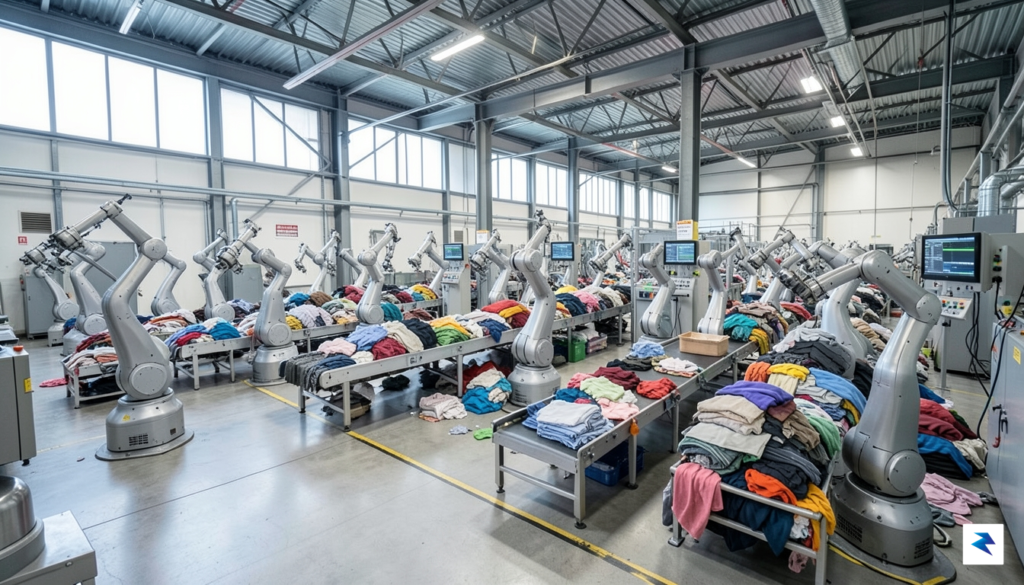
The journey from a promising laboratory breakthrough to a fully industrialized, market-dominant solution is notoriously fraught with peril for green technology startups. While the initial investment from Lululemon signals strong confidence in Syntetica’s innovative chemical recycling process for nylon, the path ahead traverses what industry experts often term the “valley of death” – the chasm between successful proof-of-concept and commercially viable, scaled production. This phase demands not only immense capital but also the meticulous construction of complex supply chains, the optimization of processes for economies of scale far beyond bench-top experiments, and the navigation of a global market often resistant to change. Syntetica’s challenge isn’t merely to perfect its science, but to transform it into a robust, repeatable, and economically competitive industrial operation, a feat where many brilliant innovations have stumbled.
One of the most significant operational hurdles for any textile-to-textile recycling endeavor, including Syntetica’s, lies in the sourcing and processing of consistent, high-quality post-consumer waste. Unlike a factory that begins with uniform virgin pellets, Syntetica must rely on a highly varied and often contaminated feedstock of discarded nylon garments. Textile waste streams are a complex mosaic of different fiber types—nylon often blended with elastane, cotton, polyester, and various dyes, finishes, and non-textile components like zippers and buttons. Extracting pure nylon, or a stream clean enough for Syntetica’s specific depolymerization process, requires sophisticated and costly sorting infrastructure that is largely underdeveloped globally. Inconsistent input quality can lead to inefficiencies in the recycling process, variable output quality, and significantly increased operational costs, making the entire value chain more fragile and expensive to manage. Building a reliable, scalable pipeline for suitable waste material is a monumental logistical undertaking that requires collaboration across collectors, sorters, and manufacturers.
Beyond the complexities of feedstock, Syntetica faces the formidable task of achieving price parity with low-cost virgin nylon. The production of new nylon from fossil fuels is a mature, highly optimized industry that benefits from decades of established infrastructure, massive economies of scale, and often, less stringent environmental cost accounting. Recycled materials, particularly those derived from novel chemical processes, typically incur higher initial production costs due to the newness of the technology, the smaller scale of early operations, and the inherent challenges of processing waste materials. For Syntetica’s output to truly disrupt the market, its recycled nylon must not only meet performance standards but also compete effectively on price. While brands like Lululemon are willing to pay a premium for sustainable alternatives, widespread adoption across the industry hinges on offering a product that doesn’t significantly inflate manufacturing costs, forcing Syntetica to innovate not just in chemistry, but in operational efficiency and cost control to bridge this crucial economic gap.
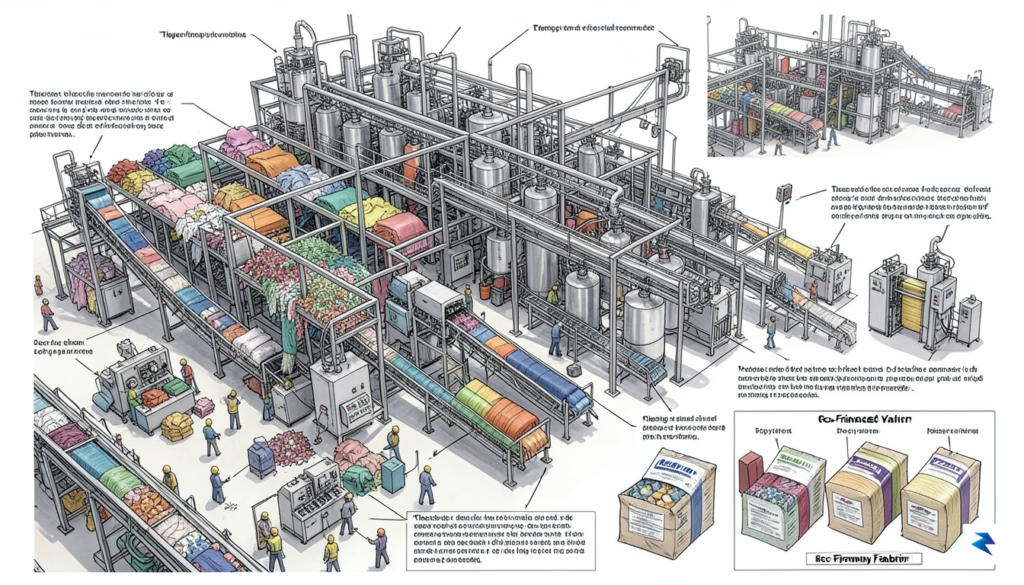

The significant investment by Lululemon in Syntetica marks a pivotal moment, signaling a profound shift in how major apparel brands approach sustainability. Historically, many companies have engaged in corporate social responsibility through donations, partnerships, or pledges to use recycled materials, often relying on existing, sometimes inadequate, infrastructure. However, this move by Lululemon transcends mere support; it positions the brand as an active architect of new industrial infrastructure, directly funding the deep-tech solutions required to close the loop on challenging materials like nylon. This proactive ‘brand-as-investor’ model signifies a recognition that systemic change demands direct financial and strategic engagement in developing the core technologies that underpin a truly circular economy, rather than simply consuming what’s available. It suggests a future where brands are not just customers of recycled inputs but owners and drivers of the recycling process itself, ensuring a robust and reliable supply chain for their future needs.
This aggressive investment strategy paves the way for a tangible transformation in the consumer experience within the next three to five years. We can reasonably anticipate a future where fully circular performance garments, made from chemically recycled nylon, are not just a niche offering but a standard expectation in high-end athletic wear. Imagine purchasing a pair of Lululemon leggings, knowing with certainty that they can be returned to a specialized facility for chemical breakdown and re-synthesis into new, virgin-quality fabric, endlessly. This paradigm shift moves beyond downcycling or partial recycling, promising true material circularity without compromising performance, durability, or aesthetic appeal. For consumers, this translates into a powerful new dimension of conscious consumption, where ecological responsibility is seamlessly integrated with the pursuit of peak athletic performance.

Ultimately, this evolution fundamentally redefines the very relationship between performance apparel and ecological impact. For decades, high-performance materials like nylon were often criticized for their environmental footprint, particularly their reliance on fossil fuels and their non-biodegradable nature. Now, through groundbreaking investments in chemical recycling, brands are demonstrating that peak performance and environmental stewardship are not mutually exclusive but rather deeply interconnected aspirations. The ability to reclaim and regenerate these complex polymers at a molecular level allows for the creation of new products that retain all the desired attributes—stretch, breathability, durability—while drastically reducing their virgin resource dependency and waste generation. This new paradigm heralds an era where the pursuit of athletic excellence can go hand-in-hand with a profound commitment to planetary health, setting a new benchmark for innovation across the entire apparel market.
You must be logged in to post a comment.