
New US Tariffs on Brazil: What You Need to Know About the Latest Trade Shift
The New Tariff Framework: Understanding the Policy Shift The Trump administration’s recent announcement regarding a fresh round of tariffs on…
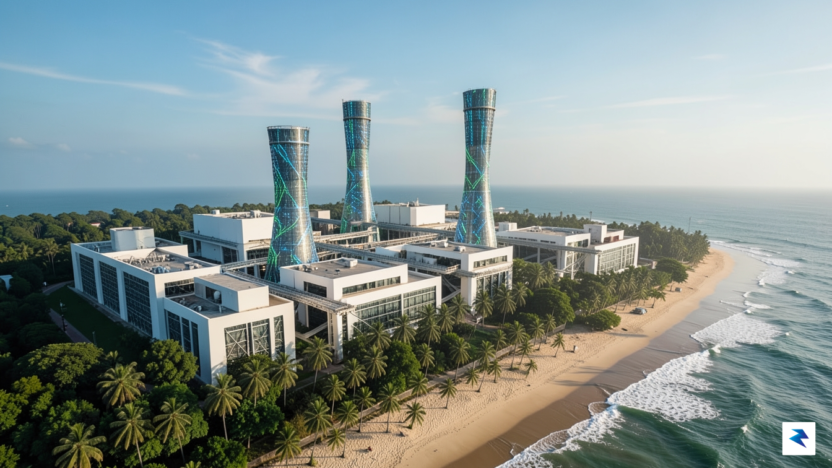

India is rapidly embarking on an ambitious journey to become a pivotal global hub for artificial intelligence infrastructure, marking a significant strategic pivot in its technological evolution. While long recognized for its prowess in IT services and software development, the nation is now aggressively shifting its focus towards building the foundational hardware necessary to power the next generation of AI. This transition is not merely about keeping pace; it’s a determined effort to leapfrog competitors and establish a commanding presence in the high-stakes global AI race, recognizing that future economic power and geopolitical influence will be inextricably linked to AI capabilities.
Central to this strategic acceleration is the Indian government’s proactive engagement with leading global tech giants. Officials are actively courting major players with a comprehensive suite of incentives, including substantial subsidies, tax breaks, and streamlined regulatory processes, all designed to make India an irresistible destination for massive data center investments. This aggressive push stems from a clear understanding that hosting cutting-edge AI infrastructure domestically is crucial for national data sovereignty, economic growth, and fostering an indigenous AI ecosystem, thereby reducing reliance on foreign computational power and securing a competitive edge on the international stage.
The specific demands of AI-driven compute power are what truly differentiate these new facilities from traditional data centers. Training sophisticated AI models, from large language models to complex neural networks, requires an astronomical amount of processing power, often relying on specialized Graphics Processing Units (GPUs) that consume vast quantities of energy. Consequently, these next-generation data centers are not only larger in scale but also generate immense heat, necessitating sophisticated and continuous cooling solutions. This unique requirement is a primary driver behind the search for specific geographical locations capable of supporting such intensive operations.
It is precisely these extraordinary cooling demands that have turned India’s extensive coastline into a prime target for these colossal infrastructure projects. Coastal regions offer a natural advantage due to their proximity to abundant water sources, which are essential for the advanced cooling systems required to maintain optimal operating temperatures for thousands of power-hungry servers. Furthermore, these locations often provide direct access to international submarine cable landing stations, ensuring high-speed, low-latency data transmission crucial for global AI operations. The combination of readily available land, potential for renewable energy integration, and critical connectivity makes these coastal stretches strategically invaluable in India’s quest to solidify its position as a global AI powerhouse.
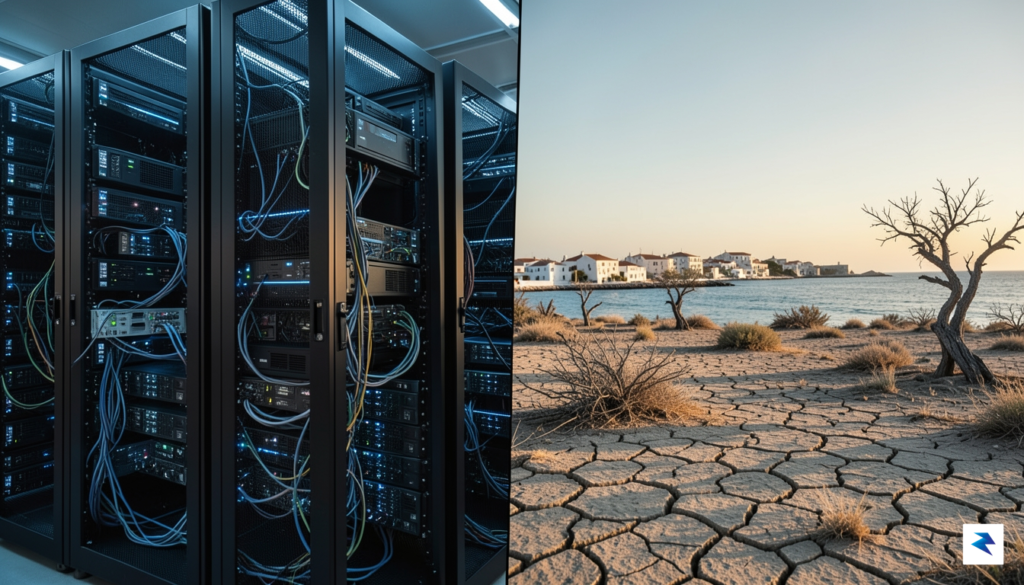
While the promise of artificial intelligence often focuses on abstract concepts like machine learning and digital efficiency, the physical reality of building these systems is anchored in a voracious appetite for natural resources. High-density computing facilities, or hyperscale data centers, operate as massive, heat-generating engines that require constant, round-the-clock cooling to prevent server failure. In coastal Indian cities—already struggling with the dual pressures of rising sea levels and unpredictable monsoons—the sudden concentration of these energy-intensive structures creates a precarious paradox. The infrastructure required to support a “smarter” future is inadvertently placing an immense burden on the very ecosystems that sustain these urban populations.
The most pressing concern is the staggering volume of water required for thermal management. Modern data centers rely on cooling towers that evaporate millions of gallons of water to regulate the temperature of thousands of high-performance GPUs. When these massive facilities are clustered in coastal zones, they often draw from the same municipal water tables that provide drinking and sanitation services to millions of residents. As industrial demand surges, local governments face the difficult task of balancing the needs of a booming tech sector against the fundamental right of citizens to access clean water. This creates a zero-sum game where the cooling requirements of an AI cluster can directly compromise the water security of surrounding neighborhoods during peak summer months.

Beyond water consumption, the strain on municipal energy grids is equally alarming. Data centers operate with a load profile that is both massive and unyielding, demanding a consistent, uninterrupted flow of electricity. Integrating such heavy-duty demand into a city’s existing energy framework often necessitates prioritizing industrial zones over residential sectors. This competition for power can lead to intermittent supply issues for local businesses and households, particularly in regions where the transition to renewable energy is still underway. Furthermore, because AI computing requires extreme processing power, the carbon footprint of these facilities remains high, often relying on fossil-fuel-heavy backup generators that exacerbate local air pollution.
The long-term sustainability of AI growth in India depends not just on algorithmic innovation, but on the ability of urban planners to decouple technological expansion from the depletion of essential local resources.
Ultimately, the environmental impact of these data centers extends far beyond their immediate footprint. The thermal discharge from cooling systems can raise the temperature of local water bodies, potentially disrupting fragile coastal biodiversity and affecting the livelihoods of local fishing communities. As these developers continue to seek out land in climate-vulnerable areas, the long-term environmental sustainability of their operations remains an open question. Without robust regulatory frameworks that mandate water recycling, renewable energy integration, and strict conservation standards, the physical cost of India’s AI ambitions may fall disproportionately on the shoulders of its most vulnerable coastal residents.

When policymakers and tech conglomerates announce the construction of massive data centers along India’s coastlines, the rhetoric almost invariably focuses on a singular, alluring promise: the revitalization of the local economy through job creation. This narrative paints a picture of bustling industrial hubs that will lift communities out of poverty and usher in a new era of technical prosperity. However, a closer look at the operational reality of these facilities reveals a stark disconnect between the marketing slogans and the actual economic impact on the ground. While these projects undoubtedly generate a surge in temporary labor during the construction phase—hiring thousands of workers to lay foundations, install fiber optics, and assemble steel frameworks—this employment is fleeting and rarely translates into long-term stability for the local population.
The fundamental issue lies in the nature of modern data center operations, which are designed to be almost entirely automated and hyper-efficient. Once the construction crews pack up and the servers are activated, the facility transitions from a labor-intensive site to a highly specialized, low-headcount environment. These centers rely on sophisticated software-defined networking and remote management systems that require very few humans on-site to function optimally. Consequently, the permanent workforce required to maintain a massive data center is often surprisingly small, consisting mostly of highly skilled engineers and technicians who are frequently flown in from major tech hubs rather than recruited from the local fishing or agricultural communities surrounding the site.
The promise of mass employment is often a transient mirage, leaving behind a permanent infrastructure footprint while the economic windfall flows upward to corporate centers far from the coast.
Furthermore, the expectation of a ‘trickle-down’ economic effect in these coastal regions is frequently undermined by the specific needs of the industry. Data centers are essentially fortresses for servers, consuming vast amounts of electricity and water while demanding high-security perimeters that often physically isolate them from the surrounding neighborhoods. Unlike a manufacturing plant or a commercial retail development, a data center does not create a robust ecosystem of local supply chains, neighborhood services, or ancillary businesses. Instead, these facilities often operate as self-contained islands, putting an immense strain on local natural resources—such as water tables and grid capacity—without returning a proportional share of wealth or career opportunities to the people who inhabit the land.
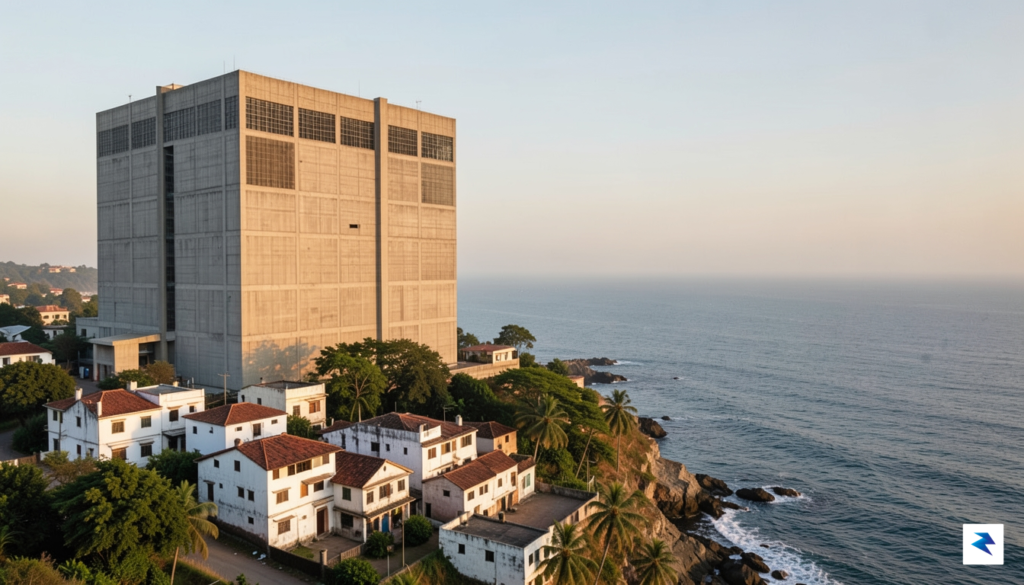
Ultimately, the myth of job creation serves as a convenient justification for the environmental and social costs imposed on coastal communities. By framing these megaprojects as engines of employment, developers can bypass critical questions about land use, resource depletion, and the long-term displacement of local economies. For the average resident, the legacy of a data center is not a steady paycheck or a path to a tech career, but rather a changed landscape and an increased burden on shared public utilities. As India continues its aggressive push toward becoming a global AI powerhouse, it is essential to scrutinize whether these data centers are truly serving the public interest or simply extracting local resources to fuel a digital economy that leaves the local worker behind.
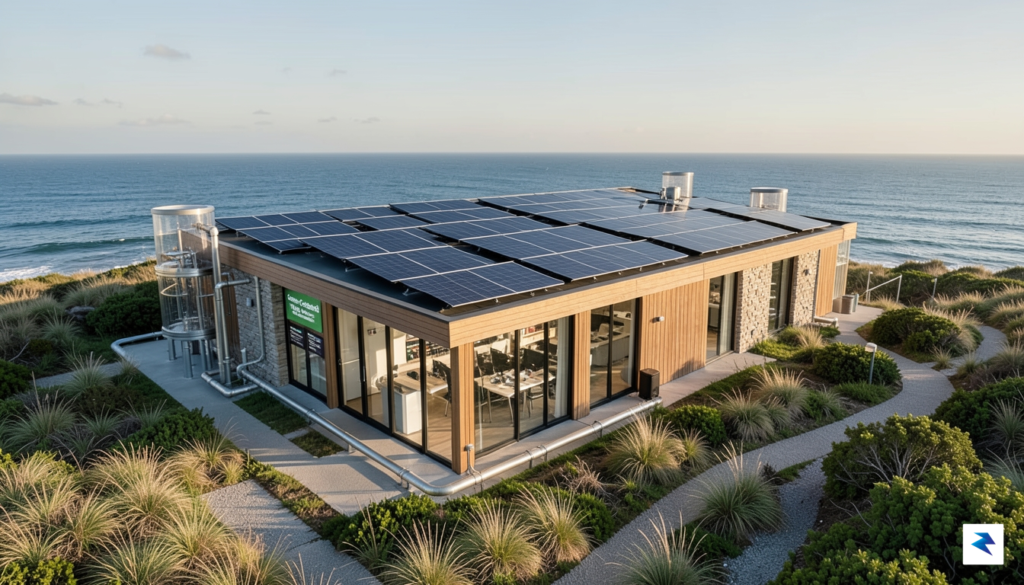
India stands at the precipice of a monumental technological leap, poised to become a global powerhouse in artificial intelligence. However, this ambitious journey demands a conscious redefinition of how such advanced infrastructure is conceived and constructed. The burgeoning demand for AI data centers, essential for processing vast amounts of information, presents a unique challenge: how to embrace the digital future without inadvertently sacrificing the very environmental and community well-being that underpins national progress. The path forward is not to reject the AI revolution, but rather to meticulously design its architecture with sustainability and equity at its core.
A fundamental pillar of this redefined approach must be the implementation of stringent regulatory oversight. Data centers are resource-intensive operations, consuming enormous amounts of electricity and, critically, water for cooling. Therefore, robust environmental impact assessments must become non-negotiable, conducted independently and transparently before any project breaks ground. Furthermore, specific mandates like water-neutrality should be enforced, compelling developers to design systems that either recycle and reuse their water or replenish local water sources at a rate equivalent to their consumption. Ideally, innovative approaches could even aim for water-positive operations, contributing more water to the local ecosystem than they withdraw, perhaps through rainwater harvesting and advanced wastewater treatment systems integrated into the facility’s design.
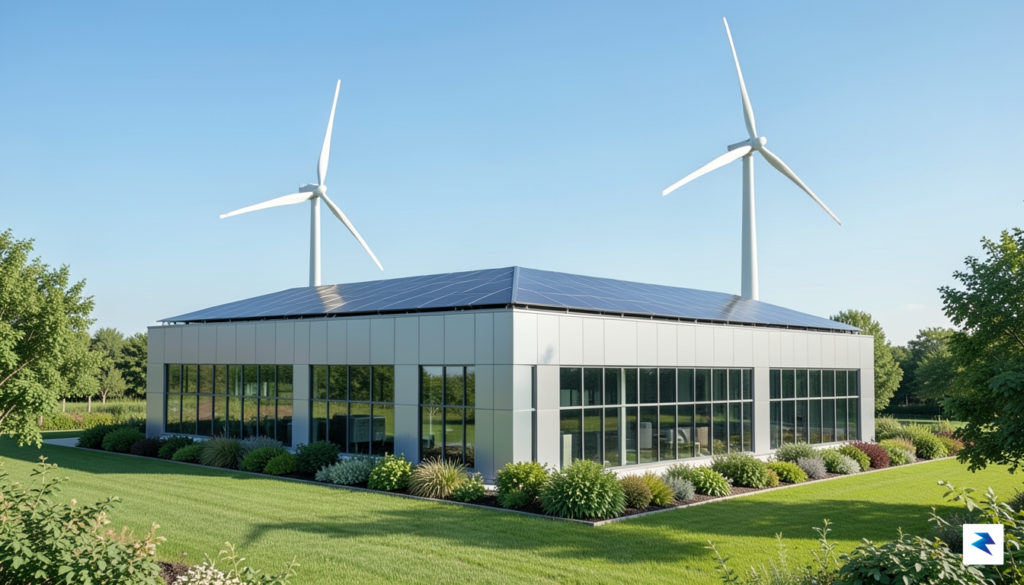
The sheer energy appetite of AI data centers necessitates a complete paradigm shift towards renewable energy sourcing. India has a tremendous potential for solar and wind power, and future data center projects should be mandated to operate primarily, if not entirely, on clean energy. This isn’t merely about offsetting carbon footprints; it’s about building resilient infrastructure that isn’t beholden to volatile fossil fuel markets. Policy frameworks could include requirements for direct power purchase agreements from new renewable energy projects, or even co-location of data centers with large-scale solar or wind farms, creating integrated green tech hubs. Incentives for energy efficiency, such as utilizing advanced cooling technologies that reduce power consumption or harnessing waste heat for local district heating projects, would further solidify this commitment to a truly sustainable digital future.
Technological progress must never come at the expense of the communities hosting these massive machines. Often, coastal cities or specific rural areas are chosen for their strategic locations or available land, leading to concerns about displacement, altered livelihoods, and localized environmental degradation. To counteract this, robust Community Benefit Agreements (CBAs) should become standard practice. These legally binding agreements, negotiated between developers and community representatives, could ensure a range of benefits: guaranteed local job creation, investment in local infrastructure (roads, schools, healthcare facilities), fair compensation for land use, and dedicated funds for community development projects. It’s about ensuring that the economic dividends of the AI revolution are shared equitably, fostering a sense of ownership and partnership rather than resentment.
Beyond these specific policies, there is a broader call for a more localized and sustainably integrated approach to tech infrastructure development. Instead of concentrating all data centers in a few vulnerable coastal hubs, exploring a distributed network of smaller, highly efficient facilities could alleviate pressure on specific regions. This could involve leveraging existing industrial sites, brownfields, or even designing compact, modular data centers that can be deployed with minimal environmental footprint. Such an approach would not only enhance the resilience of the national digital infrastructure but also distribute economic opportunities more widely across the country. Ultimately, by embedding strict environmental safeguards, prioritizing renewable energy, and empowering local communities, India can chart a course for AI advancement that is both technologically brilliant and profoundly sustainable, setting a global precedent for responsible innovation.
You must be logged in to post a comment.