India’s AI Ambitions: Are Data Centers Hurting Coastal Communities?
The AI Infrastructure Gold Rush in India India is rapidly embarking on an ambitious journey to become a pivotal global hub for artificial…
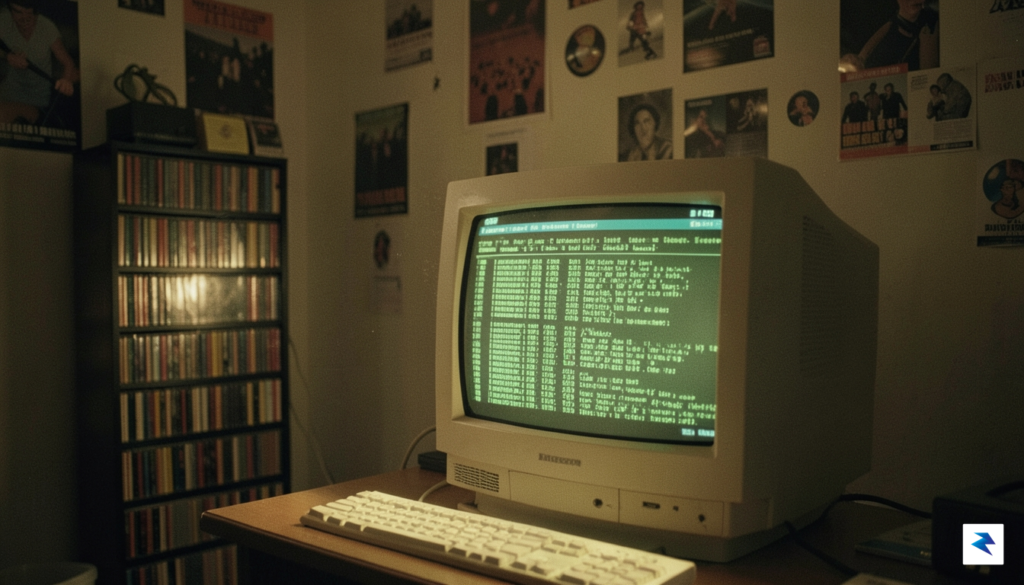
Before the omnipresent algorithms curated our sonic landscapes and streaming services offered instant access to virtually every song ever recorded, the journey of music discovery was a decidedly more hands-on affair. We stood at the precipice of a digital revolution, transitioning from the tangible world of CDs and cassette tapes, with their inherent limitations of physical space and retail availability, to the burgeoning realm of digital files. This shift, initially spearheaded by file-sharing networks often operating in a legal grey area, wasn’t merely about convenience; it fundamentally reshaped how we engaged with music, transforming passive listening into an active, almost archaeological expedition.
Indeed, the early digital era was characterized by a palpable “thrill of the hunt.” Platforms like Napster, Kazaa, and later torrent sites became bustling digital marketplaces where enthusiasts scoured for hidden gems. This wasn’t a world of instant gratification; it involved strategic searching, patience as dial-up or early broadband connections crawled, and often the delightful surprise of unearthing a rare B-side, a live bootleg, or an entire album from an obscure artist that would have been impossible to find in a local record store. The time and effort invested in navigating these networks, identifying reputable sources, and enduring lengthy download times imbued each acquired track with a sense of personal victory and heightened value.
This deliberate pursuit fostered a profound connection not only to the music itself but also to the artists behind it. Users weren’t just consuming content; they were actively building and curating their personal digital libraries, much like collectors meticulously arrange their vinyl or CD collections. The intentionality of seeking out a specific band, delving into their discography, and meticulously organizing folders on a hard drive created a deeply personal relationship with one’s music collection. It was a self-directed education, a journey of taste development unguided by automated recommendations, demanding a deeper engagement and critical ear from the listener.
The very friction inherent in this discovery process paradoxically cultivated a greater appreciation for the art. When music wasn’t effortlessly available at the click of a button, the act of acquiring it became an integral part of the experience. Each downloaded album or single represented an investment of time and effort, making it feel more precious, more earned. This barrier to entry, while sometimes frustrating, inadvertently elevated the perceived value of the music. It wasn’t just background noise; it was a curated artifact, a prize won through diligent searching, fostering a sense of ownership and intimacy that is often diluted in today’s frictionless, all-you-can-stream environments.
While the modern era of streaming offers unparalleled convenience and access, the active, manual pursuit of music in the pre-streaming digital age cultivated a unique bond between listener and sound. It was an era where the act of discovery was as much a part of the musical journey as the listening itself, encouraging a deeper dive into artists’ catalogs and fostering a more discerning ear. The “piracy” era, despite its ethical complexities, inadvertently served as a crucible for a generation of music lovers, teaching us the value of the hunt and the profound satisfaction of truly making music our own.
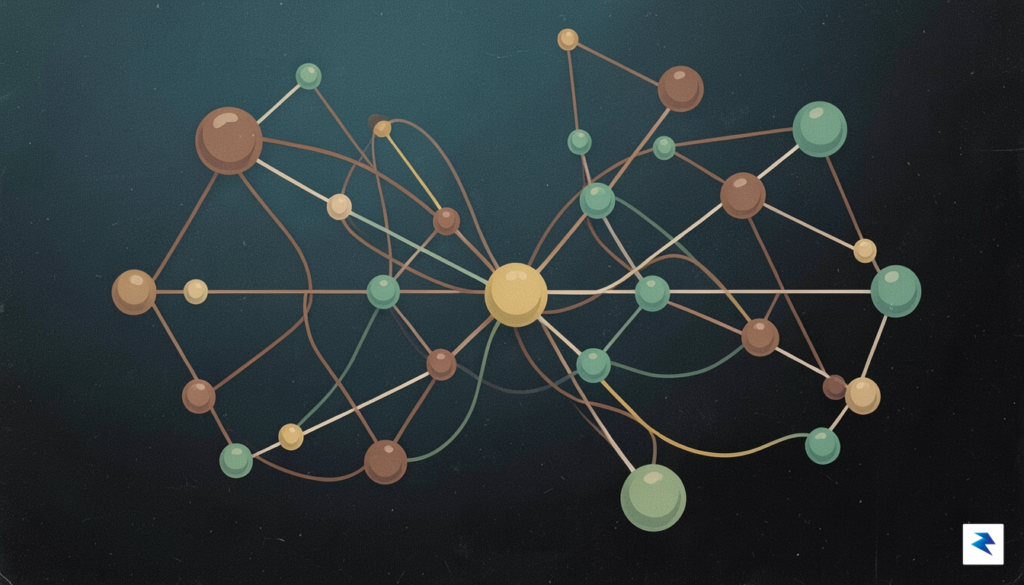
Private torrent trackers, particularly legendary sites like OiNK.cd and later What.CD, were far more than simple digital warehouses for copyrighted material. They cultivated intricate ecosystems built around a shared, fervent passion for music. These were not the chaotic, free-for-all spaces often associated with public file-sharing; instead, they were meticulously structured, invite-only communities that upheld an almost obsessive standard of quality and curation. Access was a privilege, not a right, fostering an environment where members actively contributed to the collective knowledge and archive rather than merely consuming. This dedication transformed them into unparalleled digital libraries, driven by the collective expertise of true audiophiles and music historians.
The cornerstone of these communities was an unwavering commitment to quality and comprehensive metadata. Unlike the often haphazard offerings found elsewhere online, private trackers enforced strict rules regarding file formats and information. For instance, the gold standard for audio quality was lossless FLAC (Free Lossless Audio Codec), ensuring that members received exact digital copies of albums, indistinguishable from the original CDs. Beyond the audio itself, robust metadata was paramount: every upload required meticulous tagging, including accurate artist and album names, track listings, release dates, genre information, and high-resolution cover art. This fanatical attention to detail meant that users weren’t just downloading music; they were acquiring perfectly cataloged digital artifacts, making discovery and organization a seamless experience long before mainstream services caught on.
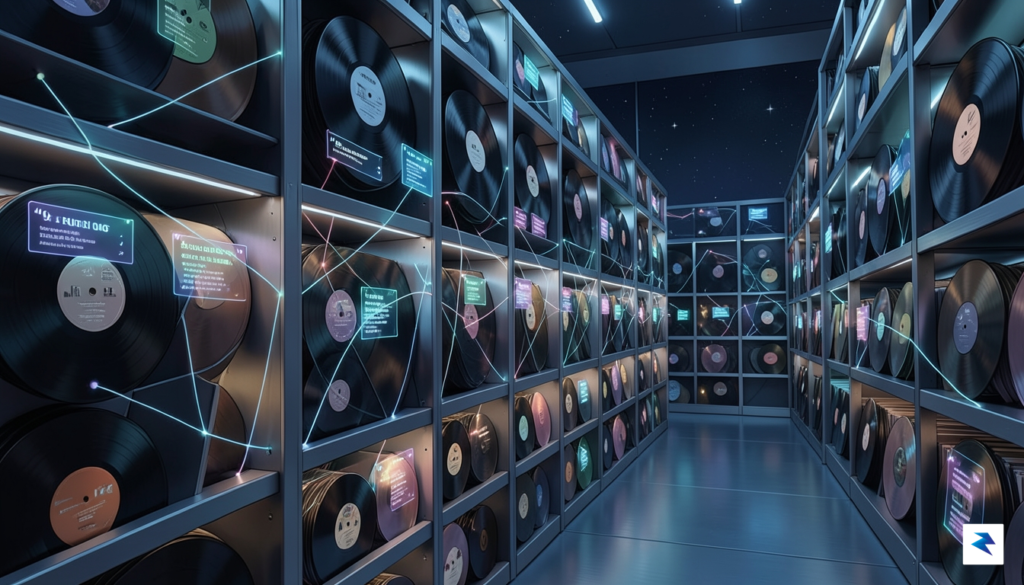
Within these digital archives, sophisticated social structures naturally emerged, creating a vibrant, self-regulating meritocracy. Membership was typically granted via invitation from an existing member, often requiring an interview or a demonstration of technical prowess and musical knowledge. Once inside, a complex “ratio” system dictated a user’s standing: members were expected to upload as much data as they downloaded, ensuring the health and longevity of the shared files. Special roles, such as encoders who converted music into various formats, uploaders who sourced and shared new releases, and re-seeders who ensured older content remained available, formed a hierarchical yet collaborative network. These roles weren’t just about status; they were essential functions that maintained the platform’s vast and diverse library, rewarding active participation and expertise.
To simply label these communities as “piracy sites” misses a crucial part of their essence. While the act of sharing copyrighted material without explicit permission was undeniably present, the underlying motivation for many was not purely about acquiring free music. Instead, it was deeply rooted in a desire for comprehensive music discovery, cultural preservation, and a communal celebration of artistry. Members used these platforms to explore obscure genres, discover forgotten artists, and access rare live recordings or out-of-print albums that were otherwise unavailable through legitimate channels. This shared pursuit fostered a unique sense of camaraderie, where knowledge was freely exchanged, and passionate discussions about music, production, and history were commonplace, creating a rich cultural dialogue.
Indeed, the operational philosophy of private trackers, particularly their emphasis on curated content, robust metadata, and community-driven excellence, served as an unwitting precursor to many features we now take for granted in modern music streaming and discovery platforms. They pioneered advanced search filters, user-generated reviews, and recommendation systems long before Spotify or Apple Music became ubiquitous. However, unlike today’s corporate-controlled
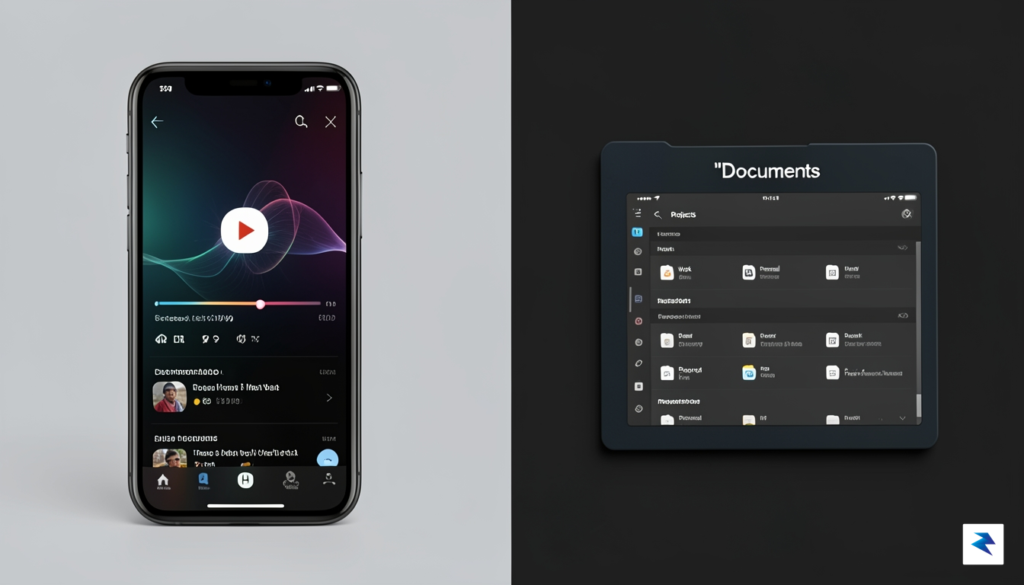
There is a profound psychological weight that accompanies the act of building a physical or digital music library—a sense of curation that streaming platforms have effectively dissolved. When we meticulously organized folders of MP3s, we were not merely storing data; we were mapping our own personal histories. Each track, meticulously tagged with metadata and nestled within a digital folder, felt like a permanent artifact of our identity. By contrast, the convenience of modern streaming models creates a “liquidity” of music that, while accessible, feels inherently ephemeral. When you rent access to a global database, you are essentially borrowing the soundtrack of your life rather than possessing it, leaving you vulnerable to the whims of licensing agreements and corporate bottom lines.
This convenience comes with a hidden tax that most users don’t notice until their favorite song suddenly turns grey and unplayable. The modern listener is subject to a constant state of flux: region locks can wall off entire discographies, and the “black hole” of rights disputes means that albums you once curated into your “favorites” can vanish overnight without warning. This instability fundamentally alters the relationship between the listener and the artist. Instead of a deep, enduring connection built on repeated listens of a static file, we are encouraged to engage with music as a temporary utility. When an album disappears from a platform, it isn’t just a technical glitch; it is the erasure of a piece of your cultural memory, a stark reminder that your library is merely a leased service subject to expiration.
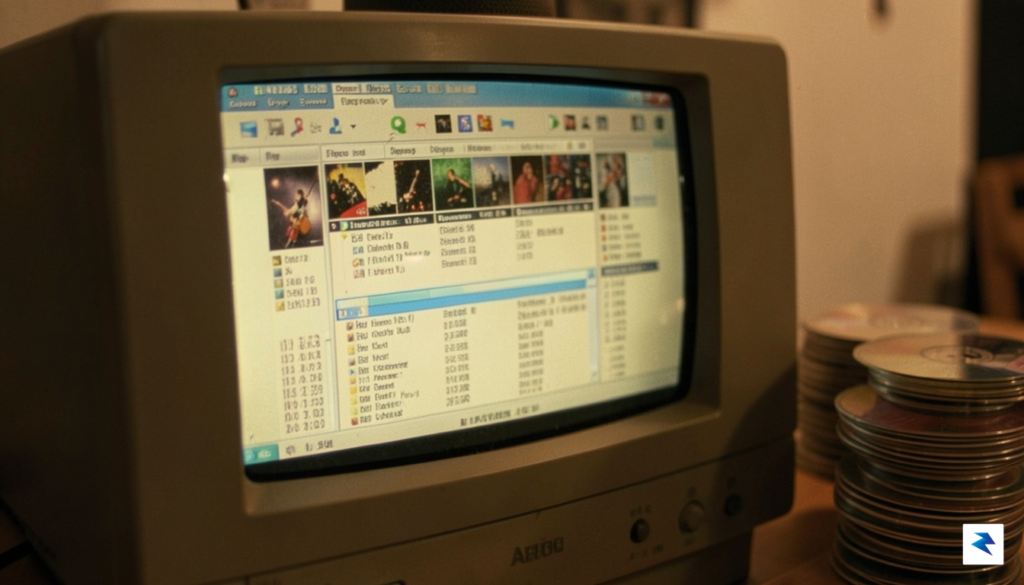
The difference between ownership and access is the difference between a home and a hotel; one is a place you build, while the other is a place you inhabit until your time is up.
Beyond the logistical frustrations of disappearing tracks, there is a tangible loss in the “friction” of ownership. During the era of digital piracy and local storage, obtaining a new album was often an intentional process that required effort, making the resulting possession feel earned. You had to search, download, organize, and ensure the files were backed up. This process forced a level of intimacy with the music that current “algorithmic discovery” lacks. Today, we are fed endless streams of recommendations that prioritize passive consumption over active engagement. By trading our hard drives for cloud-based licenses, we have gained a world of music at our fingertips, but we have surrendered the pride of stewardship that once transformed a collection of songs into a defining, irreplaceable archive of our lives.
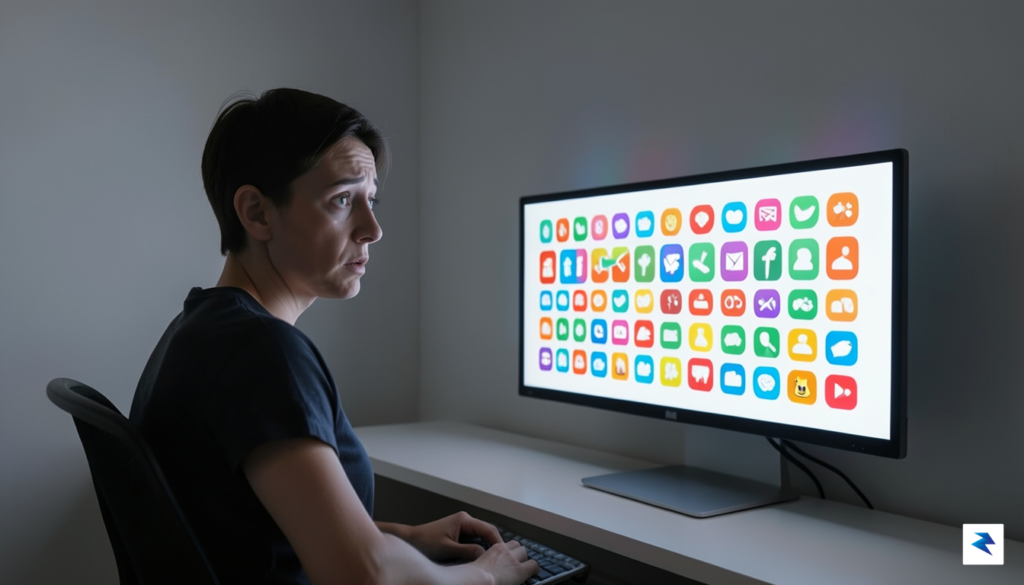
Modern streaming platforms boast an unparalleled ability to connect us with music, offering vast libraries and sophisticated recommendation engines that promise to tailor our listening experience perfectly. While this convenience is undeniable, providing instant access to millions of tracks at our fingertips, it simultaneously ushers in a peculiar paradox. The very algorithms designed to broaden our horizons often inadvertently narrow them, creating a sonic echo chamber that keeps us comfortably ensconced within the familiar. This curated comfort, while seemingly efficient, actively diminishes the thrilling unpredictability that once defined the journey of music discovery.
These recommendation systems, driven by complex data analysis of our listening habits and those of similar users, excel at serving up more of what we already like. If you enjoy indie rock, you’ll be flooded with more indie rock; if you’re a hip-hop enthusiast, your feed will reflect that preference almost exclusively. Consequently, the subtle genre-bending artists, the obscure B-sides, or the entirely novel sounds that might lie just outside our established tastes often remain hidden, relegated to the vast, unindexed corners of the digital realm. This constant reinforcement of our existing preferences cultivates a somewhat predictable musical diet, stifling the growth that comes from genuine, unexpected exposure to different sonic landscapes.
The shift towards algorithmic curation has fundamentally altered our relationship with music, transforming it from an active pursuit into a more passive consumption. In the era preceding widespread streaming, discovering new artists often required deliberate effort: browsing forums, trading burned CDs, or downloading tracks one by one, often based on word-of-mouth or a fleeting reference. This investment of time and energy fostered a deeper connection to the music, making each discovery feel earned and personal. Today, music often serves as mere background fodder, easily shuffled and skipped, a readily available commodity rather than a treasure to be unearthed, thereby diminishing its perceived value and the listener’s engagement.
The once vital element of ‘accidental discovery’ has largely fallen by the wayside. While a “recommended for you” playlist might introduce us to new artists, these suggestions are inherently filtered through our past behaviors, making true serendipity a rare occurrence. Gone are the days of downloading an unknown album based solely on intriguing cover art or a cryptic file name, only to stumble upon a genre-defining masterpiece. This kind of unguided exploration, where every click could lead to a revelation or a delightful misstep, cultivated a spirit of adventure that modern, hyper-personalized feeds simply cannot replicate, prioritizing efficiency over the profound impact of unexpected musical encounters.
Ultimately, when music is predominantly presented as a personalized, seamless stream of background noise, we risk losing the very essence of ‘fanhood’ that once defined music culture. Becoming a fan used to involve a journey: seeking out interviews, delving into discographies, understanding artistic influences, and sharing discoveries with like-minded individuals. This active engagement built communities and fostered deep, lasting connections with artists and their work. Now, with algorithms doing the heavy lifting of discovery and curation, the impetus to dive deeper, to truly invest in an artist’s world, often diminishes, reducing music from a shared passion and cultural touchstone to an individualized soundtrack for daily life.
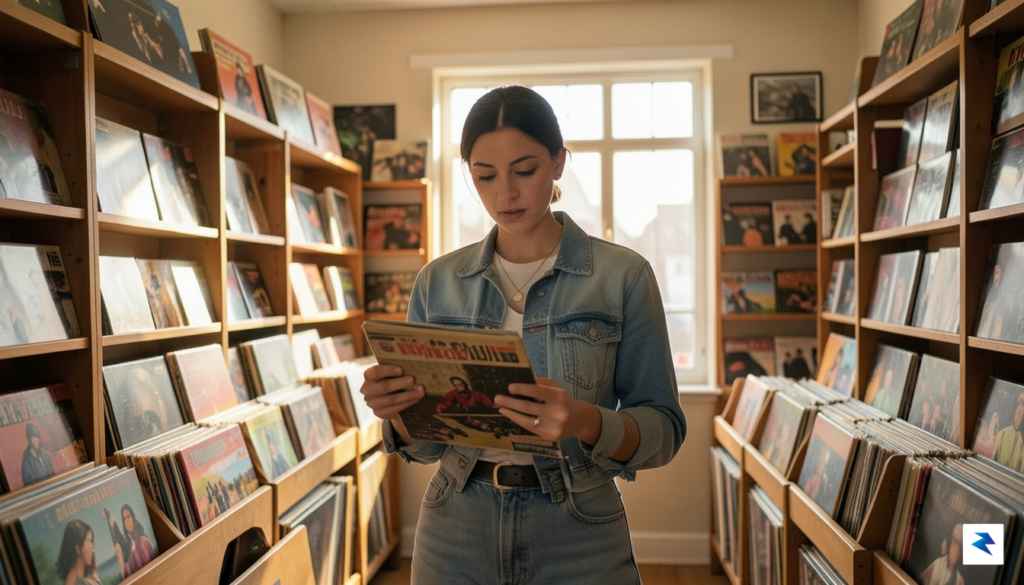
Reclaiming the sense of wonder that defined the era of digital file sharing doesn’t require returning to the illicit practices of the past; rather, it requires reintroducing a healthy amount of friction into how we consume art. In our modern streaming landscape, the “infinite buffet” model often leads to passive listening, where music becomes little more than background noise. To escape this, we must shift our focus from algorithmic convenience to intentional curation. By intentionally slowing down our discovery process, we transform the act of finding new music from a mindless scroll into a rewarding scavenger hunt. This might mean setting aside one hour a week to exclusively browse independent label websites or digging through the digital crates of smaller, genre-specific forums where human recommendations still carry more weight than any machine-learning model.
The most direct path to recapturing that lost depth is to prioritize platforms that treat music as a tangible good rather than a fleeting stream. Bandcamp remains the gold standard for this, as it allows listeners to support artists directly while providing the files you actually own. When you purchase an album, you are no longer a renter at the mercy of a licensing agreement; you are a patron. This shift in ownership inherently changes your relationship with the music. You are far more likely to sit with an album, read the liner notes, and appreciate the sequencing when you have physically downloaded the files to your own library, effectively curating a collection that reflects your identity rather than a playlist generated by a cold, distant algorithm.
True discovery is rarely found in the “Recommended for You” tab; it is found in the dusty corners of community-driven spaces where people share music because they are genuinely moved by it, not because they are chasing a metric.
Beyond digital ownership, there is immense value in re-engaging with physical media and community-driven curation. Modern music blogs, zines, and Discord communities dedicated to niche subcultures offer a level of context that Spotify’s “Discover Weekly” simply cannot replicate. These communities provide stories, history, and passionate discourse that enrich the listening experience. To truly balance the convenience of streaming with the depth of a collector, consider this hybrid approach:
Ultimately, reclaiming the joy of exploration is about reclaiming our agency as listeners. By actively seeking out music that challenges us and supporting the people who create it, we move away from the passive consumption that defines the current era. It is time to treat our music libraries with the same care and intentionality that we apply to our most cherished hobbies, ensuring that the music we love remains a permanent part of our lives rather than a temporary guest in our ears.
You must be logged in to post a comment.