
NTSB Investigation Confirms 100% Accelerator Input in Texas Tesla Crash
Understanding the NTSB Findings: The Technical Breakdown The National Transportation Safety Board (NTSB) has concluded its rigorous…
In the mid-2000s, the internet was a landscape defined by static pages and the laborious, long-form prose of early blogging. Users navigated the web through dense paragraphs and sprawling personal journals, creating an environment where digital interaction felt heavy and time-consuming. It was within this climate that a small team at a podcasting company called Odeo pivoted toward a radical experiment: a platform designed for the immediacy of the present moment. By stripping away the need for headlines, introductory paragraphs, and structured narratives, the creators introduced a space that prioritized raw, unfiltered impulse over polished composition.
The philosophy driving this new service was rooted in the ubiquity of Short Message Service (SMS) technology. Jack Dorsey, one of the co-founders, envisioned a platform that functioned like a global group text, where users could broadcast their status to a network of friends in real-time. Because SMS protocols at the time limited messages to 160 characters—with 20 characters reserved for usernames—the constraint of 140 characters became the defining architectural pillar of the site. This artificial boundary was not merely a technical limitation; it was a psychological catalyst that fundamentally altered how humans processed and shared information online.
The genius of the 140-character limit lay in its ability to strip away the “fluff” of online communication, forcing users to distill complex sentiments into punchy, memorable bursts of wit and urgency.
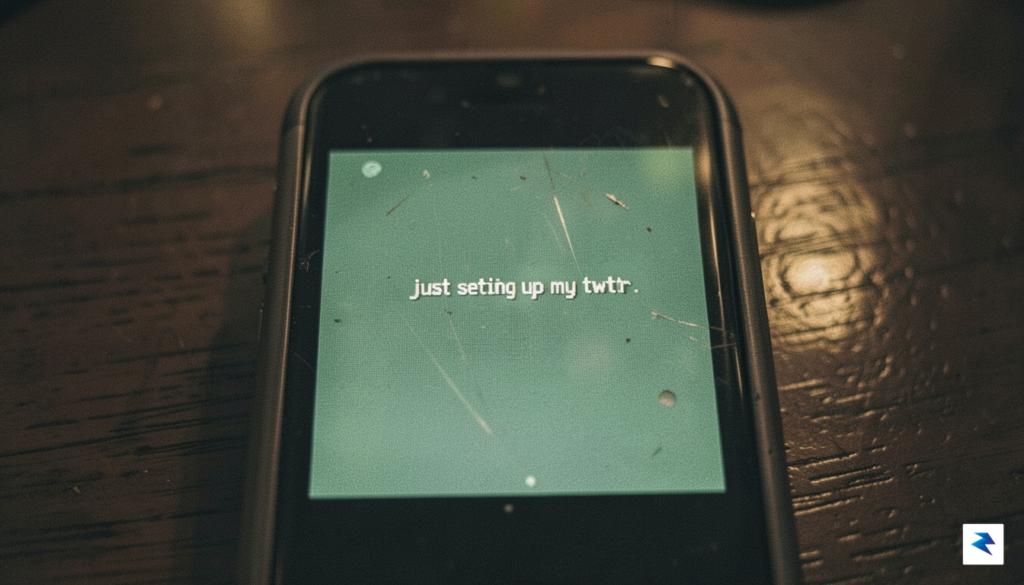
The debut of this platform is now etched into digital folklore, marked by the now-iconic “just setting up my twttr” post on March 21, 2006. At the time, it seemed like an unassuming novelty, yet it signaled a seismic shift in the digital zeitgeist. By imposing such a strict economy of words, the platform effectively gamified communication, rewarding those who could be the most clever, concise, or controversial. This shift accelerated the pace of global discourse, turning the internet from a library of static documents into a vibrant, chaotic, and lightning-fast nervous system that reacted to world events as they unfolded.
Over the years, this constraint did more than just change the length of our posts; it transformed the very nature of public engagement. It forced users to become poets of efficiency, learning to pack nuance, emotion, and political intent into a tiny sliver of text. In retrospect, the simplicity of that original design was its most profound strength, proving that when you remove the barriers to expression, you do not necessarily get less meaning—you get a more direct, intense, and immediate connection between people.
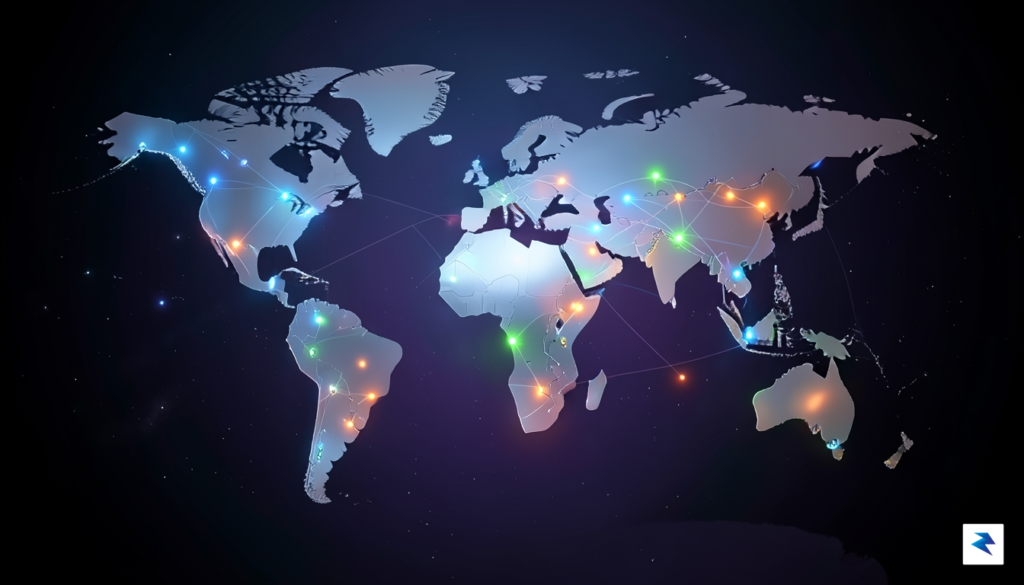
In its infancy, the platform was little more than a curiosity for tech enthusiasts, but it rapidly outgrew its origins to become the central nervous system of global communication. By collapsing the distance between a local event and a worldwide audience, it transformed the way information travels. What began as a tool for broadcasting mundane status updates evolved into a high-speed engine for real-time reporting, frequently outpacing traditional media organizations. In this new landscape, a citizen on the ground with a smartphone became as influential as a seasoned news anchor, effectively dismantling the gatekeeping mechanisms that had defined journalism for a century.
The true genius of this evolution lay in the adoption of the hashtag. What started as an organic user-led experiment to group conversations became a powerful organizational tool, allowing fragmented voices to coalesce into coherent, global movements. By tagging a specific topic, users could instantly tap into a collective consciousness, turning isolated observations into a synchronized stream of data. This architectural shift allowed for the democratization of information dissemination, where the prominence of a story was no longer determined by editorial boards, but by the velocity of public engagement and the reach of shared links.
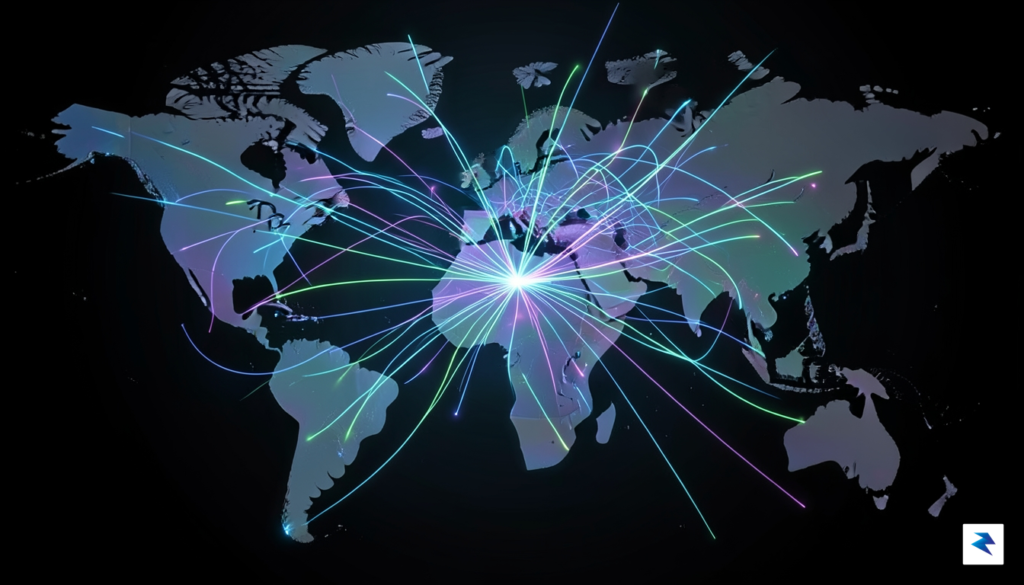
As the platform cemented its status as the world’s digital town square, public figures, world leaders, and institutions scrambled to maintain relevance within the 140-character constraint. The brevity of the format forced a shift toward punchy, immediate, and often provocative communication that bypassed formal press releases entirely. Consequently, the site became the primary venue for unfiltered discourse, where a single post could influence financial markets, spark international diplomatic crises, or ignite grassroots activism within minutes. Journalists became tethered to the platform, not only to track breaking developments but to gauge the raw, unfiltered pulse of public sentiment in real time.
The platform shifted the global paradigm from waiting for the morning paper to participating in the unfolding narrative of the present moment.
Ultimately, the rise of this digital ecosystem redefined the boundaries of public discourse. It created a space where the democratization of speech allowed marginalized voices to gain global attention, often challenging institutional narratives that had previously gone unquestioned. Whether through the rapid dissemination of emergency updates during natural disasters or the mobilization of social justice movements, the platform proved that speed and accessibility could rewrite the rules of social and political engagement. As we look back at these two decades, it is clear that the platform did not just report on the world; it fundamentally altered how we construct our shared reality.
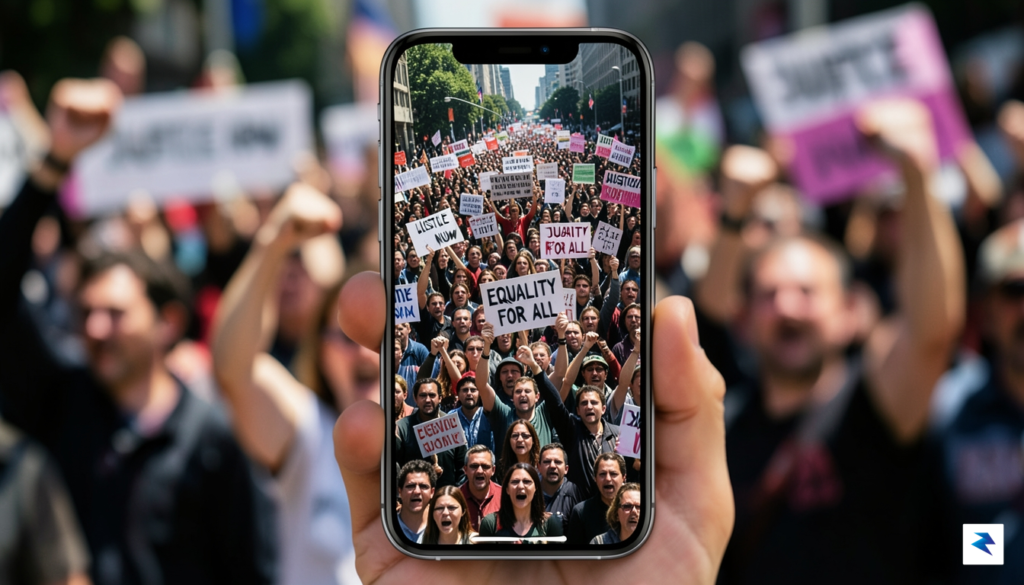
Over the last twenty years, the platform evolved from a curiosity for sharing mundane status updates into the world’s most potent digital town square. It fundamentally altered the rhythm of global discourse, transforming from a social novelty into the primary engine for breaking news. During the Arab Spring, the world witnessed the birth of “Twitter diplomacy” and real-time grassroots mobilization, where activists bypassed state-controlled media to broadcast the realities of political upheaval directly to an international audience. This democratization of information meant that a single smartphone could challenge entrenched power structures, forcing traditional news outlets to chase the narrative unfolding in the digital feed rather than dictating it themselves.
This capacity for rapid-fire organization became the bedrock for some of the most significant social movements of the 21st century. Hashtags like #BlackLivesMatter and #MeToo did not merely trend; they served as digital rallying cries that coalesced scattered sentiments into unified, tangible political forces. By providing a low-barrier space for marginalized voices to share their lived experiences, the platform catalyzed shifts in public consciousness that would have otherwise taken decades to materialize. Activists leveraged the power of the retweet to amplify calls for justice, turning local incidents into global dialogues that demanded accountability from corporations, institutions, and governments alike.
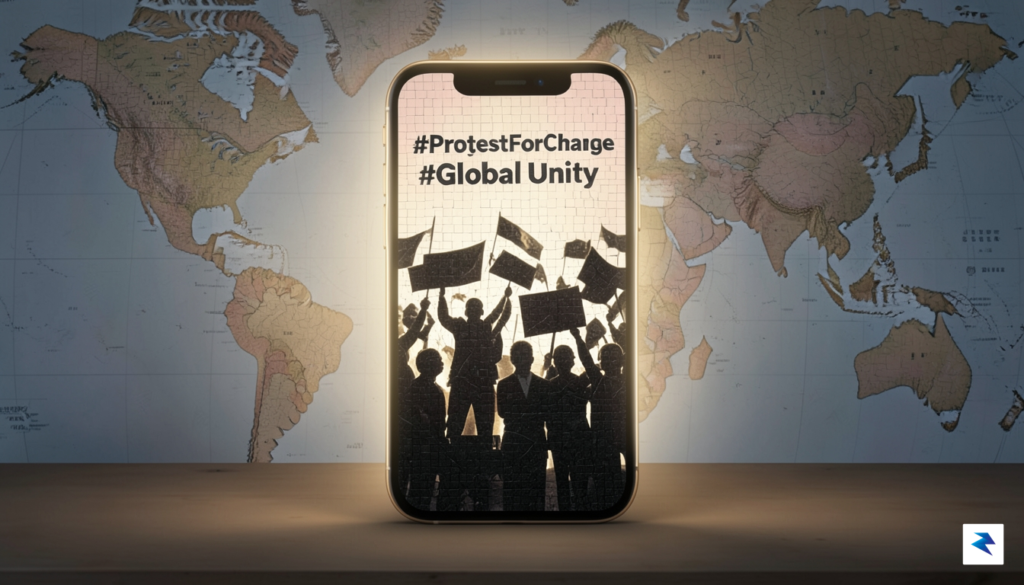
The platform’s greatest strength—its ability to collapse the distance between a witness and the world—eventually became its most complex vulnerability.
However, this rapid flow of information has proven to be a double-edged sword. The same mechanisms that allowed for the viral spread of human rights advocacy also facilitated the rapid dissemination of misinformation, conspiracy theories, and state-sponsored propaganda. Because the platform prioritized engagement and velocity, it often struggled to distinguish between verified reporting and malicious fabrications, leading to a volatile environment where truth became increasingly subjective. The algorithmic incentive to reward polarizing content frequently turned the arena into a battlefield, complicating the role of the platform as a reliable source of public information.
Ultimately, the platform’s legacy remains a paradox of progress and instability. It succeeded in making the world smaller and more politically aware, yet it also exposed the fragility of our shared reality in the face of unchecked information streams. As we reflect on two decades of this digital experiment, it is clear that while it revolutionized how movements are built and how news is consumed, it also highlighted the urgent need for a more critical approach to how we navigate the digital public sphere. The history of the platform is essentially the history of our struggle to balance the right to free expression with the necessity of factual integrity in a globalized society.
When Elon Musk finalized his acquisition of the platform in late 2022, he didn’t just purchase a social network; he initiated a radical experiment in digital transformation. The most visible manifestation of this shift was the sudden, jarring abandonment of the iconic blue bird logo in favor of the stark, minimalist “X.” This rebranding was far more than a cosmetic update; it served as a symbolic severance from the platform’s roots as a real-time news ticker and a global town square, signaling a pivot toward Musk’s vision of an “everything app.” By stripping away the established brand equity built over two decades, the company signaled that the old rules of engagement were officially obsolete.
Central to this new chapter is the aggressive transition from an advertising-reliant business model to a subscription-centric ecosystem. The introduction of X Premium (formerly Twitter Blue) fundamentally altered the power dynamics of the user experience by placing verification behind a paywall. While proponents argue that this move helps mitigate the proliferation of automated bots, critics contend that it has eroded the platform’s democratic accessibility, prioritizing the voices of those willing to pay for visibility. This shift has not only changed who gets seen, but it has also incentivized a new style of content creation where engagement—and often controversy—is prioritized by the algorithm to justify the monthly subscription cost.
The pivot to X represents a high-stakes gamble: can a platform built on the ephemeral nature of 140-character bursts successfully evolve into a robust, multi-functional financial and social utility?
Beyond the monetization strategies, the underlying algorithmic architecture has undergone significant refinement to emphasize long-form video, community-driven “Grok” AI interactions, and a more pronounced focus on creator monetization. These technical adjustments reflect a broader cultural shift on the platform, moving away from the curated, curated-journalist-heavy environment of the 2010s toward a more fragmented landscape of niche communities and high-volume content producers. As the user demographic shifts, long-time power users are grappling with a feed that feels less like a synchronized conversation and more like a competitive marketplace for attention.
Ultimately, the transition to X has challenged the platform’s original identity as a neutral facilitator of global discourse. By integrating payment features, advanced AI tools, and a subscription-based hierarchy, the leadership is betting that the future of social media lies in utility rather than just conversation. Whether this transition will alienate the core base that defined the platform’s first twenty years or attract a new generation of users seeking a singular, integrated digital destination remains the defining question of this era. As it stands, the platform is no longer merely a place to observe the world; it is an active, evolving engine designed to redefine how we transact, communicate, and exist in the digital sphere.
Two decades of existence have transformed this platform from a niche curiosity into the central nervous system of global communication. Its influence is no longer confined to the digital realm; it has fundamentally rewired how we process news, debate politics, and document history in real-time. By shrinking the world into a constant stream of 140-character—and later, expanded—bursts, the site fostered a unique brand of rapid-fire discourse that prioritized the immediate “hot take” over nuanced reflection. This shift has accelerated the pace of social movements, allowing grassroots organizations to mobilize in hours rather than weeks, yet it has simultaneously eroded the patience required for deep, sustained intellectual engagement.
The cultural legacy of this era is perhaps most visible in our collective sense of humor. The platform acted as a crucible for the modern meme, turning fleeting observations into universal shorthand that transcended language and geography. These viral snippets of culture became the primary way we express irony, cynicism, and solidarity in an increasingly fragmented digital landscape. Alongside this, the psychological impact of the infinite scroll cannot be overstated; it has conditioned an entire generation to seek constant validation and novelty, creating a feedback loop that rewards the most reactionary voices while often drowning out the moderate middle. As a result, the platform has functioned as both a vital public utility for transparency and a volatile battleground where the nuances of human interaction are often flattened into binary conflicts.
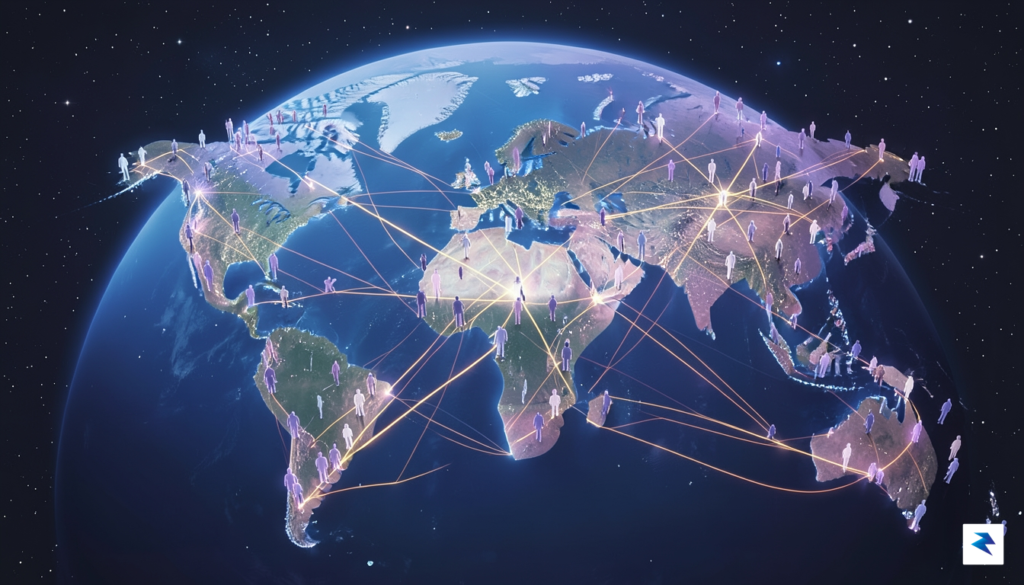
The true legacy of these twenty years is not found in the technology itself, but in the permanent alteration of human behavior and the way we now demand that the world respond to us in real-time.
Looking toward the next twenty years, the infrastructure of our digital social existence sits at a precarious crossroads. We are currently witnessing a shift away from the centralized, open-square model toward more siloed, algorithmically curated experiences that may further fracture our shared reality. Whether the future of this digital infrastructure lies in decentralized networks or increasingly sophisticated AI-driven moderation, the challenge remains the same: how do we preserve the connectivity that defined the last two decades without sacrificing the psychological well-being of the users who inhabit these spaces? Ultimately, this platform did not just host the world’s conversations; it changed the very architecture of how we perceive truth, influence, and community in the modern age.
You must be logged in to post a comment.