
xAI Takes Legal Action: The Fight Against AI-Generated Illicit Content
The Legal Precedent: xAI Takes Action Against AI Misuse In a watershed moment for the generative AI landscape, xAI has officially initiated…
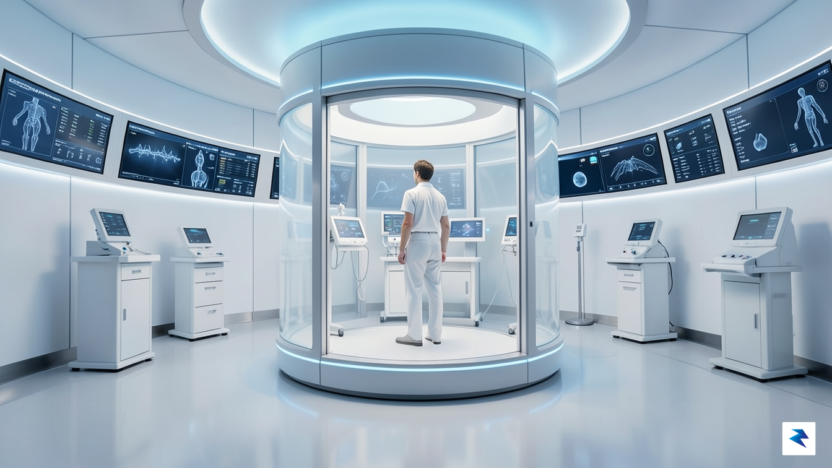

For decades, the global medical infrastructure has functioned primarily as a system of “sick-care”—a reactive model where intervention only occurs once symptoms manifest or a crisis has already taken hold. This traditional approach treats the human body like a machine that is only serviced when a part breaks, often leading to treatments that are invasive, costly, and limited in their efficacy. However, a seismic shift is currently underway as medicine moves toward a proactive, preventative paradigm. Instead of waiting for a diagnosis, the new standard of care focuses on early detection, continuous monitoring, and the accumulation of longitudinal data to identify health markers long before they evolve into clinical conditions.
This evolution is being fueled by an unprecedented interest in longevity and optimized well-being, spanning from high-net-worth individuals obsessed with biological optimization to a general public increasingly disillusioned with the limitations of modern diagnostic timelines. People no longer want to wait for an annual physical that captures only a fleeting snapshot of their health; they want a comprehensive, data-driven map of their internal biological landscape. By prioritizing total body awareness, individuals are empowered to make informed lifestyle choices that extend their “healthspan”—the number of years lived in good health—rather than just their lifespan.
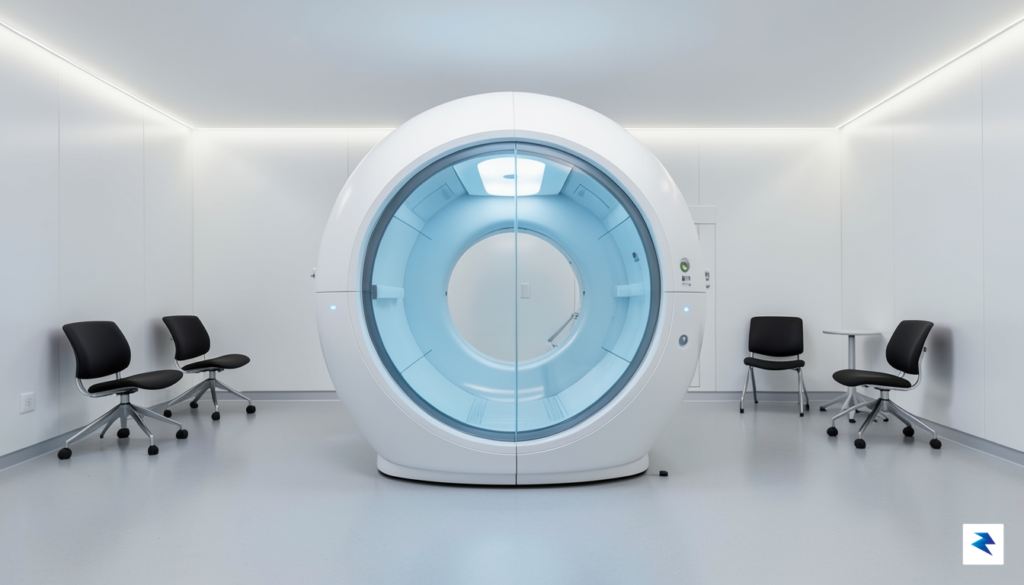
Neko Health is positioning itself as the critical bridge in this new era, filling the gap between basic routine checkups and overly invasive, expensive diagnostic procedures. While standard doctor visits often rely on subjective patient reporting and limited blood work, Neko utilizes advanced sensor technology and high-resolution imaging to create a holistic overview of the body in a matter of minutes. By automating the data collection process, the company transforms preventative care from a time-consuming, fragmented experience into a seamless, accessible service. This capability allows for the detection of subtle anomalies, such as early-stage skin lesions or cardiovascular irregularities, that might otherwise go unnoticed until they become life-threatening.
The true value of modern preventative technology lies not just in the hardware, but in the shift from treating the illness to managing the individual’s unique biological trajectory.
Ultimately, the massive influx of capital into platforms like Neko Health signals that the market is ready to move beyond the limitations of reactive medicine. By leveraging data analytics to turn complex physiological information into actionable health insights, this technology changes the fundamental relationship between a patient and their physician. As these tools become more sophisticated, the dream of a preventative health system—where the focus is shifted from managing disease to sustaining peak human function—is rapidly transitioning from a futuristic concept into a tangible reality for the modern consumer.
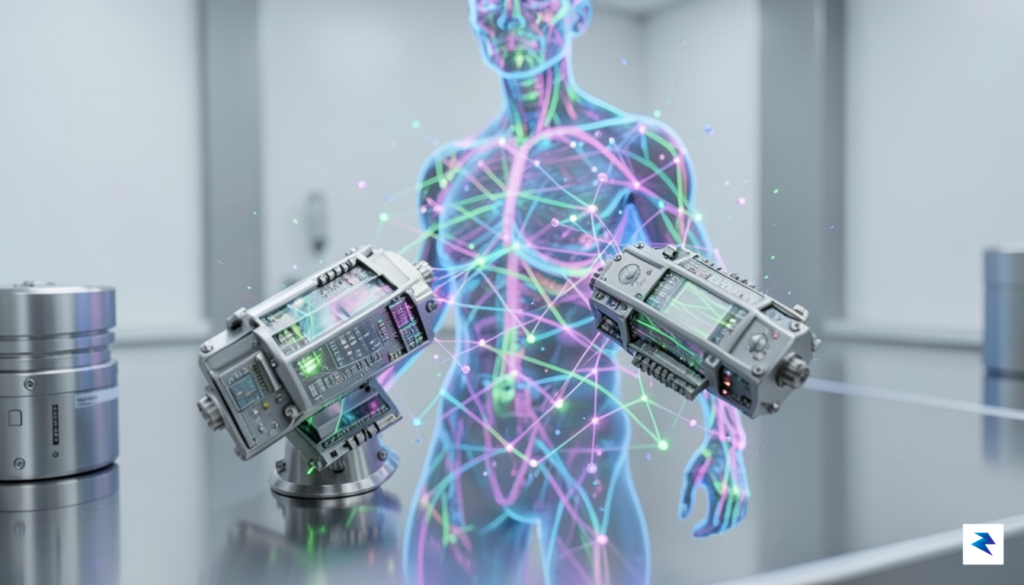
At the heart of Neko Health’s platform lies a sophisticated fusion of proprietary hardware and advanced computational software designed to capture a comprehensive biological snapshot in mere minutes. Unlike traditional diagnostic approaches that often rely on isolated tests or reactive screenings, the Neko system employs a multi-modal scanning array. This array integrates ultra-high-resolution skin imaging, cardiac sensors, and rapid blood analysis into a single, cohesive experience. By synchronizing these disparate data points, the platform is capable of identifying physiological anomalies—such as minute changes in skin lesions or subtle deviations in metabolic markers—long before a patient might notice physical symptoms.
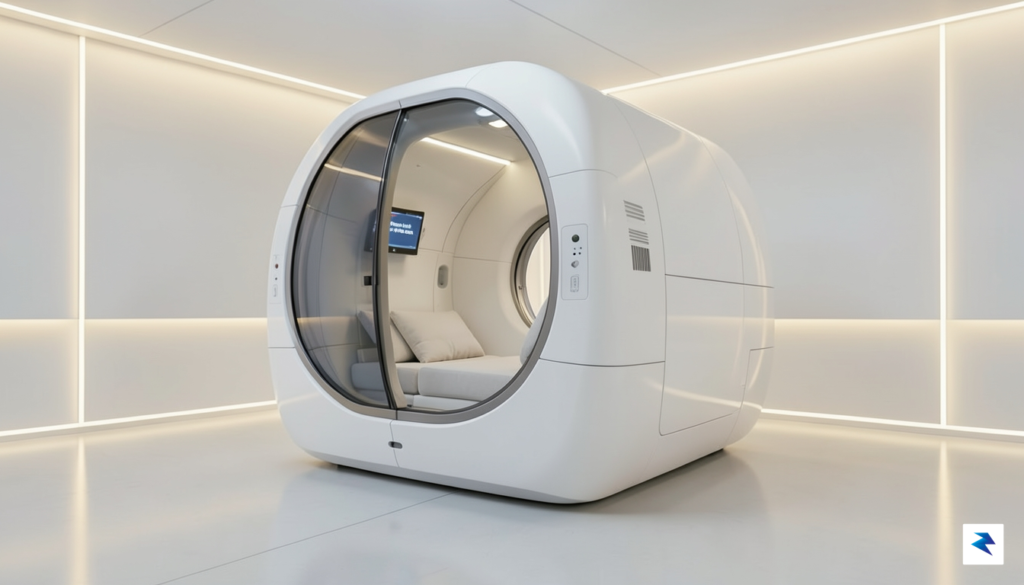
The system’s “full-body” philosophy is rooted in the idea that health is an interconnected ecosystem rather than a collection of independent organs. To achieve this, the scanning hardware utilizes a series of non-invasive sensors that map the body’s exterior and interior performance simultaneously. For instance, while high-definition cameras capture microscopic skin variations, embedded sensors monitor heart rate variability and blood pressure, all while a rapid-flow system screens for key biomarkers in blood samples. This process offers a significant departure from the cumbersome, time-consuming nature of traditional MRI or CT scans, which often require extensive preparation, high costs, and exposure to radiation or contrast agents.
The true power of Neko Health lies not in the hardware alone, but in the intelligent synthesis of biological data into a narrative that a patient can actually understand and act upon.
Once the scanning phase is complete, the platform’s backend software takes over to synthesize the raw data into actionable insights. Through the use of proprietary algorithms, the system cross-references the patient’s current physiological state against a vast baseline of health markers, highlighting areas that deviate from the norm. This information is then translated into a clear, intuitive report that provides patients with a objective view of their health trajectory. By moving away from purely clinical jargon and toward visualized, personalized health metrics, Neko Health empowers individuals to take proactive steps in their lifestyle choices, potentially altering the course of their long-term health outcomes before an illness ever fully manifests.
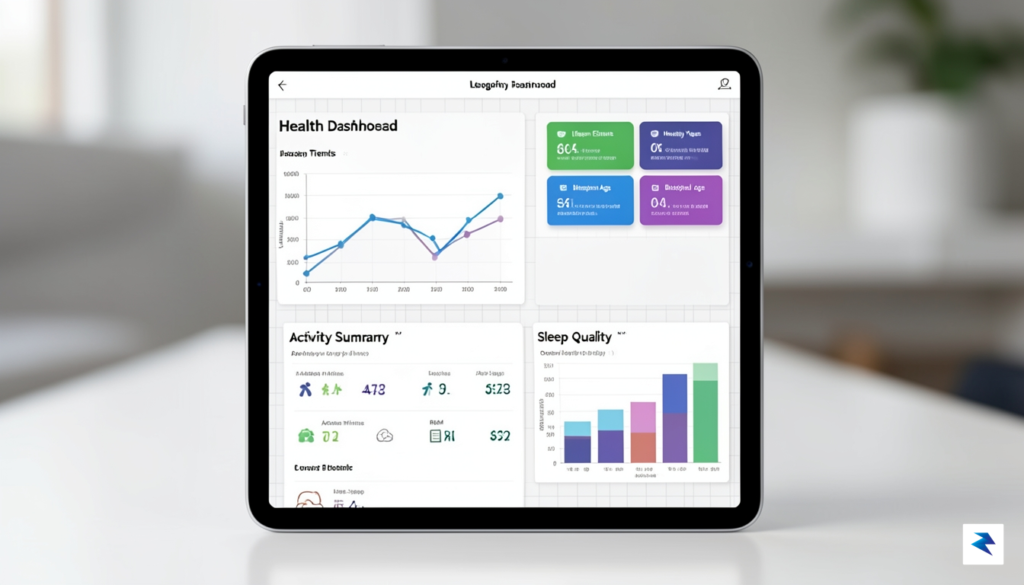
In the current landscape of preventative medicine, data has effectively become the new currency of longevity. For decades, the traditional healthcare model has relied on episodic care, where a patient visits a doctor only when symptoms arise, resulting in a snapshot of health that is often too little, too late. Neko Health flips this reactive script by prioritizing longitudinal tracking—the continuous collection of thousands of biological data points over months and years. By moving away from static “normal” ranges, which are often generalized averages across a vast population, the platform empowers users to establish a personalized baseline. This shift means that your health markers are no longer being compared to a generic standard, but rather to the unique, historical trajectory of your own body.
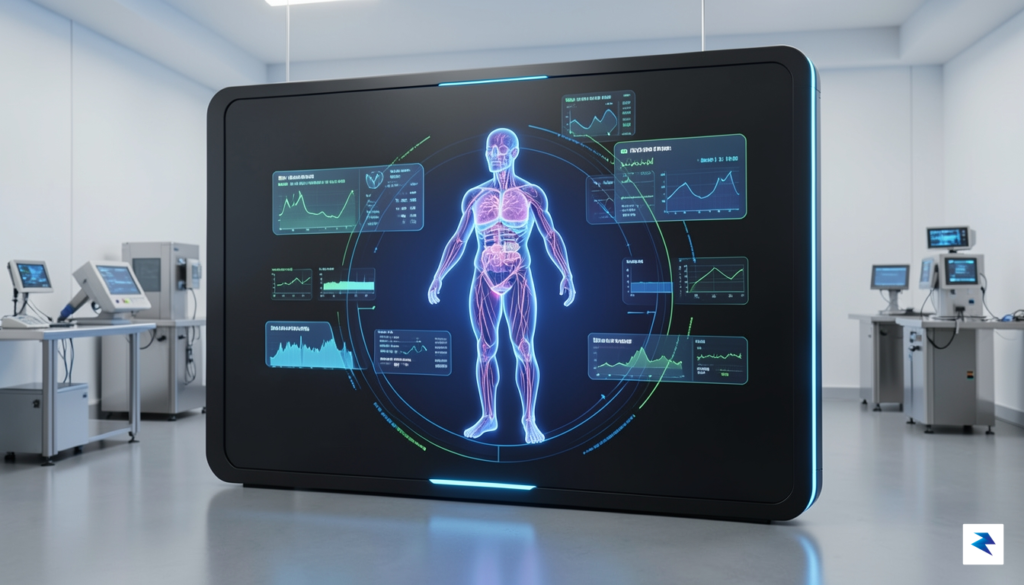
The true power of this approach lies in the creation of a “digital twin,” a dynamic, data-driven representation of an individual’s physiology. As this digital twin evolves through consistent scanning, it becomes a sophisticated tool for predictive insight rather than just retrospective analysis. When you have access to longitudinal data, subtle shifts in your biomarkers—perhaps a slight, steady increase in blood pressure or a microscopic change in skin morphology—become visible long before they would trigger a clinical diagnosis in a standard annual checkup. This level of granularity is essential because health is not a binary state of sickness or wellness; it is a fluid process where early intervention can drastically alter long-term outcomes.
“The future of medicine isn’t about treating illness; it is about managing the subtle, invisible trends that precede it, turning the health span into a quantifiable asset rather than a gamble.”
Artificial Intelligence acts as the bridge between this massive influx of raw data and actionable medical intelligence. While a human physician might perform a heroic job during a single, isolated visit, even the most diligent doctor is limited by the constraints of human cognition and the limited historical data available in a standard chart. AI, conversely, excels at identifying patterns within massive datasets that would be impossible for the human eye to detect on its own. By analyzing millions of scans and cross-referencing them against an individual’s historical data, these systems can flag anomalies that signify the earliest stages of disease. This marriage of longitudinal tracking and machine learning transforms the clinic from a place of reactive repair into a hub for proactive, personalized health optimization.

Securing a staggering $700 million in a single funding round is far more than a financial milestone; it represents a seismic shift in how venture capital views the intersection of silicon-based innovation and human biology. By backing Neko Health with such significant capital, investors are effectively betting that the future of medicine lies in proactive, data-driven prevention rather than the reactive, symptom-based model that has dominated healthcare for decades. Daniel Ek’s involvement serves as a powerful catalyst here, lending not only his reputation as a tech visionary but also his experience in scaling complex, subscription-based digital ecosystems. When a figure of his stature commits to the “full-body scan” model, it signals to the broader market that preventative diagnostics are finally ready to graduate from niche boutique services to scalable, mainstream infrastructure.

However, the transition from a well-funded startup to a global healthcare standard is fraught with complex logistical and operational challenges. Scaling Neko Health’s hardware—which relies on intricate arrays of sensors and high-resolution imaging—requires a sophisticated manufacturing supply chain that is notoriously difficult to maintain at high volumes. Beyond the assembly line, the company faces a labyrinth of international regulatory hurdles. Every jurisdiction has its own rigorous standards for medical data privacy, diagnostic accuracy, and clinical validation, meaning that the path to global expansion is paved with legal and bureaucratic complexities that cannot be bypassed with software speed alone. Investors are clearly banking on the belief that the long-term data advantages provided by these scans will eventually outweigh these significant upfront capital expenditures.
The true promise of this $700 million investment lies in the democratization of high-end diagnostic technology, moving it from the exclusive domain of elite clinics into the hands of the general public.
Ultimately, this massive injection of capital points toward a future where “personalized medicine” is no longer a luxury buzzword but a tangible, daily reality. If Neko Health successfully navigates the friction of manufacturing and regulation, it could fundamentally disrupt the traditional physician-patient dynamic by providing individuals with a persistent, longitudinal view of their own health markers. By shifting the focus toward early detection and continuous monitoring, the model seeks to lower the long-term costs of healthcare by catching chronic conditions long before they manifest as acute crises. While the road ahead remains steep, the sheer scale of this investment suggests that the industry is entering an era where technology is finally becoming sophisticated enough to address the complexities of the human body at a population scale.


The promise of a full-body scan that detects hidden health anomalies in minutes is undeniably seductive, yet it brings the complex challenge of data sovereignty into sharp focus. As Neko Health scales its operations, the company must move beyond mere compliance with GDPR or other regional mandates. Because they are collecting an unprecedented volume of physiological and biometric data, the standard for security must be elevated to a military-grade architecture. This requires end-to-end encryption, decentralized storage models, and rigorous third-party audits to ensure that a patient’s genomic or cardiovascular profile remains as private as a traditional doctor-patient conversation. The risk of a data breach in this sector is not just a financial concern; it is a profound violation of the most intimate details of a person’s biological identity.
Beyond the technical hurdles of data protection lies the looming ethical dilemma of “over-diagnosis.” By democratizing access to high-resolution imagery and granular health metrics, we risk entering an era of medical anxiety where every minor shadow or biological variation is treated as a potential catastrophe. Constant monitoring can lead to unnecessary interventions, psychological distress, and a healthcare system overwhelmed by “worried well” patients pursuing treatments for conditions that might never have manifested into clinical issues. It is essential that Neko Health and its peers implement clear interpretive guardrails, ensuring that AI-driven insights are framed within a clinical context that emphasizes the difference between a statistical outlier and a genuine health risk.
The ethical deployment of preventative technology must prioritize patient autonomy and mental well-being alongside technological precision, ensuring that diagnostic data serves as a tool for empowerment rather than a source of chronic health anxiety.
Ultimately, the balance between technological convenience and the preservation of privacy will define the long-term viability of this preventative model. Patients must be given absolute control over who accesses their data and how that information is utilized in future research or algorithmic training. Transparency must be the default setting; users should have a clear, plain-language understanding of how their digital twin is being constructed and secured. If the industry can prove that it treats biometric information with the same sanctity as financial assets—or perhaps even greater care—it will earn the public trust necessary to transform healthcare from a reactive, symptom-based system into a proactive, life-extending discipline.
You must be logged in to post a comment.