
How to Manage 768 Database Servers as a Single Unit
The Complexity of Large-Scale Database Management When an organization scales to support millions of concurrent users, the underlying…
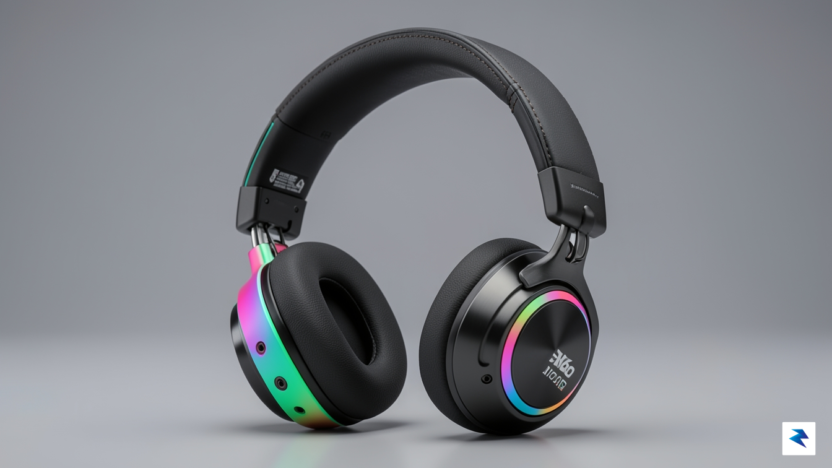
For nearly two decades, Skullcandy built its empire on the grit and kinetic energy of skate parks, snowboarding slopes, and surf beaches. By positioning itself as the quintessential “lifestyle accessory” for youth culture, the brand successfully captured a market that prioritized aesthetic boldness and chest-thumping bass over clinical sound accuracy. However, this unwavering commitment to a specific subculture resulted in a long-standing “bargain-bin” stigma. While these products were ubiquitous in the display cases of mid-tier electronics retailers, they were frequently dismissed by audiophiles and tech critics as entry-level plastic gear that favored volume and distortion over genuine sonic fidelity. The brand effectively became a staple of convenience, defined more by its iconic skull logo than by the nuance of its audio engineering.
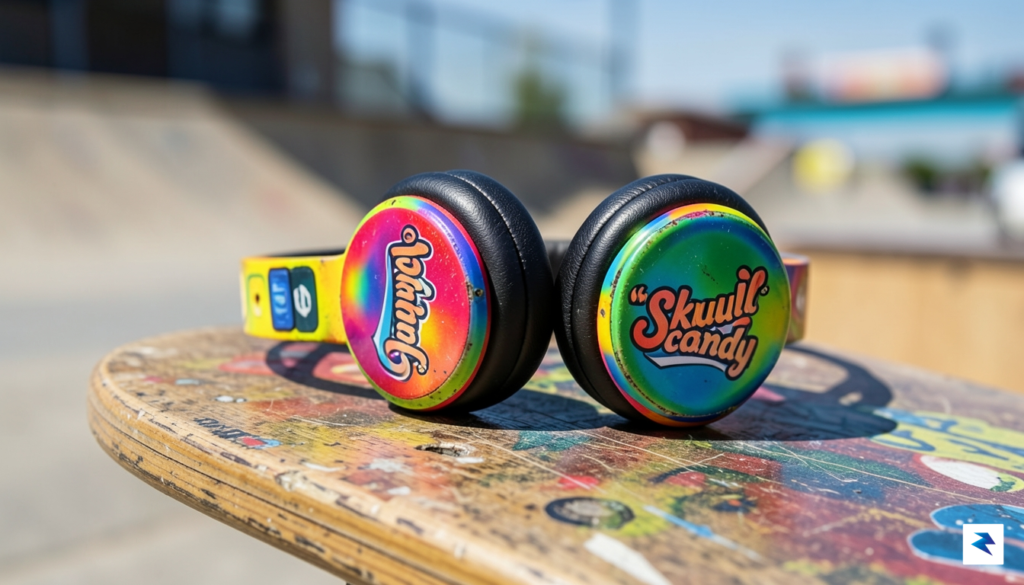
As the broader audio landscape has matured, the consumer’s relationship with personal sound has shifted dramatically. Today’s listeners are more discerning; they demand high-resolution streaming, sophisticated active noise cancellation, and a balanced sound signature that doesn’t sacrifice clarity for the sake of excessive low-end rumble. This evolution has presented Skullcandy with a profound identity crisis: how does a brand synonymous with rowdy, budget-friendly hardware transition into a serious audio contender? Staying tethered solely to the “extreme sports” identity risks alienating an aging demographic that has outgrown the need for neon-colored plastic, yet abandoning those roots entirely could jeopardize the very authenticity that gave the brand its initial traction.
The challenge lies in convincing a cynical market that a brand built for the skate park can also be engineered for the symphony hall.
To navigate this transition, Skullcandy is pivoting toward a more premium narrative, prioritizing high-fidelity components and refined industrial design. This strategic shift is not merely about increasing price points; it is a fundamental reconfiguration of their engineering philosophy. By integrating advanced driver technology and improved acoustic architecture, the company is attempting to bridge the gap between its “lifestyle” past and a future defined by technical prowess. The success of this evolution depends on whether they can prove to both loyalists and skeptics that their new products possess the substance to match the sophistication of industry giants, ultimately proving that their growth is rooted in genuine innovation rather than mere rebranding.
The collaboration between Skullcandy and Bose represents far more than a mere co-branding exercise or a fleeting marketing gimmick; it is a calculated, structural pivot toward technical maturity. For decades, Bose has served as the gold standard for active noise cancellation (ANC), essentially defining the category through rigorous investment in psychoacoustics and proprietary hardware. By tapping into Bose’s deep institutional knowledge, Skullcandy is effectively bypassing the grueling, decade-long cycle of trial-and-error that typically characterizes R&D in the premium audio space. This is a strategic infusion of expertise that allows Skullcandy to bypass its “bargain-bin” legacy and leapfrog directly into high-fidelity territory, leveraging refined algorithms that would have otherwise taken years to develop in-house.
The mechanics of this partnership rely on a sophisticated co-engineering model that functions much like a technology transfer. Rather than simply buying off-the-shelf components, Skullcandy is integrating Bose’s sophisticated noise-processing logic into their own product architecture. Internal R&D, while sufficient for mid-tier consumer electronics, often hits a ceiling when attempting to solve the complex latency and audio-artifact issues inherent in top-tier ANC. By integrating Bose’s engineering DNA, Skullcandy can ensure their sound signature—historically bass-heavy and tuned for a younger, high-energy demographic—is balanced with the clarity and spatial accuracy demanded by audiophiles. This marriage of Skullcandy’s brand personality and Bose’s technical rigor is the primary engine driving their transition into a more premium tier.
Strategic partnerships in audio are rarely about just the hardware; they are about the intellectual property that governs how sound is perceived by the human ear.
However, this transition is not without its inherent risks. By relying on an external powerhouse for the core performance of their flagship devices, Skullcandy creates a dependency that could hinder their long-term technical autonomy. If the partnership were to dissolve, Skullcandy would face the daunting challenge of maintaining these performance benchmarks without their mentor’s proprietary infrastructure. Furthermore, there is the risk of brand dilution; if the market perceives these headphones as “Bose-lite” rather than a genuine evolution of the Skullcandy identity, the company may struggle to command the premium pricing that this collaboration intends to justify. Ultimately, whether this pivot succeeds will depend on if Skullcandy can successfully internalize these lessons and continue to innovate long after the initial collaboration concludes.
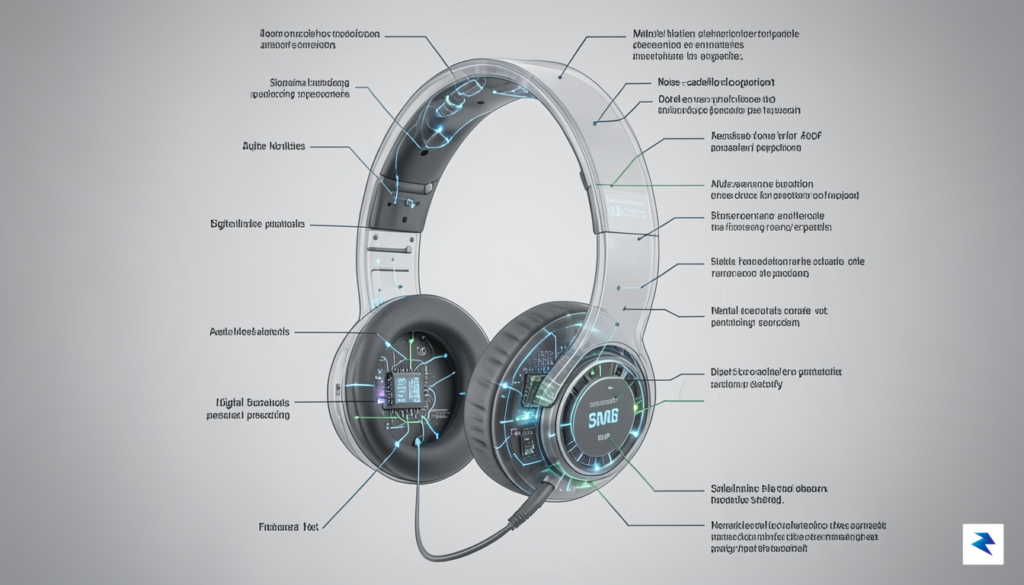
When consumers see the “Bose-powered” label on a pair of Skullcandy headphones, the immediate assumption is often that they are getting a rebranded QuietComfort experience. However, the technical reality is far more nuanced. Bose is not simply porting their entire acoustic architecture into a cheaper chassis; instead, they are providing the underlying Digital Signal Processing (DSP) logic and adaptive noise cancellation algorithms that act as the brain of the device. By integrating these sophisticated algorithms, Skullcandy is able to move beyond the traditional “V-shaped” sound profile—characterized by boosted bass and sharp treble—toward a more balanced, studio-accurate frequency response that retains clarity without sacrificing the punchy energy that the brand’s loyal fanbase expects.
The impact of this collaboration is most visible in how the DSP manages the interaction between the hardware drivers and the listener’s ear. Standard budget headphones often rely on crude equalization settings that can cause distortion at higher volumes or muffle mid-range frequencies, leading to a “muddy” listening experience. Bose’s proprietary processing intelligently analyzes the audio signal in real-time, applying dynamic compression and equalization to ensure that vocals remain crisp even when heavy bass lines are present. This transition from static EQ presets to active, adaptive signal management is a massive leap forward for Skullcandy, effectively bridging the gap between mass-market consumer electronics and genuine high-fidelity audio.
The true value of this partnership isn’t found in the speaker drivers themselves, but in the intelligent software layer that cleans up the signal before it ever reaches the listener’s ears.
Beyond sound quality, the integration of Bose’s active noise cancellation (ANC) technology represents a fundamental shift in environmental sound isolation. Budget-tier ANC typically suffers from a limited frequency range, often failing to block out irregular or high-pitched background noises. Bose’s algorithms, however, are designed to sample ambient environments at a much higher frequency, allowing the internal microphones to phase-cancel a wider spectrum of noise. This results in a “blacker” background, where the silence feels more profound and consistent across various environments, from humming airplane cabins to bustling office spaces. While Skullcandy’s existing hardware limitations—such as housing materials and seal quality—still pose a hurdle, the software-driven ability to adapt to changing environmental noise levels gives these headphones an agility that was previously unattainable at this price point.
Ultimately, the success of this integration hinges on how well Skullcandy balances these premium software tools with their own physical hardware. Even the most advanced Bose algorithm cannot entirely compensate for poor driver construction or inadequate acoustic chamber design. However, by delegating the heavy lifting of signal processing and noise mitigation to a proven industry leader, Skullcandy is effectively upgrading its entire product ecosystem. The result is a device that sounds significantly more sophisticated than its predecessors, suggesting that the brand is finally prioritizing technical precision over simple, raw output.
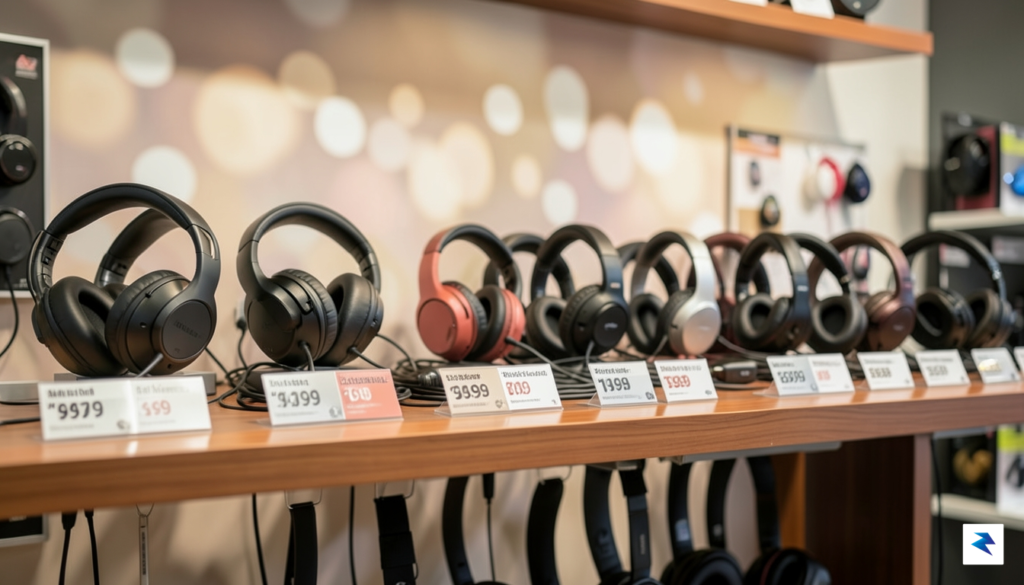
Transitioning from a purveyor of budget-friendly, youth-oriented accessories to a serious contender in the premium audio space is a treacherous maneuver that few legacy brands survive. For Skullcandy, the ambition to challenge industry titans like Sony, Apple, and Sennheiser requires more than just updated internal hardware; it demands a fundamental shift in how the consumer perceives the value-per-dollar proposition. When a customer walks into a retail store expecting to pay fifty dollars for a pair of durable, “disposable” earbuds, asking them to pivot to a three-hundred-dollar flagship model creates a significant psychological barrier. This friction is where the “Bose factor”—the strategic adoption of high-fidelity engineering and advanced noise-cancellation technology—must work overtime to bridge the gap between their historical identity and their high-end aspirations.
The economic viability of this transition hinges on whether Skullcandy can successfully leverage its existing brand equity without alienating its core demographic. Historically, the company thrived by offering “cool” aesthetics at an accessible price point, effectively cornering the market for students and casual listeners. However, by climbing the price ladder, they are now directly competing against established incumbents that carry decades of prestige and proven acoustic engineering. Some industry analysts argue that a sub-brand approach, similar to how Toyota uses Lexus to capture the luxury segment, might have been a safer route. By keeping the main Skullcandy line affordable while launching a new, distinct brand for premium products, the company could have avoided the “bargain-bin” baggage that currently complicates its move into the professional-grade tier.
Success in the premium audio sector is rarely determined by hardware specs alone; it is defined by the perceived reliability and brand prestige that accompany the price tag.
To succeed, Skullcandy is leaning heavily on a sophisticated blend of influencer marketing and youth-focused branding to justify these elevated price points. By positioning their new flagship models as lifestyle essential gear—rather than just utility items—they are attempting to convince a new generation of buyers that the product is a status symbol as much as it is an audio tool. This strategy relies on the hope that if the sound quality is genuinely competitive with premium rivals, the brand’s loyalists will be willing to “level up” their spending. Yet, the challenge remains: can a brand known for vibrant colors and rugged affordability truly shed its reputation long enough to convince an audiophile to choose them over the technical pedigree of a Sennheiser or the seamless ecosystem of Apple? The market’s final verdict will be written in the sales data, but for now, the transition remains a high-stakes gamble on the power of perceived value.


Whether this collaboration serves as a singular, experimental milestone or a foundational shift in Skullcandy’s business model remains the industry’s most compelling question. By integrating Bose’s legendary noise-cancellation expertise, Skullcandy is effectively attempting to borrow prestige to bridge the gap between its youth-oriented, skate-park roots and the demanding expectations of audiophiles. If this partnership yields significant market success, it will likely create a powerful “halo effect,” where the technical credibility earned through premium offerings begins to elevate the perceived value of their more accessible, entry-level catalog. Consumers rarely view a brand in silos; if a company proves it can engineer a world-class listening experience at the top of its range, the budget-friendly alternatives suddenly feel like a smarter, more reliable entry point into the ecosystem.
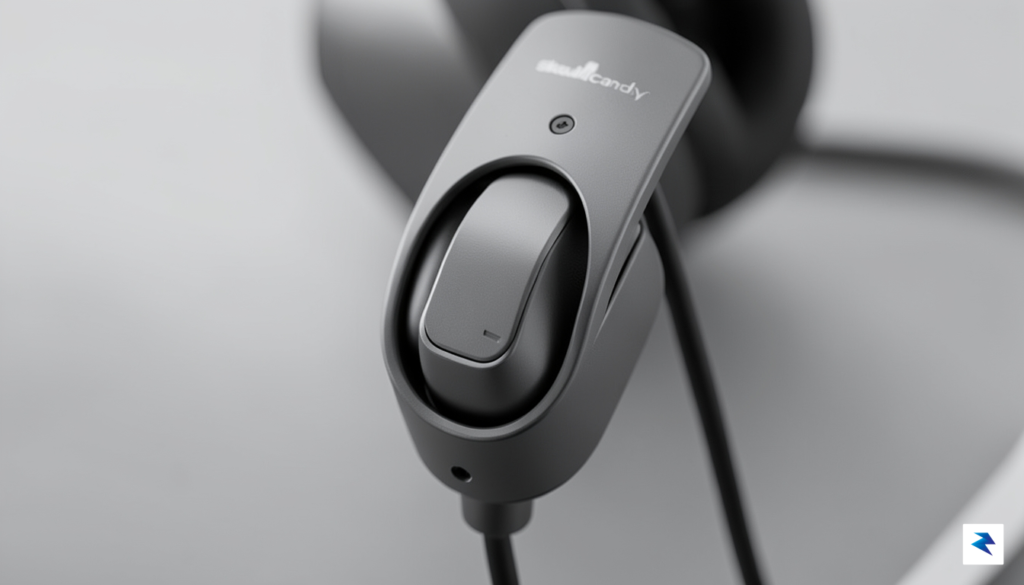
Looking ahead, the roadmap for Skullcandy hinges on whether they view this as a temporary branding exercise or a long-term technological pipeline. Should the collaboration extend to future hardware iterations, we might see Bose-licensed algorithms becoming a standard feature across Skullcandy’s mid-tier lineup, effectively raising the floor for what consumers expect from a sub-$150 pair of headphones. This strategy would force competitors in the bargain space to either innovate or risk obsolescence, fundamentally altering the competitive landscape. If Skullcandy can successfully marry its vibrant, expressive design language with the clinical, high-fidelity engineering synonymous with Bose, they could carve out a unique “premium-accessible” niche that currently lacks a dominant player.
The true measure of this collaboration will not be the first week of sales, but the brand’s ability to sustain high performance across its entire product lifecycle without losing the identity that made it a household name in the first place.
Ultimately, shaking off a “bargain-bin” reputation is a marathon, not a sprint. While Bose provides the technical pedigree, Skullcandy must still prove that its internal manufacturing and quality control standards can evolve to meet the high bar they are setting for themselves. If they falter, the partnership will be remembered as a well-intentioned but temporary marketing gimmick. However, if they leverage this momentum to continuously iterate and refine their hardware architecture, they may just succeed in transforming their image from an impulsive lifestyle purchase into a legitimate, long-term contender in the high-fidelity audio space. The era of dismissing Skullcandy as merely a fashion-first brand is likely drawing to a close, provided they have the discipline to follow through on the promise of this high-profile technical alliance.
You must be logged in to post a comment.