
Can Bose Help Skullcandy Shed Its Budget Reputation?
The Skullcandy Dilemma: Rebranding the Bass-Heavy Identity For nearly two decades, Skullcandy built its empire on the grit and kinetic energy…


For decades, the Federal Communications Commission (FCC) has acted as the primary architect of the American media landscape, operating under the fundamental belief that a decentralized broadcast system is essential for a healthy democracy. At the heart of this regulatory philosophy lies the national ownership cap—a policy designed to prevent any single corporation from exerting excessive influence over the airwaves by limiting the percentage of the national audience a broadcast group can reach. By restricting how many local television stations a company can own, the agency has historically sought to ensure that local communities retain a voice, preventing a handful of media conglomerates from homogenizing the news, entertainment, and cultural programming that reaches millions of households.
However, the agency is now poised for a significant regulatory pivot that could fundamentally redefine the structure of American television. Signaling a clear intent to revisit these long-standing thresholds, the FCC has moved to place a critical item on its agenda for an upcoming August 6th vote. This move is not merely a technical adjustment; it represents a departure from the traditional emphasis on localism and pluralism. For industry observers and public interest advocates alike, this upcoming decision serves as a pivotal moment in telecommunications policy, potentially opening the floodgates for a new era of rapid market consolidation that could permanently alter the competitive dynamics of the broadcast sector.

The role of the FCC in this process is to balance the economic realities of a struggling traditional television market against the public’s need for diverse viewpoints. Proponents of easing these restrictions argue that broadcast giants need greater scale to compete with global streaming platforms and tech behemoths that currently dominate advertising revenue. Conversely, critics fear that removing these guardrails will lead to a drastic reduction in independent reporting and local station autonomy. As the commission prepares for the August vote, the debate has intensified, centering on whether the historical purpose of ownership caps—to foster a marketplace of ideas—remains relevant in an increasingly digital and globalized media environment.
The FCC’s potential decision to relax ownership caps marks a critical juncture where the agency must weigh the financial survival of legacy networks against the core democratic principles of media diversity and local station representation.
Ultimately, this shift invites us to consider what we value most in our media ecosystem: the efficiency of massive, consolidated networks or the diverse, localized perspectives that have defined American broadcasting for generations. As the August 6th deadline approaches, the telecommunications industry is watching closely, anticipating a policy change that will likely dictate the corporate ownership patterns of local news and television for the foreseeable future. The outcome of this vote will serve as a bellwether for how the federal government intends to manage the tension between corporate growth and the public interest in an era of rapid technological disruption.
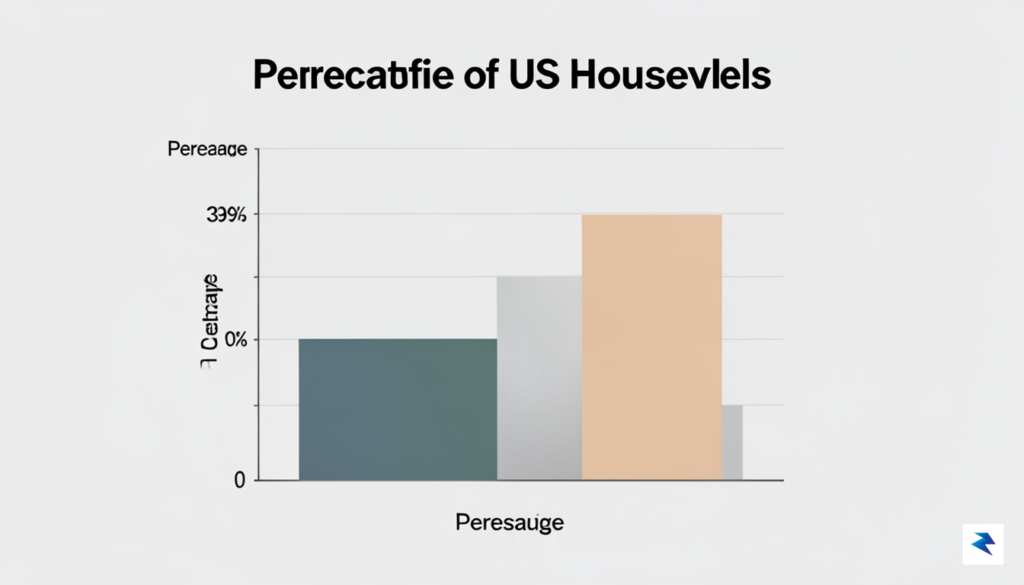
At the heart of the debate surrounding broadcast deregulation lies the “39 percent rule,” a regulatory ceiling that restricts any single television group from owning stations that collectively reach more than 39 percent of U.S. television households. This figure is not an arbitrary number but a carefully calibrated benchmark established in the wake of the digital television transition. By imposing this limit, the Federal Communications Commission sought to create a structural firewall, ensuring that no single media conglomerate could achieve total dominance over the national airwaves. The mechanical intent is straightforward: by capping the audience reach, regulators aim to preserve a landscape of diverse ownership, which is fundamentally tied to the democratic ideal of a varied public discourse.
Historically, this guardrail has served as the primary mechanism for preventing the hyper-consolidation of the broadcast industry. When a company nears this 39 percent threshold, it is effectively barred from further acquisitions unless it divests existing assets, a process that has forced major media players to be highly strategic in their expansion efforts. For decades, this rule has influenced the rhythm of the industry, dictating how networks and station groups consolidate their portfolios while maintaining a semblance of local representation. Without this limit, the economic pressure to achieve massive economies of scale would likely drive industry giants to swallow smaller, regional players, effectively silencing the distinct voices that serve individual communities across the country.
The 39 percent cap acts as a vital check on power, ensuring that the nation’s broadcast system remains a marketplace of ideas rather than a monolith controlled by a handful of corporate entities.
However, the tension between industry efficiency and local representation has become increasingly palpable in recent years. Broadcast giants argue that in an era dominated by streaming services and global digital platforms, these legacy ownership caps are archaic, preventing them from achieving the scale necessary to compete financially. Conversely, critics of deregulation maintain that station ownership is fundamentally different from a standard business venture because broadcasters are stewards of the public airwaves. When the cap is loosened or dismantled, the risk is not merely about market competition; it is about the potential homogenization of news and information, where local concerns are sidelined in favor of centralized, cost-effective programming distributed from a handful of corporate headquarters.
Ultimately, the mechanics of this regulation touch upon the core relationship between the viewer and the provider. If the cap is significantly raised or abandoned, the broadcast landscape could shift toward a model characterized by “mega-groups,” where the same corporate entity dictates the news cycle across dozens of disparate markets. This would fundamentally alter the character of local television, potentially eroding the investigative journalism and community-specific reporting that the 39 percent rule was originally designed to protect. As stakeholders weigh the benefits of market consolidation against the risks of reduced diversity, the future of the airwaves remains a battleground between the demands of modern corporate strategy and the enduring mandate of public service.

At the heart of the proposal to lift national television ownership caps lies a fundamental argument about the survival of traditional media in an era defined by digital disruption. Proponents, led by FCC Commissioner Brendan Carr, contend that existing regulations are archaic artifacts of a pre-internet landscape, designed for a time when local broadcast stations faced limited competition. Today, these broadcasters are not merely competing with one another; they are locked in a high-stakes battle for viewer attention and advertising dollars against massive, unregulated global streaming platforms and tech conglomerates. By maintaining strict ownership limits, proponents argue that the government is effectively handcuffing legacy networks, preventing them from achieving the necessary economies of scale required to innovate and compete on a level playing field.

The core of this push for deregulation centers on the concept of “regulatory parity.” In the current media ecosystem, streaming services and social media giants operate with almost total freedom, unburdened by the ownership restrictions that govern over-the-air broadcasters. Carr and his supporters emphasize that it is fundamentally unfair to impose strict caps on traditional stations while their direct competitors—who often produce the same types of content—face no such constraints. By loosening these rules, the FCC would theoretically allow broadcast groups to consolidate their resources, thereby creating larger, more resilient entities capable of investing in high-quality programming and cutting-edge local news infrastructure. The logic follows that when broadcasters are stronger, the entire local media ecosystem benefits from improved stability and expanded reach.
The shift toward media consolidation is framed not as an abandonment of public interest, but as a pragmatic adjustment to a market where scale is the primary currency of survival.
Furthermore, the economic argument for this consolidation is heavily tied to the necessity of infrastructure investment. Smaller, fragmented broadcast stations often lack the capital required to upgrade their technology, expand their digital presence, or maintain robust local newsrooms in the face of dwindling ad revenue. Supporters suggest that allowing media companies to own a larger share of the national airwaves will incentivize them to reinvest their savings into technological infrastructure and content production. This, they argue, creates a trade-off where the potential reduction in media diversity is offset by a stronger, more technologically advanced broadcast industry that is better equipped to serve the public in the long term. Ultimately, the vision being presented is one where deregulation is the catalyst for a modernized media sector that can hold its own against the tech giants currently dominating the digital landscape.
The proposed shift toward deregulation in the broadcast industry has sparked a firestorm of debate, primarily centered on the survival of local journalism in an era of unprecedented corporate consolidation. Advocacy groups and industry watchdogs warn that when national conglomerates gain the ability to acquire a broader portfolio of local stations, the immediate casualty is often the granular, community-specific coverage that defines the medium. As these entities expand their footprint, the incentive to maintain expensive, localized newsrooms often diminishes, replaced by centralized production models that favor efficiency over the nuanced reporting required to hold local officials accountable.

A primary concern is the creeping “homogenization” of news content, where a singular corporate voice begins to dictate the editorial direction across dozens of disparate markets. When national mandates dictate the scripts and programming priorities of local affiliates, the distinct character of a community—its specific socio-political challenges, local culture, and regional interests—is frequently sidelined in favor of “drive-time” friendly, generic content. This trend not only strips local news of its authenticity but also narrows the spectrum of viewpoints available to the public, as diverse local perspectives are filtered through the lens of a centralized corporate strategy.
The erosion of local news is not merely a matter of media preference; it is a fundamental threat to the civic health of our communities. Without dedicated local watchdogs, the transparency of municipal government and the pulse of regional issues risk falling into a vacuum of accountability.
Furthermore, the economic pressure on small-market station owners cannot be overstated. As the market tilts in favor of massive broadcast giants, independent station owners often find it increasingly difficult to compete for advertising dollars and technical resources. This creates a “sell or perish” environment, where smaller operators are coerced into offloading their stations to larger conglomerates to survive. This consolidation trend effectively raises the barrier to entry for new, independent voices, leading to a media landscape where a handful of corporations control the flow of information across vast geographical regions. When the profit motive of a conglomerate takes precedence over the public interest mandate of local broadcasting, the ultimate loser is the citizen who relies on those airwaves for the truth about their own backyard.
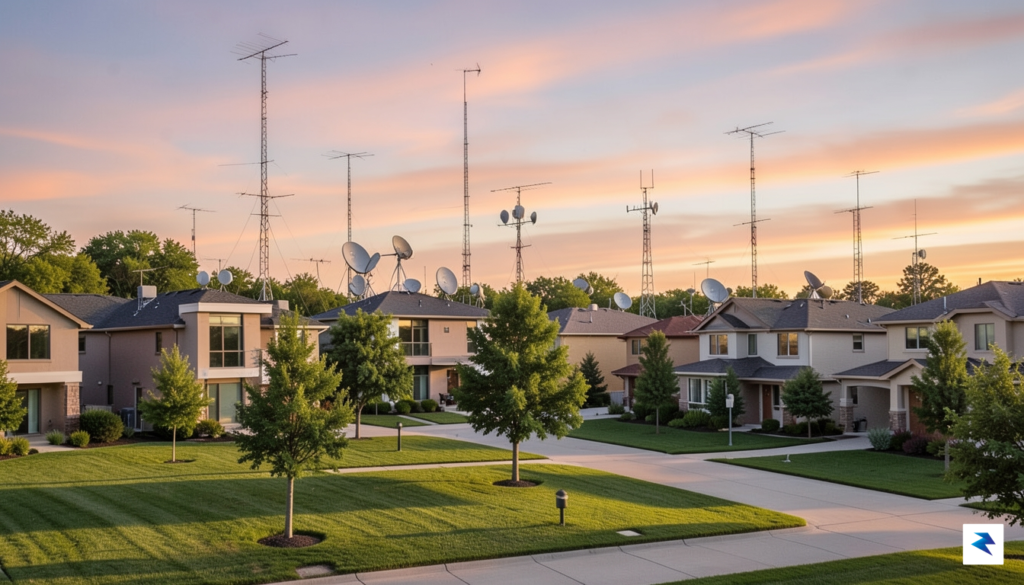
As the commission approaches its pivotal August vote, the broadcast landscape finds itself at a defining crossroads. The decision to potentially lift national ownership caps is not merely a technical adjustment to regulatory policy; rather, it serves as a litmus test for the FCC’s broader philosophy regarding the public interest in an era defined by extreme media fragmentation. If the commission moves to ease these restrictions, we should anticipate an immediate wave of legal challenges from public interest groups and media watchdogs who argue that such consolidation threatens the diversity of viewpoints essential to a healthy democracy. These legal battles will likely hinge on whether the agency can sufficiently demonstrate that the current market—saturated with streaming services and social media platforms—has rendered legacy broadcast protections obsolete.

The push for deregulation within the telecommunications sector reflects a growing consensus among some policymakers that traditional broadcasters must be allowed to achieve greater scale to remain viable against massive global tech conglomerates. By relaxing ownership caps, the FCC would essentially be betting that larger broadcast entities are better equipped to invest in local news, high-quality production, and technological innovation. However, this shift toward consolidation invites a complex set of stakes for consumers. While larger networks might offer more streamlined services, there is a legitimate fear that regional identities and independent voices could be swallowed by national homogeny. For policymakers, the central challenge remains balancing the economic reality of a struggling broadcast industry with the foundational mandate to serve the local community.
The future of television will likely be defined by the tension between the efficiency of national scale and the necessity of local relevance.
Looking toward the long-term, the trajectory of national broadcast reach suggests a period of intense restructuring and corporate maneuvering. Even if the caps are raised, the broadcast industry will still face the relentless pressure of cord-cutting and the migration of advertising dollars toward personalized digital platforms. Ultimately, the FCC’s decision will set the stage for how these companies navigate the next decade of competition. Whether the market trends toward a few dominant players or a more resilient, diversified network of affiliates, the outcome of this vote will undoubtedly serve as the primary catalyst for the next chapter of the American television experience. As we look ahead, the industry must demonstrate that its evolution serves not just the bottom line of parent corporations, but the information needs of the public at large.
You must be logged in to post a comment.