What Is Neko Health? Inside the $700M Bet on Preventative Medicine
The Evolution of Preventative Health Technology For decades, the global medical infrastructure has functioned primarily as a system of…
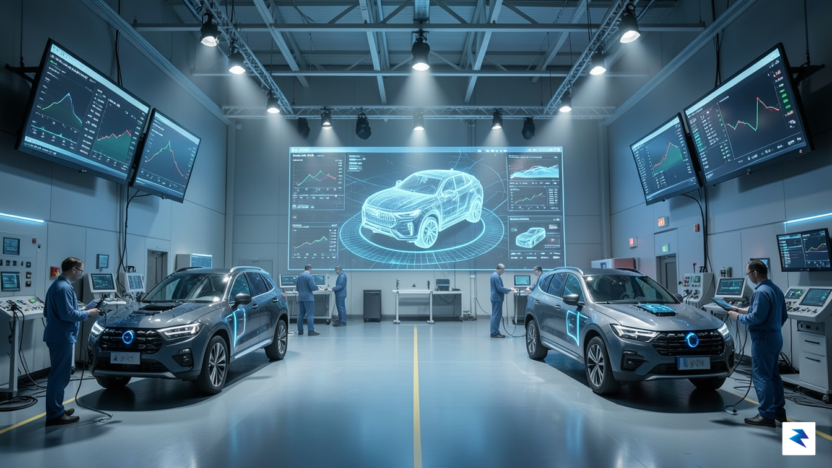
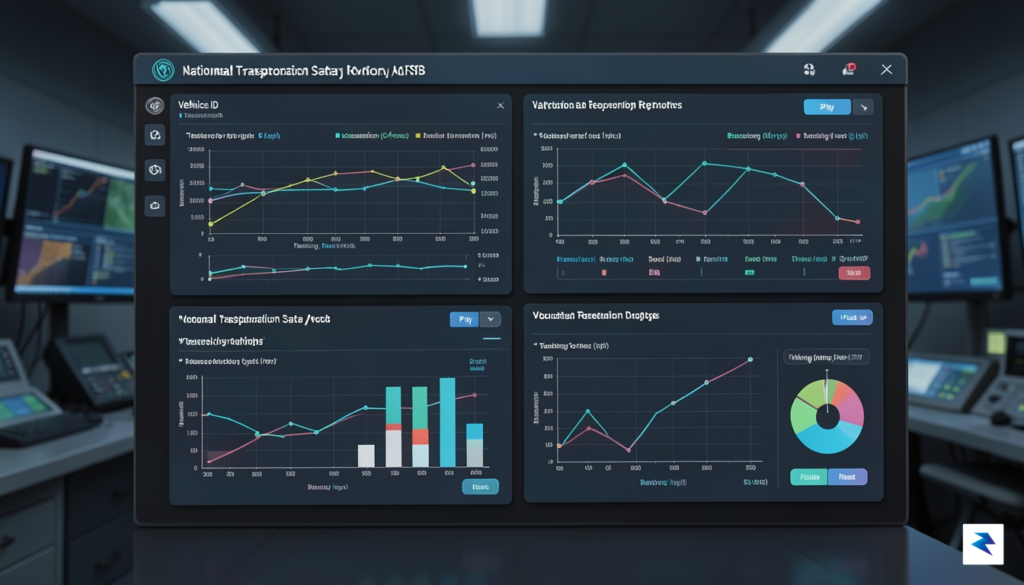
The National Transportation Safety Board (NTSB) has concluded its rigorous investigation into the high-profile 2021 Texas crash involving a Tesla Model S, bringing an end to years of public conjecture regarding the vehicle’s performance. By conducting a forensic examination of the vehicle’s Event Data Recorder (EDR), federal investigators were able to reconstruct the final moments leading up to the fatal impact with absolute precision. The findings indicate that the vehicle’s systems functioned as expected, with telemetry data showing that the driver applied the accelerator pedal to its full 100% capacity in the seconds preceding the crash. This definitive evidence shifts the focus of the investigation away from potential mechanical or software malfunctions and firmly toward the specific mechanical inputs provided by the operator during the event.
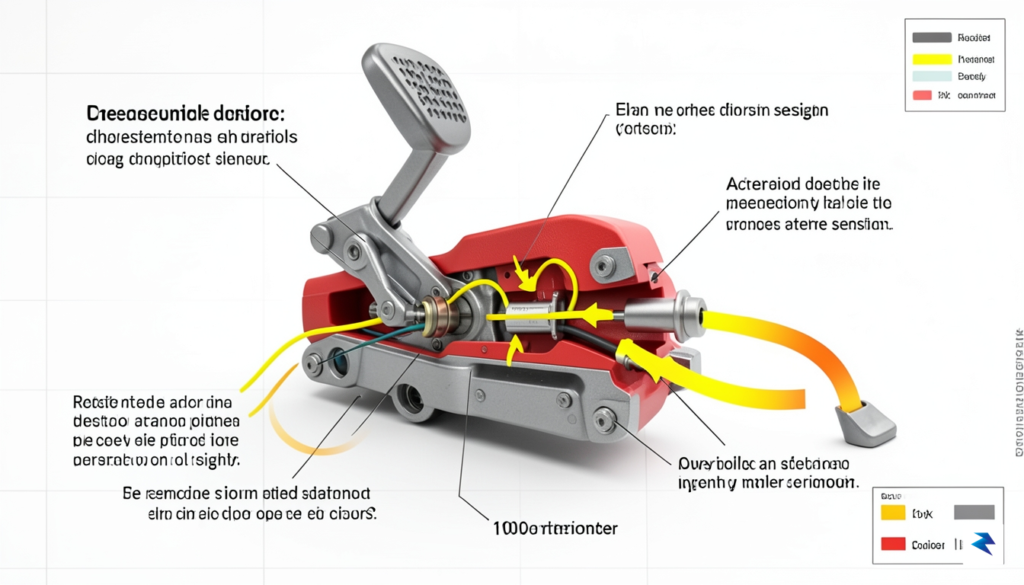
To understand the weight of these findings, it is essential to define what a 100% pedal application signifies in the context of automotive telemetry. Modern electric vehicles are equipped with sophisticated drive-by-wire systems that translate the physical position of the accelerator pedal into an electronic signal sent to the motor controller. When the NTSB reports a 100% input, it confirms that the pedal was depressed to its absolute floor limit, triggering a request for maximum available torque from the drivetrain. This data is not an estimate; it is a granular recording of the electronic signal logged by the vehicle’s internal systems, which remains immutable once written to the EDR. Because this information is captured directly from the hardware interface, it serves as a reliable objective record of the driver’s intent as interpreted by the car’s computer.
The NTSB investigation highlights the critical importance of Event Data Recorders in modern traffic safety, as these devices provide an unbiased narrative of vehicle status and driver interaction that would otherwise be lost to speculation.
The corroboration between Tesla’s own internal diagnostic logs and the independent federal analysis provides a rare level of transparency in this complex investigation. Throughout the process, the NTSB worked to ensure that the data extracted from the vehicle’s proprietary systems matched the forensic evidence recovered from the crash site. By cross-referencing the EDR data with physical evidence such as tire marks and the specific patterns of vehicle damage, investigators established a cohesive timeline that leaves little room for ambiguity. This comprehensive approach ensures that the conclusion—that the accelerator was held at full capacity until the moment of collision—is supported by multiple, independent lines of evidence, reinforcing the credibility of the federal findings.
The tragic outcome of the Texas crash serves as a sobering reminder of the psychological phenomenon known as automation bias, where human operators place an unwarranted level of trust in automated systems. As vehicle technology evolves, many drivers struggle to distinguish between genuine autonomy and the supportive, yet limited, nature of Level 2 Advanced Driver Assistance Systems (ADAS). This psychological gap often leads individuals to assume that a vehicle is capable of handling complex driving environments entirely on its own, even when the software is explicitly designed only to assist—not replace—the human behind the wheel. When drivers succumb to this overconfidence, they may become less vigilant, creating a dangerous disconnect between the vehicle’s actual technological constraints and the driver’s perceived safety net.
Current Level 2 systems, which include features like lane-keeping assistance and adaptive cruise control, are fundamentally designed to operate within strict parameters that require constant human supervision. These systems are not equipped to navigate every possible road hazard or emergency scenario, yet the marketing and branding of such technologies often blur the lines for the average consumer. In the instance of the Texas collision, the NTSB’s finding that the accelerator was depressed at 100% highlights a critical failure point: the human element completely overrode the system’s intended function. While the vehicle’s software may have been monitoring speed or lane position, it was ultimately undermined by an explicit, high-intensity manual input that the system could not—or was not programmed to—counteract in that specific context.
The fundamental safety hurdle in modern automotive engineering is not just the sophistication of the sensors, but the clarity of the partnership between the human and the machine.
To address this, manufacturers are increasingly tasked with implementing more robust “driver monitoring systems” that utilize infrared cameras to track eye movement and engagement levels. However, technology alone cannot solve the problem of user complacency. There is a pressing need for a more comprehensive public education initiative that emphasizes the limitations of current hardware. By clearly defining that these systems are tools for assistance rather than autonomous solutions, car companies hope to shift the mindset of the driving public. Ultimately, the responsibility remains with the operator to understand that while the car can help maintain a path or distance, the final authority and the burden of situational awareness must always rest with the person in the driver’s seat.

The recent findings regarding the tragic Texas collision serve as a sobering benchmark for the automotive industry, highlighting the complex intersection of human error and automated assistance. As manufacturers accelerate the deployment of driver-assist systems, these NTSB investigations act as essential diagnostic tools that force a re-evaluation of how technology interacts with human behavior. Regulatory bodies like the NHTSA are increasingly utilizing such granular data—specifically the confirmation of 100% accelerator input—to push for stricter safety requirements that go beyond mere performance metrics. By analyzing these specific failure points, regulators can develop more robust standards for “fail-safe” logic, ensuring that vehicles are programmed to prioritize safety-critical interventions even when a driver provides conflicting or dangerous commands.
The path to fully autonomous transportation requires a fundamental shift from viewing vehicles as passive tools to recognizing them as active, intelligent partners in road safety.
Technological intervention is the next logical step in mitigating the risks posed by human fallibility. Future safety architectures must integrate more sophisticated driver monitoring systems (DMS) that utilize infrared sensors and eye-tracking technology to assess alertness and intent in real-time. If a vehicle can detect a driver’s erratic behavior or inability to manage speed, it should ideally possess the authority to override manual inputs, slow the vehicle, or safely navigate to the shoulder. Furthermore, evolving collision avoidance logic must become more context-aware; it is no longer enough for a system to simply track stationary objects. The next generation of software must be capable of interpreting the difference between an intentional maneuver and a potential emergency, creating a tiered intelligence system that bridges the gap between human error and machine precision.
Ultimately, the goal of these systemic improvements is to create a safety net that accounts for the unpredictability of human nature. As we transition toward higher levels of autonomy, the focus must remain on harmonizing human-machine interfaces to ensure that drivers are not lulled into a false sense of security by sophisticated features. The industry is currently at a critical crossroads where data-driven insights must dictate engineering improvements, moving us closer to a future where individual accidents provide the exact evidence needed to prevent future tragedies. By refining these safety standards today, we are building the foundation for a more resilient and secure transportation ecosystem that acknowledges the limitations of both the driver and the machine.
The modern vehicle has evolved from a mechanical machine into a sophisticated, data-generating ecosystem, making the role of “black box” technology more critical than ever. In the context of electric vehicles, which often rely on complex software to manage propulsion and driver-assistance features, the Event Data Recorder (EDR) provides an indispensable window into the milliseconds preceding a collision. As these vehicles become increasingly connected, the ability for federal agencies to extract and interpret high-fidelity telemetry is no longer just a forensic exercise; it is the bedrock of public accountability. By capturing precise inputs—such as accelerator position, steering angle, and brake activation—investigators can move past speculation and ground their findings in objective, verifiable reality.
Achieving this level of clarity requires a seamless collaboration between automotive manufacturers and federal regulators. When an incident occurs, the transparency of this data determines how quickly the industry can identify systemic vulnerabilities or clarify instances of human error. If manufacturers keep proprietary systems shielded from rigorous, independent scrutiny, the public trust essential for the adoption of new automotive technologies begins to erode. Instead, a proactive commitment to data sharing ensures that safety standards can evolve at the same pace as software innovation, ultimately fostering a culture where safety is prioritized over corporate optics.
The integrity of automotive safety hinges on the transition from anecdotal reports to data-driven conclusions. When telemetry speaks, it removes the ambiguity that often clouds public perception during high-profile investigations.
The specific investigation into the Texas crash underscores how data transparency serves the broader automotive landscape. By confirming that the accelerator was fully depressed, the NTSB has provided a definitive conclusion that helps disentangle the vehicle’s actual performance from the broader discourse surrounding driver-assistance systems. This level of granular detail allows regulators to better distinguish between mechanical failure and operator input, which is vital for informing future safety regulations. Furthermore, this transparency benefits the consumer; it reinforces the importance of driver education regarding how these powerful electric powertrains behave under various inputs. As we move further into an era of advanced automation, the commitment to open, accessible, and accurate data will remain the most effective tool we have to ensure that every mile driven is as safe as possible.
You must be logged in to post a comment.