
Roblox Connect Shutting Down: Why the Avatar Chat Feature Didn’t Stick
The Rise and Fall of Roblox Connect When Roblox first unveiled Connect in late 2023, it was positioned as a watershed moment for the…


The proposed unification of NextEra Energy and Dominion Energy is far more than a simple corporate expansion; it is a calculated masterstroke designed to redefine the utility sector’s financial and operational ceiling. By pooling their massive balance sheets, these two organizations aim to create a monolithic entity with unparalleled reach across the American Southeast. This merger would essentially consolidate a footprint spanning millions of customers, providing the financial muscle required to execute multi-billion dollar projects that would be prohibitively expensive for smaller, independent regional providers. In essence, the deal leverages sheer capital scale to dominate a market where size is increasingly becoming the most critical currency for long-term viability.

Beyond the sheer financial magnitude, the merger is driven by the urgent need for operational efficiency through economies of scale. By integrating their vast infrastructure networks, the combined organization expects to significantly streamline maintenance protocols, procurement, and logistical deployment. When individual utilities manage their own fragmented fleets and localized supply chains, overhead costs remain disproportionately high. However, by standardizing grid operations across three major states, the new entity can implement uniform maintenance schedules and unified emergency response protocols. This standardization not only reduces the cost of maintaining aging infrastructure but also accelerates the speed at which the company can deploy repairs during severe weather events or grid disruptions.
The true power of this merger lies in its ability to de-risk the massive capital expenditures required to modernize the energy grid for the next half-century.
Furthermore, this union provides a essential layer of stability for the immense capital investments necessary for the ongoing energy transition. As the nation shifts toward renewable sources and smarter, more resilient grid technologies, utilities are facing a massive funding gap that requires long-term commitment and reliable cash flow. By merging, NextEra and Dominion create a diversified portfolio that can better absorb the risks associated with large-scale wind, solar, and battery storage deployments. This consolidation allows for a more cohesive, cross-state energy strategy that ensures consistent progress toward decarbonization goals while simultaneously shielding shareholders and ratepayers from the volatility often associated with independent, smaller-scale energy projects. Ultimately, this strategic consolidation is the industry’s answer to the high-stakes demand for a modernized, reliable, and sustainable power network.


The formation of an energy titan serving 10 million customers is far more than a simple corporate marriage; it is a monumental regulatory marathon that will test the patience and resources of both NextEra and Dominion. Because the energy sector is considered a critical utility, any merger of this magnitude triggers a cascade of oversight from federal bodies like the Federal Energy Regulatory Commission (FERC) and the Department of Justice (DOJ). These agencies are tasked with ensuring that the proposed entity does not exert undue market power or stifle competition in a way that could jeopardize grid reliability or lead to unfair rate hikes for everyday consumers. Consequently, the companies must provide exhaustive documentation proving that the merger serves the public interest rather than merely lining the pockets of shareholders.
At the state level, the complexity deepens significantly. Each state where the companies operate maintains its own Public Utility Commission (PUC), and each of these bodies holds the legal authority to block, approve, or impose stringent conditions on the merger within their jurisdictions. These commissions will likely demand proof that service quality will not decline and that the regional power infrastructure will remain resilient. Furthermore, the review process serves as an open forum for public intervention; consumer advocacy groups, environmental organizations, and local government officials are expected to raise concerns regarding potential job losses, rate structures, and the pace of the transition to renewable energy sources.
The regulatory review process is not merely a box-ticking exercise; it is an adversarial examination where the burden of proof rests entirely on the companies to demonstrate that a mega-merger will actually benefit the ratepayer.
A primary point of contention during these hearings will undoubtedly be the issue of market dominance. Antitrust regulators are famously wary of “too big to fail” scenarios in the utility sector. If the government determines that the combined entity would control an excessive percentage of regional generation capacity or transmission lines, it may force the companies to perform strategic divestitures. This could involve selling off specific power plants or distribution assets to smaller competitors to maintain a healthy, competitive landscape. Such maneuvers are not only expensive but can significantly alter the strategic rationale behind the initial merger agreement.
Given the layers of oversight involved, the timeline for this regulatory review is expected to span several years rather than months. Analysts anticipate a prolonged period of discovery, during which the companies must defend their business model against rigorous scrutiny from both governmental watchdogs and competing private interests. This extended window of uncertainty creates a volatile environment, as the final outcome remains subject to the shifting political winds and the specific mandates of the regulatory boards involved. Ultimately, while the companies see a path toward operational efficiency, they must first successfully navigate a labyrinthine legal process that is designed to prioritize stability over corporate expansion.
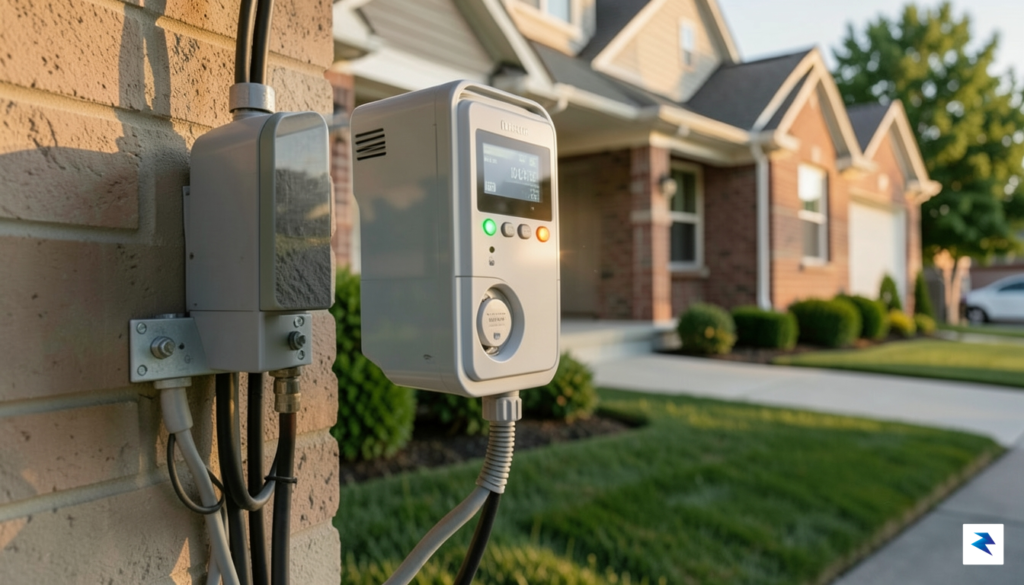
For the millions of homeowners and business owners tethered to the power grid, the prospect of a massive utility consolidation brings a mix of cautious optimism and deep-seated apprehension. At the heart of the debate is the fundamental question of market power: will this merger yield the economies of scale necessary to stabilize or lower monthly utility bills, or will it forge an unassailable monopoly capable of dictating pricing without the pressure of regional competition? While the companies involved often argue that corporate synergy leads to leaner operations and reduced overhead, history has frequently shown that consumers are the last to see these savings reflected in their monthly statements. Without rigorous oversight from utility commissions, the potential for rate hikes remains a primary concern for households already struggling with the rising cost of living.

However, the narrative is not exclusively centered on potential price volatility; there is a compelling argument to be made regarding infrastructure and grid resilience. By pooling the vast capital resources of two industry titans, the combined entity could theoretically accelerate the modernization of an aging electrical grid. This could translate to significantly faster response times during extreme weather events, as a larger organization would have the capacity to deploy repair crews and heavy equipment across a broader, more integrated service area. When storm-related outages occur, having a centralized, high-tech command center that manages millions of customers could lead to smarter load balancing and more efficient restoration efforts, potentially shortening the duration of blackouts that currently plague rural and urban areas alike.
The true success of this consolidation will not be measured by the size of the company’s balance sheet, but by the tangible improvement in service reliability and the protection of consumer interests against unchecked pricing power.
Furthermore, the merger promises significant investments in smart grid technology, which aims to transform how energy is delivered and monitored. These upgrades, which include advanced sensors and automated distribution systems, are designed to detect faults in real-time and reroute power before a minor issue cascades into a widespread failure. For a business owner, this level of stability is invaluable, as it minimizes downtime and protects sensitive electronic infrastructure. Yet, these technological leaps come at a cost, and the industry must strike a delicate balance between corporate efficiency and the necessity of consumer advocacy. For this integration to be seen as a net positive, the promised efficiencies must be transparently passed on to the public, ensuring that the drive for increased profits does not come at the expense of those who rely on the grid for their daily livelihood.
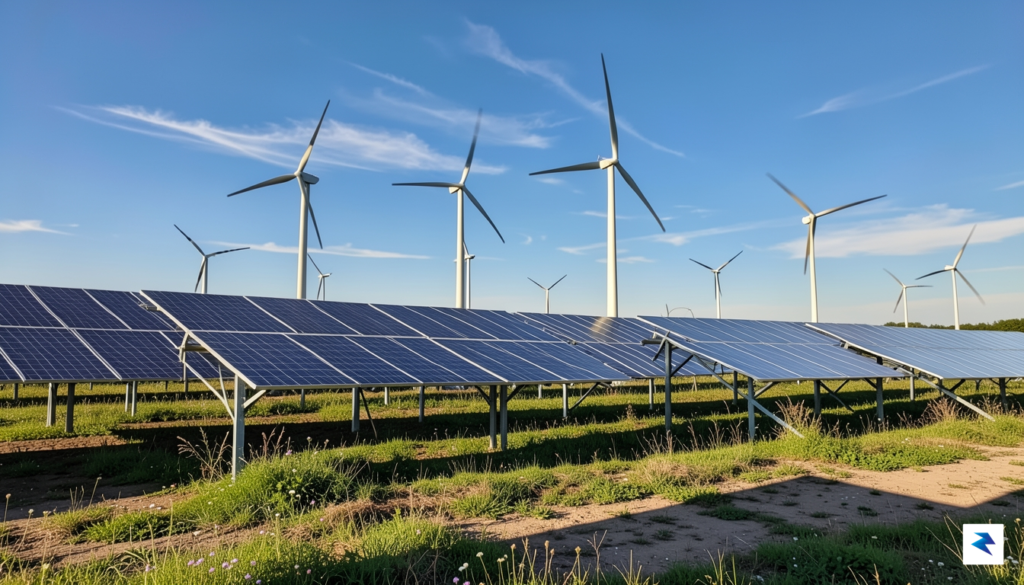
The proposed union between NextEra Energy and Dominion Energy represents far more than a mere consolidation of utility assets; it signifies a potential tectonic shift in how the Southeastern United States approaches the transition to a carbon-neutral grid. By wedding NextEra’s industry-leading expertise in large-scale renewable development with Dominion’s extensive, established transmission infrastructure, the new entity creates a powerhouse uniquely equipped to bypass the historical bottlenecks that have slowed green energy adoption. With the combined financial might to underwrite massive capital expenditures, this giant could dramatically accelerate the deployment of utility-scale solar and wind projects, turning ambitious regional climate goals into tangible operational realities far sooner than current market projections allow.
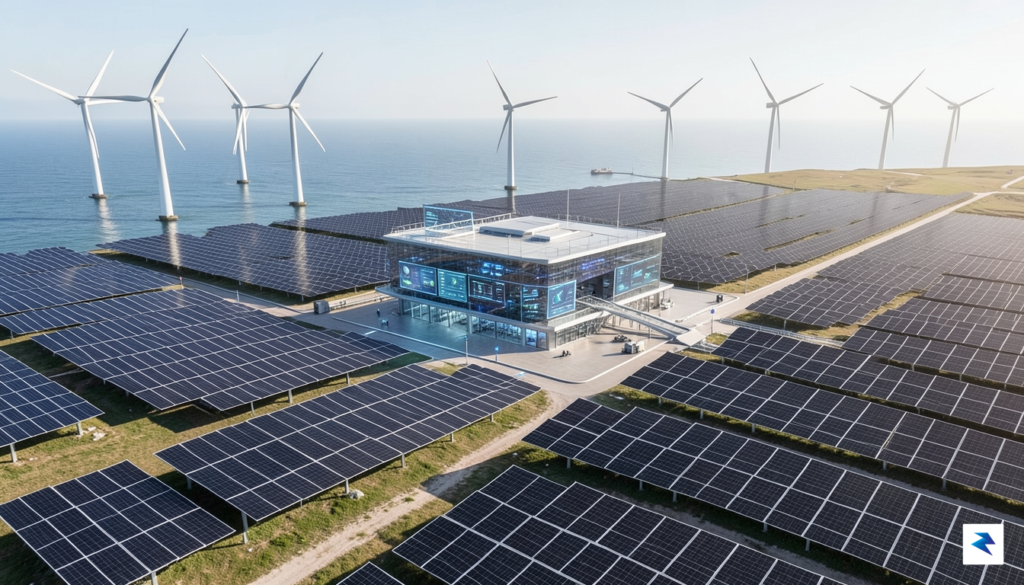
A critical component of this transition lies in the aggressive integration of utility-scale battery storage, which serves as the linchpin for grid stability. Intermittency has long been the primary criticism leveled against renewable sources, but a combined entity of this magnitude possesses the R&D bandwidth and procurement power to deploy storage solutions at an unprecedented scale. By buffering the grid against the natural fluctuations of solar and wind energy, the company can provide consistent, reliable base-load power that effectively replaces the need for aging, carbon-heavy fossil fuel plants. This capability not only optimizes the existing grid but also provides the necessary confidence for regulators to fast-track the retirement of legacy coal and natural gas infrastructure across the region.
The merger creates a rare opportunity to leverage economies of scale to lower the cost of green energy, effectively making decarbonization the most economical pathway rather than a budgetary burden.
Furthermore, the scale of this merger aligns directly with the tightening ESG (Environmental, Social, and Governance) mandates increasingly imposed by state legislatures and federal regulators. As the Southeast faces mounting pressure to reduce its carbon footprint, this new energy titan is positioned to act as a primary driver of compliance, helping states achieve their net-zero targets through systemic, region-wide upgrades. By streamlining the development process and utilizing a unified, high-voltage transmission network, the company can move clean electricity from resource-rich areas to high-demand population centers with minimal friction. Ultimately, this consolidation may prove to be the necessary catalyst that transforms a fragmented energy landscape into a cohesive, sustainable system designed for the demands of the 21st century.
The proposed merger between NextEra and Dominion represents a fundamental shift in the landscape of American utilities, moving away from the fragmented, state-by-state monopolies of the past toward a model defined by massive, regional powerhouses. Historically, the utility sector was characterized by localized entities focused on singular service territories, but the complexities of modernizing the electric grid have rendered that model increasingly obsolete. By combining the vast assets of these two energy giants, the new entity creates a sprawling infrastructure capable of integrating intermittent renewable resources across state lines, a feat that is significantly more difficult for smaller, isolated providers to achieve. This transition mimics the consolidation waves seen in the telecommunications and financial sectors, where economies of scale are viewed as the primary antidote to the rising costs of infrastructure maintenance and technological innovation.
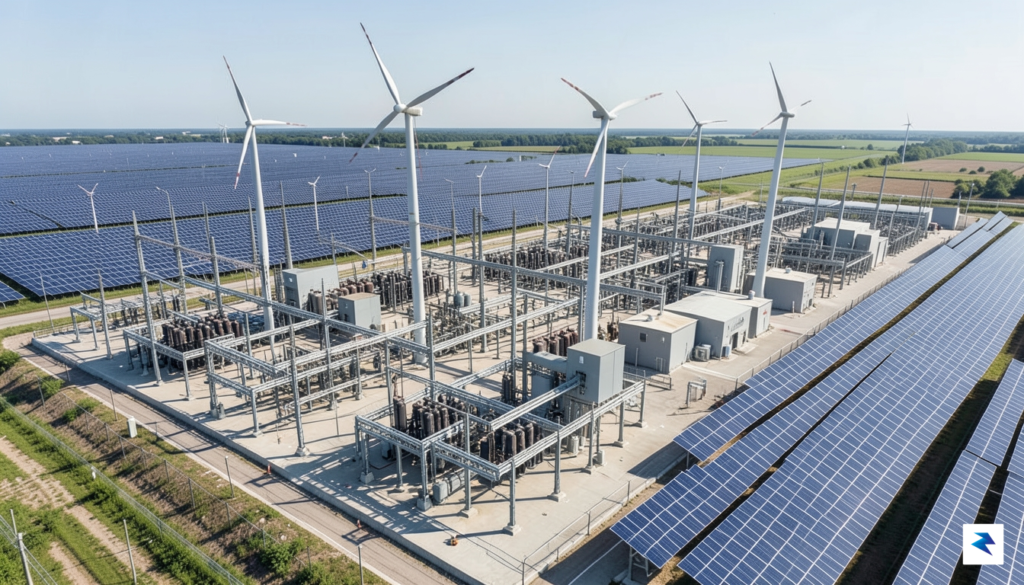
This strategic consolidation is also a direct response to the mounting competitive pressure from independent power producers (IPPs). Unlike traditional regulated utilities that rely on guaranteed rate-based returns, IPPs have become increasingly agile, leveraging proprietary battery storage technology and advanced data analytics to undercut traditional pricing models. To remain competitive, legacy firms are finding that they must achieve a critical mass of generation capacity to drive down operational expenses and secure long-term capital for large-scale grid hardening projects. As this merger illustrates, the industry is betting that sheer size will provide the defensive moat necessary to withstand the volatility of the wholesale energy markets, where prices are increasingly dictated by the rapid fluctuations of natural gas costs and renewable energy availability.
“The future of the American power grid will be defined not just by how much energy we produce, but by our ability to seamlessly move that power across thousands of miles to meet shifting demand.”
Looking ahead, this mega-merger serves as a bellwether for a broader wave of industry M&A activity that shows little sign of slowing down. Regional wholesale energy markets, such as PJM Interconnection or MISO, are likely to see increased volatility as these massive players exert greater influence over supply schedules and transmission investments. Regulatory bodies will undoubtedly face a significant challenge in balancing the need for efficient, modernized grids with the imperative to maintain fair market competition for smaller participants. As the industry continues to prioritize decarbonization and digital transformation, investors and consumers alike should expect further consolidation, as the era of the small, independent utility is rapidly giving way to a new paradigm of continent-spanning energy enterprises.
You must be logged in to post a comment.