Why SpaceX Shares Dipped Below Their IPO Price: A Market Deep Dive
The SpaceX Market Paradox: Understanding the Valuation Shift For years, SpaceX has operated as the undisputed titan of the private space…
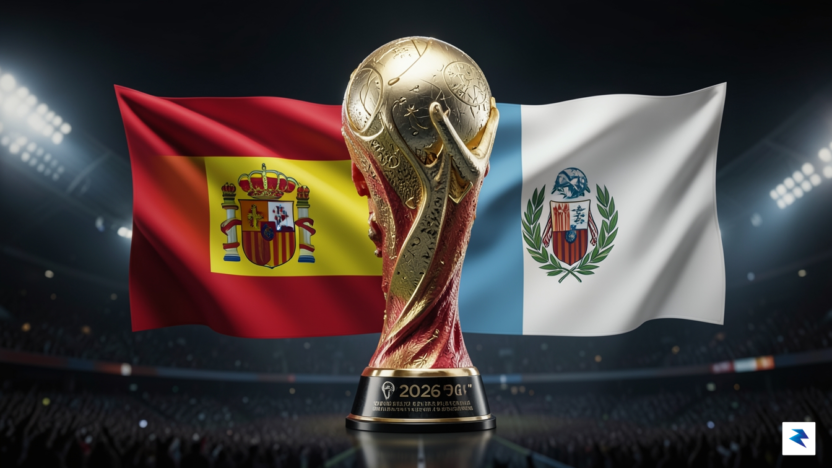
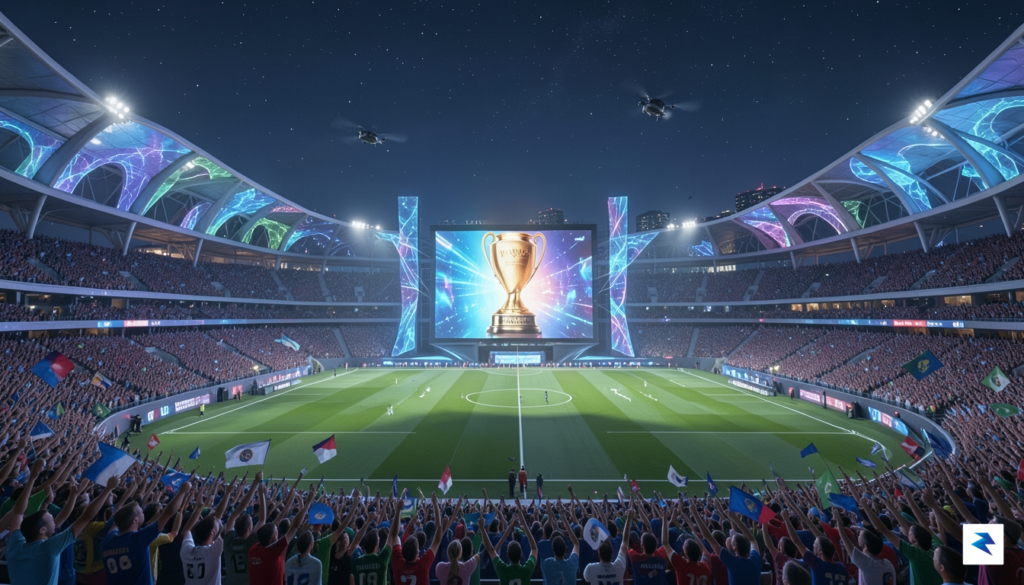
The 2026 FIFA World Cup has been nothing short of a sporting odyssey, defined by tectonic shifts in global football power, record-breaking attendances, and an atmosphere that has electrified host cities across North America. From the opening whistle in June, the tournament has defied expectations, casting aside traditional favorites and elevating underdogs to center stage. Yet, as the dust settles on weeks of grueling competition, the narrative has converged on a singular, monumental conclusion: a clash between Spain and Argentina. This is not merely a game; it is a convergence of two distinct footballing philosophies that have defined the modern era, representing the pinnacle of tactical sophistication and raw, visceral passion.
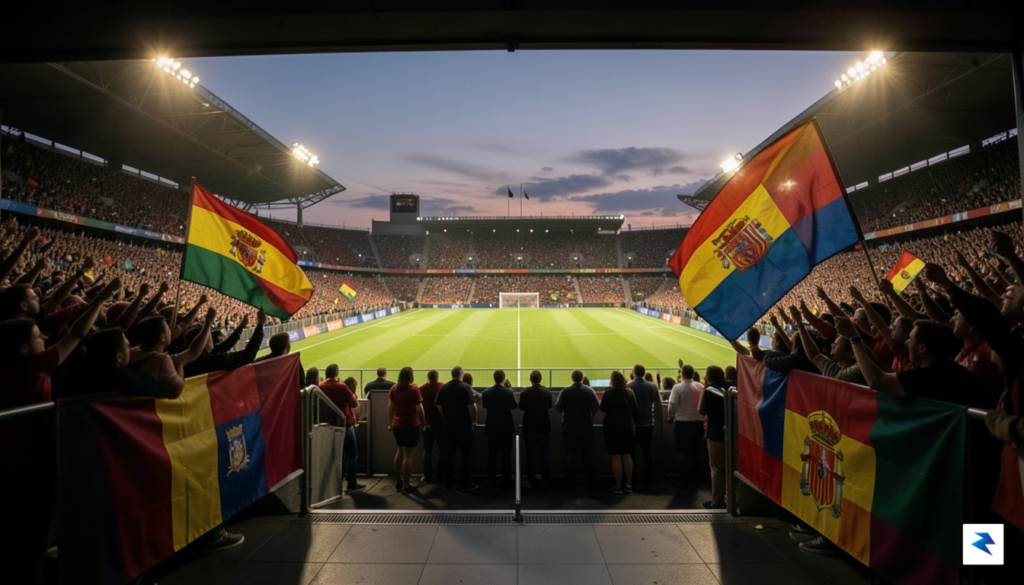
The journey to this final has been a masterclass in resilience and evolution for both nations. Spain, having revitalized their squad with a blend of youthful exuberance and seasoned precision, navigated the knockout rounds with a clinical efficiency that left opponents scrambling for answers. Conversely, Argentina has relied on a narrative of grit and tactical adaptability, overcoming mid-tournament adversity to reach the precipice of glory once again. Their meeting in the final serves as a historic milestone, pitting the rhythmic, possession-based artistry of the Iberian giants against the fierce, high-pressing intensity that has become the hallmark of the South American champions. The magnitude of this matchup cannot be overstated; it represents the ultimate test of endurance, strategy, and mental fortitude on the greatest stage in sports.
For the millions of fans watching from every corner of the globe, this final is the ultimate validation of the beautiful game’s power to unite, inspire, and define history.
As we prepare to witness the final whistle of the 2026 cycle, the stakes have never felt higher. Whether you are a lifelong devotee of La Roja or a fervent supporter of the Albiceleste, the gravity of this event demands your full attention. This is a must-watch encounter that promises to etch itself into the annals of football history, offering a spectacle that transcends the pitch itself. From the tactical battles unfolding in the midfield to the inevitable moments of individual brilliance that decide championships, every second of this final carries the weight of a nation’s dreams. As the world turns its collective gaze toward the host stadium, fans everywhere are bracing for a conclusion that will be remembered for decades to come.
Accessing the 2026 FIFA World Cup final has never been more straightforward, yet the sheer volume of global broadcasters can often feel overwhelming for the average fan. Whether you prefer the reliability of traditional cable television or the flexibility of modern cord-cutting solutions, there is a path for everyone to catch every minute of the action between Spain and Argentina. In the United States, the match will be broadcast live across major networks like FOX and Telemundo, while digital streaming platforms such as FuboTV, Peacock, and the FOX Sports app provide comprehensive coverage for those who prefer watching on tablets, smart TVs, or mobile devices.
For viewers residing in the United Kingdom, the BBC and ITV share the rights to tournament matches, ensuring that the championship final is accessible via their respective digital platforms, iPlayer and ITVX. Meanwhile, fans across Europe can typically tune in through regional powerhouses like TF1 in France, ZDF in Germany, or RTVE in Spain, which often provides free-to-air coverage for matches involving their national team. If you are tuning in from Latin America, networks such as DirecTV Sports and Televisa offer localized commentary and pre-match analysis that deepens the viewing experience, often including dedicated streaming portals like DGO for seamless mobile integration.
Regardless of where you are located, ensure your internet connection is stable at least thirty minutes before kickoff to avoid potential buffering during high-traffic periods of the broadcast.
If you find yourself traveling outside your home country during the final, accessing your local subscription service might require a bit of extra preparation. Many official broadcasters implement geo-blocking software, which restricts content based on your IP address; utilizing a reputable virtual private network (VPN) can often help you bypass these regional limitations by masking your location. Furthermore, modern mobile apps have revolutionized how we consume live sports on the go. Most official FIFA partners now offer features like multi-angle replays, live statistical overlays, and push notifications for goal alerts, turning your smartphone into a sophisticated command center for the match.
To ensure the best possible experience, we recommend downloading your chosen streaming app well in advance of the starting whistle to test your login credentials and network stability. If you are using a smart TV, verify that your operating system is updated to the latest version to avoid compatibility errors during the broadcast. By taking these proactive steps, you can guarantee that you won’t miss a single tackle, pass, or goal as the world watches Spain and Argentina battle for international glory.
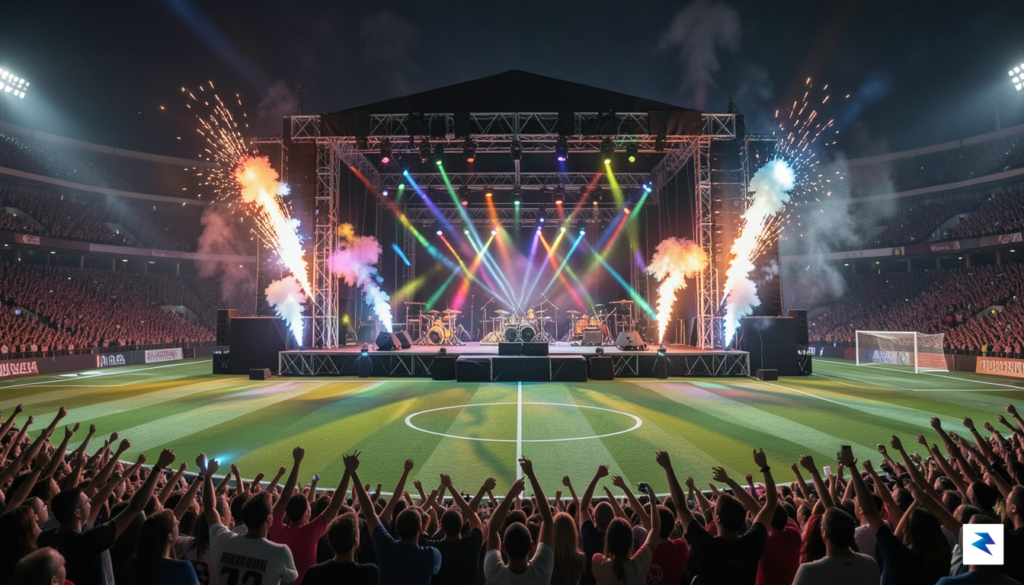
For decades, the FIFA World Cup final has been defined by the purity of the sport, where the fifteen-minute intermission was reserved strictly for tactical adjustments, hydration, and the collective anticipation of the second half. However, the decision to introduce a high-production halftime show during the clash between Spain and Argentina marks a seismic shift in how the beautiful game is packaged for a global audience. By integrating a musical spectacle of this magnitude, FIFA is clearly pivoting toward a broader “event-television” model, aiming to capture the attention of casual viewers who might otherwise tune out during the break. This strategic move mirrors the long-standing success of the American Super Bowl, which transformed from a standard athletic contest into the world’s most-watched commercial and cultural phenomenon, proving that sports and mainstream entertainment can coexist to amplify global reach.
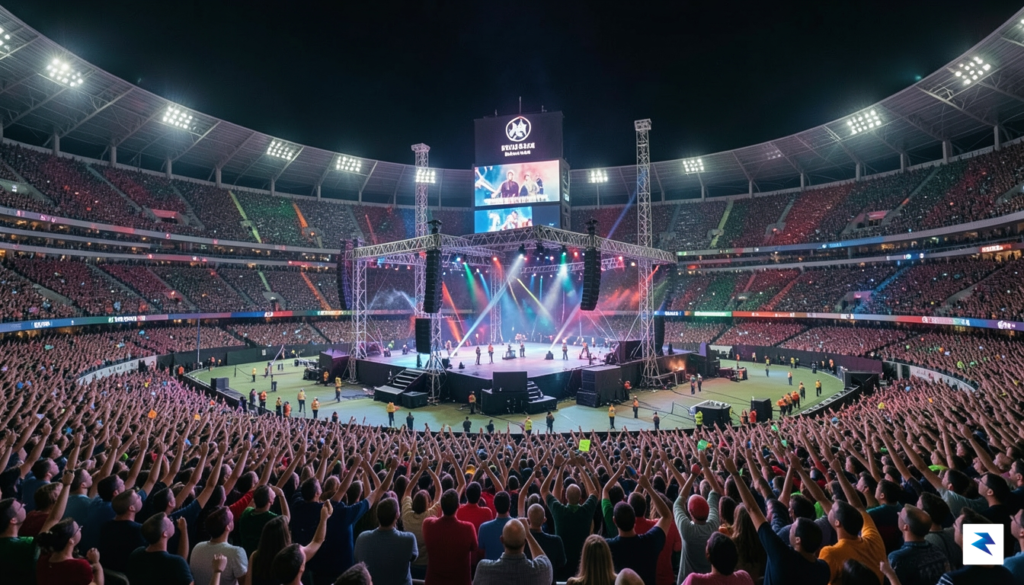
The implications of this shift extend far beyond simple fan engagement; they fundamentally alter the pacing and rhythm of the championship experience. Traditionalists have long argued that the sanctity of the match should remain untouched, fearing that a commercialized halftime show could disrupt the emotional momentum of the players and the tension felt by the spectators. Yet, proponents of the move suggest that the modern fan demands a multi-sensory experience that transcends the ninety minutes of regulation play. By transforming the intermission into a centerpiece of the broadcast, FIFA is not just selling a match; they are crafting a total entertainment package that justifies the premium price of global broadcast rights and secures the attention of younger demographics who are increasingly accustomed to short-form, high-intensity content.
The introduction of the halftime spectacle is a bold declaration: the World Cup is no longer just a tournament; it is the definitive global entertainment event of the century.
Looking toward the future, this evolution suggests that the ‘entertainment-first’ model will likely become the standard for all major sporting finals. As broadcasting technology continues to advance, we can expect to see more interactive elements, augmented reality displays during musical performances, and deeper integration between the stadium atmosphere and the home viewing experience. Whether or not this transition maintains the traditional soul of the sport remains a subject of heated debate among long-time supporters. Nevertheless, the reality of the 2026 final is that FIFA has successfully positioned football as the undisputed king of global media, ensuring that even the quiet moments of the match are filled with enough spectacle to keep the entire world locked onto their screens.

The 2026 FIFA World Cup Final between Spain and Argentina transcends mere sport; it’s a global spectacle, a shared cultural moment that brings billions together. To truly savor every heart-stopping goal, every dramatic save, and every moment of collective joy or despair, meticulous preparation is paramount. Ensuring your viewing setup is optimized means minimizing distractions and maximizing immersion, allowing you to fully participate in this monumental event without a hitch. This isn’t just about watching a game; it’s about crafting an unforgettable experience that you’ll recount for years to come.
For the vast majority who will be streaming the final, a rock-solid internet connection is the absolute bedrock of an optimal viewing experience. Buffering, pixelation, or worse, a complete dropout during a crucial play, can utterly shatter the excitement and interrupt critical moments. Therefore, conduct a speed test well in advance, ensure other devices aren’t hogging bandwidth, and consider a wired Ethernet connection for your primary viewing device if possible, as it generally offers greater stability than Wi-Fi. Having a backup plan, like knowing how to quickly switch to a reliable mobile data stream, can also be a game-changer should your main connection falter at a critical moment.
Given the global reach of the World Cup, kickoff times will vary wildly depending on your geographical location, making timezone awareness crucial for planning. Double-check the exact local start time for the match in your region well ahead of the day to avoid any last-minute panic or missed minutes. This might mean adjusting your daily schedule, perhaps waking up early for a dawn kickoff or settling in for a late-night marathon, but knowing precisely when to tune in ensures you don’t miss the anthems, the coin toss, or the opening whistle. Communicating with friends or family in different time zones also helps coordinate virtual watch parties or shared excitement, ensuring everyone is on the same page.
[IMAGE: A vibrant World Cup viewing party scene with friends cheering, flags decorating the room, and a large screen showing a football match.]
The World Cup Final is inherently a social occasion, and hosting or attending a viewing party elevates the excitement to another level, transforming it into a communal celebration. Transform your space with team colors, flags, and perhaps even some themed snacks and drinks representing Spain and Argentina to truly set the atmosphere and immerse everyone in the spirit of the game. Planning logistics like ample comfortable seating, a clear view of the screen for everyone, and a designated food and drink station will prevent disruptions once the action begins. Consider making it a potluck to spread the culinary load, ensuring a diverse spread of treats and keeping the host free to enjoy the game alongside everyone else.
Finally, to fully immerse yourself and enhance your understanding of the tactical nuances unfolding on the pitch, embrace the power of the second screen. While your main display shows the live action, a tablet or smartphone can become an invaluable companion, providing real-time statistics, player heatmaps, and in-depth analysis via dedicated sports apps. Furthermore, engaging with social media platforms allows you to tap into the global conversation, witnessing live reactions from fans, pundits, and even players, adding another layer of commentary and shared emotion to the experience. Just be mindful of potential spoilers if you’re watching on a slight delay,
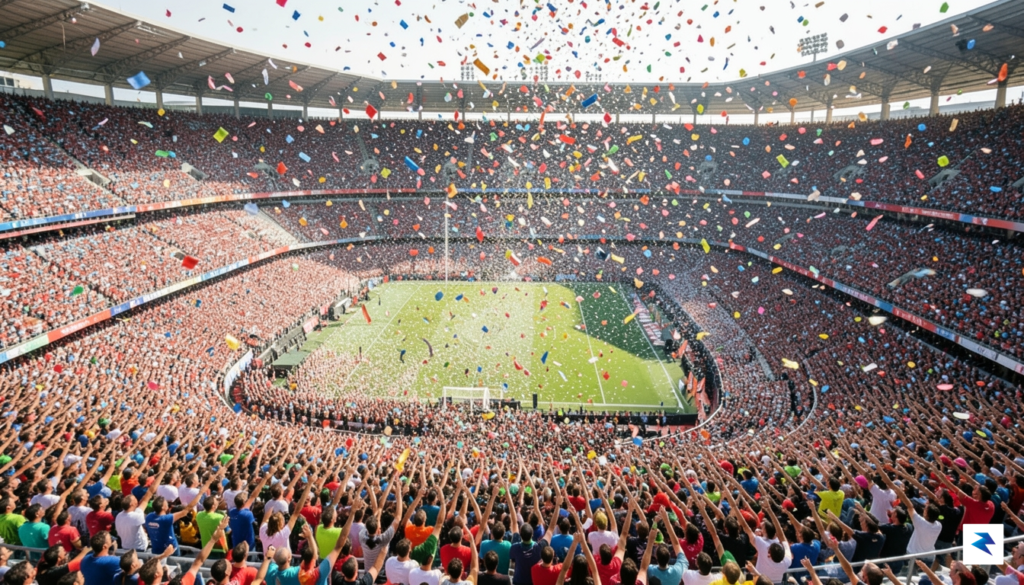
As the final whistle echoes across the continent and the confetti settles on the pitch, the 2026 World Cup cements its place in history not merely as a sporting event, but as a watershed moment for global entertainment. This tournament pushed the boundaries of what a mega-event can achieve, integrating groundbreaking augmented reality broadcasts and real-time biometric analytics that brought fans closer to the action than ever before. Beyond the hardware and the software, the 2026 edition redefined the scale of international competition, proving that a multi-nation host model could create a cohesive, border-crossing celebration that captures the imagination of billions simultaneously.
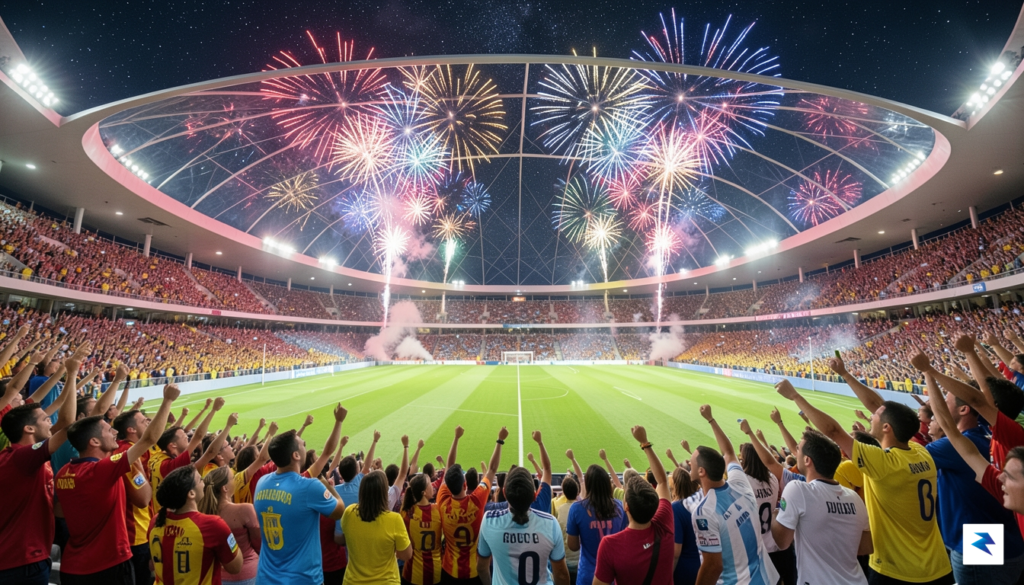
The journey to this final between Spain and Argentina serves as the ultimate testament to the grit and tactical evolution of modern football. Spain’s clinical, possession-based artistry met Argentina’s relentless, high-intensity transition play, creating a clash of philosophies that will be analyzed by coaches and historians for decades to come. Both nations navigated a grueling, expanded tournament structure, overcoming high-pressure knockout stages and the sheer physical toll of intercontinental travel. Their paths to the final were paved with moments of individual brilliance and collective resilience, reminding us that behind the technological spectacle, the heart of the sport remains the human struggle for excellence on the grass.
The 2026 World Cup did more than crown a champion; it standardized a new era of fan engagement where the digital experience is as vital as the physical attendance.
Reflecting on this tournament, it is clear that the perception of the World Cup has shifted toward a more immersive, 24/7 experience that blends sport with high-stakes cultural performance. The immense investment in infrastructure and the seamless integration of entertainment hubs surrounding the stadiums have set a high bar for future host nations. Looking ahead, the legacy of 2026 will likely be measured by how it successfully bridged the gap between traditional purists and the next generation of digital-native fans. As we look toward the future, the sport stands on the precipice of a new frontier, energized by the memories of this final match and the promise that football will continue to evolve as the world’s most powerful unifying force.
You must be logged in to post a comment.