The Madison Square Garden Data Breach: What We Know

The recent security breach involving Madison Square Garden (MSG) serves as a stark reminder that even the world’s most iconic entertainment venues are not immune to the sophisticated tactics of modern cybercriminal syndicates. Reports indicate that the organization fell victim to a high-profile ransomware attack, with the group known as RansomHouse claiming responsibility for exfiltrating a significant volume of internal data. Unlike traditional ransomware attacks that primarily focus on encrypting files to demand payment for decryption, this incident follows the increasingly common “double extortion” model. In this scenario, hackers steal sensitive information first, threatening to leak it publicly on the dark web unless their financial demands are met, thereby exerting maximum pressure on the victim to comply.
The nature of the compromised data is particularly concerning for the millions of fans, partners, and vendors who interact with the venue annually. While the full extent of the breach remains under investigation, preliminary findings suggest that the stolen files included employee information, corporate contracts, and potentially sensitive financial records. Such databases are a goldmine for cybercriminals, as they contain personal identifiable information (PII) that can be easily weaponized for identity theft, targeted phishing campaigns, or sold on illicit marketplaces. The breadth of this intrusion highlights the inherent risks associated with centralizing vast amounts of consumer and business data in a digital environment, especially when those systems become prime targets for opportunistic threat actors.
RansomHouse, the collective behind this breach, has gained notoriety for its methodical approach to data exfiltration and public shaming. They typically exploit vulnerabilities within corporate networks—often through weak credentials or unpatched software—to gain persistent access to sensitive servers. Once inside, they move laterally to identify high-value targets before exfiltrating the data to their own storage infrastructure. This strategic methodology forces companies into an impossible position: pay the ransom and hope the data is returned, or refuse and face the reality of a public data dump that could cause irreparable damage to their reputation and regulatory standing.
The Madison Square Garden incident underscores a critical shift in the cybersecurity landscape: large-scale venues are no longer just physical targets; they are massive data repositories that require the same level of rigorous defense as financial institutions or healthcare providers.
Ultimately, the implications of this incident extend far beyond the immediate fallout of a single company. It serves as a necessary wake-up call for the entire entertainment and hospitality sector to reevaluate its digital posture. As venues continue to integrate advanced ticketing systems, loyalty programs, and digital visitor experiences, the surface area for potential attacks expands exponentially. Ensuring the privacy of visitors now requires a multi-layered security strategy that includes proactive threat hunting, rigorous encryption standards, and a robust incident response plan designed to mitigate the damage of a breach before it spirals into a public crisis.
Surveillance and Privacy: The Rise of Face Scanners in Nightlife

The integration of facial recognition technology into the nightlife scene, particularly in cities like San Francisco, has ignited a fierce debate regarding the boundaries of personal privacy in social spaces. While venue operators frequently frame the adoption of biometric scanners as a necessary evolution in security—aiming to preemptively identify known troublemakers or banned individuals—this technological shift fundamentally alters the nature of going out. When a night of dancing or socializing requires an involuntary scan of one’s face, the traditional sense of anonymity that patrons have long expected in bars and clubs evaporates. This creates a digital footprint for every interaction, turning a casual evening into a data-gathering event that many attendees never explicitly consented to.
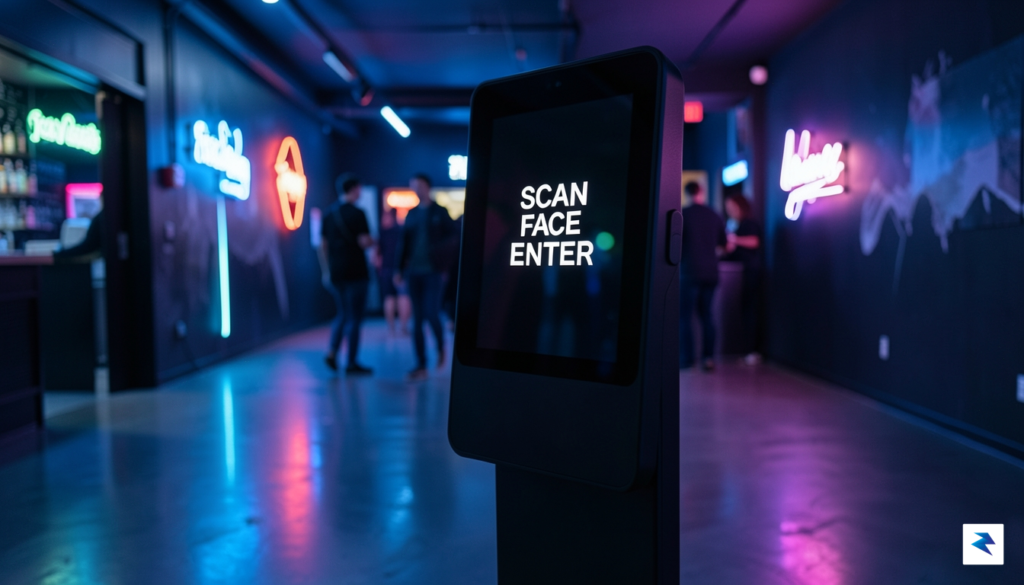
Proponents of these systems argue that the primary objective is safety, suggesting that automated screening can effectively curb violence, theft, and harassment before they escalate. However, the ethical risks associated with this level of pervasive surveillance are profound. Unlike a password or an ID card, your face cannot be changed if the data is compromised; it is a permanent identifier tied to your physical identity. When sensitive biometric templates are stored in private databases, they become prime targets for malicious actors. As recent high-profile breaches at major entertainment venues have demonstrated, even the most fortified systems are not immune to cyberattacks. The prospect of biometric data falling into the wrong hands presents a terrifying reality where personal movement and social habits could be mapped, tracked, or sold by bad actors.
The normalization of biometric tracking in social venues risks turning public gathering spaces into monitored nodes in an expansive surveillance network, often without the user’s informed consent or understanding of data retention policies.
The public pushback against this trend has been swift and organized, with privacy advocates and community members highlighting the potential for algorithmic bias and discriminatory policing. There is a deep-seated fear that these scanners could be used to disproportionately target marginalized communities, particularly within the LGBTQ+ nightlife scene, where the right to privacy has historically been tied to safety and freedom of expression. If a venue can track exactly who enters their space and when, that information could theoretically be subpoenaed or leaked, exposing individuals who may not be out to their employers or families. Consequently, the rise of face scanners represents a collision between the desire for modern, high-tech security and the fundamental human right to exist in a social space without being constantly documented and analyzed by opaque, privately-owned algorithms.
The European Shift: France Moves Away from Palantir
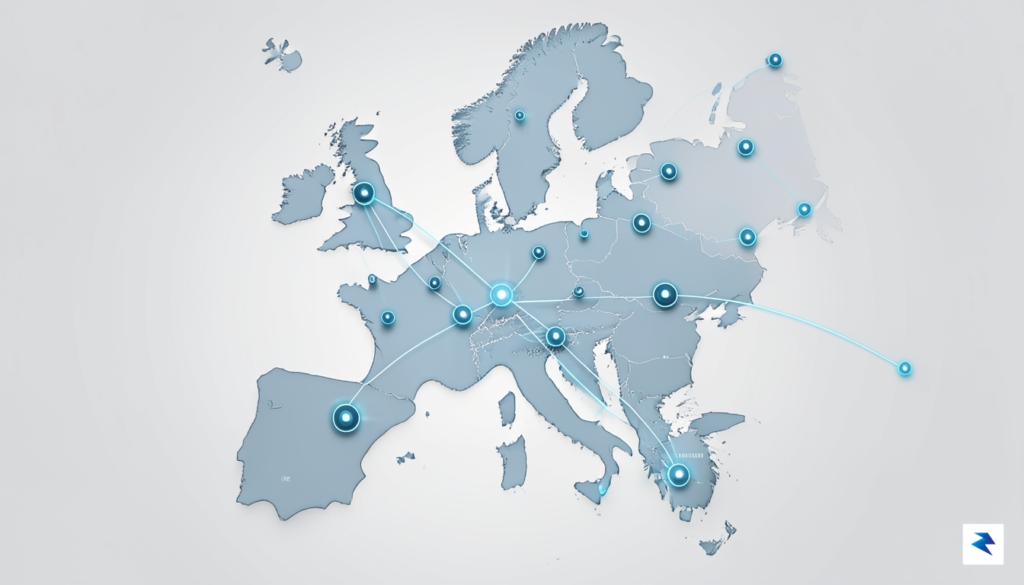
The recent decision by the French government to systematically phase out its reliance on Palantir Technologies represents a significant milestone in the broader European movement toward digital sovereignty. For years, the U.S.-based analytics giant was a cornerstone of intelligence and security operations across the continent, favored for its unrivaled ability to process massive, disparate datasets. However, as global cybersecurity threats evolve—ranging from high-profile corporate breaches to state-sponsored espionage—French authorities have become increasingly wary of the risks associated with housing sensitive national security information within the architecture of a foreign entity, regardless of that provider’s pedigree.
At the heart of this strategic pivot is the burgeoning concept of the “sovereign cloud,” an initiative designed to ensure that data generated within European borders remains subject exclusively to local legal jurisdictions. By moving away from centralized, non-European platforms, France is attempting to insulate its critical infrastructure from the reach of the U.S. CLOUD Act, which can mandate that American companies provide data to U.S. law enforcement even if that data is stored overseas. This legal friction has created a climate of uncertainty for European policymakers, who argue that true national security is impossible if a foreign power holds the “master key” to one’s domestic data assets.
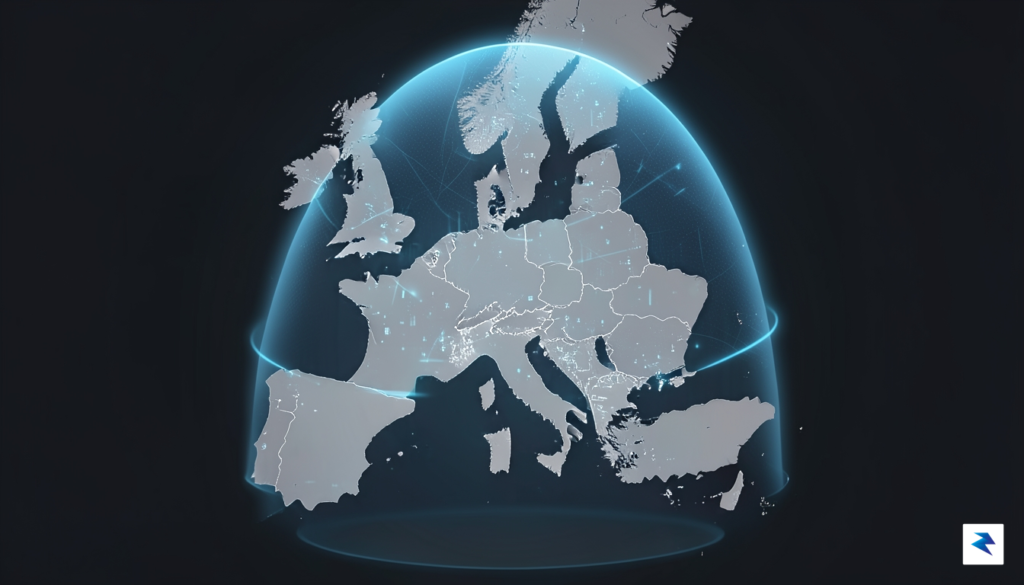
Digital sovereignty is no longer just a technical preference; it has become a fundamental pillar of national security in an era where data is arguably the most valuable asset a country possesses.
This transition is not merely a reaction to legal concerns, but a proactive effort to foster a homegrown technological ecosystem. The French government is now investing heavily in domestic alternatives that prioritize open-source standards and local hosting, effectively attempting to replicate the capabilities of Silicon Valley giants without the associated geopolitical strings. By nurturing a local marketplace, France hopes to reduce the “vendor lock-in” phenomenon, which historically forced nations to trade their long-term autonomy for short-term technical efficiency. As other European Union member states observe this transition, the pressure to develop a unified, continent-wide approach to data hosting is mounting, signaling a fundamental shift in how Western nations view the intersection of cloud computing and geopolitical influence.
Ultimately, the move away from platforms like Palantir serves as a cautionary tale for any organization—public or private—that relies heavily on third-party cloud infrastructure. Whether it is a government agency managing intelligence or a massive entertainment venue managing customer credit card data, the lesson remains the same: reliance on external infrastructure comes with inherent vulnerabilities. As geopolitical tensions continue to rise, the ability to control one’s digital environment is rapidly becoming the defining metric of modern governance and corporate resilience.
Apple’s Privacy Pivot: Redefining Private Email Communications

In an era defined by aggressive data harvesting, Apple is doubling down on its commitment to user anonymity by fundamentally overhauling its private email architecture. This upcoming shift represents a significant evolution in how the company handles inbound communication, moving beyond simple spam filtering to actively obscuring the digital fingerprints that marketers rely on to track engagement. By integrating more robust masking features directly into its private relay systems, Apple aims to disconnect the user’s identity from the metadata typically embedded in email headers, such as IP addresses, device types, and exact geographic locations. This move is not merely a technical refinement; it is a strategic maneuver designed to render traditional pixel-based tracking obsolete, effectively blindfolding third-party entities that attempt to monitor when, where, and how a user interacts with their messages.
The implications for digital marketing and analytics are profound, as these changes force a paradigm shift in how companies measure the success of their outreach campaigns. For years, marketers have relied on hidden tracking pixels to build comprehensive profiles of user behavior, but Apple’s new protocols are designed to strip this telemetry away before it ever reaches the sender’s servers. As a result, metrics like open rates and click-through tracking will become significantly less reliable, compelling businesses to focus on direct engagement rather than passive surveillance. While some industry analysts argue that this could disrupt the personalized shopping experiences many consumers have come to expect, Apple maintains that the trade-off is a necessary step toward reclaiming the sanctity of personal digital space in an age of rampant information exploitation.
The core of Apple’s strategy lies in the philosophy that privacy is a fundamental human right, not a luxury feature that should be toggled on or off based on user technical literacy.
Ultimately, Apple continues to leverage privacy as a primary market differentiator, positioning its ecosystem as a fortified sanctuary in a landscape rife with security threats and data breaches. By consistently pushing the boundaries of what is technically possible regarding anonymity, the company forces the rest of the tech industry to play catch-up. These shifts in email infrastructure are a clear signal to both consumers and competitors that the era of unfettered, behind-the-scenes tracking is coming to a close. As users become increasingly aware of how their data is weaponized and traded, Apple’s proactive approach to shielding their communication channels serves as a powerful incentive for users to remain within their walled garden, ensuring that privacy remains at the forefront of the user experience.
Actionable Steps for Digital Security in an Uncertain Landscape

In an era where high-profile cyberattacks have become a near-weekly occurrence, the responsibility for safeguarding personal information has shifted increasingly toward the individual. Relying solely on corporations to protect your data is no longer a viable strategy; instead, you must adopt a proactive posture toward your own digital hygiene. By implementing a layered defense, you can significantly reduce the impact of a potential breach, ensuring that if one account is compromised, the damage does not cascade across your entire digital footprint.
Building a Robust Defense
The first and most critical step in fortifying your security is the universal adoption of a reputable password manager. Far too many users rely on simple, recycled passwords, which are easily cracked once a breach occurs at a major service provider. A password manager allows you to generate, store, and manage complex, unique credentials for every single account you own, effectively neutralizing the risk of credential stuffing attacks. Coupled with this, you must enable multi-factor authentication (MFA) on every platform that supports it. While traditional SMS-based codes are better than nothing, utilizing dedicated authenticator apps or physical security keys provides a much stronger barrier against sophisticated phishing attempts and intercepted credentials.
The most effective security strategy is one that assumes a breach is inevitable; by compartmentalizing your data and securing your access points, you minimize the fallout when a service provider fails to keep your information safe.
Beyond standard login practices, it is essential to stay informed about your digital presence. Services like “Have I Been Pwned” allow you to monitor your email addresses and phone numbers against known databases of stolen information, providing early warnings when your data appears in illicit marketplaces. Furthermore, be wary of the growing trend of biometric data collection. While facial recognition or fingerprint scanning offers convenience, remember that unlike a password, your biometric data cannot be changed once it is compromised. Always read the privacy policies of apps requesting this access and ask yourself whether the convenience of a biometric login is worth the permanent exposure of your unique physiological identifiers.
Finally, cultivate a habit of digital minimalism. Regularly audit your accounts and delete profiles associated with services or retailers you no longer frequent. Every dormant account is a potential gateway for hackers, and by closing these inactive portals, you drastically shrink your attack surface. Taking these small, consistent actions may seem tedious at first, but in a landscape defined by uncertainty, they represent your best hope for maintaining privacy and control over your digital identity.